
The Mechanism: Why Tart Cherry Targets Inflammation
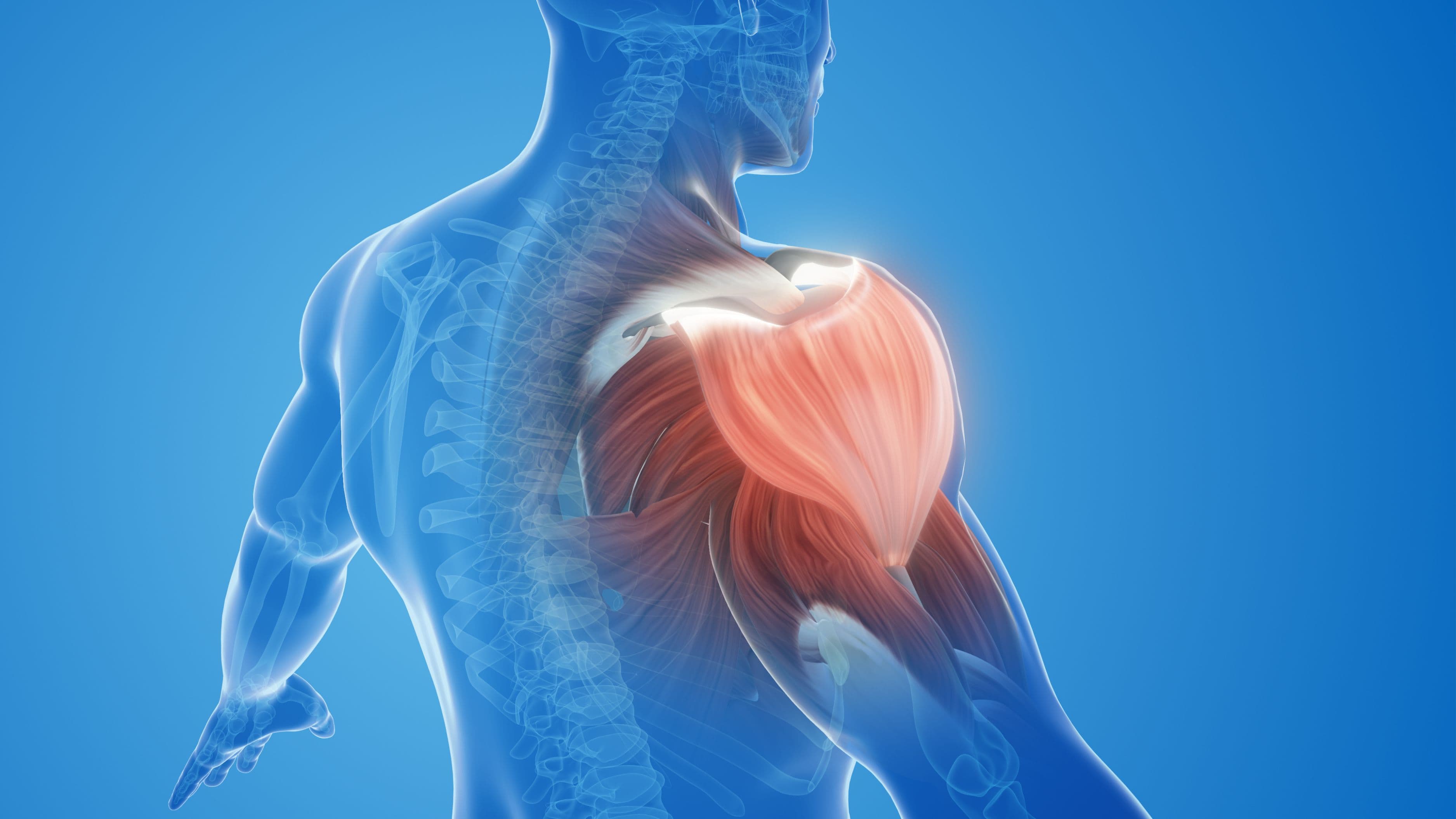
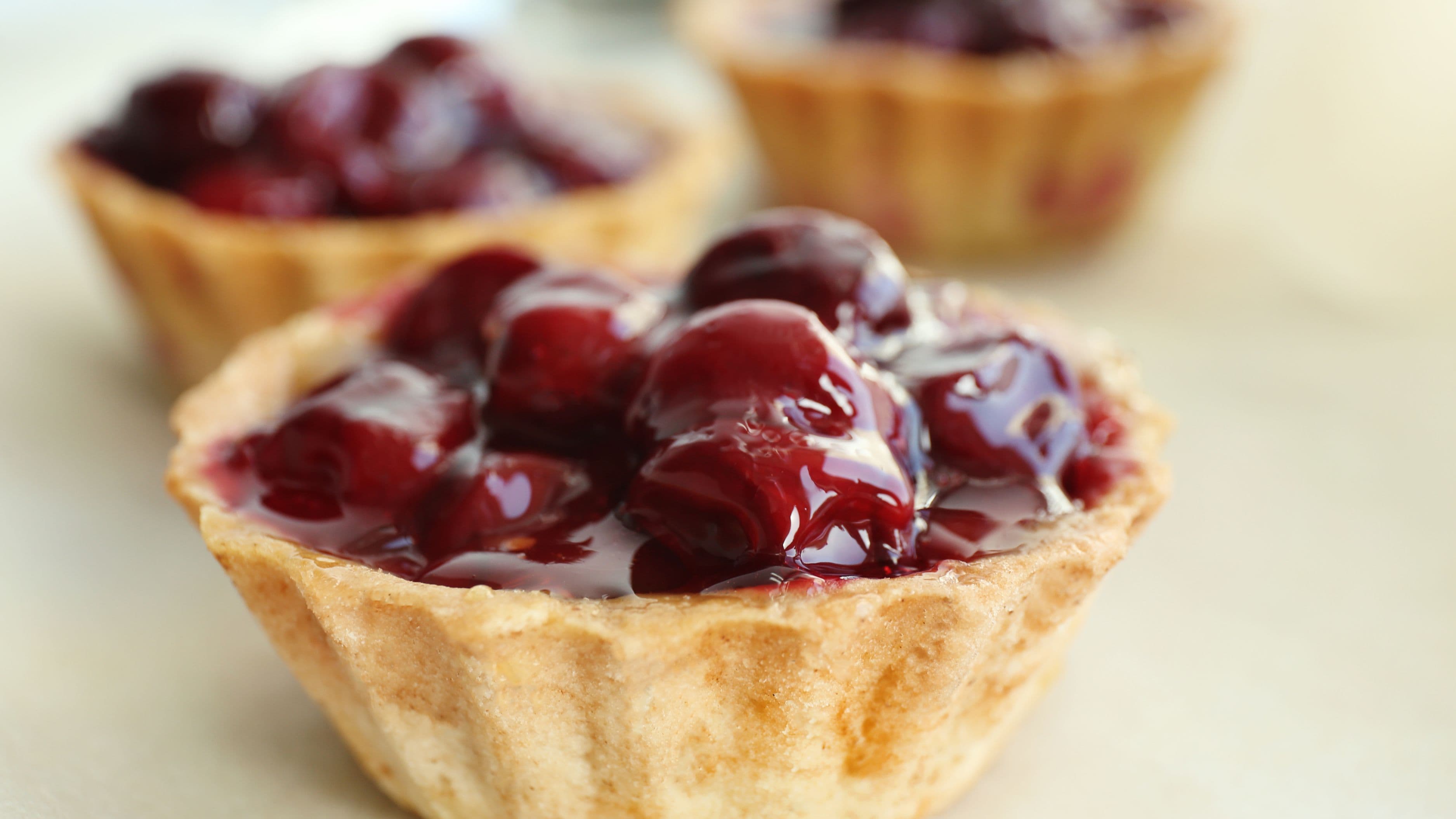
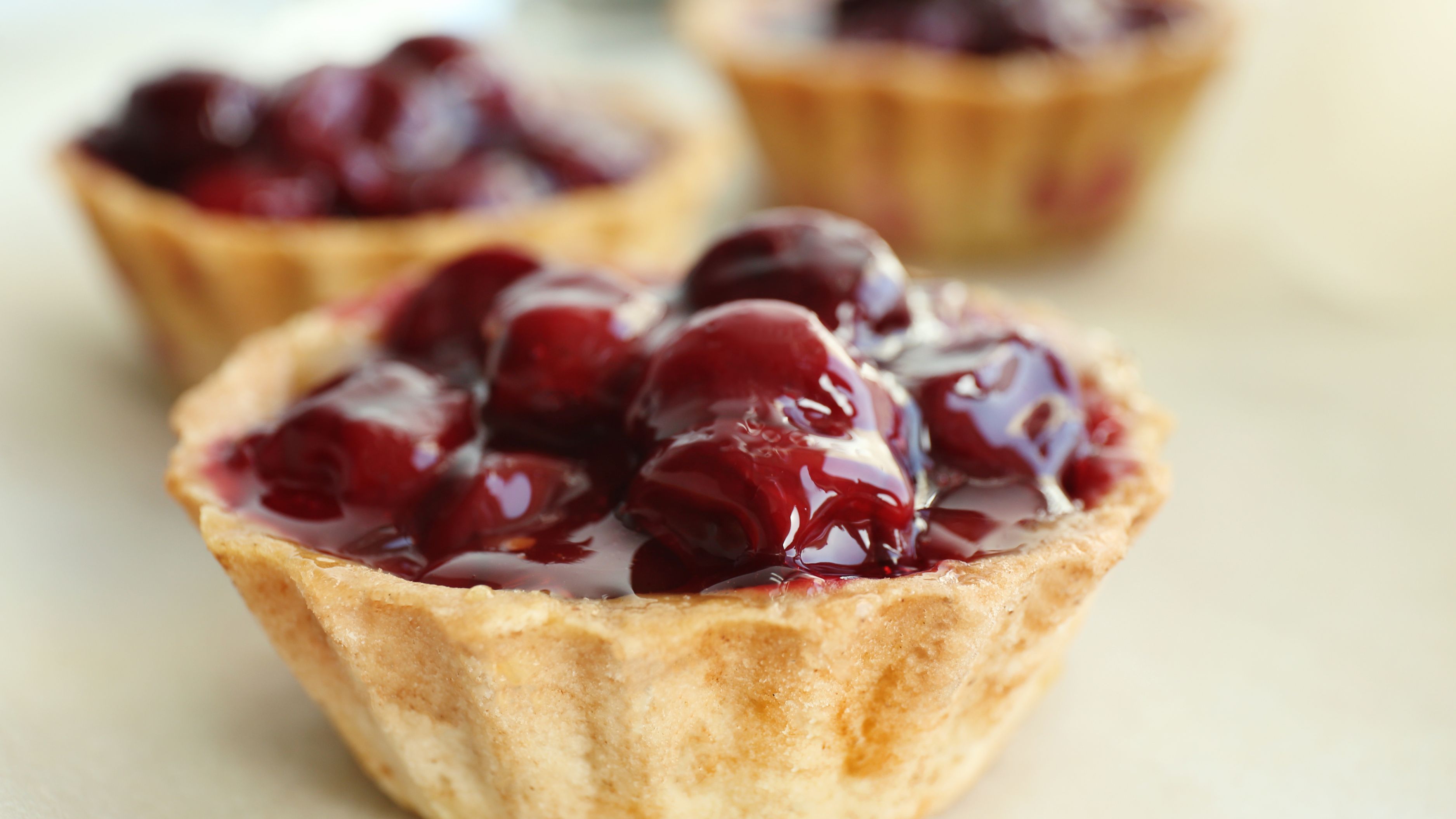
Montmorency tart cherries contain a dense concentration of anthocyanins, the compounds responsible for their deep red color, along with other polyphenols that have measurable antioxidant and anti-inflammatory activity. After intense or unaccustomed exercise, muscle fibers experience microtrauma, triggering an inflammatory cascade involving cytokines like IL-6 and markers like C-reactive protein (CRP). This response is a normal part of adaptation, but when it's excessive, it contributes to the soreness, strength loss, and sluggishness that show up 24–72 hours after a hard session.
Anthocyanins appear to blunt this cascade by inhibiting cyclooxygenase (COX) enzymes, similar in concept to how NSAIDs like ibuprofen work, though considerably less potent. They also reduce oxidative stress by neutralizing free radicals generated during intense muscular effort. The combined effect, at least in theory, is a dampened inflammatory response without relying on a pharmaceutical anti-inflammatory that carries its own tradeoffs with chronic use.
What the Evidence Actually Shows
The research on tart cherry and exercise recovery is more consistent than most supplement categories, though it's not without gaps. Studies on marathon runners have shown reduced muscle pain and faster strength recovery when tart cherry juice was consumed for several days before and after a race, compared to a placebo group. Similar findings have appeared in resistance training studies, where subjects supplementing with tart cherry juice around high-volume leg workouts reported less soreness and recovered isometric strength faster than those on placebo.
The effect size, however, is moderate rather than dramatic. You're looking at meaningfully less soreness and a faster return to baseline strength – often in the range of a day or so faster – not a complete elimination of post-exercise discomfort. Cycling studies examining inflammatory markers directly have shown reductions in CRP and other inflammation indicators following tart cherry supplementation, which supports the proposed mechanism rather than just relying on subjective soreness ratings.
Where the evidence gets less clean is dosing consistency across studies. Some trials use whole juice, others use concentrate, and the anthocyanin content varies significantly between commercial products, which makes it harder to say with precision exactly how much you need for a given effect. This is a real limitation – the research supports the category, but translating study protocols into a specific commercial product's label isn't always straightforward.
The Protocol
Timing: Most of the supporting research uses a loading approach – supplementing for several days before an intense training block or event, continuing through it, and for a few days after. A single dose taken right before or after a workout has weaker support than a sustained loading protocol.
Typical dose: Studies commonly use the equivalent of 8 ounces (240 ml) of tart cherry juice, or roughly 30 ml of concentrate diluted in water, taken twice daily. If using a capsule form, look for products standardized to deliver a comparable anthocyanin dose – check the label for milligrams of anthocyanins rather than just "tart cherry extract," since the latter can vary widely in actual active compound content.
Duration: For a single hard event – a race, a max-effort session, a competition – begin four to five days beforehand and continue for two to three days after. For ongoing high-volume training blocks, some athletes use it daily throughout the block, though this raises the tradeoff discussed below.
Expected Results and Timeline
If tart cherry is going to help, you'll typically notice it in reduced next-day and two-day soreness following a hard session, along with a slightly faster return of strength output in subsequent workouts. This isn't an immediate, single-dose effect – the loading period matters, since anthocyanin levels need time to build and exert a measurable anti-inflammatory effect. Expect a modest, not dramatic, improvement: less soreness and slightly faster strength recovery, not the elimination of DOMS or an ability to train through genuine overreaching without consequence.
The Real Tradeoff: Blunting Adaptation
Here's the part most recovery-supplement content skips entirely. The same inflammatory response that causes soreness is also part of the signaling process that drives muscular adaptation. Chronic, high-dose antioxidant supplementation – vitamin C and E studies have shown this most clearly, and there's reasonable mechanistic overlap with anthocyanins – has been associated with blunted hypertrophy and strength gains when used consistently around every training session over long periods.
This doesn't mean tart cherry is counterproductive for general use, but it does mean the smart application is targeted, not constant. Using it around a specific high-stakes event, a competition, or a short, intentionally brutal training block makes sense – you're prioritizing next-day function over long-term adaptation for a defined window. Using it after every single training session, indefinitely, works against the exact stimulus you're training for. If your primary goal right now is hypertrophy or strength progression rather than short-term performance recovery, reserve tart cherry for peak weeks rather than daily use.
Mistakes to Avoid
The most common mistake is single-dose use – taking tart cherry once, immediately post-workout, and expecting the same results seen in loading-protocol studies. That approach isn't well supported by the evidence and is unlikely to produce a meaningful effect. The second mistake is treating it as a replacement for actual recovery fundamentals – sleep, protein intake, and training volume management do more for recovery than any polyphenol supplement, and tart cherry works best as a marginal addition on top of those basics, not a substitute for them.
The third mistake is daily, indefinite use during a phase focused on building strength or muscle, for the reasons outlined above. Match the tool to the goal: short-term performance and comfort around a specific demand, not a permanent daily habit stacked on top of every training cycle.
FAQ
Is tart cherry juice as effective as the concentrate? Yes, when dosed to match the anthocyanin content used in studies – juice and concentrate perform similarly in the research, with juice simply requiring a larger volume to hit the same dose.
Will tart cherry interfere with muscle growth if I only use it occasionally? Occasional, targeted use around specific high-demand events is unlikely to meaningfully blunt adaptation. The concern applies mainly to chronic, session-by-session use over extended training blocks.
How long before a race or event should I start taking it? Four to five days beforehand, based on the loading protocols used in most of the supporting research, continuing for a few days after.
📚 Sources
"Efficacy of tart cherry juice in reducing muscle pain during running: a randomized controlled trial" – Journal of the International Society of Sports Nutrition, jissn.biomedcentral.com
"Montmorency cherry juice reduces muscle damage caused by intensive strength exercise" – Medicine & Science in Sports & Exercise, journals.lww.com
"Antioxidant supplementation does not alter endurance training adaptation" – American Journal of Physiology, journals.physiology.org