
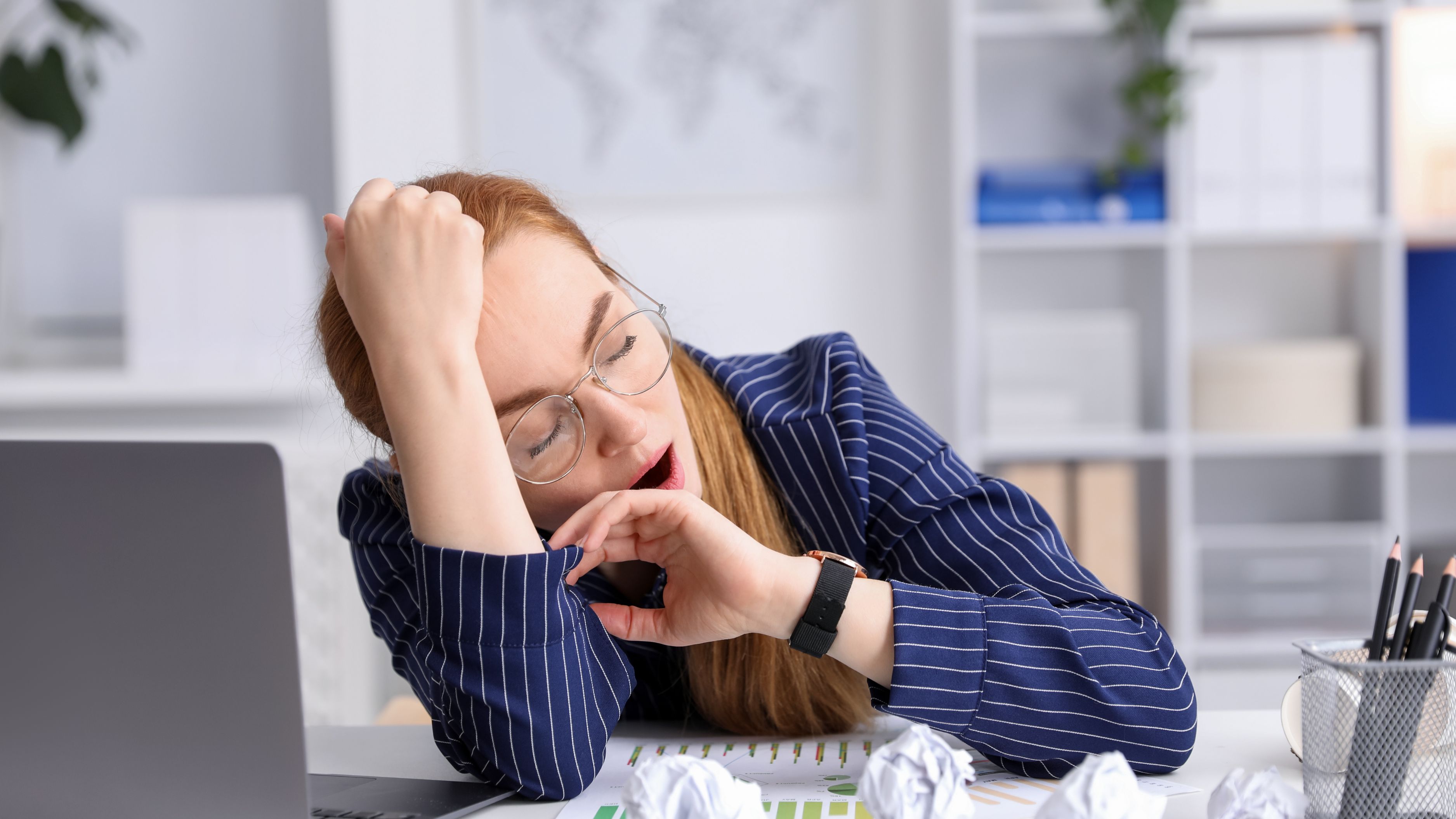
This isn't about pulling all-nighters. It's about the cumulative, silent erosion that happens when you consistently fall one to two hours short of
your biological requirement – which the majority of performance-focused men are doing chronically without realizing the cost.
The Mechanism: What Sleep Restriction Actually Does to Your Neurobiology
Sleep pressure is regulated by two primary systems: the homeostatic drive (Process S), which accumulates adenosine in the brain throughout the day and drives sleep need, and the circadian system (Process C), which modulates alertness across a 24-hour cycle. When sleep is restricted, adenosine clearance is incomplete. You wake with residual sleep pressure that compounds over successive nights, producing a neurobiological debt that does not resolve through perceived adaptation.
The prefrontal cortex – the region governing executive function, impulse control, risk assessment, and working memory – is disproportionately sensitive to insufficient sleep. A 2003 landmark study by Van Dongen et al. published in Sleep demonstrated that subjects restricted to six hours per night for fourteen days showed cognitive performance deficits equivalent to two full nights of total sleep deprivation. Critically, their subjective sleepiness ratings plateaued after a few days, while objective performance continued to decline. They felt fine. They were not fine.
The mechanism underlying this subjective-objective gap involves the prefrontal cortex's reduced capacity to accurately evaluate its own impairment. Sleep-restricted individuals consistently underestimate their performance decrements because the neural architecture responsible for that self-assessment is the same architecture that's degraded. You are using a broken instrument to measure its own damage.
The Performance Domains Most Affected
Reaction time and processing speed degrade in a near-linear relationship with accumulated sleep debt. Studies using the Psychomotor Vigilance Task (PVT) – the most validated measure of sleep-related performance impairment – show that six hours of sleep for ten nights produces lapses comparable to 24 hours of total deprivation. For any activity requiring fast decision-making under pressure, this is not a minor efficiency loss.
Working memory and cognitive throughput are impaired across multiple dimensions. Sustained attention degrades first, followed by the ability to hold and manipulate information in working memory, and then higher-order functions like strategic planning and probabilistic reasoning. The relevant research from Harrison and Horne (2000) demonstrated that novel problem-solving – generating creative, non-routine solutions – is particularly sensitive to sleep restriction, even when more routine cognitive tasks remain relatively intact. This matters if your work involves anything that isn't purely procedural.
Testosterone and anabolic hormone production take a measurable hit with consistent short sleep. A study published in the Journal of the American Medical Association (Leproult & Van Cauter, 2011) showed that one week of sleep restricted to five hours per night reduced daytime testosterone levels by 10–15% in healthy young men. Testosterone is predominantly released during slow-wave and REM sleep, meaning the hormonal cost of chronic restriction compounds directly with the cognitive cost.
Cortisol dysregulation follows a predictable pattern with sleep restriction. HPA axis activity increases, evening cortisol rises, and the normal diurnal cortisol curve flattens. The result is elevated baseline inflammation, impaired recovery from training, and increased fat storage – particularly visceral fat – independent of dietary behavior. If your training isn't recovering the way it should, sleep restriction is often the overlooked variable.
Emotional regulation and social performance are frequently underestimated in performance-focused contexts but are functionally significant. Amygdala reactivity to negative stimuli increases by approximately 60% with sleep restriction, while prefrontal-amygdala connectivity – the circuit responsible for top-down emotional regulation – weakens. This translates to higher emotional volatility, worse negotiation outcomes, more reactive decision-making, and degraded interpersonal performance in exactly the high-stakes situations where composure matters most.
Why Your Wearable Isn't Catching This
Wearables – Oura Ring, WHOOP, Garmin, Apple Watch – have improved substantially in their ability to estimate sleep stages using heart rate variability, movement, and skin temperature signals. But there are two critical limitations that create a false sense of security for performance-optimized users.
First, consumer wearables consistently overestimate total sleep time relative to polysomnography (PSG), the gold standard EEG-based measure. The overestimation typically ranges from 20–45 minutes per night depending on the device and sleep quality. Over a week, that's two to five hours of sleep credit you haven't actually earned. A user seeing "7 hours" on their Oura may be averaging closer to 6:20–6:40 of true consolidated sleep.
Second, wearable readiness scores and recovery metrics are calibrated to your personal baseline – which means if you've been chronically under-slept for months, your "100 readiness" is measured against a depressed baseline, not against your actual physiological optimum. The device tells you you're recovered relative to your recent history. It doesn't tell you how far your recent history is from where you should be.
The subjective layer compounds this. If you feel alert and functional on restricted sleep, you interpret your wearable's decent readiness score as confirmation. Both signals are systematically biased in the same direction, and they reinforce each other.
Quantifying Your Actual Sleep Debt
The most practical assessment tool that doesn't require a sleep lab is the MSLT (Multiple Sleep Latency Test) protocol, or a simplified version of it: given a quiet, dark environment at a non-circadian-dip time (e.g., 10 AM or 3 PM is a dip window; 9 PM is not), how quickly do you fall asleep? Healthy, adequately rested adults typically take 15–20 minutes. Falling asleep in under 8 minutes indicates significant sleep pressure. Under 5 minutes suggests severe sleep debt.
A second practical signal is weekend oversleeping. If you consistently sleep 90+ minutes more on weekend mornings without an alarm compared to weekday nights, you are carrying structural sleep debt. That extra sleep isn't preference – it's repayment.
A third signal is cognitive performance self-testing. Validated online versions of the PVT are available through research institutions and can establish a meaningful baseline. Repeated testing across a two-week protocol while varying sleep duration will produce objective data on where your personal performance cliff is located.
The Recovery Protocol: What the Evidence Supports
Full recovery from chronic partial sleep restriction takes longer than most people expect. Van Dongen's research and follow-up studies suggest that full cognitive recovery after extended restriction requires multiple nights of uninterrupted, unrestricted sleep – not a single recovery night. One weekend of long sleep does not reset a week of six-hour nights to full baseline. Plan recovery blocks of three to four nights of 8.5–9 hours when coming off a period of restriction.
Sleep extension before a demanding period is more effective than recovery after it. Research from Mah et al. (2011) on Stanford athletes demonstrated that extending sleep to 10 hours per night for several weeks produced meaningful improvements in reaction time, mood, and performance metrics. The pre-loading principle applies: banking sleep in the days before a high-demand period – a major presentation, competition, or sustained cognitive effort – produces measurable performance gains.
Sleep timing consistency matters independently of duration. Irregular sleep schedules – even when total sleep hours are adequate – disrupt circadian rhythm and degrade sleep architecture quality. Social jetlag (the mismatch between weekday and weekend sleep timing) is independently associated with increased inflammation, metabolic disruption, and cognitive impairment. Targeting a consistent wake time is the highest-leverage single behavioral intervention for sleep quality.
Temperature regulation directly impacts sleep architecture. Core body temperature must drop 1–2°F to initiate sleep and maintain deep slow-wave stages. A bedroom temperature of 65–68°F (18–20°C) is the consistently recommended range in the literature. Hot sleeping environments compress slow-wave sleep, which is the stage most critical for testosterone pulsatility, physical recovery, and growth hormone secretion.
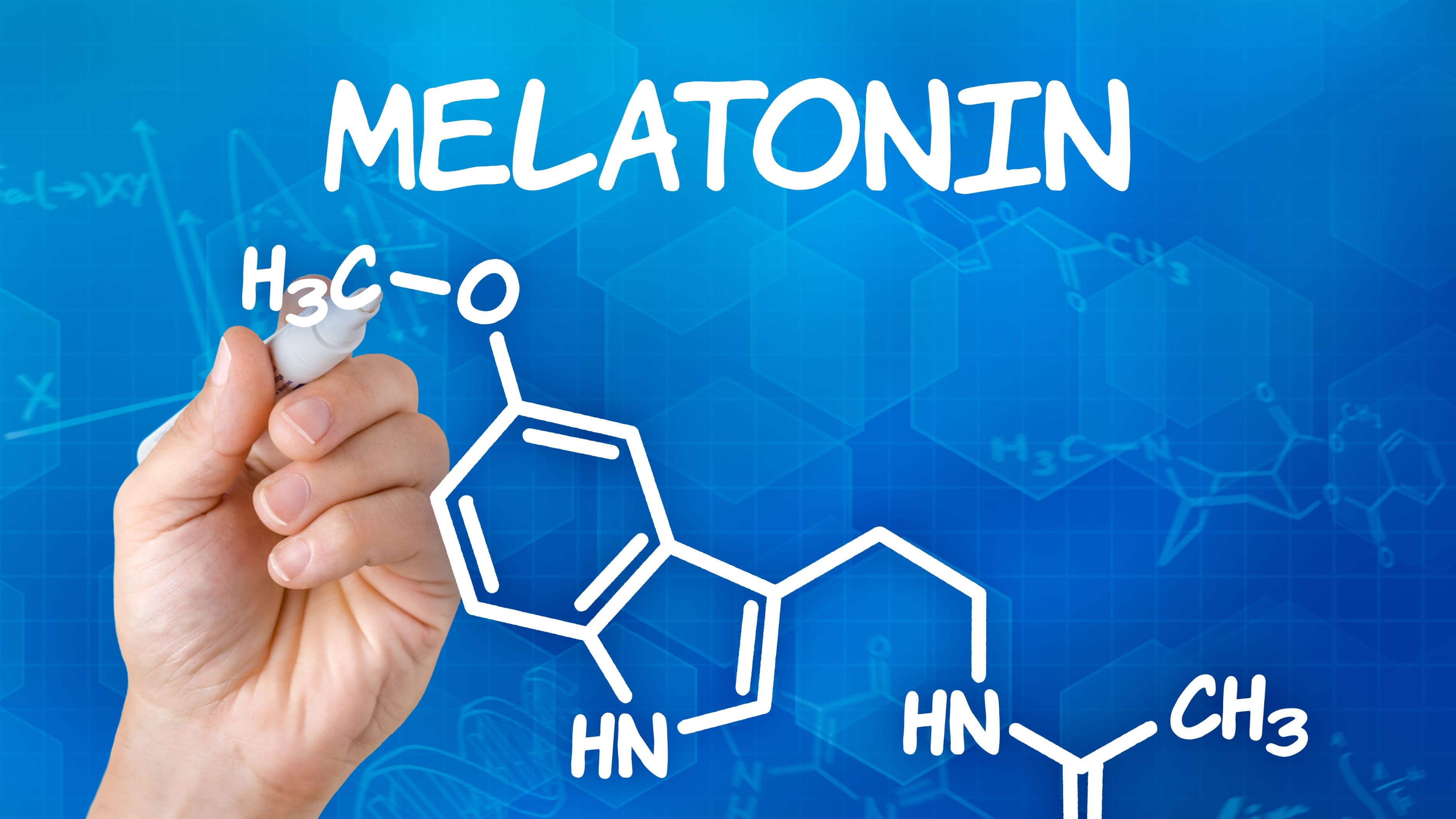
Pre-sleep cortisol is the primary modifiable variable for sleep onset and architecture quality. Light exposure after sunset – particularly blue-spectrum light from screens – suppresses melatonin production and delays circadian phase. Evening cortisol elevation from late training, caloric stress, or psychological arousal delays sleep onset and fragments early sleep cycles. A structured wind-down protocol that addresses light, temperature, eating timing, and psychological decompression is not optional – it is the upstream determinant of the sleep quality your wearable eventually measures.
What Doesn't Work
Caffeine offsets perceived sleepiness by blocking adenosine receptors but does not eliminate the underlying adenosine accumulation or the neurocognitive deficits associated with it. You feel more alert; you are not performing more accurately. Research consistently shows caffeine fails to restore PVT performance to well-rested baseline even at doses that fully suppress subjective sleepiness. It is a masking agent, not a corrective one.
Short naps provide modest cognitive benefits – 10–20 minute naps in the early afternoon have legitimate evidence behind them for acute performance restoration. They do not meaningfully offset chronic structural sleep debt and can disrupt nighttime sleep quality if timed poorly (after 3 PM) or extended beyond 30 minutes.
Alcohol is commonly used as a sleep aid and consistently produces the opposite effect on sleep quality. While it accelerates sleep onset, it suppresses REM sleep in the first half of the night and causes rebound fragmentation in the second half. Net effect on recovery and hormonal output is negative at virtually every dose. The research here is unambiguous.
FAQ
How do I know if my sleep debt is affecting my testosterone? The most direct signal is tracking free testosterone against sleep duration over a sustained period. Morning testosterone is highest after adequate sleep; restriction of even a single week shows measurable suppression in clinical studies. Symptoms of low-normal testosterone – reduced motivation, slower recovery, reduced libido, increased body fat despite controlled diet – in the absence of other pathology should prompt a hard look at sleep duration before considering hormonal interventions.
Is there a minimum sleep threshold where cognitive performance doesn't degrade? Individual variation exists, but the evidence does not support the existence of a population of true "short sleepers" who thrive on less than 6 hours. Genetic mutations in the DEC2 gene (p.Tyr362His) enable genuine short sleep in a small subset of the population – estimated at well under 1% – but the overwhelming majority of people who believe they function optimally on 5–6 hours are adapted to chronic impairment, not genetically exempt from it.
Can you build a sleep deficit over years, and does it permanently affect cognition? Acute cognitive deficits from sleep restriction are fully reversible with adequate recovery sleep. There is emerging evidence that chronic, severe, long-term sleep deprivation may accelerate Alzheimer's-related pathology – specifically beta-amyloid and tau accumulation – through impaired glymphatic clearance, which operates predominantly during slow-wave sleep. The evidence for permanent structural damage from moderate chronic restriction in otherwise healthy adults is less settled, but the risk profile warrants taking seriously.
Does napping count toward daily sleep totals? Partially. Naps do accumulate sleep stages and reduce adenosine pressure, but they deliver proportionally less slow-wave sleep than nocturnal sleep and do not replicate the full hormonal pulsatility that occurs during consolidated nighttime sleep. A 20-minute nap does not offset 20 minutes of lost nighttime sleep on a one-to-one basis.
The Bottom Line
Six hours is not enough for virtually anyone. The perception that you've adapted is not evidence that you have – it's evidence that the neural structures responsible for accurate self-assessment are the first to degrade. The cost is distributed across cognitive throughput, hormonal output, recovery capacity, and emotional regulation simultaneously, and most of it doesn't appear in your wearable data or your subjective assessment.
If you are serious about performance optimization, sleep duration and architecture are upstream of every other variable you're tracking – training, nutrition, supplementation, or otherwise. The returns on adding 60–90 minutes of quality sleep per night consistently outperform any single-variable intervention in the performance stack.
📚 Sources
Van Dongen HPA et al. – The Cumulative Cost of Additional Wakefulness (Sleep, 2003): https://academic.oup.com/sleep/article/26/2/117/2709256
Leproult R, Van Cauter E – Effect of 1 Week of Sleep Restriction on Testosterone Levels (JAMA, 2011): https://jamanetwork.com/journals/jama/fullarticle/1029127
Mah CD et al. – The Effects of Sleep Extension on the Athletic Performance of Collegiate Basketball Players (Sleep, 2011): https://academic.oup.com/sleep/article/34/7/943/2596050
Harrison Y, Horne JA – The Impact of Sleep Deprivation on Decision Making (Journal of Sleep Research, 2000): https://onlinelibrary.wiley.com/doi/10.1046/j.1365-2869.2000.00234.x
Walker MP – Why We Sleep: The New Science of Sleep and Dreams (scientific citations): https://www.sleepdiplomat.com
Xie L et al. – Sleep Drives Metabolite Clearance from the Adult Brain (Science, 2013): https://www.science.org/doi/10.1126/science.1241224
Pilcher JJ, Huffcutt AI – Effects of Sleep Deprivation on Performance: A Meta-Analysis (Sleep, 1996): https://academic.oup.com/sleep/article/19/4/318/2749692
🔍 Explore Related Topics
Best sleep tracking devices compared: Oura vs WHOOP vs Garmin
How cortisol dysregulation affects body composition