
This isn't a surface-level overview. This is the mechanism, the evidence, and the specific parameters that determine whether your sessions are moving the needle on recovery or just running up your electricity bill.
The Mechanism: Why Light Affects Muscle Tissue at All
Red and near-infrared (NIR) light in the 630–850nm range interacts with cytochrome c oxidase (CCO), the terminal enzyme in the mitochondrial electron transport chain. CCO contains copper centers that absorb photons in these specific wavelengths, which temporarily disengages nitric oxide (NO) from the enzyme – NO normally competes with oxygen for binding sites and acts as a mild inhibitor of mitochondrial respiration under inflammatory conditions.
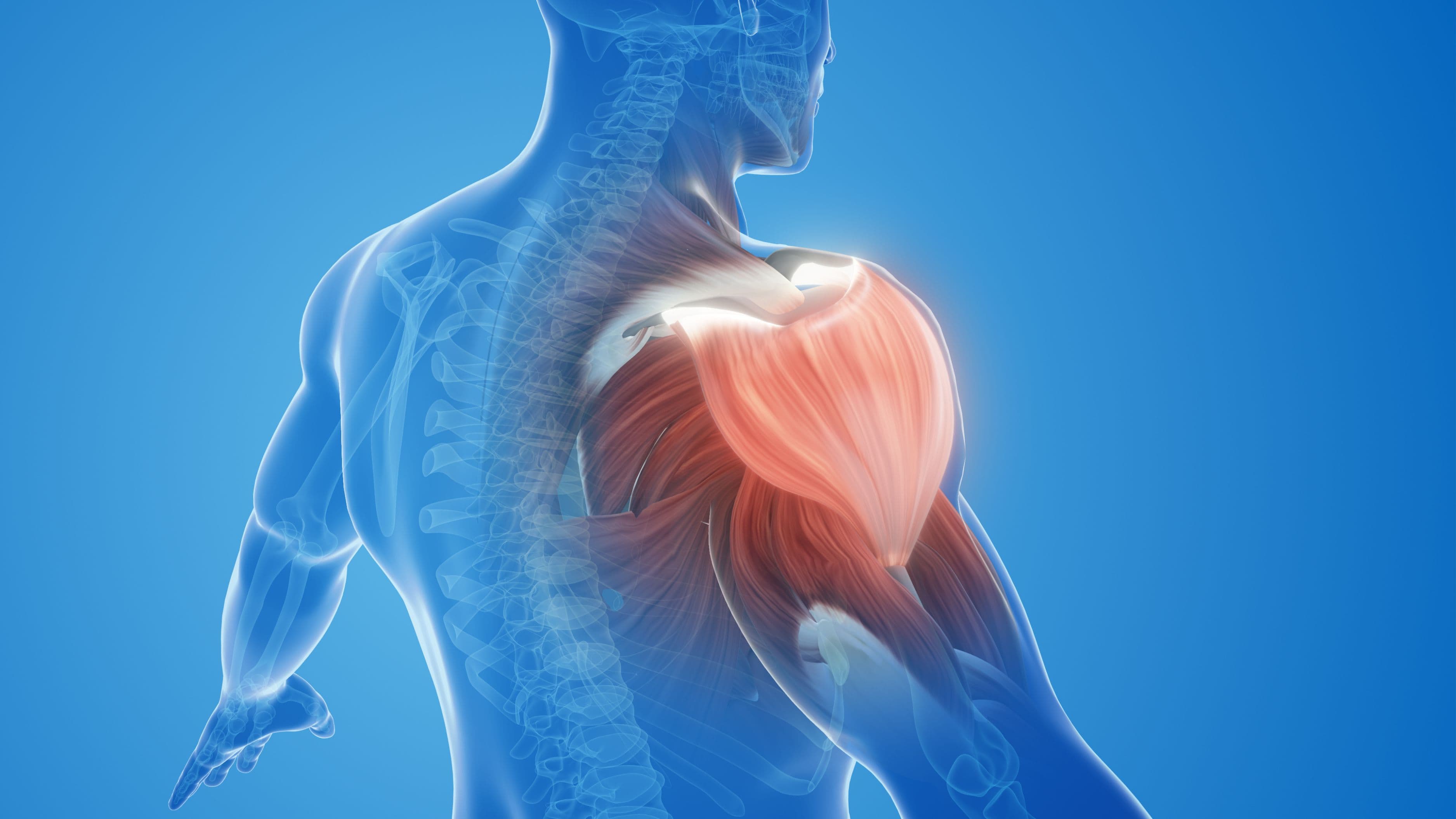
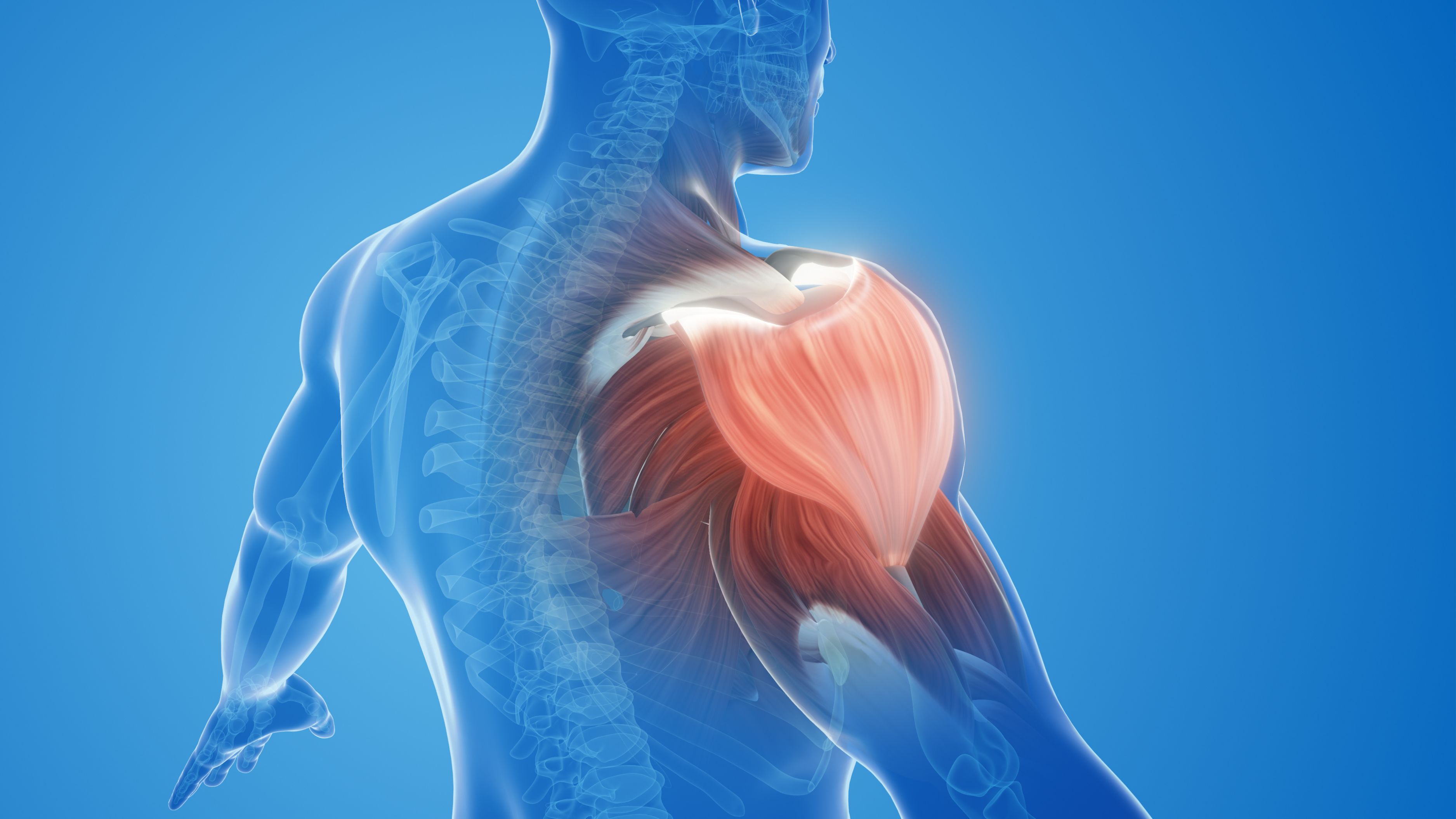
When that NO is displaced, oxygen uptake at the mitochondria increases, ATP synthesis accelerates, and cellular energy production ramps up. The downstream effects include upregulated production of reactive oxygen species (ROS) at sub-toxic levels – which serve as signaling molecules triggering antioxidant defense systems, anti-inflammatory pathways, and growth factor expression. In skeletal muscle tissue, this translates to faster clearance of exercise-induced oxidative stress, reduced inflammatory cytokine activity, and enhanced satellite cell proliferation – the cells responsible for muscle fiber repair and remodeling.
The key insight is that this is a photochemical reaction, not a thermal one. The light itself is doing the work at the molecular level, not heat. Which means dosing parameters – wavelength, irradiance, session duration, and timing – determine the magnitude and quality of that photochemical response.
The Biphasic Dose Response: More Is Not More
The most important concept in red light therapy dosing is the Arndt-Schulz curve applied to photobiomodulation: low to moderate doses stimulate cellular activity, while high doses inhibit it. This is the biphasic dose response, and it's consistently demonstrated in the research literature.
At sub-threshold doses, there is insufficient photon absorption to trigger a meaningful CCO response. At optimal doses, cellular energy production and downstream signaling are enhanced. At supraphysiological doses, the opposite occurs – excessive ROS generation overwhelms the mitochondria's capacity to respond adaptively, CCO activity is suppressed, and you can end up with an inhibitory effect on the very cellular processes you're trying to upregulate.
In practical terms, this means there's a sweet spot – typically expressed as a range of energy density (joules per square centimeter, J/cm²) at the tissue level – and exceeding it does not continue to provide proportional benefits. A 2016 review by Huang et al. in Dose-Response catalogued this effect across multiple tissue types and concluded that the biphasic response is a consistent feature of photobiomodulation across wavelengths, not an anomaly. For muscle tissue specifically, the effective dose range for stimulatory effects on repair and mitochondrial function tends to fall between 3–10 J/cm² at the tissue level, with the inhibitory range beginning somewhere above 20–30 J/cm² depending on wavelength and tissue depth.
Dosing Variables: What You're Actually Controlling
Understanding that dose matters is step one. Knowing how to calculate and control your dose in a real-world setting is where most protocols fall apart.
Wavelength. For muscle recovery specifically, 660nm (red) penetrates to roughly 5–10mm, making it most relevant for superficial muscle tissue and skin-adjacent structures. 810–850nm (NIR) penetrates considerably deeper – up to 30–40mm in tissue, which puts it in range of larger muscle bellies and joints. For deep muscle groups like the quads, hamstrings, and glutes, NIR is the operative wavelength. A panel that outputs both 660nm and 810–850nm simultaneously is appropriate for full-spectrum coverage. Single-wavelength red-only devices are significantly limited for deeper muscle repair applications.
Irradiance (power density). Measured in milliwatts per square centimeter (mW/cm²) at the treatment surface, irradiance is the rate of energy delivery. Higher irradiance means more photons delivered per second, which reduces the time required to reach a target dose but also increases the risk of exceeding optimal dosing if session duration isn't calibrated accordingly. Most consumer panels produce 50–150 mW/cm² at 6 inches. At this range, a 10-minute session at 100 mW/cm² delivers 60 J/cm² at the surface – which sounds high, but tissue absorption, reflection, and depth attenuation reduce the actual dose at the target muscle to a fraction of that surface figure.
Treatment distance. Irradiance follows the inverse square law – double the distance from the panel and you quarter the irradiance. At 6 inches from a 150 mW/cm² panel you're receiving substantially more energy per second than at 18 inches. Most protocols recommend 6–12 inches for muscle recovery applications, with consistent positioning being as important as the nominal distance.
Session duration. Given irradiance and distance, session duration is the variable that most directly controls delivered dose. For a 100 mW/cm² panel at 6 inches targeting deep muscle tissue, sessions of 10–20 minutes cover the clinically studied range. The common mistake is extending sessions under the assumption that more time equals more benefit. Given the biphasic response, a 30-minute session at high irradiance may move you into the inhibitory range at the surface even if deeper tissue dosing remains within the stimulatory window.
Frequency. Cellular recovery mechanisms require time. Daily sessions are supported in some recovery contexts, but the research on muscle repair specifically suggests that 5–7 sessions per week may not provide additional benefit over 3–5 sessions per week when the per-session dose is optimized. There is evidence that daily sessions accelerate recovery during high training volume periods, but rest days from light therapy, like rest days from training, may serve a purpose.
What the Evidence Actually Shows for Muscle Repair
Several well-controlled human trials have examined red light therapy timing and dose relative to muscle recovery outcomes. The findings are useful – but require careful reading.
A 2016 randomized controlled trial published in Lasers in Medical Science by Baroni et al. found that NIR therapy (830nm, 100mW, 10J per point) applied prior to eccentric exercise significantly reduced markers of muscle damage (CK and LDH), reduced DOMS at 24 and 48 hours post-exercise, and preserved strength performance better than sham treatment. The timing – pre-exercise application – is notable and aligns with a hypothesis that pre-conditioning mitochondria before the damaging stimulus limits the degree of damage rather than only accelerating repair post-damage.
A 2011 meta-analysis by Leal Junior et al. in the European Journal of Applied Physiology covering 13 randomized trials found consistent positive effects of low-level laser therapy on post-exercise recovery, particularly for reducing delayed onset muscle soreness and inflammatory markers. Effective doses in the reviewed trials ranged from 0.5–4J per point using cluster probes, which aligns with the lower end of the stimulatory range.
A 2014 study by Ferraresi et al. in Photomedicine and Laser Surgery directly compared pre- and post-exercise photobiomodulation in resistance-trained athletes and found both timing protocols superior to placebo, with pre-exercise application producing slightly better outcomes on strength maintenance – though the difference was not always statistically significant across all outcomes measured.
The overall picture from the research: photobiomodulation in the 630–850nm range, delivered at appropriate doses, reliably reduces inflammatory markers and DOMS while supporting strength retention during recovery. It does not appear to replace adaptive stress responses to training – it reduces the collateral damage and accelerates the return to baseline without blunting the hypertrophic signal.
Protocol: Application for Muscle Recovery
For acute recovery after high-volume or high-intensity training:
Apply 660nm/850nm combined output at 6–10 inches from the treatment surface for 10–15 minutes per major muscle group. For full-body post-training application across quads, hamstrings, glutes, and back, a full-body panel reduces session time significantly versus targeting each zone individually. Apply within 4 hours post-training for maximal effect on inflammatory markers. Morning-after application at 48 hours also shows benefit for DOMS reduction.
For pre-exercise conditioning:
Apply the same wavelength and distance parameters 5–15 minutes pre-training. Some practitioners report improved intraworkout performance and reduced post-session soreness with pre-conditioning. Dose conservatively here – 6–10 minutes at moderate irradiance – since you are not targeting damaged tissue but rather pre-conditioning mitochondria ahead of a metabolic challenge.
For chronic recovery support during high training blocks:
Daily application on training days, with or without application on rest days depending on overall soreness and training load. Consistent 10–15 minute full-body sessions are the pragmatic standard. Assess response over 3–4 weeks – the effects on recovery speed are cumulative, not just acute.
Devices: What Actually Matters at the Hardware Level
The consumer red light therapy market is flooded with underpowered devices marketed with unsupported claims. The variables that determine whether a device can deliver a clinically relevant dose are straightforward.
Irradiance output should be independently verified, not just stated on a spec sheet. Look for devices that have published third-party spectral measurements or that reference specific irradiance at defined distances. Any panel claiming 300+ mW/cm² at 6 inches from an LED array warrants skepticism without supporting data.
Wavelength specificity matters. Panels emitting a mix of 660nm and 810–850nm cover both the visible red and NIR windows most relevant to muscle recovery. Devices emitting only 630nm or only 850nm are partial tools. Some devices also include 830nm or 940nm, which offer different tissue penetration profiles. For muscle-specific applications, 810–850nm NIR is the priority.
Treatment area is a practical constraint. A small handheld device has a role for targeted joint or superficial tissue work. For post-training full-body muscle recovery in a time-efficient protocol, a full-body or half-body panel is the only viable option unless you're willing to spend 60+ minutes per session treating individual zones.
Limitations and Realistic Expectations
Red light therapy is a genuine recovery tool when used correctly. It is not a substitute for sleep, nutrition, or intelligent programming. The research shows statistically significant improvements in recovery markers and performance retention – it does not show dramatic transformations in muscle growth rates or injury prevention as a standalone intervention.
Skin tone and body composition affect tissue penetration. Darker skin tones absorb more photons at the surface, reducing penetration to deeper tissue. Higher adipose tissue over a target muscle increases the path length light must travel. Neither factor eliminates benefit, but both are relevant when calibrating session parameters for individuals with different body compositions.
The research base for photobiomodulation is growing but still lacks the depth of evidence available for more established recovery modalities. The positive trials are real, the mechanisms are biologically plausible, and the risk profile is low. That combination justifies inclusion in a recovery protocol without overstating the magnitude of effect.
FAQ
What's the minimum effective dose for muscle recovery? Based on available evidence, 4–6 J/cm² at the tissue level is considered a minimum effective dose for stimulating meaningful cellular response in muscle tissue. At typical consumer panel irradiance (50–100 mW/cm² at treatment distance), this translates to roughly 5–15 minutes per zone depending on device output and distance.
Can you use red light therapy every day? Yes, with appropriate per-session dosing. Daily use during high training volume periods is common and supported by the research for acute recovery outcomes. There is no strong evidence of harm from daily use at standard consumer panel parameters, provided session duration is not excessive.
Does red light therapy build muscle directly? No – it supports the conditions for repair and adaptation but does not replace the training stimulus required for hypertrophy. The mechanism (ATP upregulation, anti-inflammatory signaling, satellite cell proliferation support) accelerates recovery from training-induced damage rather than independently driving muscle protein synthesis.
Is NIR better than red light for deep muscle groups? For penetration depth, yes. NIR in the 810–850nm range reaches significantly deeper tissue than 660nm visible red. For large muscle groups with meaningful tissue depth, NIR is the primary active wavelength. Panels that deliver both simultaneously provide comprehensive coverage for both superficial and deeper structures.
How long before you notice results from a consistent protocol? Acute effects on DOMS and inflammatory markers appear within 24–48 hours of a properly dosed session. Cumulative effects on recovery speed and training tolerance typically become apparent after 2–4 weeks of consistent use. The effect size is more noticeable during high-volume training blocks when baseline recovery is already stressed.
Wrapping Up
Red light therapy for muscle repair is a legitimate, mechanism-supported intervention with a growing body of human trial evidence. The difference between a protocol that works and one that doesn't is almost entirely about dosing precision – wavelength selection, irradiance, distance, session duration, and timing relative to training. The biphasic dose response means that more is not more, and optimizing the stimulatory window requires actual attention to these variables rather than "stand in front of a panel for 20 minutes."
Get the dose right, apply it consistently around training, and red light therapy earns its place in a serious recovery stack.
📚 Sources
Biphasic dose response in low level light therapy – Huang et al., Dose-Response, 2009: https://www.ncbi.nlm.nih.gov/pmc/articles/PMC2790317/
NIR therapy prior to eccentric exercise and muscle damage markers – Baroni et al., Lasers in Medical Science, 2016: https://pubmed.ncbi.nlm.nih.gov/26643880/
Meta-analysis: low-level laser therapy and post-exercise recovery – Leal Junior et al., European Journal of Applied Physiology, 2011: https://pubmed.ncbi.nlm.nih.gov/20882297/
Pre vs post-exercise photobiomodulation comparison – Ferraresi et al., Photomedicine and Laser Surgery, 2014: https://pubmed.ncbi.nlm.nih.gov/25105185/
Cytochrome c oxidase as primary photoacceptor – Karu TI, IUBMB Life, 2010: https://pubmed.ncbi.nlm.nih.gov/20503438/
Photobiomodulation and skeletal muscle recovery overview – Avci et al., Seminars in Cutaneous Medicine and Surgery, 2013: https://www.ncbi.nlm.nih.gov/pmc/articles/PMC4126803/