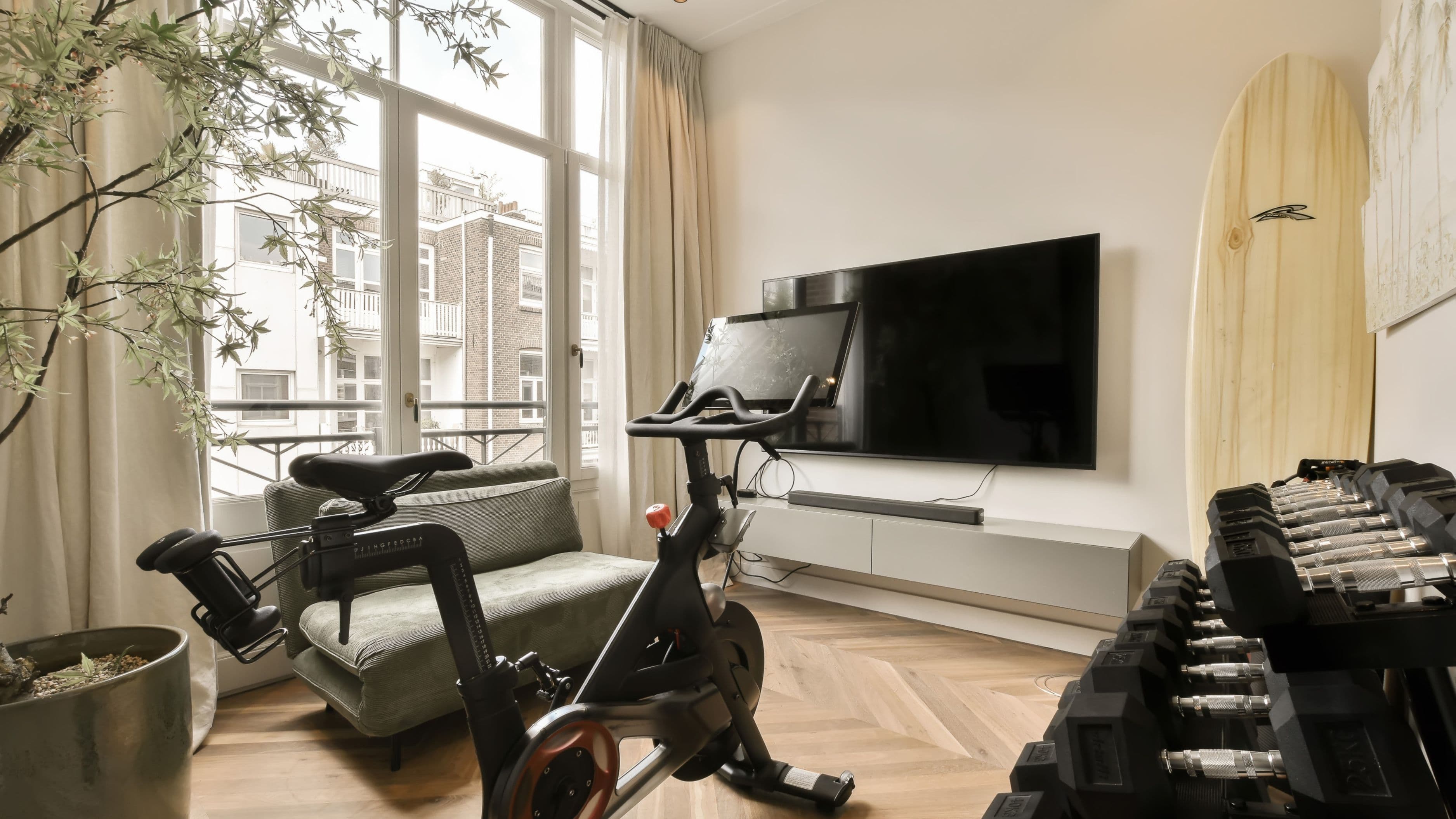

This guide covers room selection, layout principles, the equipment stack by priority tier, and the infrastructure decisions that determine whether the room actually gets used daily or becomes an expensive storage space.
Room Selection and Structural Considerations
The right room for a performance stack is not necessarily the largest available. A 10' x 12' space is functional. A 12' x 16' space is comfortable for a full stack. Beyond 200 square feet, you're managing a home gym, not a focused performance room – the distinction matters for layout and equipment prioritization.
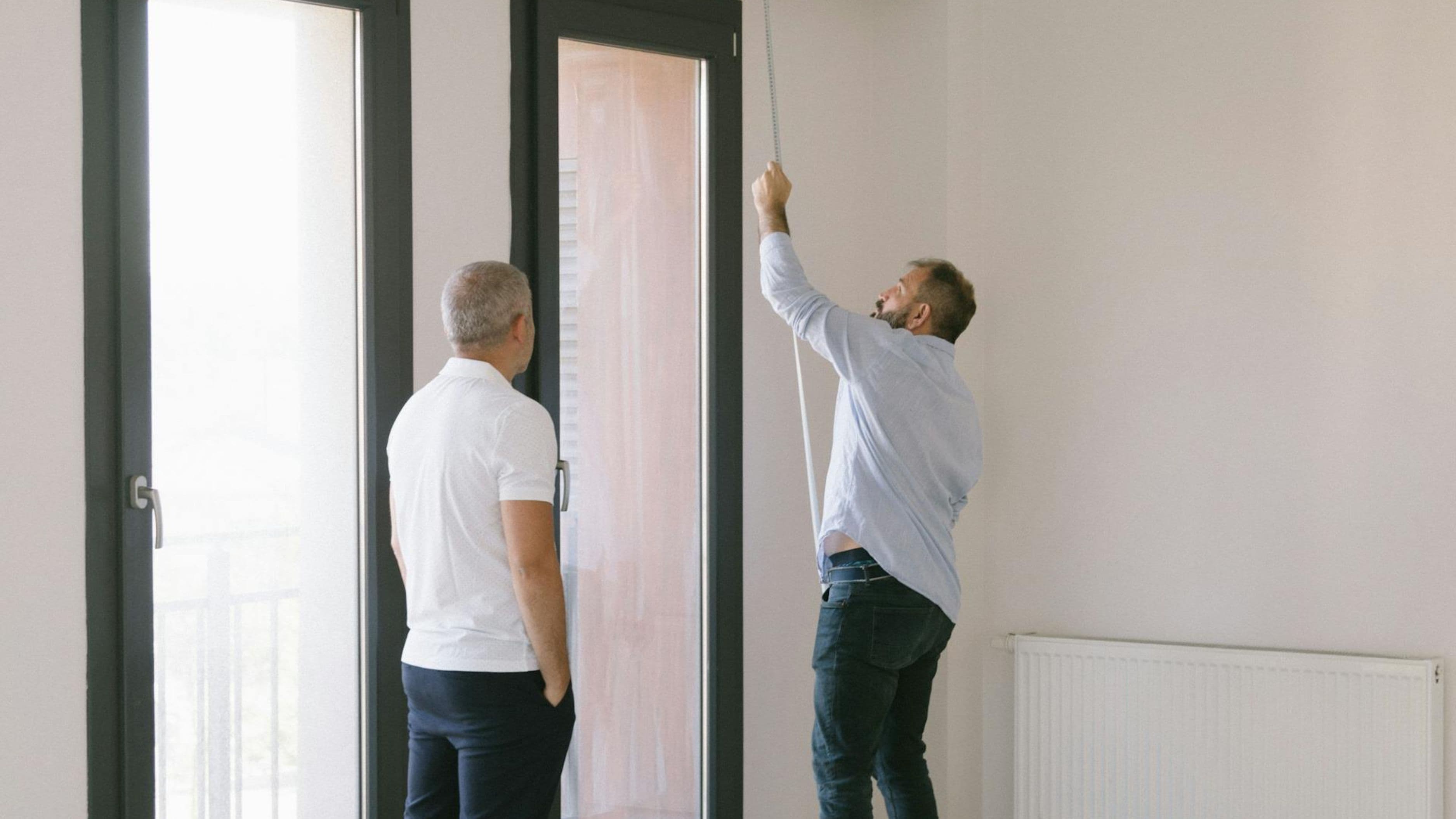
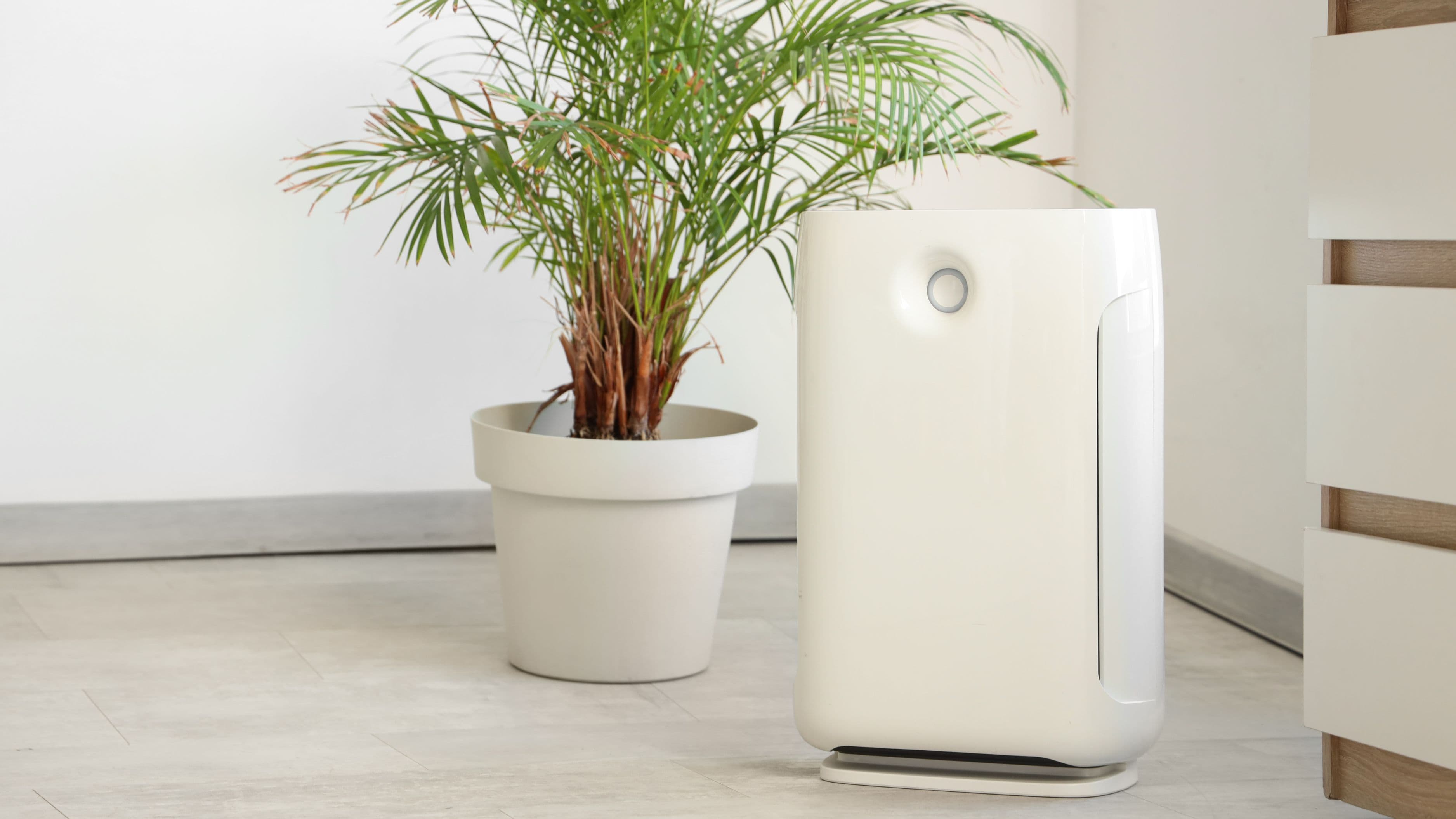
Ceiling height is the first structural constraint. A barrel sauna or infrared cabinet needs 7' minimum clearance. If you're incorporating a power rack or pull-up system, 8' is the practical floor. Anything under 7' limits your options significantly. Basements are common choices but introduce two complications: moisture and electrical load. A dehumidifier is non-negotiable in any basement performance room, and the electrical panel must be assessed before committing to the space – a full performance stack draws 30–60+ amps depending on configuration.
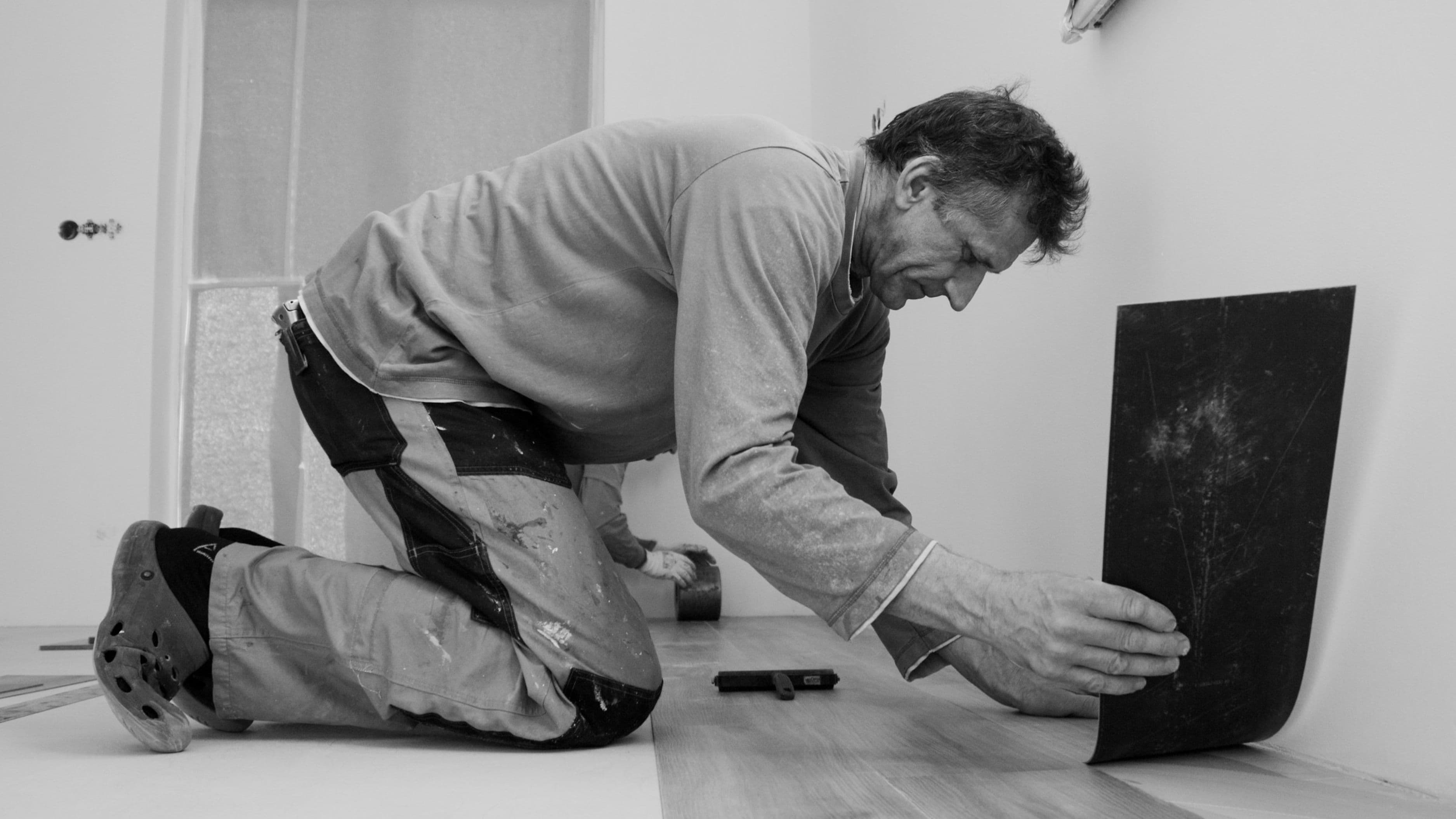
Flooring is the second structural decision. Rubber gym flooring in 3/4" thickness handles weight training loads, is easy to clean, and dampens impact noise. For any wet zone – cold plunge, drainage points – sealed concrete or waterproof vinyl under the rubber is required. Do not install rubber flooring over bare concrete in a moisture-prone basement without a vapor barrier underneath.
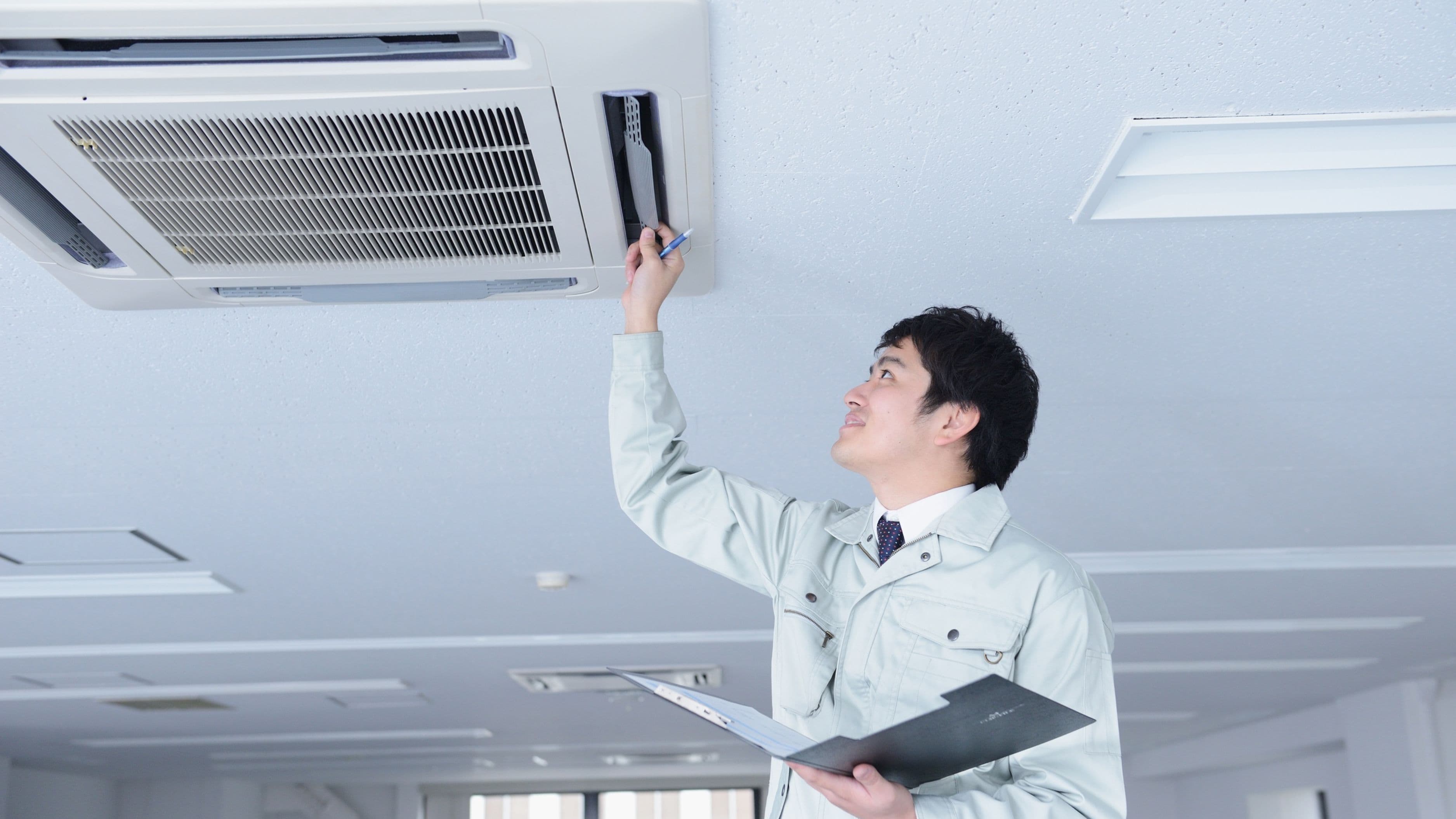
Ventilation matters more than most people account for. A sauna in a poorly ventilated room raises ambient humidity and temperature, degrading both equipment and air quality. A dedicated exhaust fan vented to the exterior, sized to the room's cubic footage, handles this. For rooms incorporating both sauna and training equipment, consider positioning them on opposite ends of the space with the exhaust point near the sauna.
Electrical Planning: Do This First
Every piece of performance equipment with a thermal component – sauna, cold plunge chiller, infrared panel array – draws significant amperage. Failing to plan electrical before equipment purchase leads to either expensive rewiring or buying equipment you can't actually run.
A two-person traditional sauna (240V) requires a dedicated 40–60A circuit. An infrared sauna typically draws 15–20A on a standard 240V circuit. A cold plunge with an active chiller runs 15–30A depending on the unit. Red light therapy panels (if wall-mounted at scale) draw 5–15A total. A half rack with cable attachment is purely mechanical – no electrical draw. A GHD, assault bike, or ski erg is self-powered.
The practical implication: a full performance stack requires 2–4 dedicated circuits beyond your room's general lighting and outlet circuits. Have an electrician assess your panel capacity before finalizing your equipment list. In many cases, upgrading a room's subpanel or running a new dedicated circuit is $300–$800 – a trivial cost relative to the equipment it enables.
The Equipment Stack: Priority Tiers
Not everything belongs in Phase 1. The stack below is organized by return on investment and recovery impact, with honest cost ranges for quality equipment rather than aspirational pricing.
Tier 1: Non-Negotiable Foundation
Cold Plunge / Ice Bath
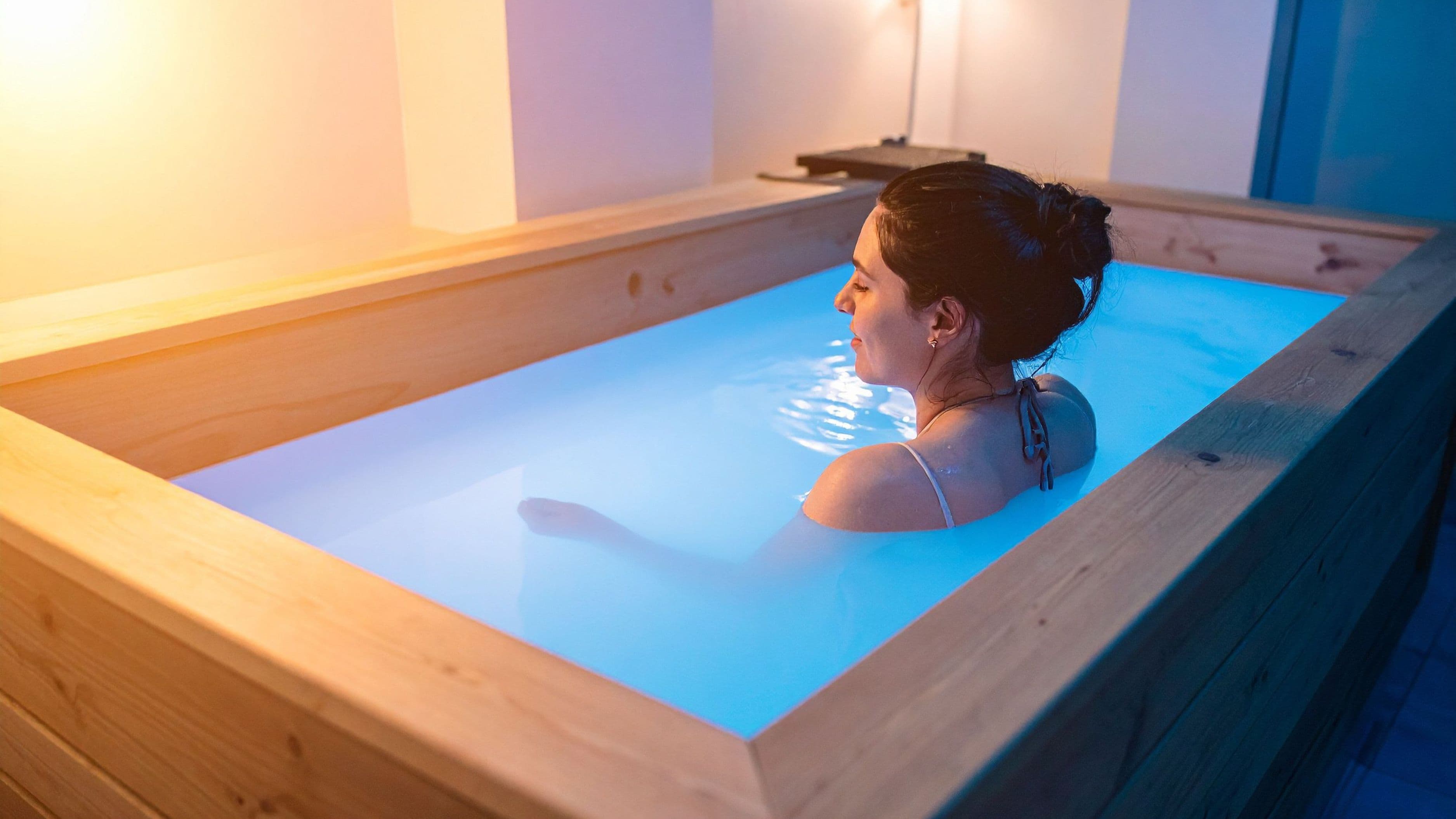
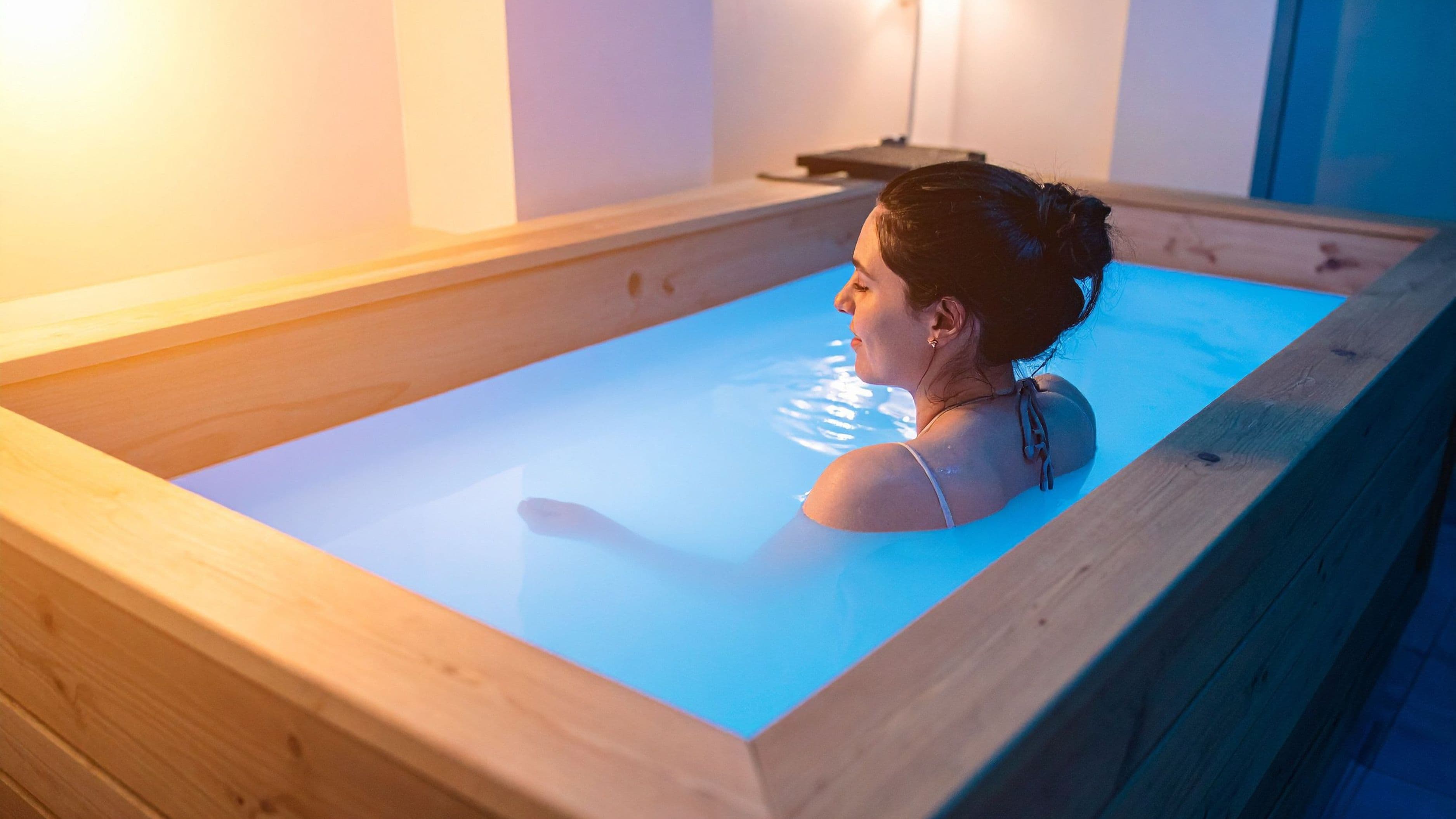
Cold water immersion is the highest-ROI recovery tool available. The mechanisms are well-established: vasoconstriction followed by vasodilation drives metabolic waste clearance from muscle tissue, norepinephrine release is substantial (up to 300% above baseline), and the parasympathetic activation post-immersion is significant for recovery quality. For testosterone-focused protocols, cold exposure acutely elevates luteinizing hormone and has demonstrated favorable effects on testicular function in animal models, with emerging human data supporting the relationship.
Equipment options split into three categories. A chest freezer conversion (100–150 quart) with a submersible pump and UV filter system runs $150–$300 in parts and holds temperature adequately in a climate-controlled room. A purpose-built passive tub (The Ice Barrel, Cold Plunge Pro basic tier) runs $800–$1,500 and adds convenience without active chilling. An active chilling unit (Plunge, Morozko Forge, BlueCube) maintains precise temperature year-round and runs $3,000–$8,000. For a performance room where daily use is the goal, an active chiller justifies its cost through eliminated ice expenditure and temperature consistency. A serious cold protocol requires 50°F or below; passive systems in warm climates or warm rooms struggle to maintain this without significant daily ice input.
Red Light Therapy Panel Array
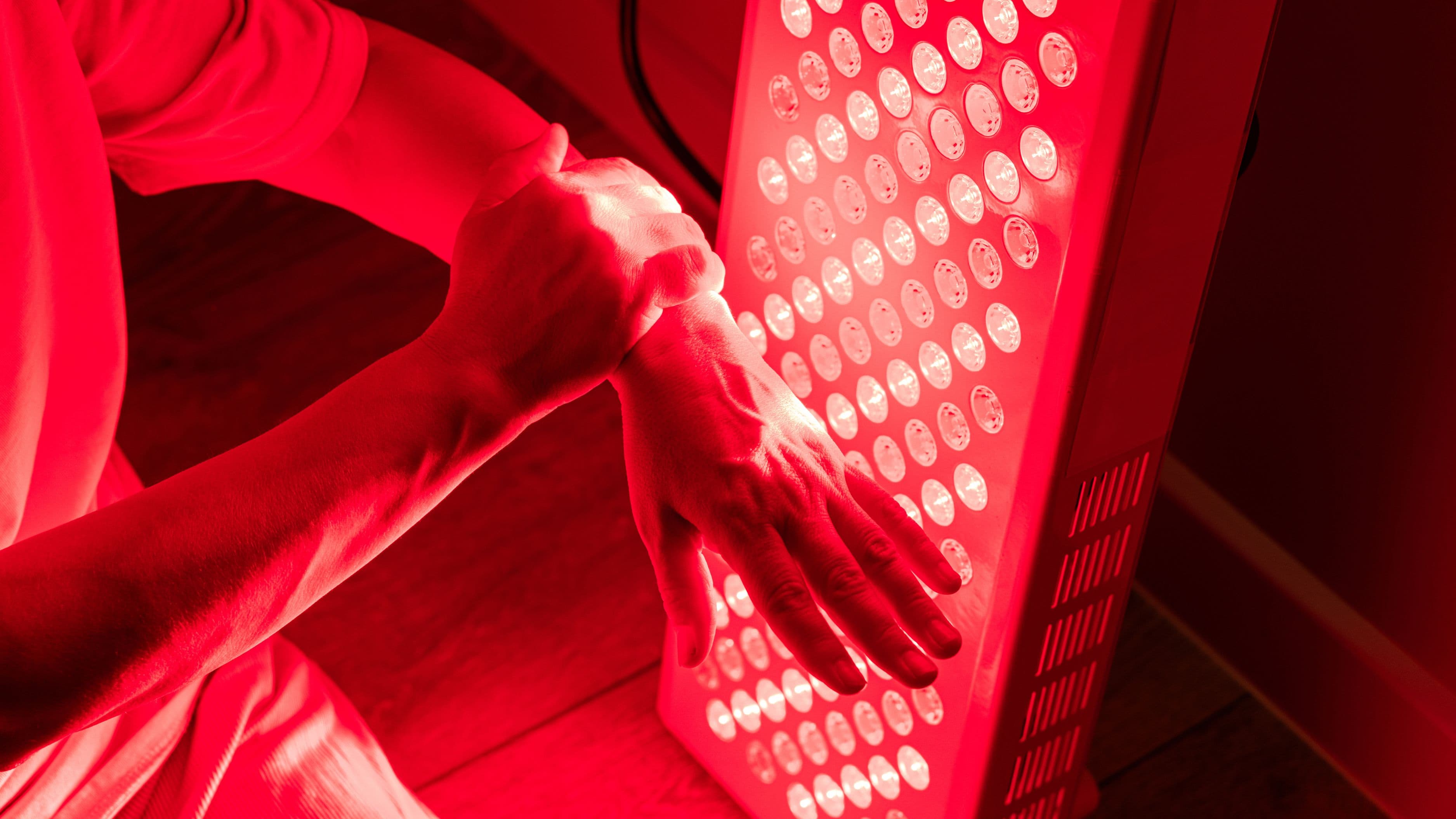
As covered in the DIY build guide, a wall-mounted 660nm/850nm panel array delivering 50–100 mW/cm² at 6–12 inches constitutes a genuine recovery and mitochondrial enhancement tool. For a performance room build, a commercial panel in the $500–$900 range (Mito Red, GembaRed, Hooga Pro series) or a DIY build at $250–$380 is the practical choice. Mount the panel on the wall opposite the cold plunge or sauna – it serves as a pre-sauna activation tool and a post-cold recovery accelerator when used in the right sequence.
Flooring and Mirror
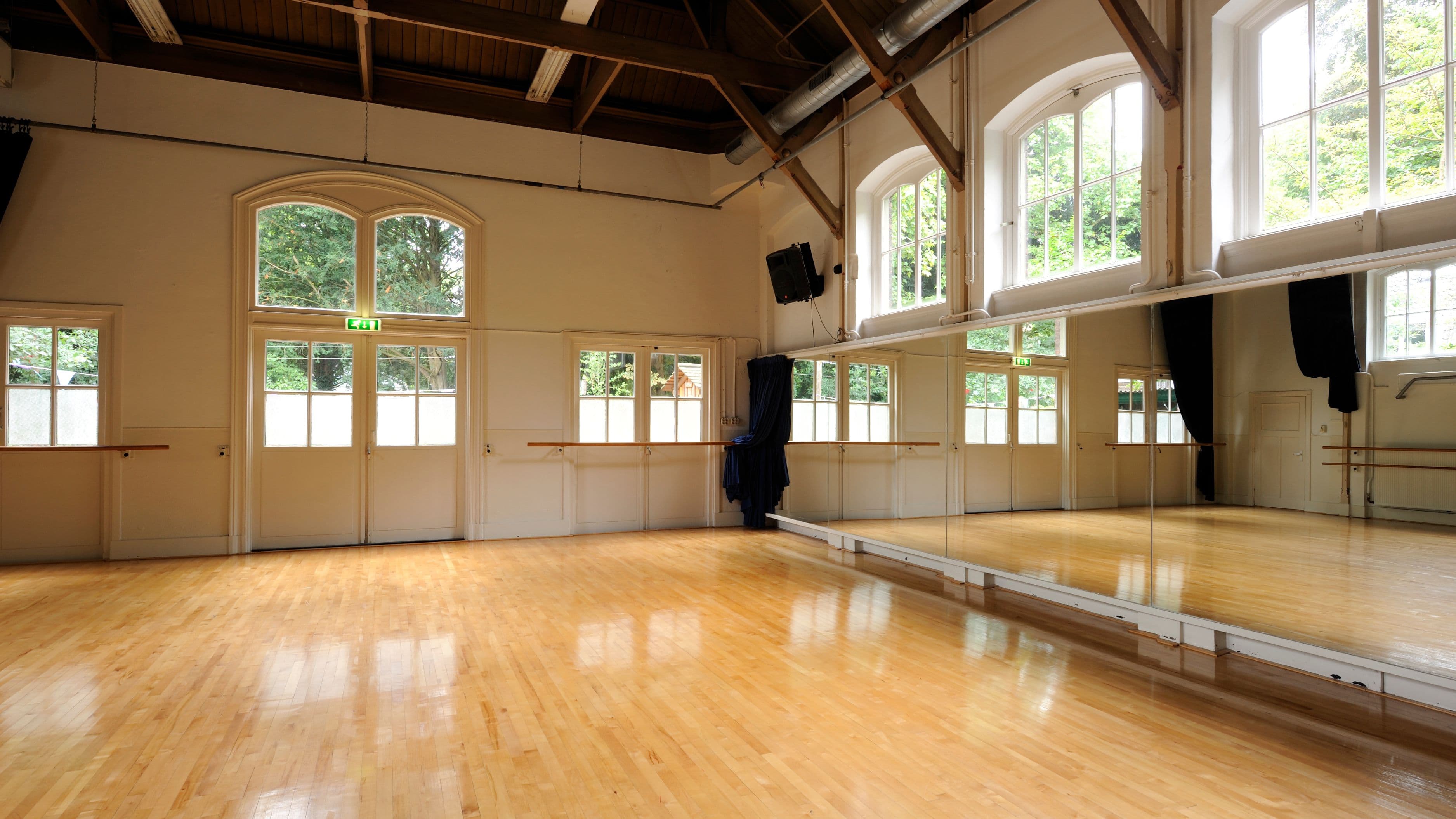
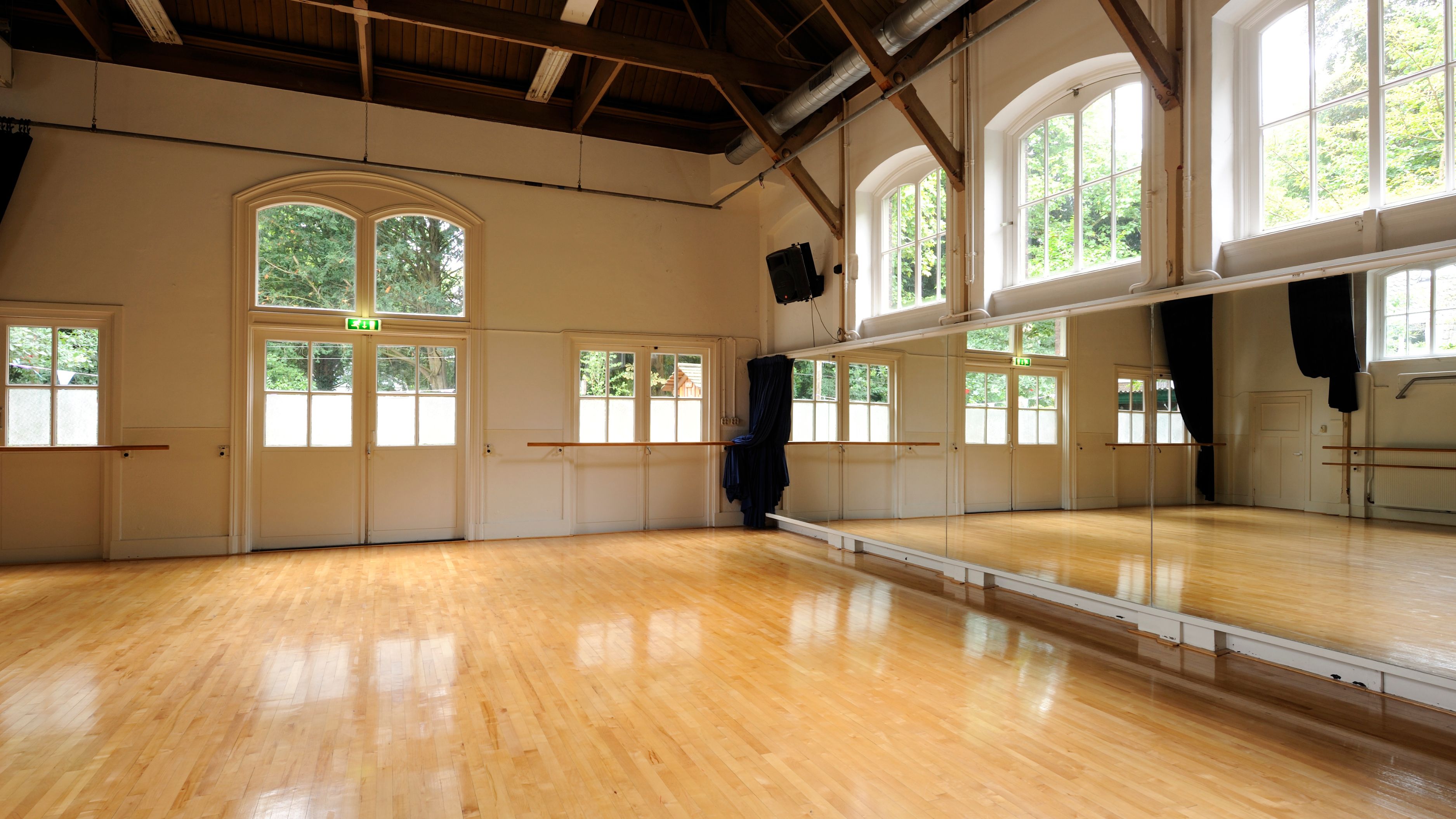
Full-length mirrors on one wall serve dual function: movement quality feedback during training and optical space expansion in smaller rooms. Rubber flooring in 3/4" thickness for the full room footprint. These are infrastructure, not equipment – they belong in Phase 1 regardless of budget.
Tier 2: High-Return Additions
Sauna
The longevity and cardiovascular data on regular sauna use is among the strongest in the thermal modality literature. The Laukkanen et al. data from the Finnish cohort studies – covering 2,315 men over 20+ years – found 4–7 sessions per week associated with a 40% reduction in all-cause mortality and a 50% reduction in cardiovascular mortality. Heat shock protein upregulation, growth hormone release (up to 16-fold in some protocols), and neurological benefits via BDNF elevation are well-documented mechanisms.
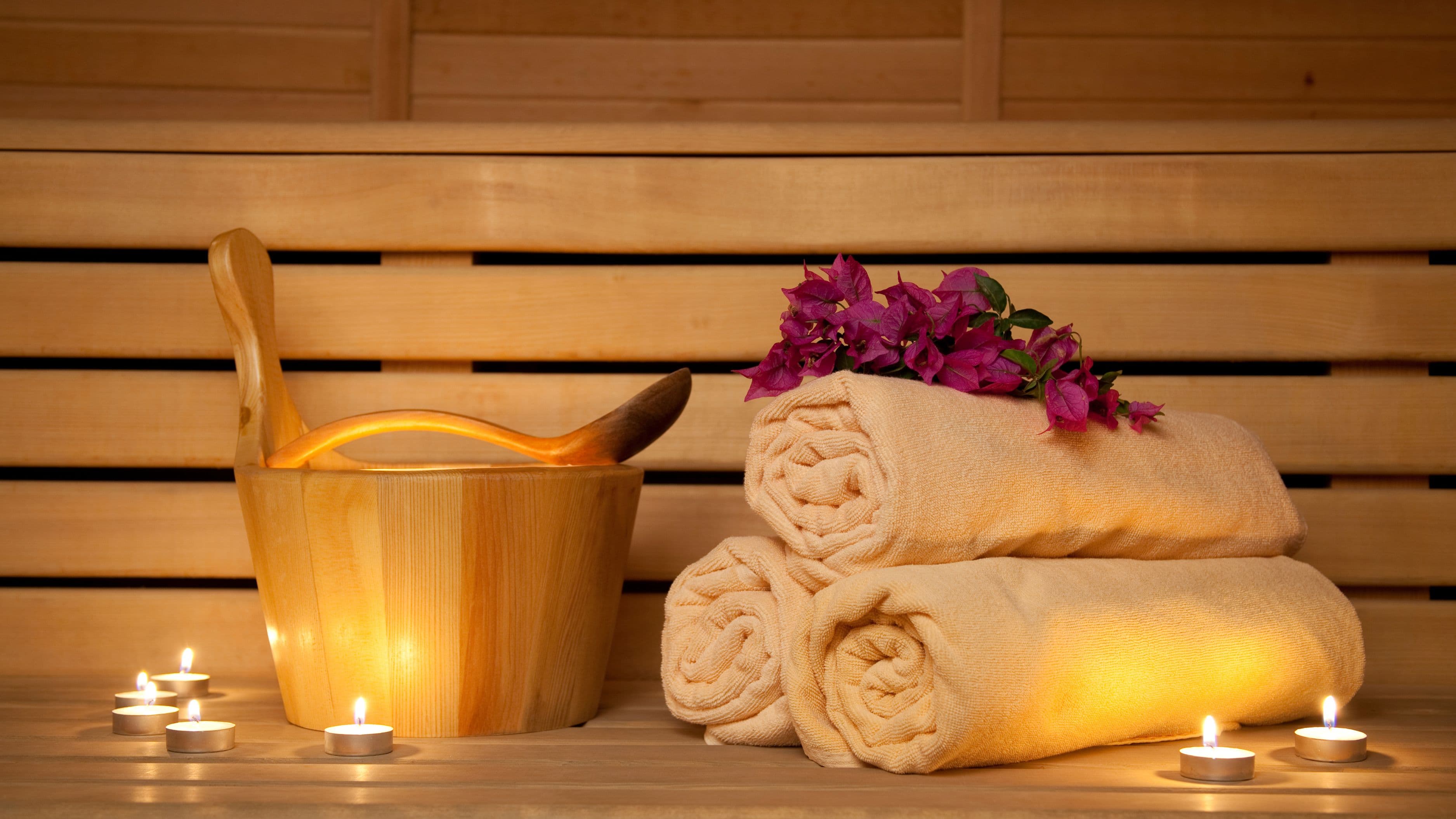
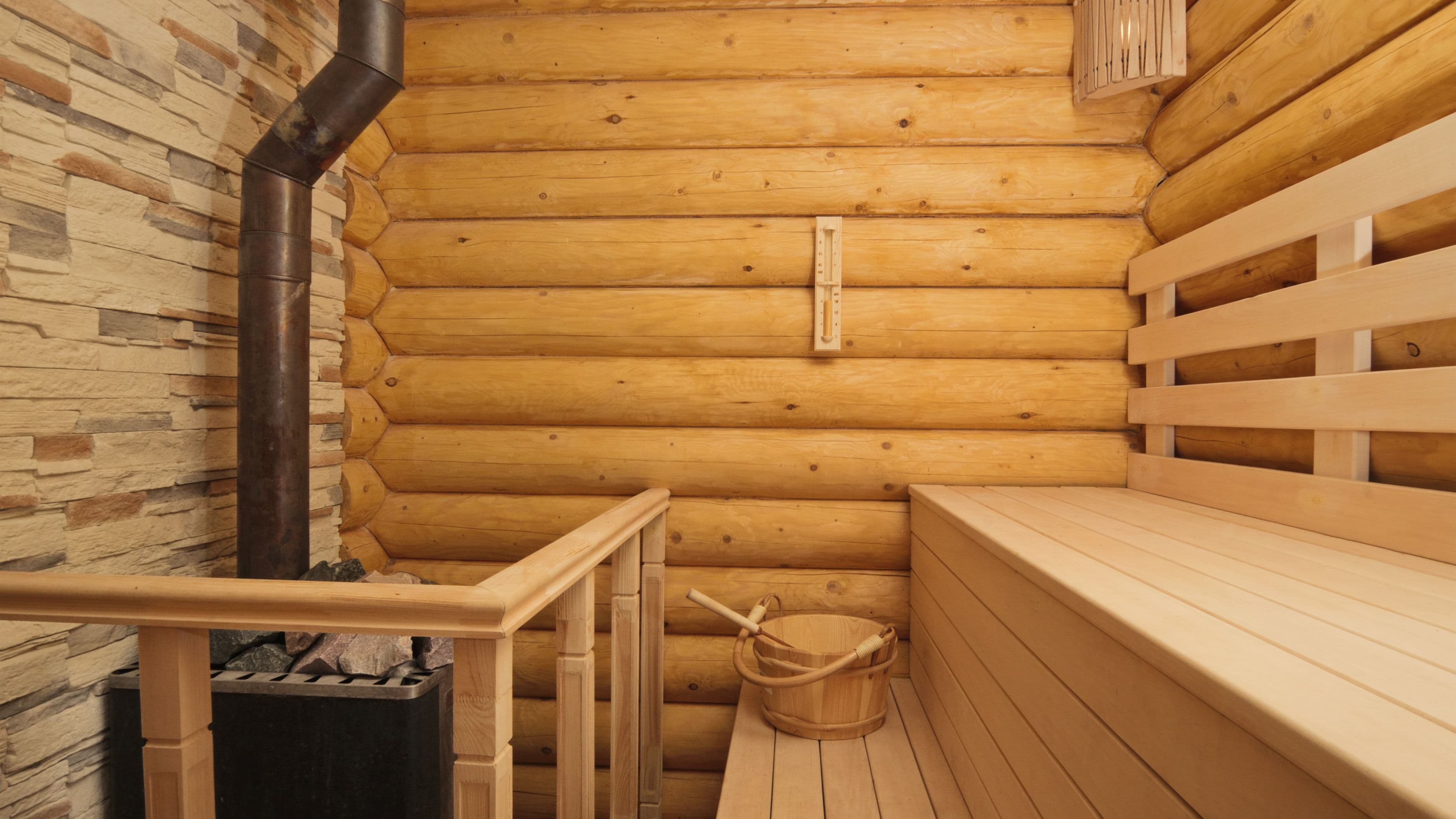
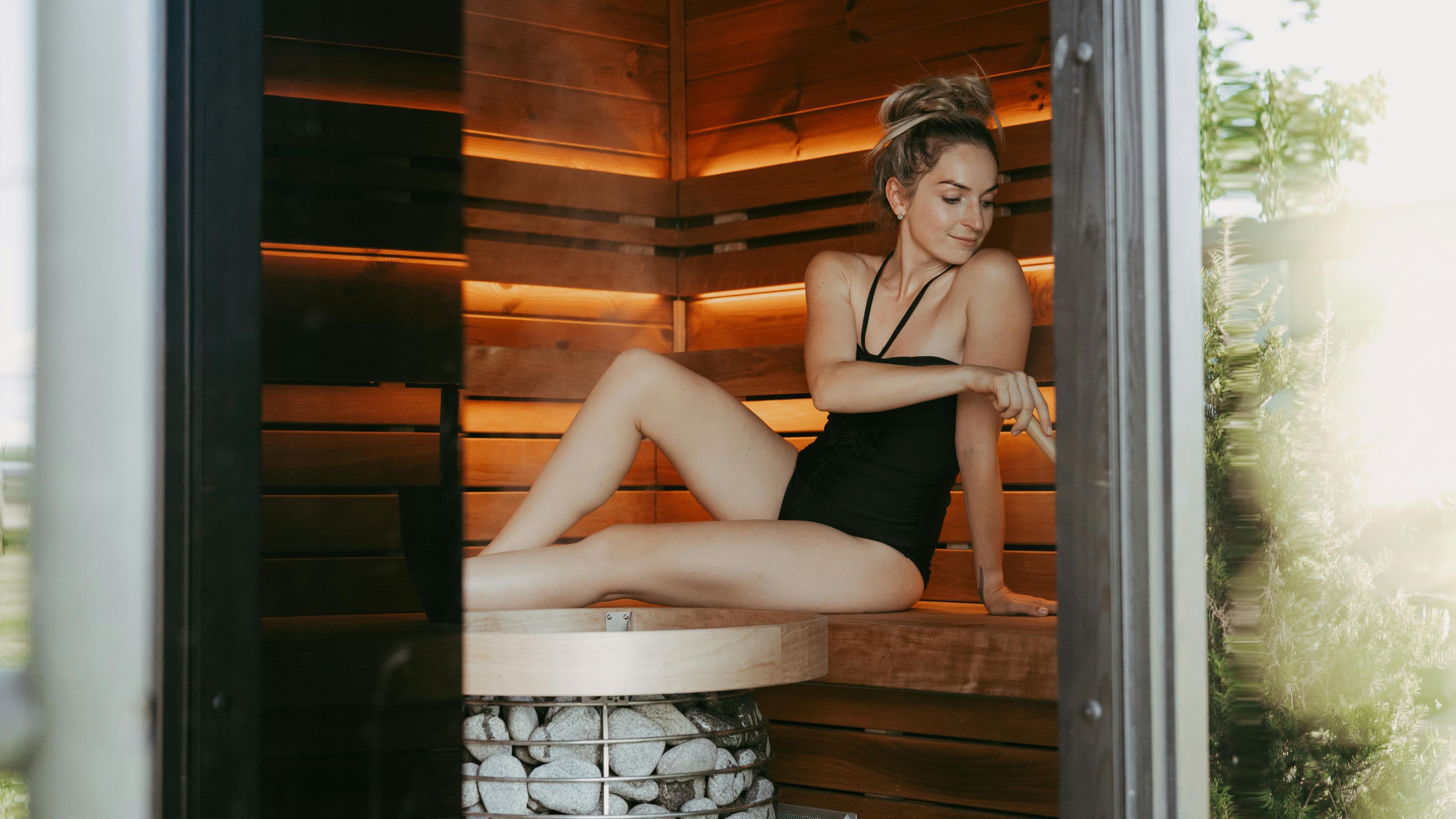
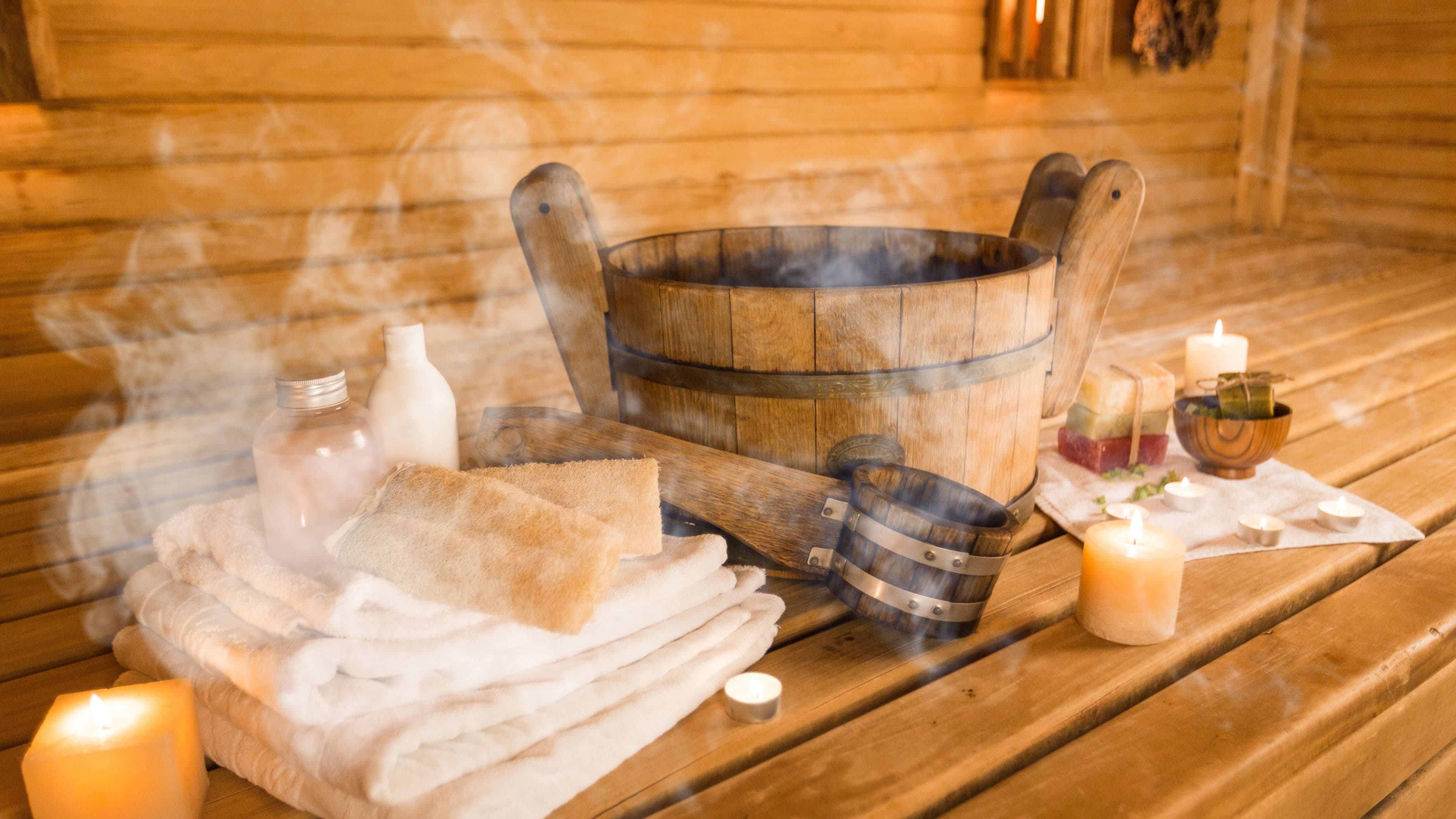
For a home installation, the choice is between traditional (Finnish-style, electric heater) and infrared (far infrared or near-infrared panels). Traditional saunas reach 180–200°F and produce the robust cardiovascular and hormonal response seen in the research. Infrared saunas operate at 120–150°F with longer session times and a different thermal stress profile – they are not equivalent in mechanism or outcome to traditional saunas, though they offer real benefits. For a performance room where outcome data matters, a traditional electric sauna is the priority.
A 2-person barrel sauna or indoor cabin sauna from a quality manufacturer (Almost Heaven, Finlandia, SaunaSpace for infrared) runs $1,500–$4,000 installed. A custom-built cedar sauna room for a dedicated corner of the space can be done for $2,000–$5,000 with some construction competency. A high-quality indoor infrared cabinet runs $1,000–$2,500.
Assault Bike or Ski Erg
A conditioning tool that delivers high-intensity cardiovascular stimulus without the joint loading of running belongs in every performance room. The Assault AirBike and Concept2 SkiErg are the two best options in this category. Both are durable, purely mechanical (no electrical required), and capable of delivering VO2max-level stimulus in short intervals. For conditioning protocols that support hormone optimization – specifically the cortisol-insulin axis management that comes from high-intensity interval training – either piece covers the requirement.
The Assault Bike has a higher total-body demand (arms and legs simultaneously) and is more metabolically brutal at equivalent perceived effort. The SkiErg develops the posterior chain and shoulder girdle in a pattern the bike doesn't. If space allows, both are justified. If choosing one, the Assault Bike covers more ground.
Tier 3: Optimization Layer
Half Rack with Cable Attachment
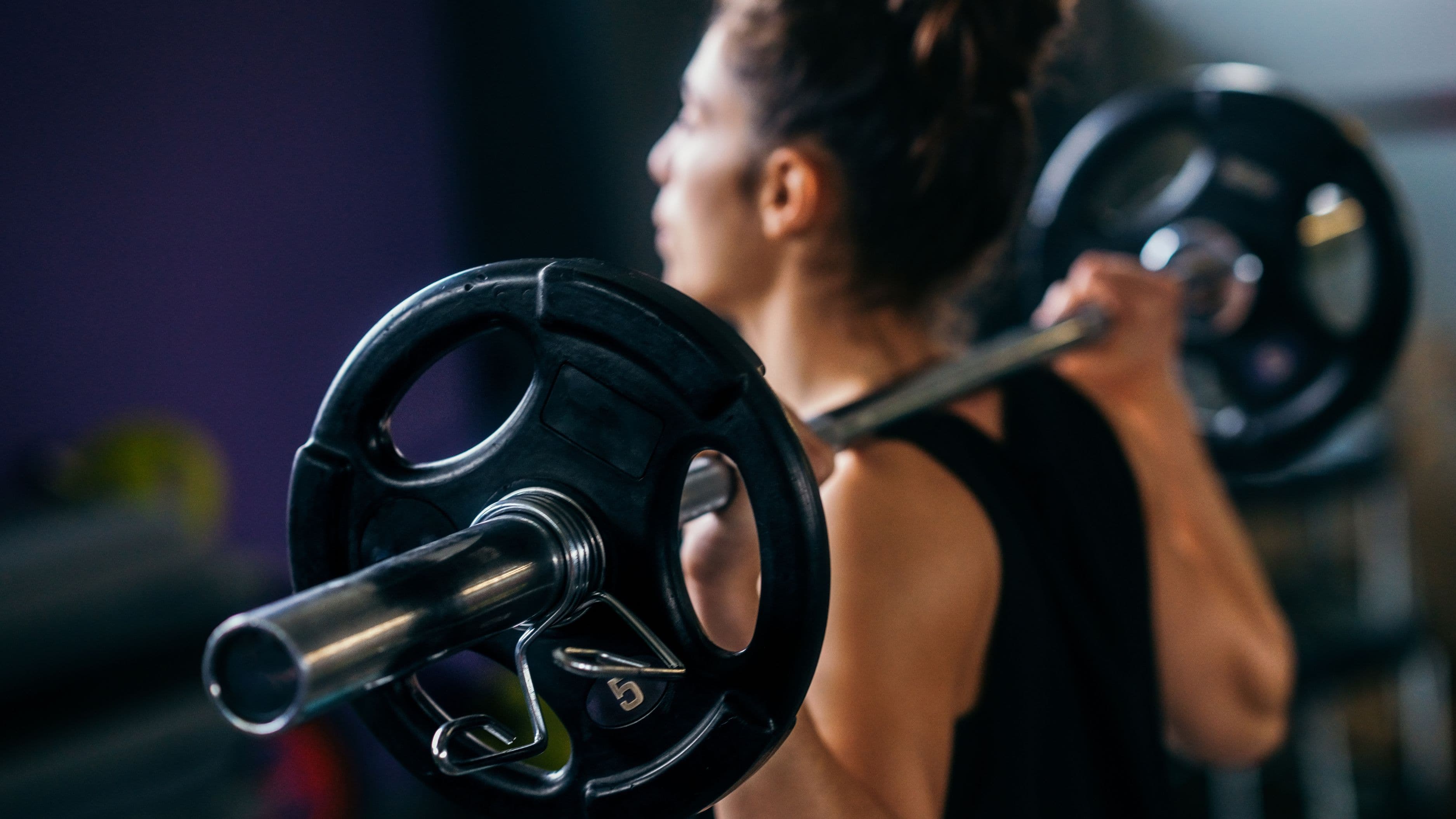
A half rack with a cable column attachment (Rogue, Titan, REP Fitness) transforms the performance room into a full-function training space. This is not a Tier 1 item because a performance stack room prioritizes recovery and modality access over training volume – but for a room with adequate square footage, the addition of a cable system covers pull-down, row, and rotational movements that complement heavy compound training done elsewhere.
Percussion Massager and Compression System
A Theragun Pro or Hypervolt Plus level percussion device and a NormaTec or Air Relax leg compression system address the targeted tissue work that modalities like sauna and cold plunge don't cover. These are low-cost relative to the major equipment but high-utility for daily recovery protocols. Budget $300–$600 combined for quality versions of both.
Heart Rate Variability Monitor
HRV tracking provides the objective feedback loop that tells you when to push and when to pull back. A Polar H10 chest strap ($100) paired with an HRV4Training or Elite HRV app gives you daily readiness data that should be informing training intensity decisions. This is the cheapest performance investment with the highest behavioral leverage – it converts subjective "I feel good today" guessing into data-driven training load management.
Room Layout Principles
Thermal modalities generate heat and humidity. Training equipment generates impact, vibration, and movement demand. Keeping these zones separated in the room improves both performance and equipment longevity.
Place the sauna in a corner with the exhaust fan positioned to draw air across it and out of the room. The cold plunge should be near a floor drain or in a location where incidental water on the floor drains naturally rather than pooling. Red light therapy panels mount on a wall where you can stand or lie at the correct treatment distance without obstruction.
Training equipment belongs on the opposite end of the room from thermal modalities, where airflow is better and ambient temperature is lower. Rubber flooring covers the full space. A wall-mounted fan or small ceiling fan in the training zone keeps the area functional even when the sauna is running.
If the room includes a power rack, position it so the barbell path is at least 18 inches from any wall or equipment. Cable columns need clear floor space in the direction of the cable pull – account for this in layout before purchasing.
Total Build Cost Ranges
A Tier 1 foundation build – cold plunge (chest freezer conversion), DIY red light panel, rubber flooring, mirrors – runs $800–$1,500 and can be done in a single weekend. This delivers the two highest-ROI modalities immediately.
A full stack including an active cold plunge, commercial red light panel, infrared sauna, Assault Bike, and half rack runs $8,000–$18,000 depending on equipment selection. Spread across 5 years of daily use, that's $4.50–$10 per day – less than a single session at most recovery facilities.
The mistake most people make is building the complete stack at once, running over budget on individual line items, and compromising on the components that matter most. Build in tiers. Get the cold plunge and red light running immediately. Add the sauna in Phase 2. The conditioning equipment and training rack come last because they complement the recovery stack rather than anchor it.
Common Design Mistakes
Installing a sauna without adequate electrical planning is the most common and most expensive mistake. Running a new circuit after the room is built costs 2–4x what planning it before costs.
Underestimating the cold plunge's spatial and moisture requirements creates ongoing maintenance problems. Any active cold plunge chiller generates condensation and the unit itself requires clearance for the chiller compressor. Plan for 18–24 inches of service clearance around any active cold plunge unit.
Choosing equipment based on aesthetics over specifications is endemic to performance room builds. Infrared saunas that look impressive in showrooms but max out at 130°F deliver a fraction of the hormonal response of an adequate traditional sauna. Buy to specification, not appearance.
Neglecting audio and lighting is a recoverable mistake but an annoying one. Sauna sessions, cold plunge protocols, and red light therapy all benefit from intentional audio environments. Waterproof Bluetooth speakers rated for high-humidity environments, installed before the sauna goes in, cost $80–$200. Doing it after means working around built equipment.
FAQ
What is the minimum room size for a functional performance stack? A 10' x 12' room can accommodate a cold plunge, red light panel, and infrared sauna with no training equipment. Adding an Assault Bike requires 12' x 14'. A half rack needs at least 12' x 16' to include all the above without compromising function.
Should I prioritize cold plunge or sauna first? Cold plunge first. The ROI on cold water immersion for recovery, norepinephrine, and daily discipline is higher in most contexts than sauna alone. Sauna adds significantly to the stack, but cold is the higher-priority tool for active men with training and recovery demands.
Can I combine sauna and cold plunge sessions? Yes – contrast therapy (alternating heat and cold) drives stronger vascular response than either modality alone. A standard contrast protocol: 15–20 minutes sauna, 2–3 minutes cold plunge, repeat 2–3 cycles. The practical advantage of a home stack is doing this on your schedule without commuting.
What flooring works under a sauna? Rubber flooring around the sauna exterior is fine. Inside the sauna itself, cedar slatted flooring is standard – rubber does not belong inside a traditional sauna where temperatures exceed 160°F. For an indoor barrel or cabin sauna, the flooring under it should be sealed concrete, tile, or water-resistant vinyl rather than rubber, as moisture accumulates at the base.
Is a performance room worth it if I already have a gym membership? A gym membership does not give you a cold plunge available at 5:30 AM, a sauna you can use for 30 minutes post-training without waiting, or a red light panel you can run during meetings. The performance room delivers proximity and schedule control that no commercial facility matches.
📚 Sources
Laukkanen JA et al – Sauna bathing and risk of cardiovascular disease (JAMA Internal Medicine, 2015): https://jamanetwork.com/journals/jamainternalmedicine/fullarticle/2130724
Bleakley C et al – Cold-water immersion for preventing and treating muscle soreness (Cochrane Review, 2012): https://www.cochranelibrary.com/cdsr/doi/10.1002/14651858.CD008262.pub2
Hamblin MR – Mechanisms and applications of the anti-inflammatory effects of photobiomodulation (AIMS Biophysics, 2017): https://www.ncbi.nlm.nih.gov/pmc/articles/PMC5523874/
Pournot H et al – Time-course of changes in inflammatory response after whole-body cryotherapy (PLOS ONE, 2011): https://journals.plos.org/plosone/article?id=10.1371/journal.pone.0022748
Stanley J et al – Hydrotherapy and recovery in elite athletes (Journal of Strength and Conditioning Research, 2012): https://pubmed.ncbi.nlm.nih.gov/21904274/