


The answer is more nuanced than either camp wants to admit. Here's what the evidence actually shows.
Why Sleep Architecture Matters More Than "Feeling Rested"
Sleep architecture refers to the cyclical pattern of sleep stages your brain moves through across a night: NREM Stage 1 (light), NREM Stage 2 (consolidation), NREM Stage 3 (slow-wave/deep sleep), and REM. Each serves distinct physiological functions — slow-wave sleep (SWS) drives growth hormone secretion, physical recovery, and memory consolidation; REM drives emotional regulation, procedural learning, and cognitive integration.
"Feeling rested" is a notoriously unreliable proxy for sleep quality. You can feel subjectively fine after a night that was architecturally poor — shallow, fragmented, REM-light. You can feel groggy after a deep, architecturally sound night. For anyone serious about recovery, hormone optimization, or cognitive performance, the architecture is what matters. That means polysomnography-grade data, not self-report questionnaires.
Most magnesium sleep studies rely on subjective outcomes. That limitation is important to hold in mind throughout this discussion.
Magnesium's Mechanisms in Sleep Regulation
Before evaluating the evidence, understanding the mechanism is essential. Magnesium operates across several pathways relevant to sleep:
NMDA receptor antagonism. Magnesium is a natural antagonist at NMDA glutamate receptors. Glutamate is the brain's primary excitatory neurotransmitter. By blocking NMDA receptors, magnesium reduces neuronal excitability — effectively putting a brake on the arousal-driving activity that interferes with sleep onset and maintenance. This is one of the better-characterized mechanisms linking magnesium status to sleep quality.
GABA potentiation. Magnesium facilitates activity at GABA-A receptors. GABA is the brain's primary inhibitory neurotransmitter — the same system targeted by benzodiazepines, though through a far more modest and physiologically appropriate mechanism. Enhanced GABA activity promotes the neural downregulation that enables sleep onset and slow-wave generation.
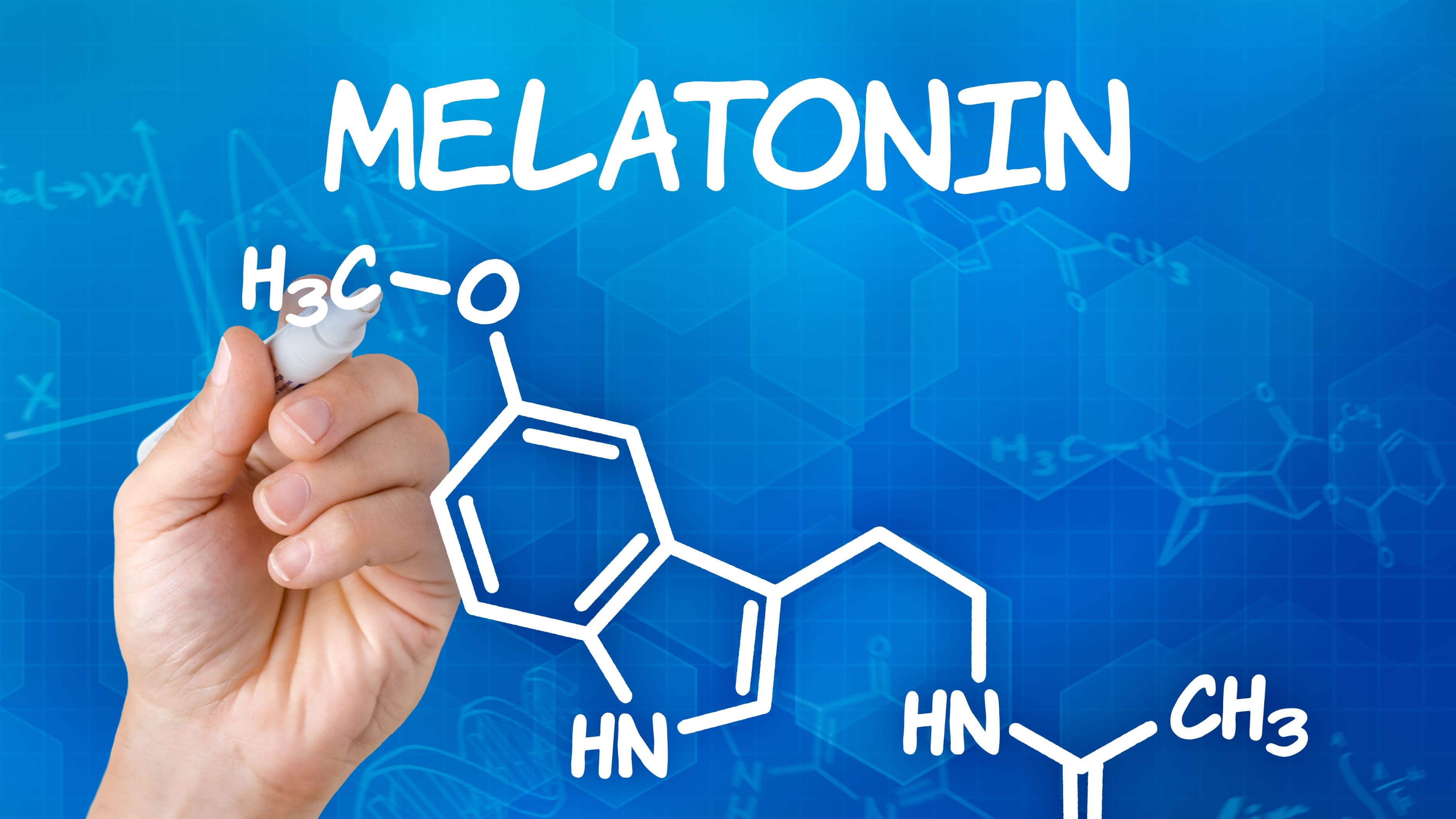
Melatonin synthesis. Magnesium is a cofactor in the enzymatic pathway that converts serotonin to melatonin. Low magnesium status can reduce melatonin output, which directly impairs circadian-driven sleep onset timing.
Cortisol modulation. Magnesium has an inhibitory relationship with the HPA axis. Deficiency is associated with elevated basal cortisol and exaggerated cortisol stress responses — both of which fragment sleep architecture, particularly by suppressing SWS and disrupting REM cycles.
These mechanisms are well-established at the physiological level. The question is whether supplementation in non-deficient individuals produces measurable sleep architecture changes — or whether the mechanisms are relevant primarily to restoring depleted baseline function.
What the Research Actually Shows
Studies With Objective Sleep Measures
The most rigorous work on magnesium and sleep architecture comes from a 2012 double-blind RCT published in the Journal of Research in Medical Sciences by Abbasi et al. The study examined elderly participants (60+ years) with insomnia, supplemented with 500mg magnesium daily for 8 weeks vs placebo. Outcomes were measured using validated subjective tools (ISI, PSQI) and biochemical markers (serum magnesium, melatonin, cortisol, renin).
Results showed significant improvements in sleep efficiency, sleep time, sleep onset latency, and early morning awakening in the magnesium group vs placebo. Serum melatonin rose and serum cortisol fell in the magnesium group. The cortisol reduction is particularly noteworthy — it suggests a real neurochemical shift, not just placebo response.
The critical limitation: this was an elderly, insomnia-diagnosed population with likely baseline magnesium inadequacy. The extrapolation to healthy, younger, supplemented men is not clean.
A 2021 systematic review and meta-analysis by Arab et al. in BMC Complementary Medicine and Therapies analyzed 7 trials covering magnesium supplementation and sleep. The pooled data showed significant improvements in subjective sleep quality (PSQI scores), sleep efficiency, and sleep onset latency. However, the review acknowledged that most studies relied on subjective rather than polysomnographic measures, sample sizes were small, and most populations were older adults or those with diagnosed sleep disorders.
The Deficiency Problem
Approximately 48% of Americans fail to meet the RDA for magnesium from dietary intake alone, with higher deficiency rates in men with high training loads, high alcohol intake, or significant stress. If you're in a subclinical deficiency state, supplementation will likely improve your sleep — because you're restoring a depleted biological system. That's not a placebo effect, but it's also not evidence that supraphysiological dosing drives further benefit.
The honest evidence gap is this: rigorous polysomnographic RCT data on magnesium glycinate specifically in replete, healthy adult men with measured baseline magnesium status is essentially non-existent in the published literature. The extrapolation from deficient elderly populations to optimized younger men is standard practice in the supplement space, and it's a logical stretch.
Why Glycinate Over Other Forms
The glycinate form matters for practical reasons rather than evidence of superior sleep-specific outcomes. Magnesium glycinate — magnesium bound to glycine — has superior bioavailability compared to magnesium oxide (the most commonly sold cheap form, which has roughly 4% absorption) and comparable or slightly better absorption than magnesium citrate. More relevantly, glycine itself has independent sleep-promoting properties.
Glycine is an inhibitory neurotransmitter that lowers core body temperature via peripheral vasodilation — a key physiological cue for sleep onset. A 2012 study published in Sleep and Biological Rhythms by Bannai et al. found that 3g glycine before bed significantly improved
subjective sleep quality, reduced fatigue, and improved next-day cognitive performance vs placebo in subjects with habitual poor sleep.
The mechanism is partially separate from magnesium — glycine works through its own receptor pathway (GlyR and NMDA co-agonism).
This means magnesium glycinate may deliver a modest additive benefit relative to other forms — not because of superior magnesium bioavailability alone, but because the glycine component is independently active. It's still difficult to disentangle the relative contributions in the absence of direct head-to-head polysomnographic studies.
What the Evidence Does and Doesn't Support
Supported by reasonable evidence: Magnesium supplementation reduces sleep onset latency and improves sleep efficiency in individuals with suboptimal magnesium status. The cortisol-lowering and melatonin-supporting mechanisms are real. Glycine's sleep-promoting effects are independently established.
Not clearly supported: Objective, polysomnographic improvements in SWS or REM architecture in healthy, magnesium-replete men. Meaningful dose-response beyond deficiency correction. Magnesium glycinate outperforming other well-absorbed forms for sleep outcomes specifically.
Overhyped and unsupported: Claims that magnesium glycinate dramatically increases slow-wave sleep or REM in already-optimized users. Stacking multiple magnesium forms for synergistic sleep effects. Dosing above 400–500mg for sleep benefit in replete individuals.
Protocol: How to Use It If You're Going to Use It
Given the evidence profile, magnesium glycinate is a reasonable, low-risk addition to a sleep protocol — particularly if you're not consistently hitting dietary magnesium targets, training hard, or under significant stress. Here's how to approach it without wasting money on dose excess or expecting outsized returns.
Step 1: Assess your likely status. If you're eating a diet rich in leafy greens, nuts, seeds, and whole grains, you may already be hitting your RDA (~420mg for adult men). If your diet is moderate to poor in these categories, training volume is high, or you're under chronic stress, subclinical deficiency is plausible without testing.
Step 2: Use serum magnesium as a directional marker only. Serum magnesium reflects only ~1% of total body magnesium and is a poor indicator of tissue stores. An RBC magnesium test is more informative if you want a real baseline. Standard lab reference ranges are set for disease detection, not optimization — "normal" serum magnesium doesn't rule out functional deficiency.
Step 3: Dose and timing. 200–400mg elemental magnesium as glycinate, taken 30–60 minutes before sleep. Most magnesium glycinate products contain 100–200mg elemental magnesium per capsule — read labels for elemental content, not total compound weight. Avoid taking it alongside zinc in high doses, as both compete for the same transporters.
Step 4: Stack with glycine if targeting sleep onset and subjective quality. 2–3g glycine added separately (or via a higher-glycine magnesium glycinate formulation) 30–45 minutes before bed addresses the core-temperature reduction pathway independently.
Step 5: Evaluate over 4–6 weeks. If you have access to a wearable with sleep staging (Oura, WHOOP, Garmin with Body Battery), use it as a directional proxy — not gospel, but better than pure subjective assessment. Look for trends in deep sleep duration, HRV, and resting heart rate overnight.
Risks and Considerations
Magnesium glycinate has a favorable safety profile at standard doses. The most common adverse effect at higher doses is loose stools, though glycinate is substantially less laxative than oxide or citrate due to slower absorption kinetics. Serious adverse effects are rare but possible in individuals with impaired kidney function — the kidneys are the primary route of magnesium excretion, and supplementation can cause hypermagnesemia in those with significantly reduced GFR.
Magnesium interacts with certain medications including bisphosphonates, some antibiotics (quinolones, tetracyclines), and diuretics — spacing doses 2+ hours apart mitigates most interaction risk, but check with a prescribing physician if these apply.
At optimization-range doses (200–400mg elemental), the risk profile for healthy adult men is minimal.
FAQ
Is magnesium glycinate meaningfully better for sleep than magnesium citrate? The evidence doesn't clearly support glycinate over citrate for sleep outcomes from the magnesium component alone. Both are well-absorbed. The potential advantage of glycinate is the glycine co-delivery — but citrate is cheaper and a reasonable alternative if cost is a factor.
Should I take magnesium glycinate every night or cycle it? For deficiency correction and maintenance, nightly use is appropriate and well-tolerated. There's no strong evidence of tolerance or receptor downregulation with magnesium supplementation. Cycling is not necessary but not harmful.
Will magnesium glycinate increase my slow-wave sleep if I already sleep well? Almost certainly not significantly. The strongest evidence for objective sleep architecture improvement comes from deficient populations. If your slow-wave sleep is already adequate and your diet is solid, the marginal gain is likely modest at best.
How long before I'd expect to notice a difference? Subjective improvements in sleep onset and maintenance are sometimes reported within the first week. More stable, objective improvements in sleep metrics, if they occur, tend to consolidate over 3–6 weeks of consistent use.
Does it affect testosterone? There is some evidence that magnesium plays a role in testosterone bioavailability — binding to sex hormone-binding globulin (SHBG) — and that deficiency correction may modestly improve free testosterone. The sleep architecture improvement itself (if it occurs) is also relevant, since SWS is when the majority of pulsatile GH secretion occurs. But direct testosterone elevation from magnesium glycinate supplementation in replete men is not strongly supported.
The Honest Assessment
Magnesium glycinate is one of the more defensible supplements in any sleep stack — not because the evidence is overwhelming, but because the mechanism is sound, the deficiency prevalence is high, the safety profile is excellent, and the glycine co-benefit is independently useful. The inflated claims around dramatic sleep architecture transformation in already-optimized users are not supported by the existing polysomnographic literature.
Use it as a foundation layer in a sleep protocol, not as a primary intervention. Prioritize sleep hygiene fundamentals — consistent wake time, temperature management, light exposure control, alcohol elimination — before expecting supplementation to move the needle. If you're deficient, it will likely help. If you're replete and already sleeping well, the effect size is probably modest. That's the honest position the evidence supports.
📚 Sources
Abbasi B, et al. – The effect of magnesium supplementation on primary insomnia in elderly: Journal of Research in Medical Sciences, 2012: https://www.ncbi.nlm.nih.gov/pmc/articles/PMC3703169/
Arab A, et al. – The role of magnesium in sleep health: a systematic review of available literature: BMC Complementary Medicine and Therapies, 2023: https://www.ncbi.nlm.nih.gov/pmc/articles/PMC9786197/
Bannai M, et al. – The effects of glycine on subjective daytime performance in partially sleep-restricted healthy volunteers: Sleep and Biological Rhythms, 2012: https://pubmed.ncbi.nlm.nih.gov/25902425/
Rondanelli M, et al. – The effect of melatonin, magnesium, and zinc on primary insomnia in long-term care facility residents: Journal of the American Geriatrics Society, 2011: https://pubmed.ncbi.nlm.nih.gov/21226679/
National Institutes of Health – Magnesium fact sheet for health professionals: https://ods.od.nih.gov/factsheets/Magnesium-HealthProfessional/
Wienecke E, Nolden C – Long-term HRV analysis shows stress reduction by magnesium intake: MMW Fortschritte der Medizin, 2016: https://pubmed.ncbi.nlm.nih.gov/27933574/