This guide covers how to lower your housing costs through timing, negotiation, and smart tradeoffs while protecting the features that matter.
Know Where You Can Compromise
Not every feature carries equal weight. Divide them into two groups.
Protect these: a quiet sleeping environment, a sound and safe building, reliable heat and water, a manageable commute, and a responsive landlord. These affect your health, safety, and daily routine.
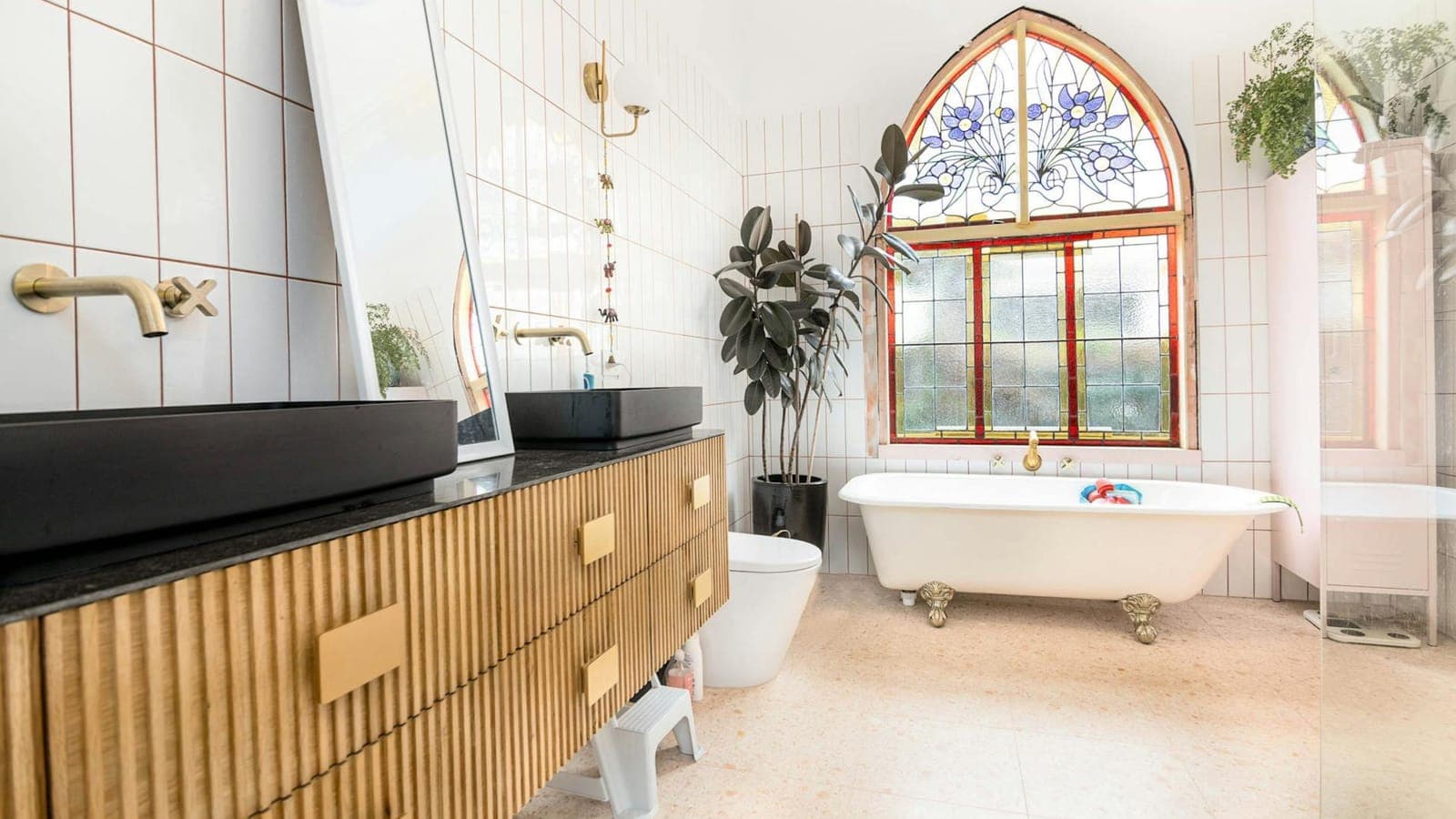
Flex on these: cosmetic finishes, building amenities, extra square footage, trendy neighborhoods, and premium appliances. These are pleasant but rarely change how well you live day to day.
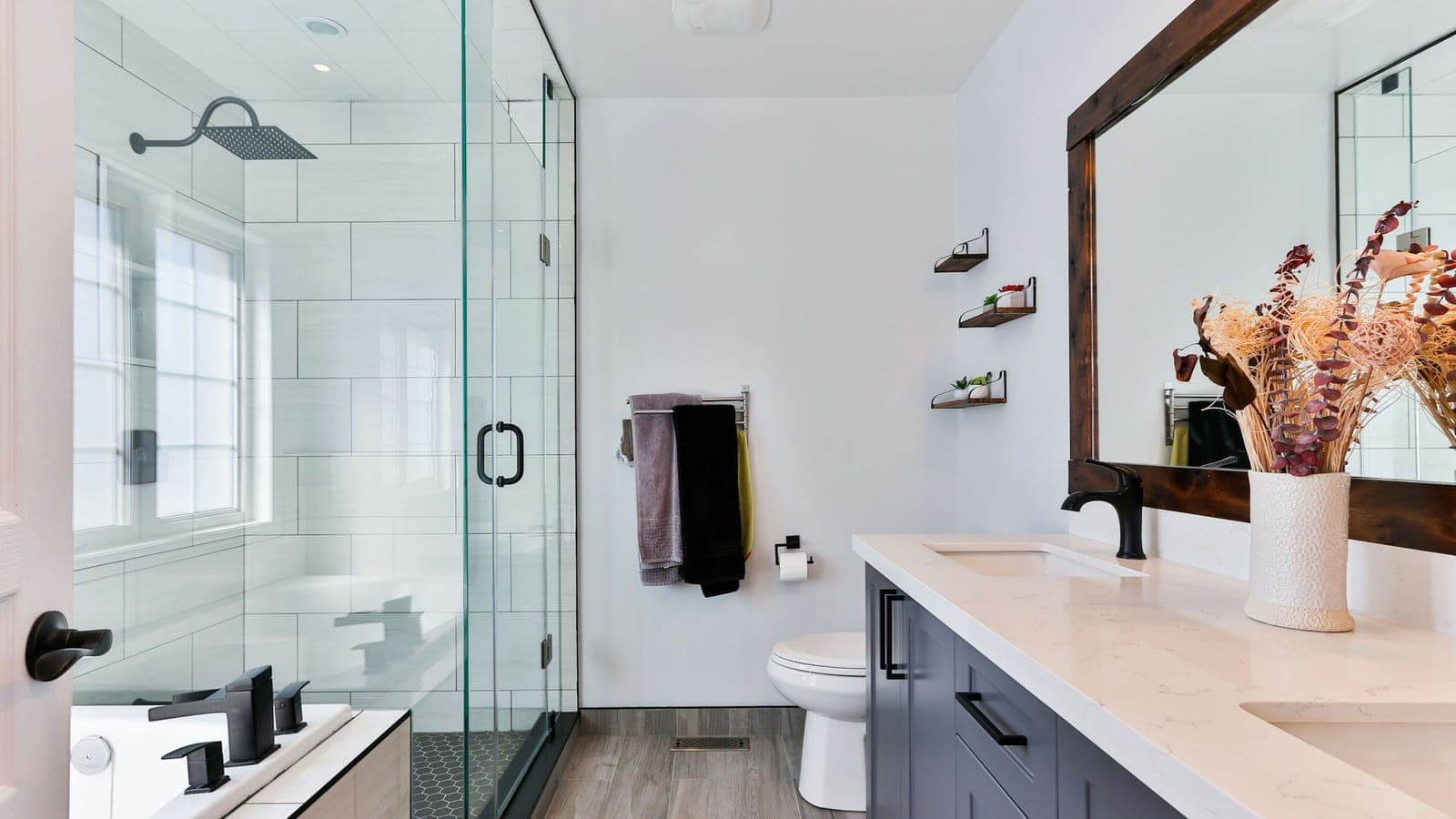
An older building with dated cabinets but solid construction and quiet bedrooms often delivers more real comfort than a new building with thin walls and luxury countertops.
Strategies to Lower Your Rent
Time Your Search
Rental demand typically rises in the warmer months. Searching in fall or winter can mean less competition, more negotiating leverage, and a better chance of finding move-in specials. Landlords with vacancies in slower months are often more flexible.
Look One Neighborhood Over
Rent can drop meaningfully a short distance from the most popular areas. Look at neighborhoods adjacent to your target, especially those with good transit access. Calculate commute time and costs to make sure the savings hold up.
Consider Older or Smaller Buildings
Older buildings and smaller properties managed by individual landlords may offer lower rents than newer complexes with extensive amenities. Inspect carefully for maintenance issues, but don't dismiss them based on age alone.
Negotiate
Rent is negotiable more often than many renters assume, particularly in buildings with vacancies or during slower seasons. You might ask for:
A lower monthly rent in exchange for a longer lease.
A free month or reduced rent for the first month.
Waived application, amenity, or parking fees.
Included utilities or upgrades such as new appliances.
Support your request with data on comparable units nearby. Strong applications – solid income, good credit, and positive references – also give you leverage.
Look for Concessions
In markets with higher vacancy, landlords often offer concessions such as free weeks or months. Calculate the effective monthly rent over the full lease term, then confirm whether rent will reset to the full amount at renewal.
Share the Cost
A roommate can cut your housing costs substantially and may let you afford a better building or location. Choose carefully, agree on expectations in writing, and make sure both names are on the lease or that subletting is permitted.
Reduce Total Housing Costs
Rent is only part of the equation. Ask for typical utility costs, since energy-efficient units with newer windows and appliances can be cheaper to run. Compare buildings with included utilities against those that bill separately. Skip paid parking if you can rely on transit. Look closely at mandatory monthly fees, which can quietly add up.
How to Verify Quality on a Budget
Lower rent should never mean overlooking real problems. Inspect for water damage, mold, pests, broken locks, and malfunctioning appliances. Check smoke and carbon monoxide detectors. Visit at night to assess noise. Talk to current tenants about maintenance responsiveness if you can.
A unit that looks like a bargain but has persistent leaks, pests, or an unresponsive landlord will cost you far more in stress, sleep, and potential damage to belongings.
Make an Affordable Apartment More Comfortable
A few targeted purchases can dramatically improve comfort without raising rent. Blackout curtains improve sleep in bright areas. A quality mattress has a bigger impact on daily life than almost any decor item. Rugs reduce echo and noise. Warm, layered lighting makes a space feel more inviting. A white noise machine can mask street sounds. These upgrades move with you to your next home.
Realistic Expectations
Your options depend heavily on your local market. In high-demand cities, negotiation leverage may be limited, and affordable units can go quickly. In softer markets, you'll often have more flexibility. Expect to make tradeoffs – the goal is to make the right ones, not to avoid them entirely.
Mistakes to Avoid
Don't sacrifice sleep, safety, or building quality just to save on rent. Don't chase concessions without checking the renewal rate. Don't take on a roommate without a clear written agreement. And don't ignore total costs – a low rent with high utilities and fees may not be the deal it appears to be.
FAQ
How can I find a cheaper apartment?
Search during slower seasons, consider adjacent neighborhoods, look at older or smaller buildings, and negotiate based on comparable rents.
Can you negotiate rent on an apartment?
Often, yes, especially in buildings with vacancies or during slower months. You can also negotiate fees, lease length, and included utilities.
What should I never compromise on in an apartment?
Safety, structural soundness, reliable utilities, a quiet sleep environment, and a responsive landlord.
Are rent concessions worth it?
They can be, but calculate the effective rent across the lease and confirm what the rent will be at renewal.
The Bottom Line
Affordable and comfortable can coexist when you compromise on the right things. Protect sleep, safety, and building quality. Flex on finishes, amenities, and trendy addresses. Use timing, negotiation, and smart location choices to lower costs, and invest in a few comfort upgrades that make the space work for you. That's how you get real value from your rent.
This article is for general informational purposes only and is not financial or legal advice. Rental markets and regulations vary by location, and no particular outcome is guaranteed. Review your lease carefully before signing.
📚 Sources
U.S. Department of Housing and Urban Development – Tenant Rights, Laws and Protections: https://www.hud.gov/topics/rental_assistance/tenantrights
Federal Trade Commission – Rental Listing Scams: https://consumer.ftc.gov/articles/rental-listing-scams
U.S. Department of Energy – Energy Saver: https://www.energy.gov/energysaver/energy-saver
Centers for Disease Control and Prevention – About Sleep: https://www.cdc.gov/sleep/about/index.html