
How Each Method Works
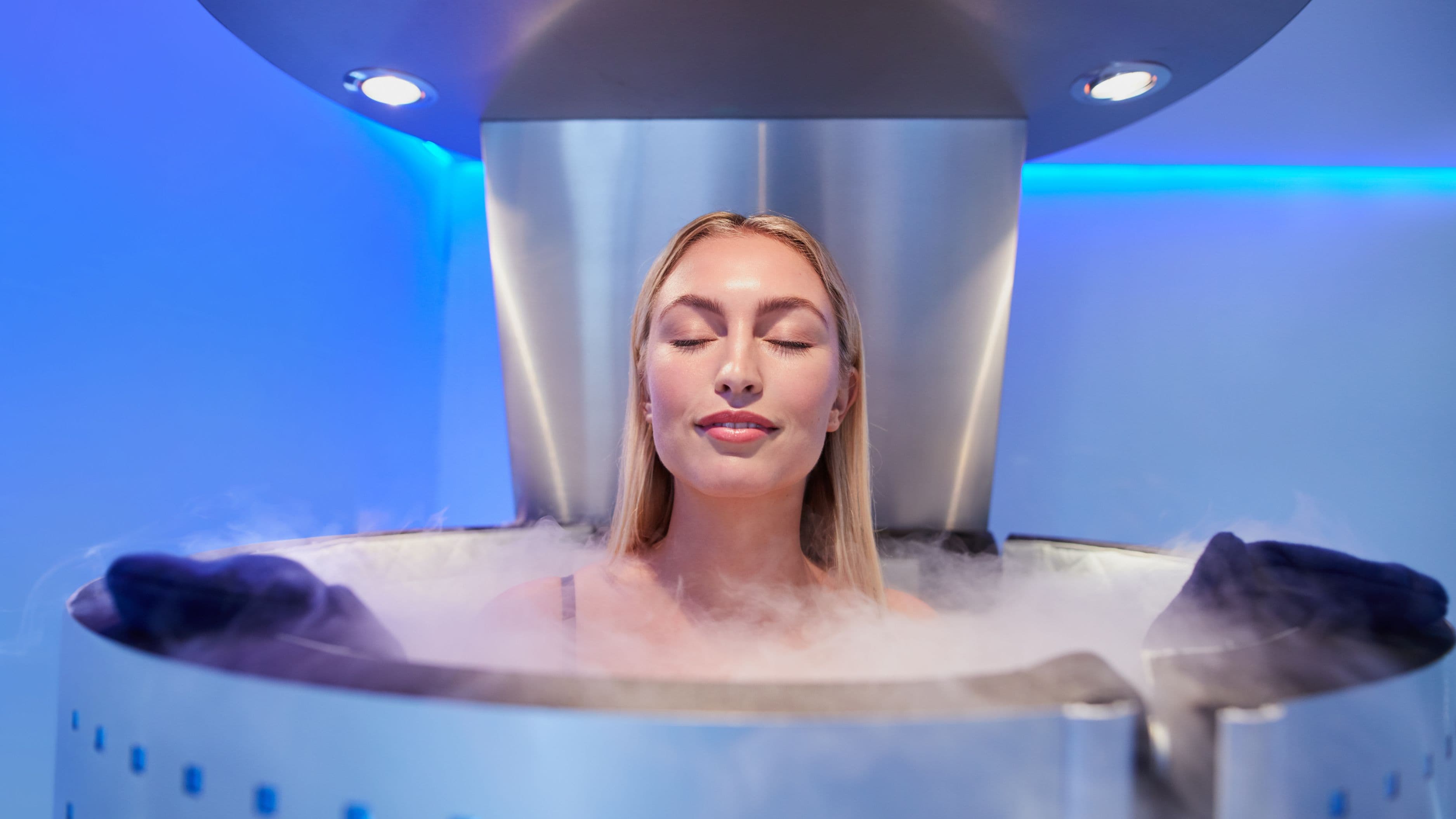
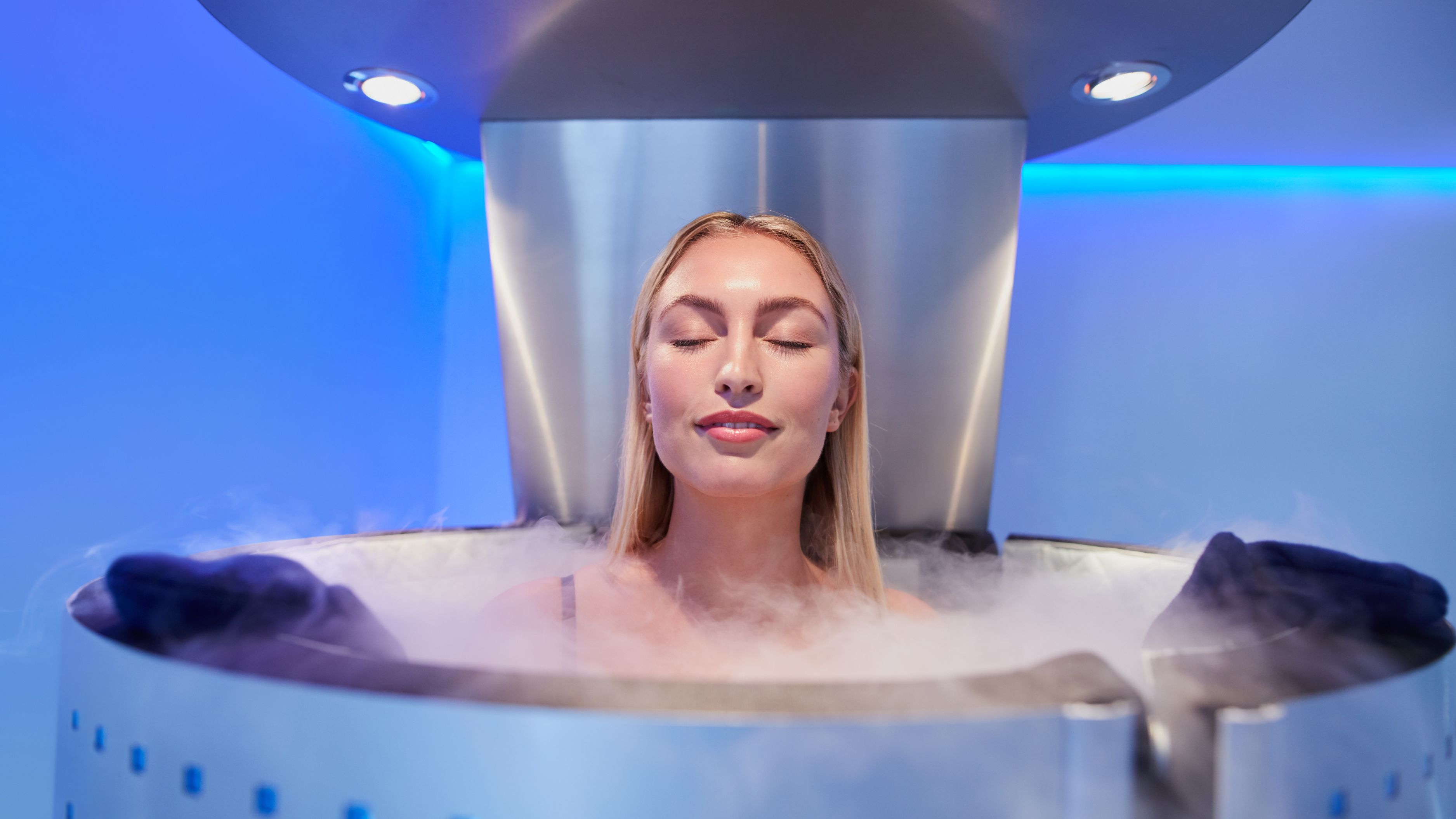
Whole-body cryotherapy exposes you to extremely cold, dry air, typically in the range of -200°F to -300°F, for a short duration of two to four minutes inside a specialized chamber. The extreme cold triggers rapid vasoconstriction at the skin's surface, along with a systemic stress response involving catecholamine release.
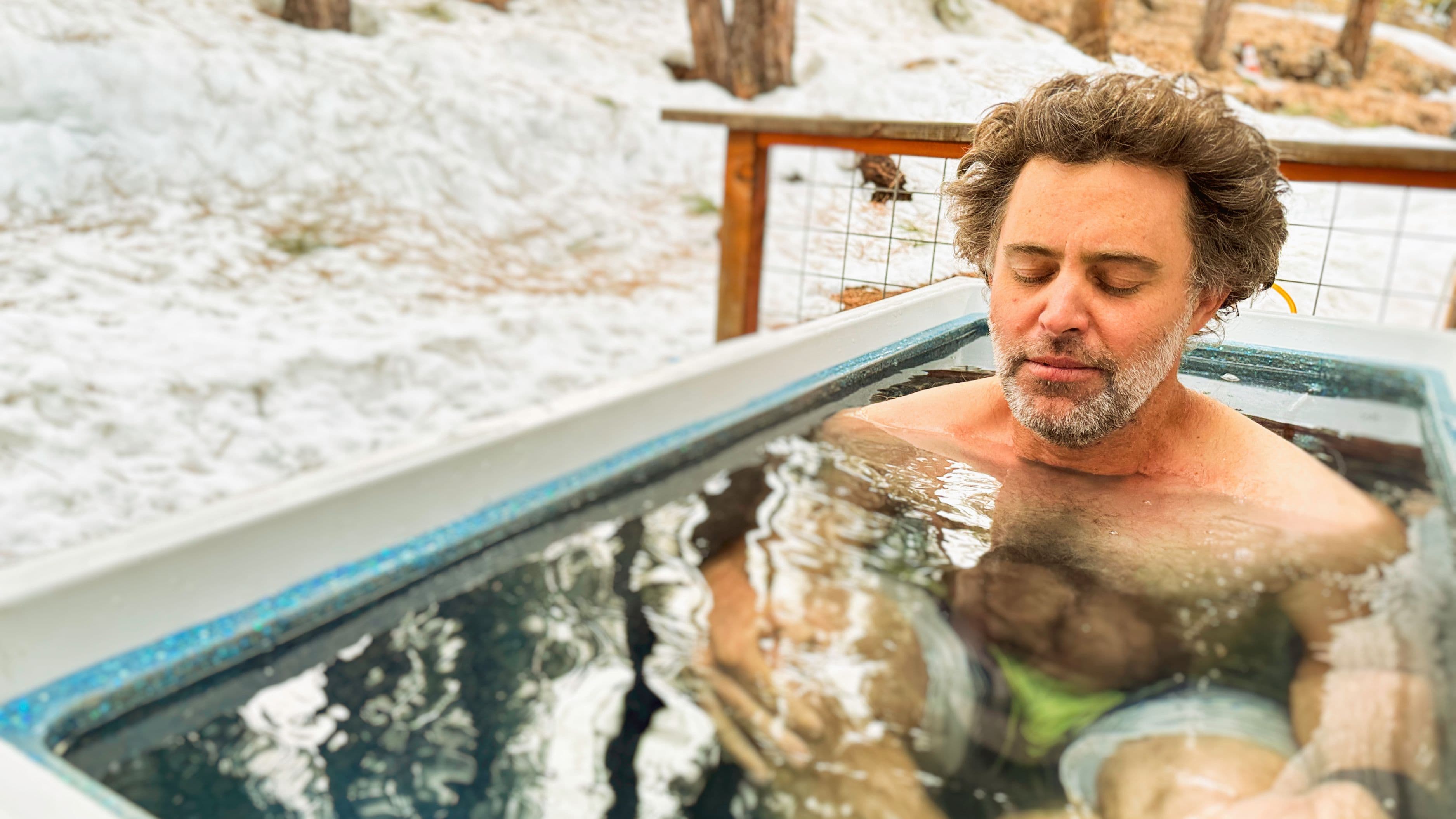
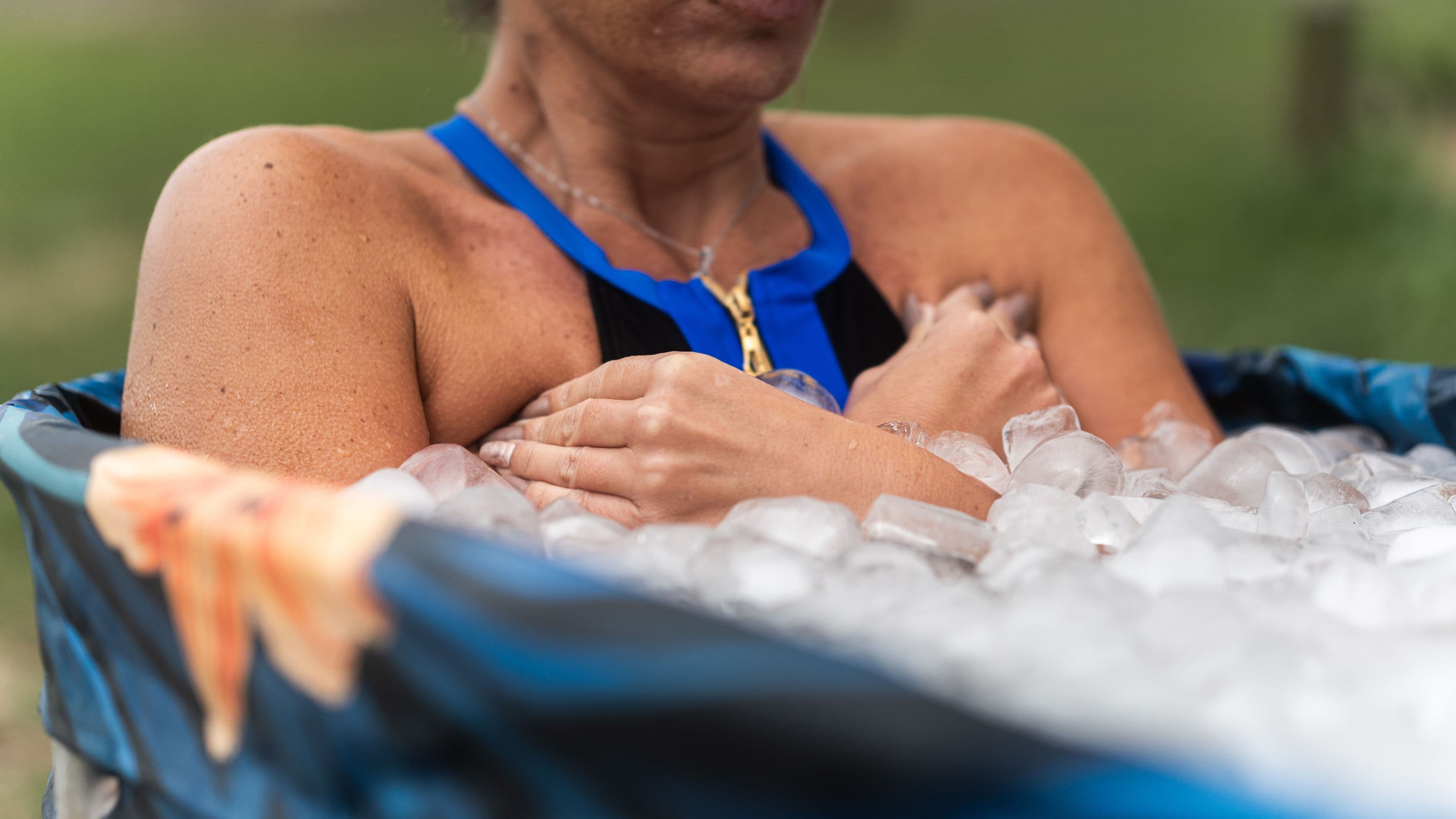
Ice baths, or cold water immersion, submerge the body in water typically between 50-59°F for anywhere from 5 to 15 minutes. Because water conducts heat roughly 25 times more efficiently than air, this method cools core body temperature more directly and for a longer sustained period, despite the water itself being far less cold than a cryotherapy chamber's air.
The Core Mechanism Difference Matters
This is the central point most comparisons miss: cryotherapy's extreme air temperature is deceptive, because air is a poor conductor of heat relative to water. The short exposure time and air-based medium mean cryotherapy primarily affects surface-level tissue and triggers a systemic hormonal response, without necessarily reducing deep muscle tissue temperature significantly.
Ice baths, by contrast, achieve more substantial reductions in muscle tissue temperature due to water's superior conductivity and longer immersion time. If the goal is reducing localized inflammation and swelling in a specific overworked muscle group, that deeper tissue cooling is mechanically more relevant than cryotherapy's brief, whole-body surface exposure.
What the Evidence Actually Shows
Research comparing the two methods directly is more limited than the marketing around either would suggest, but the available evidence leans toward cold water immersion producing more consistent, measurable reductions in perceived muscle soreness and some inflammatory markers following intense exercise. Cryotherapy studies show more inconsistent results, with some finding modest recovery benefits and others finding no meaningful advantage over passive recovery.
Where cryotherapy does show more consistent results is in acute mood elevation and perceived energy, likely tied to the norepinephrine spike triggered by the extreme (if brief) cold stress. This is a real effect, but it's a different outcome than muscle recovery specifically.
Practical Tradeoffs Beyond the Science
Cryotherapy sessions are notably shorter, typically under four minutes, compared to a 10-15 minute ice bath commitment. For anyone managing a demanding schedule, this time difference is a legitimate practical advantage, even if the physiological recovery benefit is comparable or slightly lower.
Cost is another major differentiator. Cryotherapy chambers require significant infrastructure and are typically only available through specialized recovery centers or gyms, usually priced per session in the $30-90 range. Ice baths can be replicated at home with a tub, ice, and a thermometer for a fraction of the ongoing cost, making it the more accessible option for regular use.
Who Should Consider Each Option
Athletes and lifters dealing with significant delayed-onset muscle soreness after intense training blocks are likely to see more direct benefit from cold water immersion, given its deeper tissue cooling effect. Those primarily seeking a quick mood and alertness boost, or who have access to a cryotherapy facility as part of an existing gym membership, may find cryotherapy a reasonable complement, even if it's not the superior recovery tool on paper.
Neither method should be viewed as a replacement for the fundamentals: adequate sleep, protein intake, and appropriate training load management remain the primary drivers of recovery, with cold exposure functioning as a secondary tool at best.
Risks and Limitations
Both methods carry real risks that are frequently downplayed. Cold water immersion can cause a dangerous drop in core body temperature if exposure time is excessive, and sudden cold shock has documented cardiovascular effects, including increased heart rate and blood pressure, that pose genuine risk for anyone with underlying cardiovascular conditions. Whole-body cryotherapy chambers carry risks of frostbite or hypoxia if used incorrectly or for too long, and several documented injuries have occurred from improper facility supervision.
There's also emerging research suggesting that frequent, aggressive cold exposure immediately after resistance training may blunt some of the muscle-building adaptations from that training session, likely by dampening the inflammatory signaling that contributes to hypertrophy. This makes timing a relevant consideration: using cold exposure on rest days or well after a hypertrophy-focused session may preserve more of the training adaptation than icing immediately post-workout.
What to Avoid
Avoid exceeding recommended exposure times for either method in an attempt to amplify the benefit. Longer isn't better here, and both methods carry a real risk-reward curve that shifts unfavorably past a certain point. Skip cold exposure immediately after strength training sessions specifically focused on building muscle mass, given the potential to blunt adaptive signaling. And don't treat either method as a substitute for addressing the actual drivers of poor recovery, like inadequate sleep or an excessive training volume relative to your capacity to recover from it.
Anyone with cardiovascular conditions, Raynaud's syndrome, or other circulatory issues should consult a physician before starting either cryotherapy or cold water immersion, given the documented cardiovascular stress response both methods trigger.
Realistic Expectations
Neither method delivers dramatic, guaranteed recovery improvements on its own. The measurable effects, where they exist, tend to be moderate, and individual response varies significantly based on training history, baseline fitness, and how consistently the practice is applied. Expect a modest reduction in perceived soreness and a subjective boost in alertness, rather than a transformative recovery effect.
FAQ
Which is better for reducing next-day soreness? Cold water immersion has somewhat moreconsistent evidence for reducing perceived muscle soreness, largely due to its deeper and more sustained tissue cooling effect.
Is it safe to do cryotherapy or ice baths every day? Daily use is common among some athletes, but the emerging concern around blunted muscle adaptation suggests reserving frequent cold exposure for high-volume training blocks or off days rather than every single session.
Can I get similar benefits from a cold shower? A cold shower can provide some of the mood and alertness benefits associated with cold exposure, but the reduced surface contact and shorter practical exposure time make it a weaker substitute for the deeper tissue cooling of a proper ice bath.
📚 Sources
National Library of Medicine – Cold Water Immersion for Recovery – https://pubmed.ncbi.nlm.nih.gov/?term=cold+water+immersion+recovery
National Library of Medicine – Whole Body Cryotherapy Effects – https://pubmed.ncbi.nlm.nih.gov/?term=whole+body+cryotherapy+recovery
This article is for informational purposes only and is not a substitute for professional medical advice. Consult a physician before starting any new cold exposure protocol, especially if you have a cardiovascular or circulatory condition.