
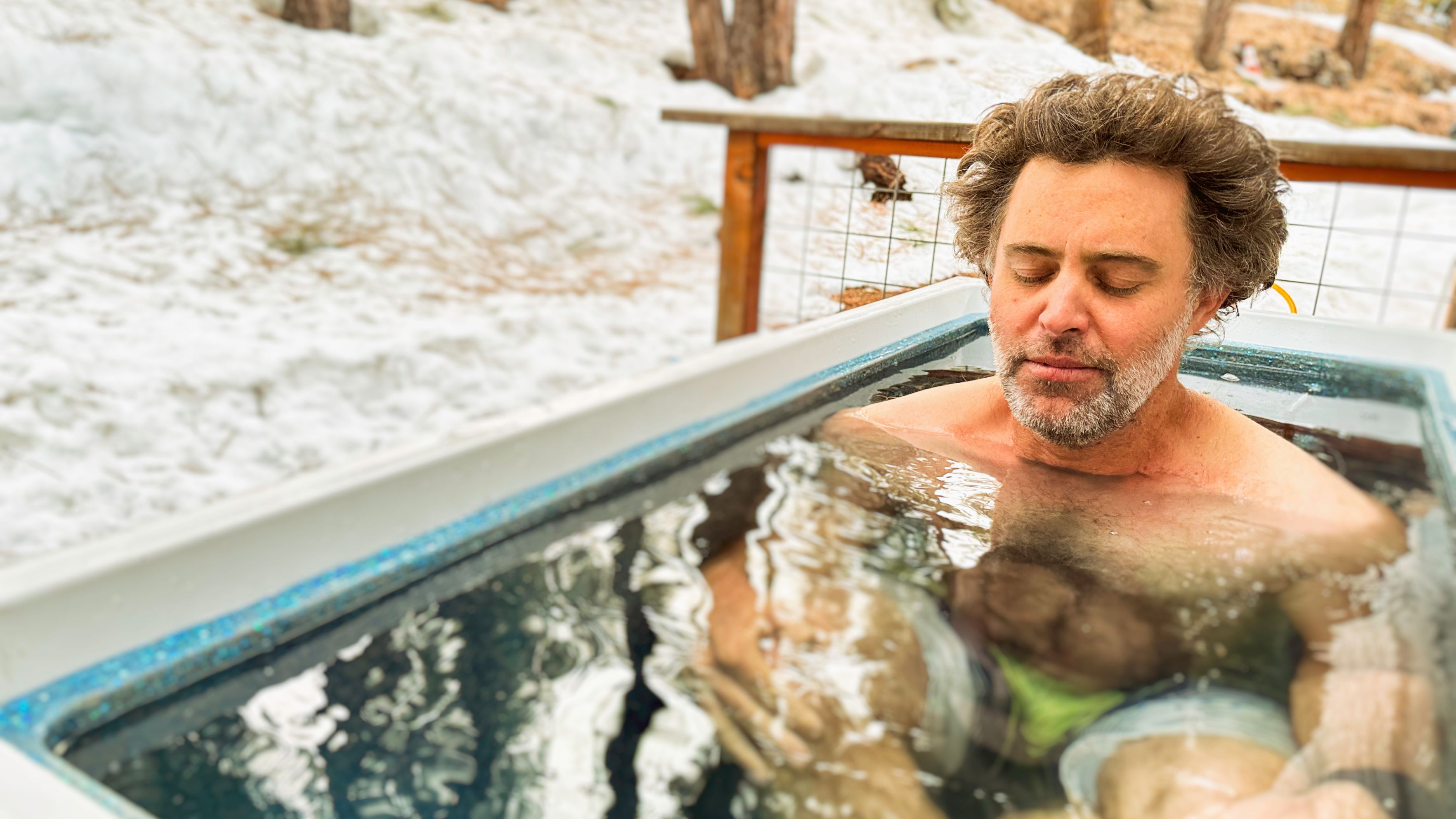
Here's what the research actually supports on cold plunge temperature, how to apply it, and where the limits are.
The Range That Matters
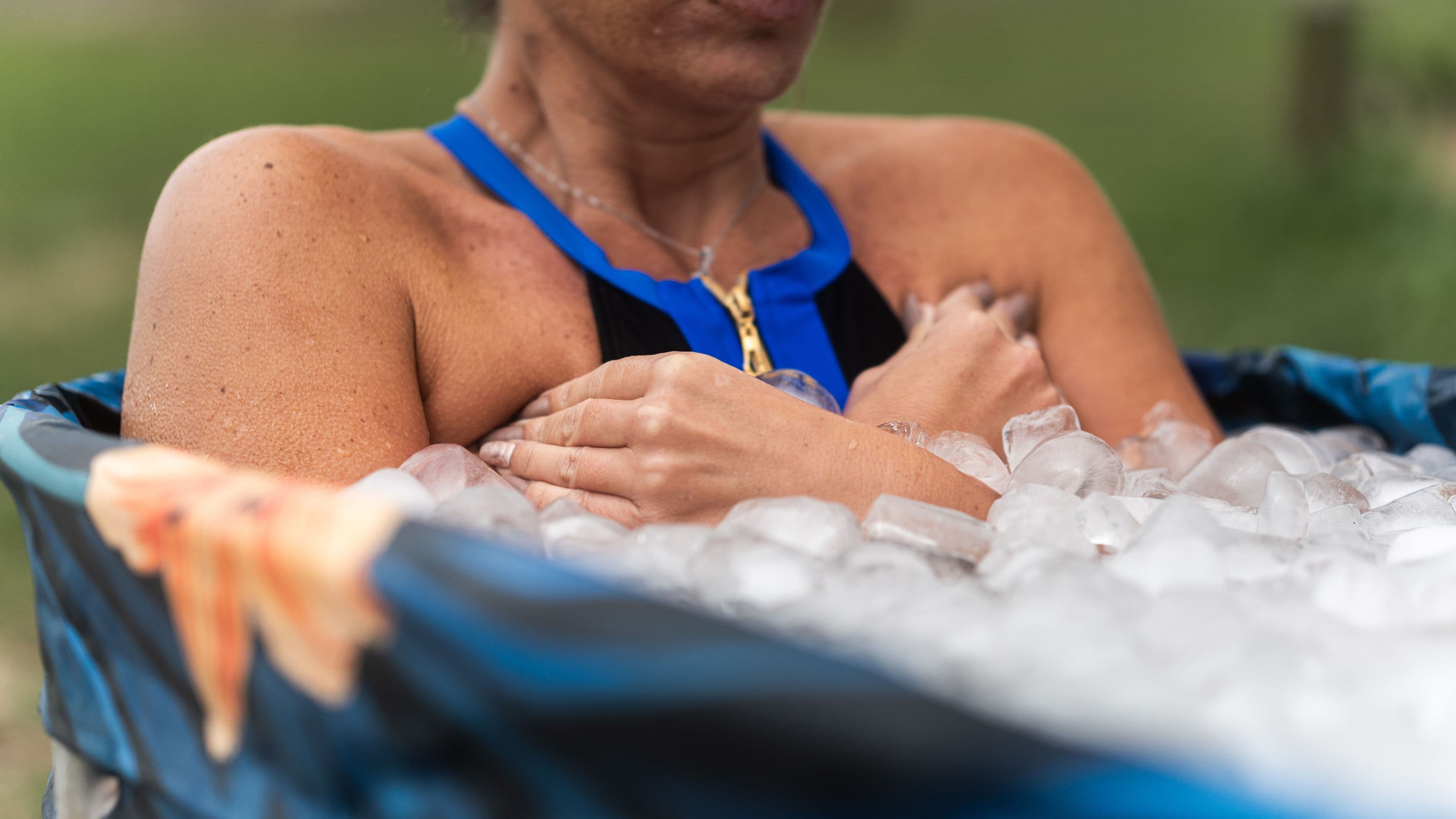
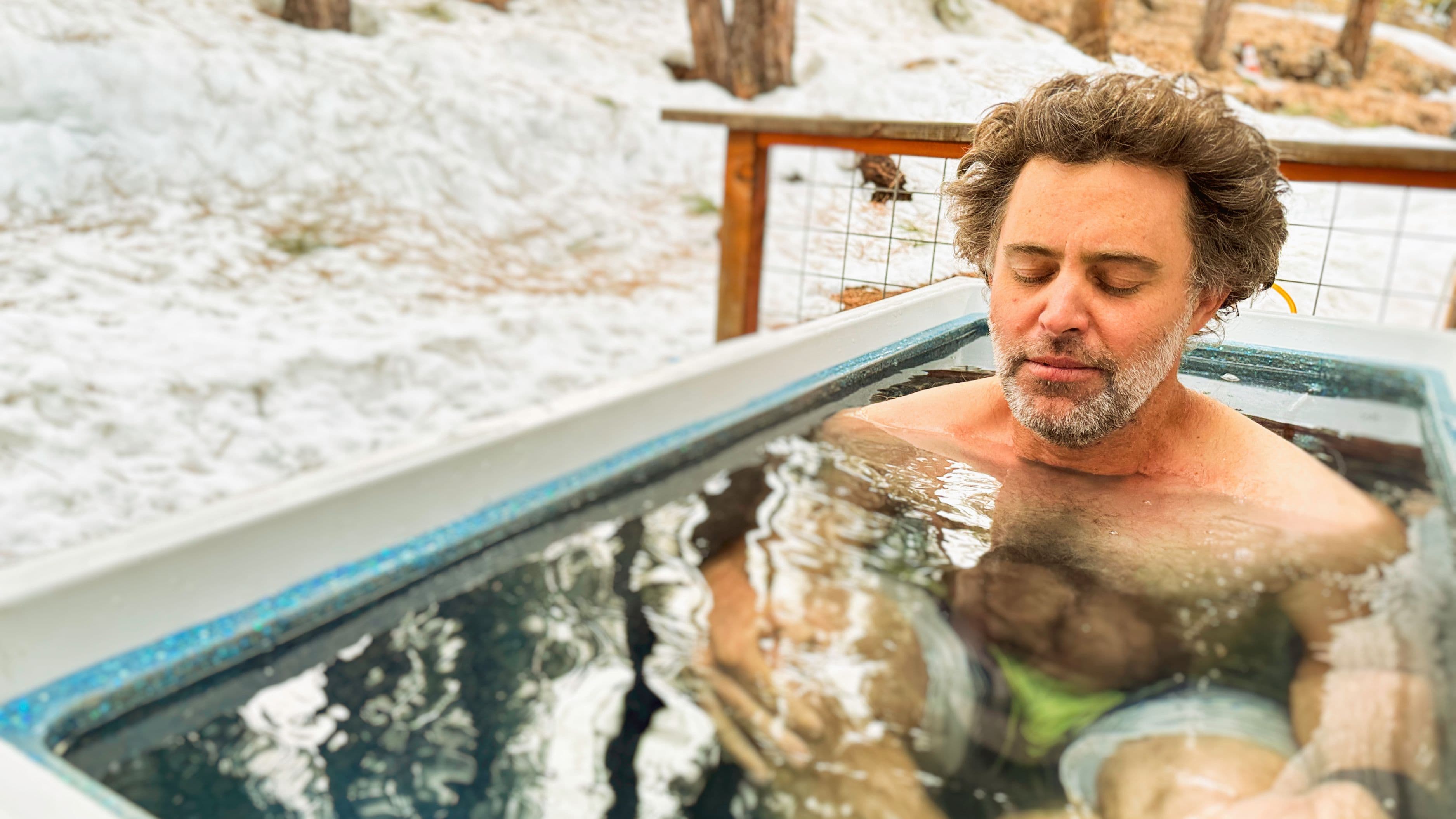
Most controlled studies on cold water immersion for recovery and adaptation use temperatures between 50-59°F (10-15°C). This range is cold enough to trigger meaningful vasoconstriction, norepinephrine release, and the downstream signaling associated with reduced inflammation and improved perceived recovery, without pushing into territory where the physiological stress response becomes excessive or dangerous for a healthy adult.
Colder isn't automatically better. Water below 50°F (10°C) increases risk of cold shock response – the sudden gasp reflex and spike in heart rate and blood pressure that occurs on initial cold immersion – without clear evidence that it produces meaningfully greater recovery benefit compared to the 50-59°F range. For most protocols aimed at recovery rather than extreme cold tolerance training, staying within this moderate-cold band delivers the adaptive signal you're after with a better risk-to-benefit ratio.
Mechanism: What's Actually Happening
Cold water immersion at this range triggers acute vasoconstriction in peripheral blood vessels, which is thought to help reduce localized inflammation and swelling following intense training. It also stimulates a significant release of norepinephrine, a mechanism believed to contribute to the mood-elevating and alertness effects many people report after cold exposure. Research measuring norepinephrine response has found increases of several hundred percent above baseline following cold water immersion in the 57°F (14°C) range, which is one of the more consistently replicated findings in this research area.
There's an important nuance worth knowing on the muscle-building side specifically. Research suggests that cold water immersion performed immediately after resistance training may blunt some of the muscle protein synthesis response, potentially reducing hypertrophy gains over time if done consistently right after lifting. If your primary goal is strength or muscle growth rather than acute recovery or mood, timing cold exposure several hours away from training, rather than immediately post-lift, is the more evidence-aligned approach.
Duration Guidelines by Temperature
50-59°F (10-15°C): 2-5 minutes is generally sufficient to trigger the relevant physiological responses. Longer durations in this range don't show clear additional benefit and increase discomfort and risk without proportional upside.
Below 50°F (10°C): Durations should be shorter, often under 2-3 minutes, and are generally reserved for people with more cold exposure experience rather than beginners.
Above 59°F (15°C): Cool but not truly cold, this range is more of an entry point for beginners building tolerance, and likely produces a milder version of the same adaptive signal.
Expected Results and Timeline
Subjective benefits like improved mood, alertness, and perceived recovery are frequently reported after a single session. Adaptations like improved cold tolerance and habituation of the initial shock response tend to build over several weeks of consistent exposure, generally 2-4 sessions per week. Claims around fat loss or significant metabolic changes from cold plunging specifically are considerably less well-supported by current evidence and shouldn't be a primary reason for adopting the practice.
Risks and Who Should Be Cautious
Cold water immersion places real acute stress on the cardiovascular system, and the initial cold shock response can be dangerous for people with underlying heart conditions, uncontrolled blood pressure, or certain circulatory issues. This is a case where talking to a physician before starting is a genuinely important step, not just a formality – cold shock has been linked to serious cardiac events in vulnerable individuals, particularly during sudden, unsupervised cold water entry.
Never cold plunge alone if you're new to the practice, and never combine cold plunging with alcohol, which impairs your body's ability to regulate its response to the cold and increases risk substantially.
Common Mistakes to Avoid
Going colder than necessary in an attempt to maximize benefit, which mostly just adds risk without added upside
Immersing immediately after resistance training when muscle growth is the primary goal
Skipping a physician consult despite having a known cardiovascular risk factor
Staying in far longer than needed, chasing a "tougher is better" mentality without evidence behind it
FAQ
What temperature should a beginner start at? Starting in the 55-60°F (13-16°C) range for shorter durations (60-90 seconds) is a reasonable, evidence-aligned entry point before progressing to colder or longer protocols as tolerance builds.
Is ice necessary, or can tap water work? In many climates, unmodified tap or hose water already falls within or near the effective range, particularly in cooler months. A thermometer is worth using rather than guessing, since perceived cold isn't a reliable proxy for actual water temperature.
How often should cold plunging be done for recovery benefits? Most research protocols use 2-4 sessions per week. More frequent exposure hasn't shown clearly superior results and may interfere with training adaptations if timed too close to resistance sessions.
Bottom Line
The data points to a fairly narrow, moderate-cold range – roughly 50-59°F for 2-5 minutes – as the evidence-supported sweet spot for most recovery-focused cold plunge protocols. Colder and longer isn't a shortcut to better results; it's mostly just added discomfort and risk. As always, this is general information, not individualized medical advice — talk to a physician before starting cold water immersion, particularly if you have any cardiovascular risk factors.
📚 Sources
Journal of Applied Physiology – Norepinephrine Response to Cold Water Immersion. journals.physiology.org
Frontiers in Physiology – Cold Water Immersion and Muscle Protein Synthesis. frontiersin.org
National Center for Cold Water Safety – Cold Shock Response. coldwatersafety.org