


What a Cold Plunge Chiller Actually Needs to Do
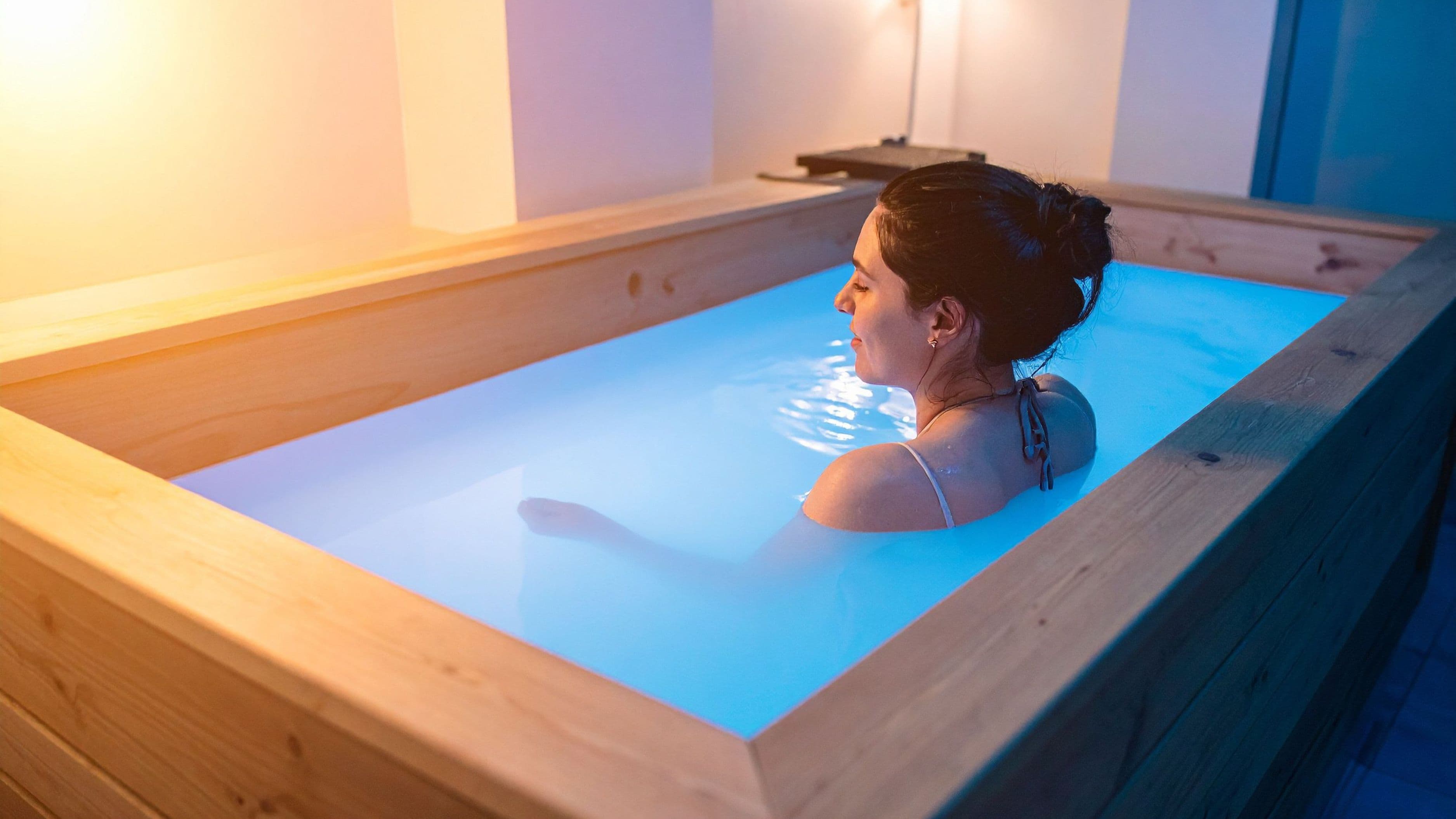
A cold plunge chiller's core job is maintaining a consistent target temperature, typically in the 39 to 55 degree Fahrenheit range depending on your protocol, without requiring manual ice refills. Beyond raw cooling capacity, the meaningful differentiators are filtration quality, since standing water without proper filtration becomes a bacterial concern within days, noise level, since a chiller running near a home gym or bedroom needs to be tolerable, and how quickly it recovers temperature after each use, which matters more for households or gyms with multiple daily users.
Comparison Overview
Entry-level standalone chillers designed for smaller inflatable or barrel tubs typically run in the lower price range and prioritize basic cooling without advanced filtration or app connectivity. Mid-range units add stronger compressors, better filtration systems, and often ozone or UV sterilization to keep water sanitary between full changes. High-end integrated systems, often paired with a manufacturer's own plunge tub, add app control, heating in addition to cooling for contrast therapy, and industrial-grade compressors built for daily heavy use.
Breakdown by Category
Budget Standalone Chillers
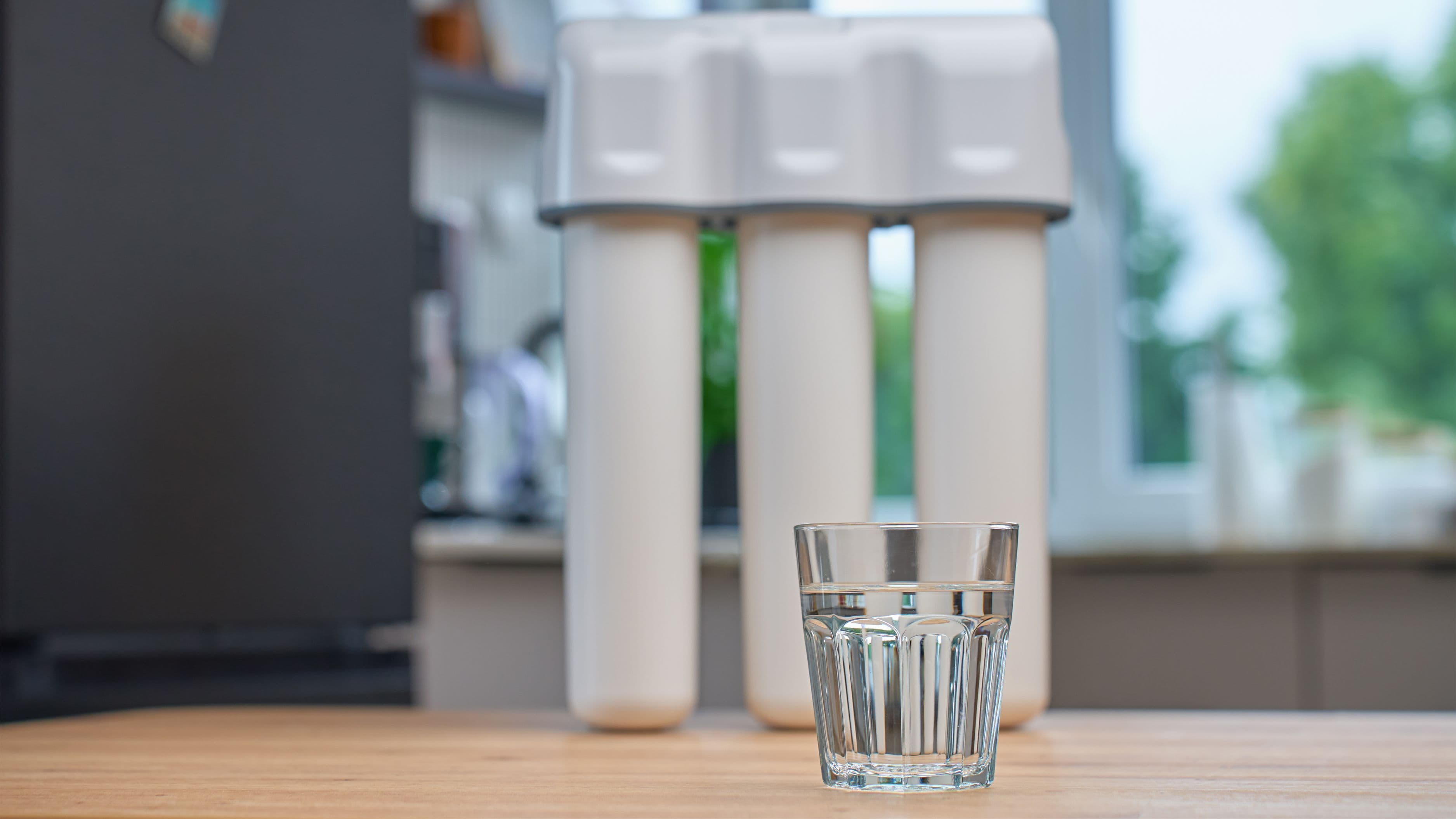
These units generally handle smaller tub volumes and rely on basic single-stage compressors, meaning they cool effectively but take longer to recover after use and often struggle to maintain sub-45-degree temperatures in warmer climates or larger tubs. Filtration is typically limited to basic sediment filters without UV or ozone sterilization, which means more frequent manual water treatment or full changes are necessary to keep the water sanitary.
Pros: Lower upfront cost, simple setup, workable for occasional or single-user households.
Cons: Slower recovery time, weaker performance in hot climates or large tubs, higher long-term maintenance from more frequent water changes.
Best use case: Someone plunging two to three times a week in a smaller tub who doesn't need same-day multiple sessions.
Mid-Range Chillers With Filtration
This tier represents the strongest value point for most serious home users. Dual-stage or higher-output compressors maintain target temperatures more reliably across a wider range of ambient conditions, and integrated ozone or UV filtration systems significantly extend how long water stays clean between full changes, often stretching from days to weeks depending on usage frequency.
Pros: Meaningfully better temperature consistency, real filtration reduces maintenance burden, generally quieter operation than budget units.
Cons: Higher upfront cost than budget options, though most users find the reduced maintenance offsets this within the first year.
Best use case: A dedicated daily or near-daily plunger who wants consistent performance without babysitting water quality constantly.
High-End Integrated Systems
These systems typically bundle the chiller directly with a manufacturer's own insulated tub, offering the tightest engineering integration, app-based temperature scheduling, and often bidirectional heating and cooling for those running full contrast therapy protocols. Compressor quality at this tier is generally built for continuous, heavy-use environments like gyms or multi-person households.
Pros: Best-in-class temperature stability and recovery speed, strongest filtration and sanitation systems, app control adds real convenience for scheduling pre-cooled sessions.
Cons: Significant price premium, and much of that premium goes toward integration and convenience features rather than raw cooling performance, meaning the marginal benefit over a strong mid-range unit may not justify the cost for a single daily user.
Best use case: Gyms, recovery facilities, or households with multiple frequent users who need consistent, near-instant readiness throughout the day.
Who Should Choose Each Tier
If you're testing whether cold plunging fits into your routine long-term, a budget standalone chiller paired with an inflatable or barrel tub lets you evaluate the practice without a large financial commitment. If you've already established a consistent multi-times-per-week habit and are frustrated by inconsistent temperatures or constant water changes, a mid-range filtered unit is generally the point of best value, solving the two biggest pain points of budget units without paying for features you won't fully use. High-end integrated systems make sense primarily for facilities with multiple daily users or serious enthusiasts who specifically want contrast therapy heating built into the same system, rather than a majority of individual home users.
Final Recommendation
For most disciplined home users, a mid-range chiller with real filtration represents the strongest cost-to-benefit ratio available in 2026. The jump from budget to mid-range solves genuine, daily friction points around temperature consistency and water sanitation. The jump from mid-range to high-end mostly buys convenience and integration rather than a meaningfully colder or cleaner plunge, which makes that additional spend harder to justify unless you're running a facility or specifically want built-in contrast therapy capability.
FAQ
How often does chiller water actually need to be fully replaced? With good filtration, many mid-range and high-end units can go several weeks between full water changes with proper maintenance, while budget units without real filtration often need changes every few days to a week depending on usage.
Do cold plunge chillers use a lot of electricity? Most residential units draw a moderate, manageable amount of power comparable to a small refrigerator, though usage costs will vary based on ambient temperature, tub size, and how often the compressor cycles to maintain your target temperature.
Is a smaller, cheaper chiller worth it if I'm just starting out? Yes, for most people testing the habit, a budget option paired with a smaller tub is a reasonable way to build consistency before investing in a more expensive setup once the routine is proven to stick.
📚 Sources
National Center for Cold Water Safety – "Cold Water Immersion Basics." https://www.coldwatersafety.org/
Journal of Thermal Biology – "Cold Water Immersion and Recovery." https://www.sciencedirect.com/journal/journal-of-thermal-biology
EPA – "Water Filtration and Sanitation Standards." https://www.epa.gov/dwreginfo