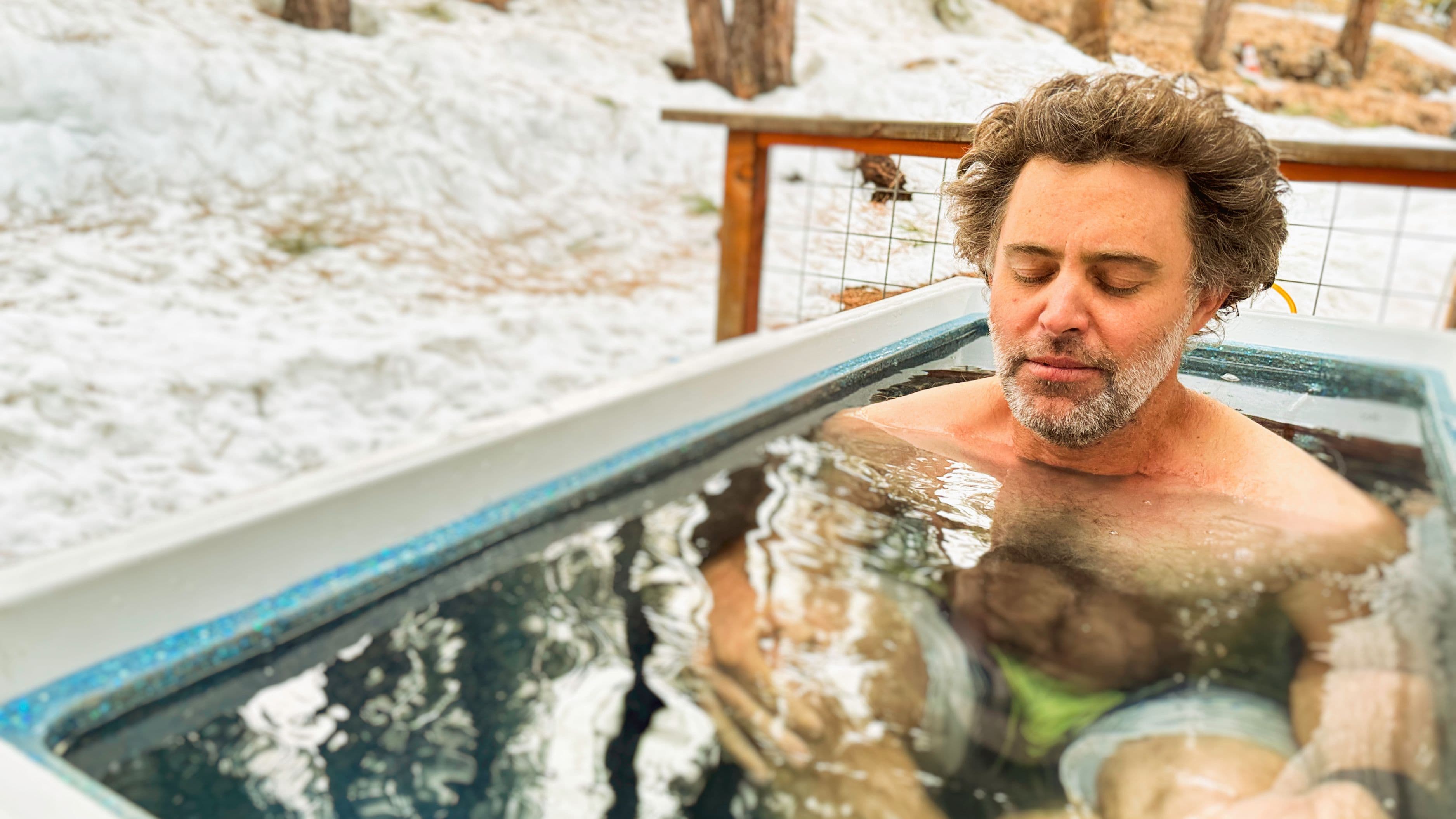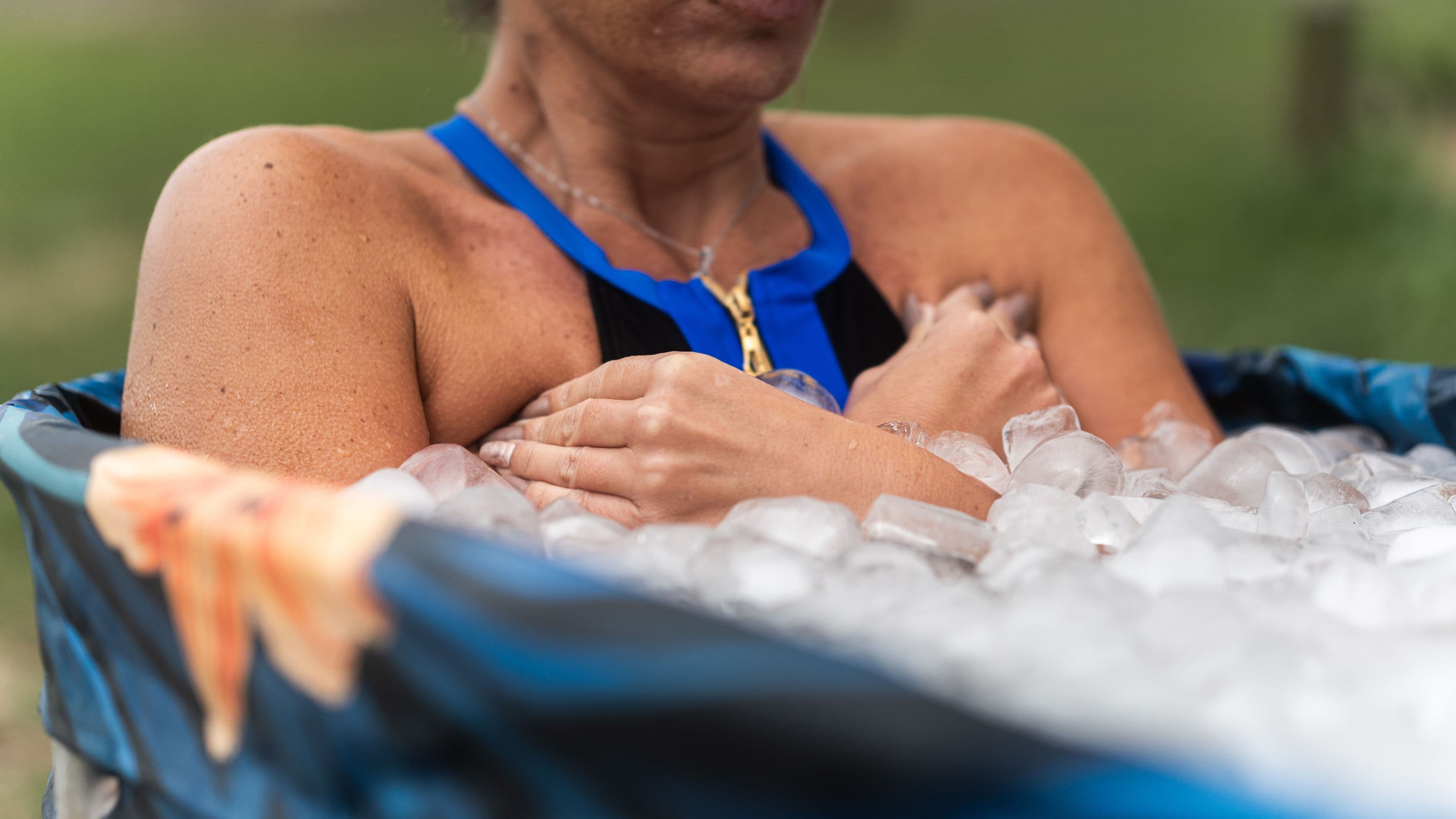

Here's what the physiology actually shows, what a 20-minute immersion specifically triggers, and how to structure cold exposure so it works for you rather than against you.
Cortisol Basics: Why This Matters for Performance
Cortisol is a glucocorticoid hormone produced by the adrenal cortex in response to signals from the hypothalamic-pituitary-adrenal (HPA) axis. It's the primary stress hormone in the body's acute stress response, but framing it purely as a "bad" hormone misses the full picture.
Cortisol drives gluconeogenesis (glucose production), suppresses inflammation, regulates immune function, and plays a central role in the timing of your circadian rhythm. Morning cortisol is essential – it's what drives alertness, motivation, and physical readiness for the day.
The problem isn't cortisol per se; it's chronically elevated cortisol outside its optimal windows. Sustained high cortisol suppresses testosterone synthesis by competing at the level of pregnenolone – the shared precursor for both hormones. It degrades lean muscle tissue through protein catabolism. It disrupts sleep architecture, particularly slow-wave sleep. And it impairs prefrontal cortex function, which affects decision-making and executive control over time. For a performance-oriented male in his 30s–50s, chronically dysregulated cortisol is one of the most significant and most overlooked drags on hormonal health.
Cold immersion interacts with this system in ways that are both acutely stimulating and adaptively regulating – but those two effects are separated in time, and most people only track one of them.
The Acute Phase: What Happens Within the First 5 Minutes
When your body enters cold water – particularly below 15°C (59°F) – several things happen in rapid succession. Peripheral vasoconstriction redirects blood flow away from the skin and extremities toward the core. Norepinephrine surges, often by 200–300% above baseline, which drives alertness, mood elevation, and the classic "cold shock" response. Core temperature begins to drop, triggering thermogenic mechanisms including shivering and brown adipose tissue activation.
Cortisol also rises acutely in response to the cold stressor. This is not pathological – it's the HPA axis doing exactly what it's designed to do when faced with a significant physical stressor. Within the first few minutes of immersion, cortisol levels in the bloodstream increase. The magnitude of this response depends on water temperature, individual acclimatization status, and the psychological state going into the session. A first-time cold plunge will produce a more dramatic cortisol spike than the same individual six weeks into a consistent protocol, because the novelty and unpredictability of the stressor amplifies the HPA activation.
This acute rise is actually one of the mechanisms by which cold immersion builds stress resilience over time. Repeated controlled activation of the HPA axis – where the stressor is brief, predictable, and survivable – strengthens the feedback regulation that governs how efficiently cortisol is cleared post-exposure. This is called hormetic stress: a dose that would be harmful at high chronic levels becomes adaptive when applied acutely and with adequate recovery.
What Changes Between 5 and 20 Minutes
At the 5-minute mark, you're still in the acute stress phase. Norepinephrine is elevated, cortisol is elevated, and the sympathetic nervous system is dominant. Extending the immersion toward 20 minutes changes the dynamics in a few important ways.
First, if you've acclimatized to cold exposure and your breathing is controlled, the parasympathetic nervous system begins to partially reassert itself as the body habituates to the temperature. Heart rate, which spiked during initial entry, begins to stabilize. The psychological demand of staying in the cold – which is what drives much of the HPA activation beyond the physical stressor itself – becomes more manageable as the nervous system recognizes this is a controlled environment.
Second, a 20-minute immersion represents a significantly greater thermal load than a 5-minute one. Core temperature drops more substantially, and the thermogenic demand post-immersion is higher. The rewarming process requires metabolic resources and generates its own hormonal activity – including a second, smaller norepinephrine release during rewarming as the body ramps up heat production.
Third – and this is the key finding from research examining full cortisol response curves – plasma cortisol measured 60–90 minutes after a cold immersion session tends to fall below pre-immersion baseline in acclimatized individuals. The acute spike is followed by a rebound suppression. This has been documented in several controlled studies examining cold water immersion in trained athletes, and it is one of the primary mechanisms behind the "calm clarity" that experienced cold plungers report after sessions – a subjective state that corresponds to measurable cortisol suppression in the post-immersion window.
This pattern – acute cortisol spike followed by sub-baseline suppression – is the hormetic signature of cold immersion done correctly.
Duration, Temperature, and the Dose-Response Relationship
Not all cold immersion is equivalent, and 20 minutes at 15°C is not the same physiological stimulus as 20 minutes at 8°C. The research suggests that temperature, not duration alone, is the primary driver of both the norepinephrine response and the subsequent cortisol dynamics.
Studies from the Rhonda Patrick / Susanna Søberg research lineage point to water temperatures between 10–15°C as the most effective range for maximizing norepinephrine release without triggering a stress response so extreme that it primarily functions as a trauma signal rather than a hormetic one. Below 10°C, the magnitude of the acute cortisol response increases significantly, and the recovery window required to return to homeostasis extends accordingly.
For a 20-minute immersion specifically, 10–15°C is the optimal range for most trained individuals. At this temperature and duration, the thermal load is substantial, the hormetic signal is strong, and the post-immersion cortisol suppression is well within the range documented in the literature. Sessions significantly longer than 20 minutes in this temperature range offer diminishing hormonal returns and increase the risk of overcooling and immune suppression, which are real considerations for anyone training hard.
The frequency dimension matters as well. Daily immersion at this intensity is not necessary and may not be optimal for everyone. Three to five sessions per week is consistent with the protocols used in most of the research showing positive cortisol and mood outcomes. Some practitioners report better results with a morning session on training days and rest-day sessions as recovery tools, rather than daily immersion regardless of training load.
Timing Relative to Training: The Critical Variable Most People Miss
The most consequential variable in cold immersion's effect on your hormonal environment is not duration or temperature – it's when you do it relative to strength and hypertrophy training.
Research published in the Journal of Physiology (Roberts et al., 2015) demonstrated that cold water immersion performed immediately after resistance training significantly blunted satellite cell activity and downstream anabolic signaling – specifically mTOR pathway activation and downstream muscle protein synthesis. The acute inflammation that follows a resistance training session is not simply a side effect; it's a necessary signal in the adaptive cascade. Cold immersion suppresses that inflammation, and with it, part of the hypertrophic response.
The practical implication is direct: if building or maintaining muscle mass is a priority, cold immersion should not be performed within 4–6 hours of resistance training. This is not a minor distinction. Athletes using cold immersion immediately post-training over a 12-week period showed measurably less lean mass gain compared to those using active recovery without cold exposure. The cortisol-lowering effect and the norepinephrine boost of post-training cold immersion feel good in the moment and are real – but they come at the cost of the anabolic window.
The optimal use case for cold immersion, from a performance standpoint, is as follows: on non-training days as a recovery and cortisol regulation tool, in the morning before training on training days if timing is an issue, or at minimum 6+ hours removed from resistance training sessions. Cold immersion is highly effective; it just needs to be placed correctly in your weekly structure.
Cortisol Dysregulation vs. Cortisol Optimization: Who Benefits Most
Cold immersion's cortisol-regulating effects are most pronounced – and most clinically relevant – in individuals who present with chronically elevated baseline cortisol. This profile is common in men who are overtrained, under-slept, working in high-stress professional environments, or in caloric deficit for extended periods.
For this individual, the acute hormetic stress of cold immersion, combined with the sub-baseline cortisol suppression in the post-immersion window, provides a meaningful recalibration of the HPA axis that compounds over weeks of consistent practice. The research consistently shows reductions in perceived stress, improved mood scores, and better morning cortisol awakening response – the latter being a reliable marker of healthy HPA axis regulation – in subjects who maintain a regular cold immersion protocol over 4–8 weeks.
For individuals with healthy baseline cortisol and a well-structured training and recovery program, the benefits are real but more marginal. The norepinephrine-driven mood and focus enhancement is consistent. The cortisol manipulation piece matters less when the baseline is already calibrated.
For individuals showing signs of adrenal fatigue or HPA axis hypoactivation – low morning cortisol, persistent fatigue, poor stress response – aggressive cold immersion may not be the right primary intervention. Cold is a stressor, and stacking additional stressors on a system that's already struggling to maintain output can worsen the picture before it improves. In this case, sleep optimization, training load reduction, and adaptogenic support should take priority before adding high-intensity cold protocols.
Protocol Summary
For a 20-minute cold immersion optimized for cortisol regulation and HPA axis recalibration:
Temperature: 10–15°C (50–59°F). Below 10°C produces a more extreme cortisol spike with longer recovery demands. Above 15°C reduces the hormetic stimulus.
Duration: 15–20 minutes is the upper boundary for most individuals. Beyond 20 minutes, risk increases without proportional hormonal benefit.
Timing: Morning sessions are preferable – they align with the natural cortisol awakening response and stack well with the norepinephrine-driven focus and alertness that cold immersion produces. Avoid within 4–6 hours of resistance training if hypertrophy is a priority.
Frequency: 3–5 sessions per week is supported by the available research. Daily immersion at this intensity is not necessary and may not allow adequate HPA recovery between sessions for all individuals.
Entry and breathing: Controlled nasal breathing during entry dramatically reduces the psychological cortisol amplification of the cold shock response. The physical stressor is fixed; the psychological component is trainable and significantly affects the magnitude of the acute HPA response.
Post-immersion: Allow natural rewarming where possible rather than immediately jumping into a hot shower. Shivering thermogenesis and the rewarming process are part of the beneficial cascade. A 10–15 minute rewarming period before showering allows the full post-immersion norepinephrine and metabolic response to play out.
Limitations and What the Research Doesn't Yet Tell Us
Most of the controlled research on cold immersion and cortisol has been conducted in relatively small cohorts, predominantly with athletes or trained individuals. The hormonal response curves documented in these populations may not translate identically to sedentary individuals, older men, or those with pre-existing HPA dysregulation. Individual variation in cold acclimatization, baseline cortisol, and psychological response to cold is significant.
The long-term hormonal effects of years of consistent cold immersion in men specifically – particularly the interaction with testosterone, estrogen, and thyroid function over time – remain understudied. What is known is well-documented; there is simply less longitudinal data than the discourse around cold immersion sometimes implies. The short to medium-term data (4–12 weeks) is solid. Extrapolating this to multi-year outcomes requires caution.
FAQ
Does cold immersion lower cortisol long-term? In individuals with chronically elevated cortisol, consistent cold immersion over 4–8 weeks has been associated with reduced resting cortisol and improved HPA axis regulation. The mechanism appears to be repeated hormetic activation of the stress response, which improves the efficiency of cortisol clearance and negative feedback regulation over time. This is an adaptive response to the stressor, not an acute chemical suppression.
Can cold immersion replace other cortisol management strategies? No. It is one tool in a broader framework. Sleep quality, training load management, caloric adequacy, and stress load are the primary determinants of cortisol balance. Cold immersion adds meaningful regulatory benefit but does not compensate for structural deficits in any of these areas.
Will a cold shower produce the same cortisol response as full immersion? Partially. Cold showers activate many of the same pathways – norepinephrine release, thermogenic activation, sympathetic nervous system engagement – but the thermal load is significantly lower than full immersion. The cortisol dynamics documented in immersion research are unlikely to fully replicate with shower-only protocols, though showers are a practical starting point for cold acclimatization.
How do I know if I'm cortisol-dysregulated? The most reliable method is a four-point salivary cortisol test (morning, noon, afternoon, and evening), which maps your diurnal cortisol curve against the expected pattern. A flat curve, an inverted curve (high at night, low in the morning), or a uniformly elevated curve are all patterns that indicate HPA dysregulation and benefit from targeted intervention.
Does water temperature matter more than duration? For the cortisol and norepinephrine response, temperature is the primary driver. Duration extends the thermal load and influences the depth of post-immersion cortisol suppression, but a 10-minute session at 10°C produces a more significant hormonal response than a 20-minute session at 18°C.
📚 Sources
Søberg S, et al. – Altered brown fat thermoregulation and enhanced cold-induced thermogenesis in young, healthy, winter-swimming men. Cell Reports Medicine, 2021: https://www.cell.com/cell-reports-medicine/fulltext/S2666-3791(21)00266-7
Roberts LA, et al. – Post-exercise cold water immersion attenuates acute anabolic signalling and long-term adaptations in muscle to strength training. Journal of Physiology, 2015: https://physoc.onlinelibrary.wiley.com/doi/10.1113/JP270570
Janský L, et al. – Neuroendocrine response to cold exposure. Physiological Research, 1996: https://pubmed.ncbi.nlm.nih.gov/9102202/
Buijze GA, et al. – The Effect of Cold Showering on Health and Work: A Randomized Controlled Trial. PLOS ONE, 2016: https://journals.plos.org/plosone/article?id=10.1371/journal.pone.0161749
Leppäluoto J, et al. – Endocrine effects of repeated sauna bathing. Acta Physiologica Scandinavica, 1986: https://pubmed.ncbi.nlm.nih.gov/3751741/