
This guide covers the science, the setup, the protocol, and the mistakes worth avoiding. If you're already using cold or heat in isolation, adding contrast cycling will compound the benefits. If you're starting from scratch, this is the fastest path to a functional home recovery station.
Why Contrast Therapy Works
Contrast therapy drives physiological adaptation through repeated cardiovascular cycling. Heat exposure causes vasodilation – blood vessels dilate, peripheral blood flow increases, and core temperature rises. Cold exposure reverses this: vasoconstriction pulls blood from the periphery toward the core, heart rate drops, and norepinephrine spikes sharply. Alternating between the two creates a vascular pumping effect that accelerates metabolic waste clearance from muscle tissue, reduces localized inflammation, and drives parasympathetic activation during the cold phases.
The research basis is solid for specific outcomes. A 2013 meta-analysis in the British Journal of Sports Medicine found contrast water therapy significantly more effective than passive recovery for reducing delayed onset muscle soreness (DOMS) and fatigue markers in the 24–72 hour post-exercise window. Studies on norepinephrine response to cold exposure – including work by Secher and colleagues – document increases of 200–300% from cold water immersion at 14°C, with corresponding effects on alertness, mood, and dopamine synthesis. Heat exposure independently upregulates heat shock proteins, supports growth hormone release, and has robust data for cardiovascular conditioning from the Finnish sauna research literature (Laukkanen et al., 2018).
Combined, the contrast effect produces outcomes neither modality achieves as efficiently in isolation: simultaneous anti-inflammatory action, hormonal response, and accelerated clearance of exercise byproducts.
Assessing Your Bathroom
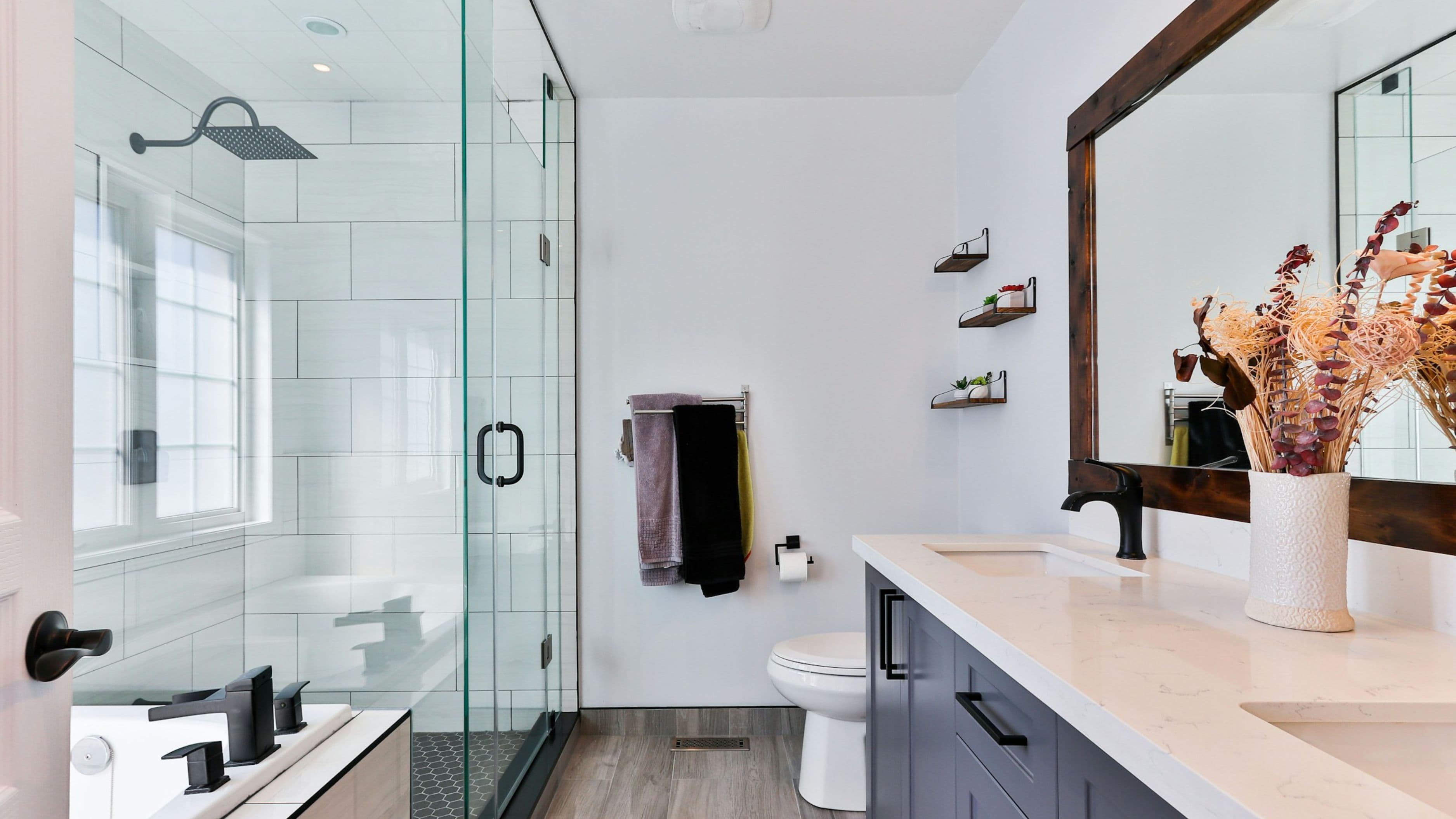
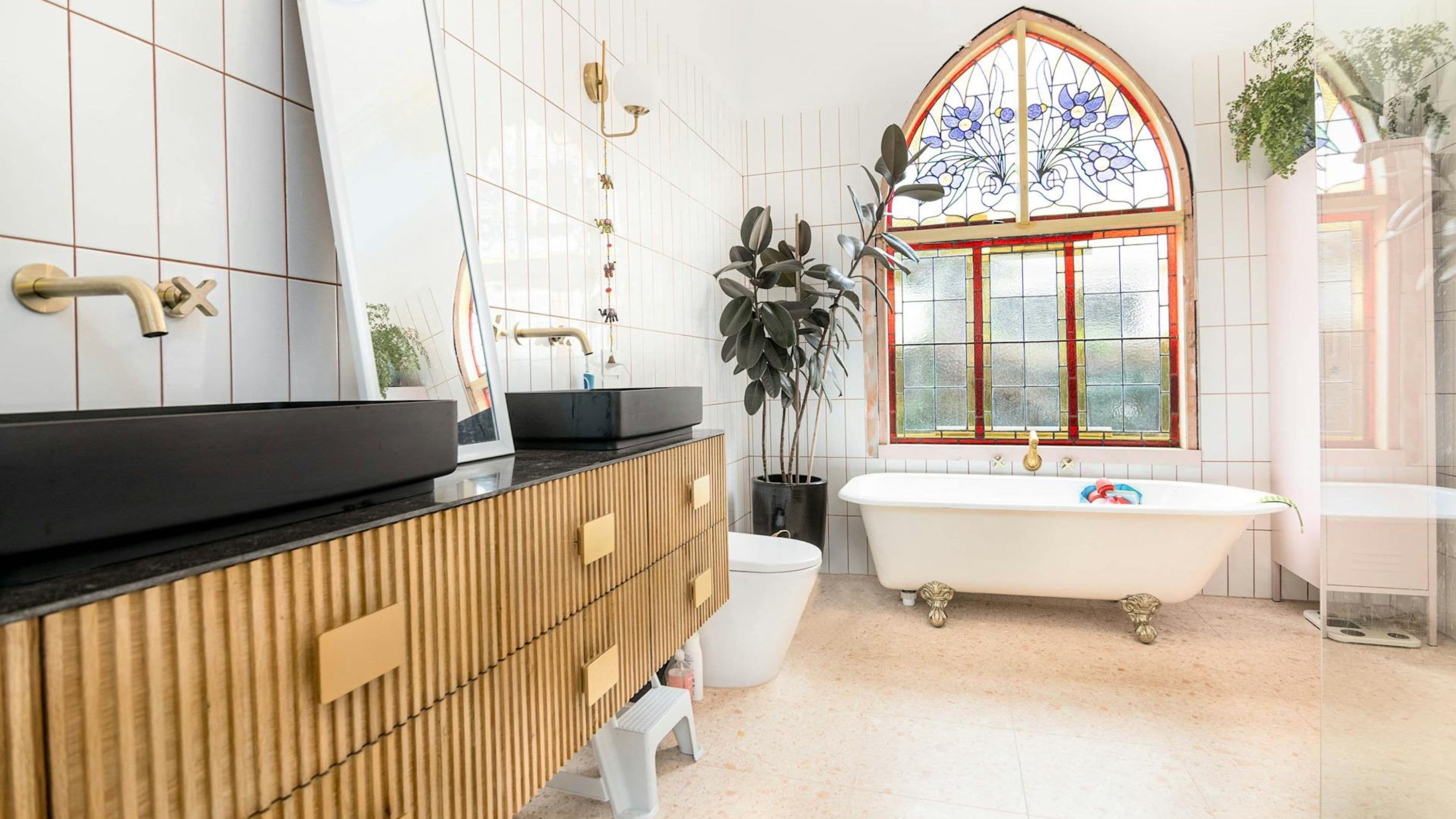
Before purchasing anything, audit what you're working with. The core questions are space, water capacity, ventilation, and electrical access.
Shower vs. bathtub: A bathtub is significantly more useful for contrast therapy than a shower alone. Full-body immersion in cold water produces systemic effects that a cold shower approximates but doesn't replicate – immersion activates the dive reflex and achieves faster whole-body temperature drop. If you have a bathtub, that becomes your primary cold exposure tool. If you only have a shower, you can still run an effective contrast protocol, but you'll need a separate cold plunge vessel for maximum effect.
Space: If you're adding a dedicated cold plunge vessel (chest freezer conversion, inflatable plunge tub, or compact cold plunge unit), you need to assess whether your bathroom floor can accommodate it. A chest freezer conversion holds 80–100+ gallons of water. At approximately 8.3 lbs per gallon, that's 700–830 lbs of static load on your floor. Most residential floors are built to handle 40 lbs per square foot, but concentrated point loads from a chest freezer can exceed this depending on framing. If you have any concern, position the unit against a load-bearing wall or consult a contractor before filling it.
Ventilation: Heat exposure in an enclosed bathroom requires adequate ventilation. If you're upgrading your shower to steam or adding a portable sauna unit, poor airflow creates humidity issues that damage finishes, promote mold, and make heat sessions uncomfortable. A bathroom exhaust fan rated for your square footage is the minimum. For steam or infrared additions, a higher-CFM fan or dedicated vent is worth the investment.
Electrical: Portable infrared saunas and chest freezer conversions both require dedicated circuits. Most chest freezers draw 1–2 amps in maintenance mode but spike during compressor cycles. Running a freezer on an overloaded circuit with other bathroom appliances is a fire hazard and will trip breakers consistently. If your bathroom panel situation is marginal, have an electrician add a dedicated 20-amp circuit before you add high-draw equipment.
Equipment Selection
Cold Side
Option 1: Bathtub + ice. The lowest-cost entry point. Fill the tub, add 20–40 lbs of bagged ice to reach 50–59°F (10–15°C), and you have a functional cold plunge for a single session. The limitation is cost and friction – buying ice for every session adds up and creates a prep barrier that reduces compliance. This is viable for occasional use or for testing whether you'll stick with the protocol before investing further.
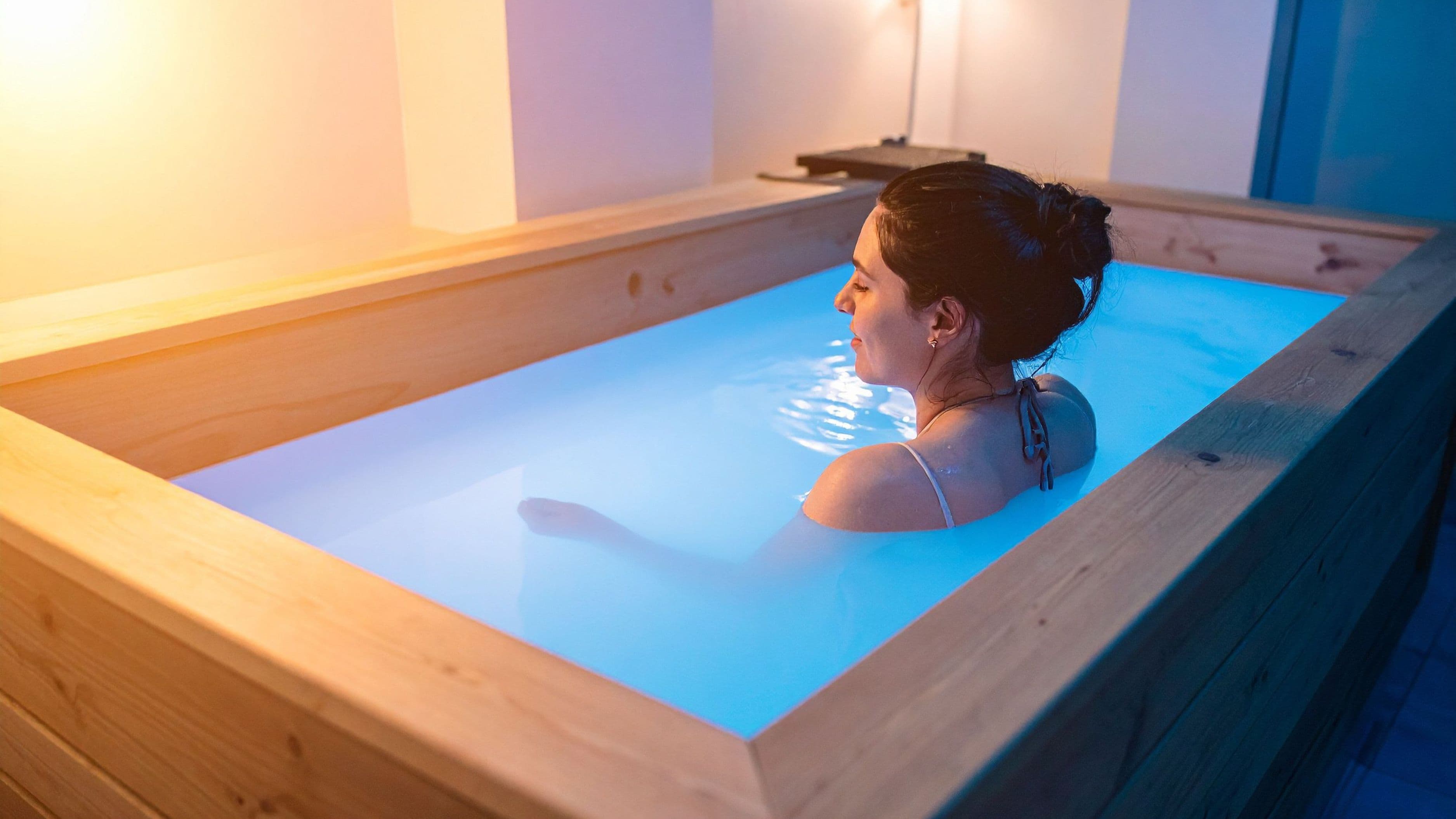
Option 2: Chest freezer conversion. A standard 7–10 cubic foot chest freezer ($150–$250 used) converted to a cold plunge using a temperature controller (Inkbird or equivalent, $30–$50) is the highest-value permanent cold solution. Set the controller to 50–55°F, add a small circulation pump to prevent water stratification, and use a few tablespoons of food-grade hydrogen peroxide or an ozone generator for sanitation. Total cost: $200–$400. This is the approach most serious home biohackers land on because the ongoing cost is effectively zero (electricity, minimal sanitation) and the target temperature holds consistently.
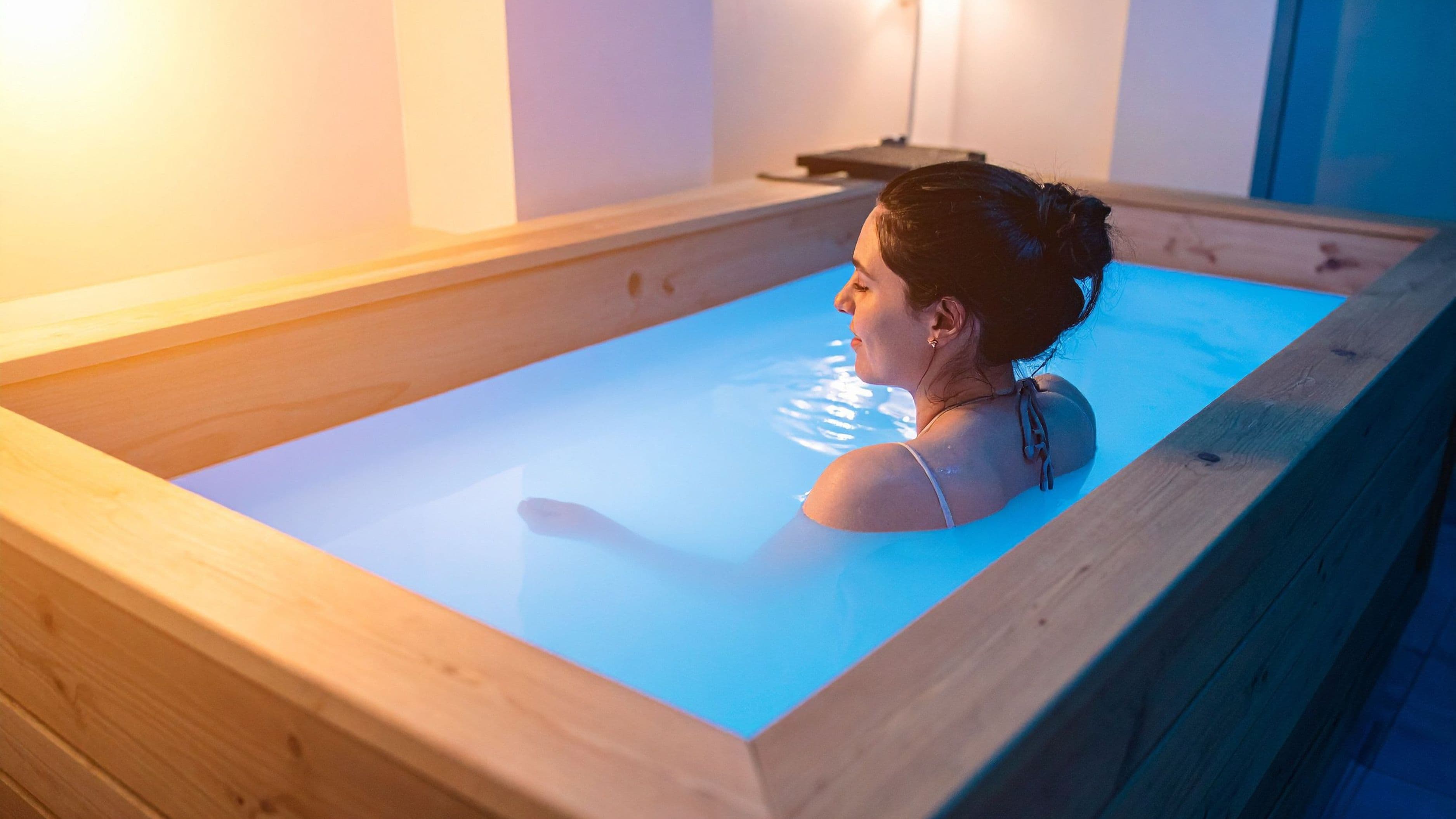
Option 3: Dedicated cold plunge units. Purpose-built units from Plunge, Ice Barrel, or Cold Snap offer consistent temperature control, built-in filtration, and cleaner aesthetics. Prices range from $500 (Ice Barrel, passive cooling) to $5,000+ (Plunge All-In, with active chilling). If budget and space allow, the active chilling units eliminate the need for ice management entirely and hold precise temperatures year-round. They're worth it for consistent daily use; harder to justify for two to three sessions per week.
Heat Side
Option 1: Shower heat protocol. The simplest heat exposure tool is already in your bathroom. A hot shower at 104–110°F for 10–15 minutes elevates core temperature meaningfully and can serve as the heat phase in a contrast cycle. It's less effective than full immersion or steam, but it's zero additional investment and sufficient for entry-level contrast work.
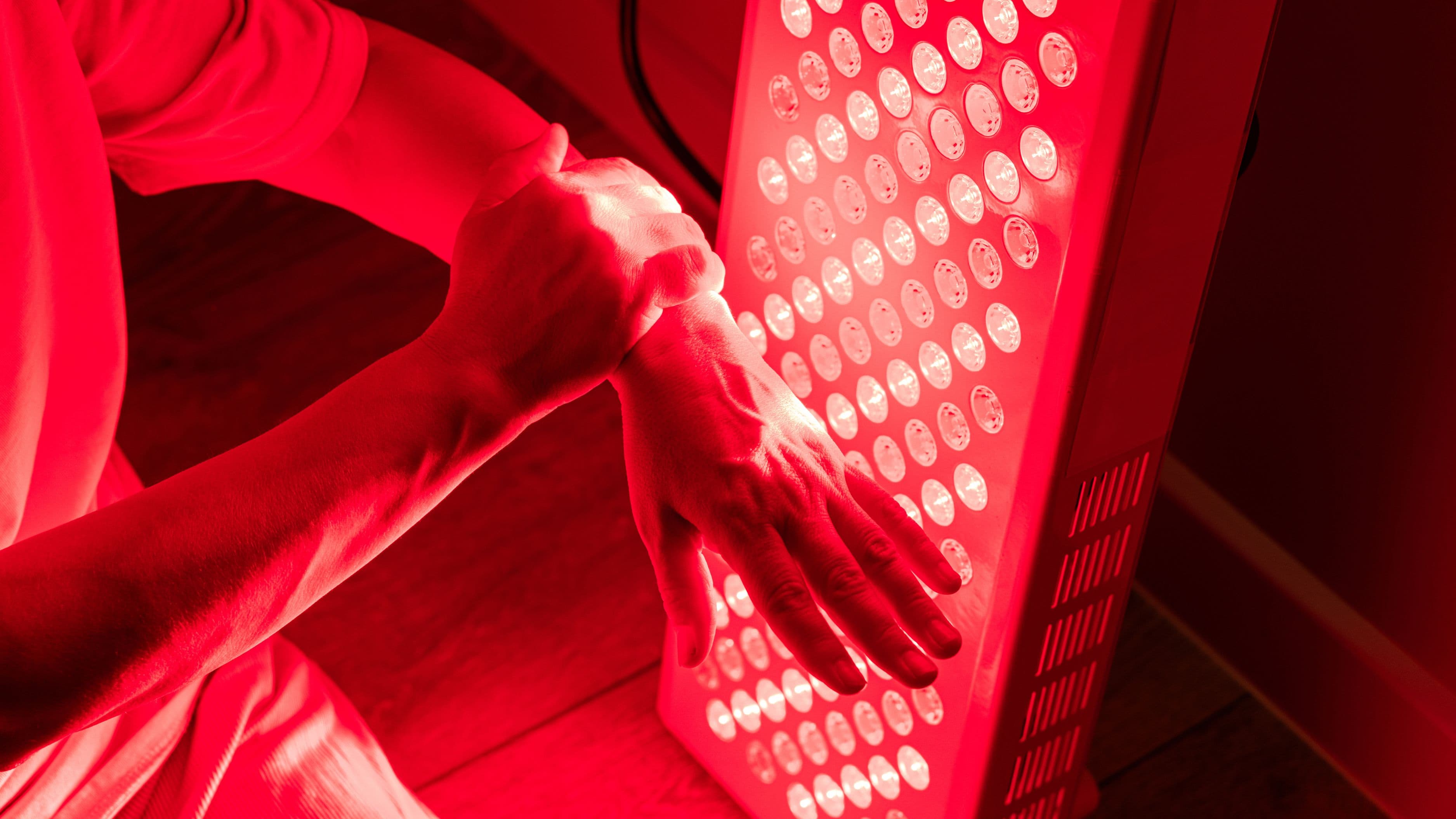
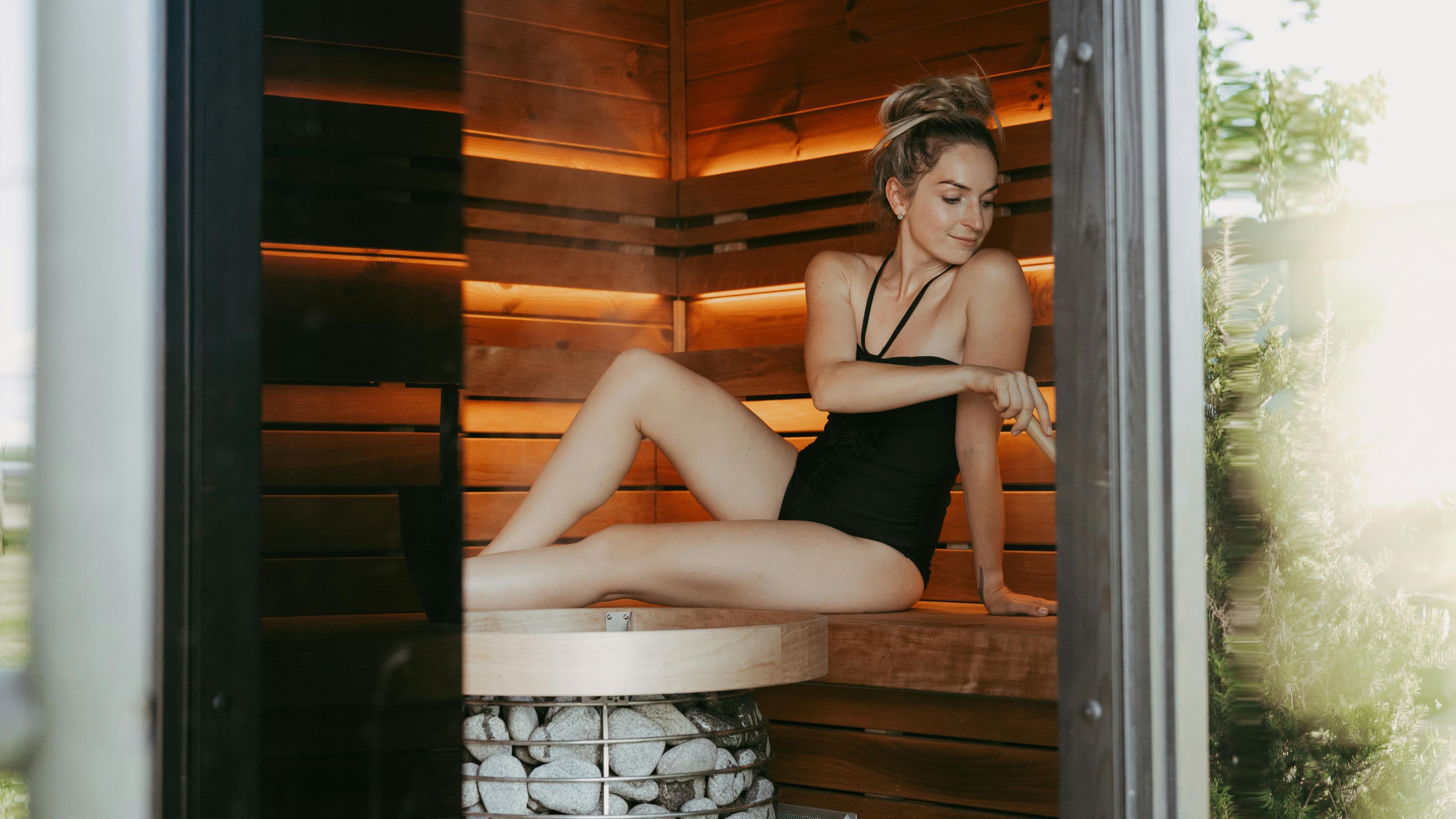
Option 2: Portable infrared sauna. Portable one-person infrared units (Relax, Durherm, or similar) fold flat for storage and plug into a standard outlet. They heat the body primarily through infrared radiation rather than air temperature, which some users find more tolerable and which has its own research base for cardiovascular and metabolic effects. Cost: $200–$600. The limitation is that they're not true saunas – ambient temperature typically reaches only 110–130°F compared to 160–200°F in a traditional Finnish sauna – but they produce meaningful core temperature elevation for contrast cycling purposes.
Option 3: Steam shower upgrade. If your shower is already enclosed, adding a steam generator ($500–$2,000 for the unit, plus installation) converts it into a genuine steam room. Steam at 110–120°F with high humidity produces aggressive core heating and is arguably the best heat source for contrast therapy given how quickly it elevates temperature. Professional installation is required for most units due to waterproofing requirements and the generator's electrical load.
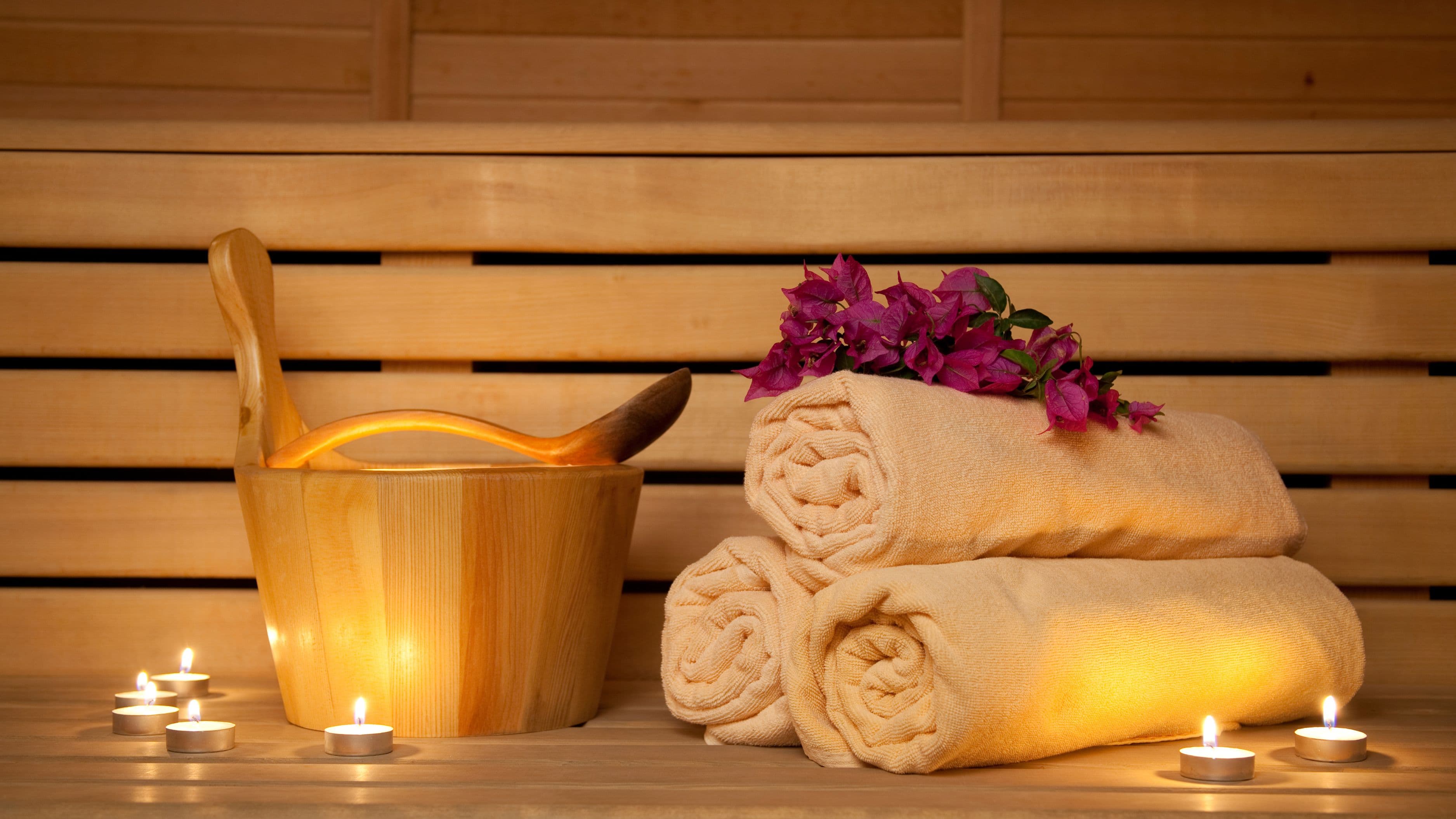
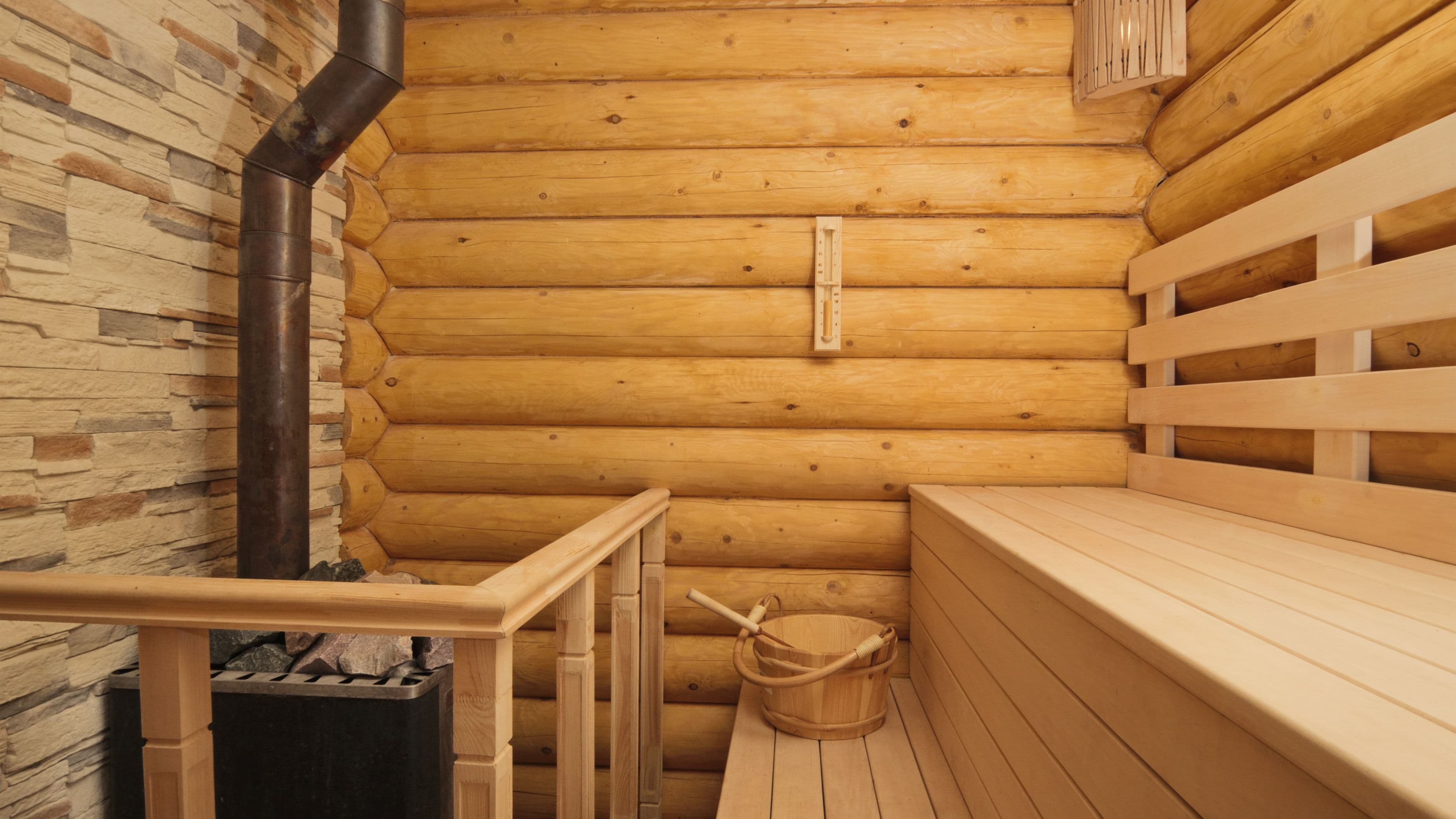
Option 4: Traditional sauna add-on. A pre-built one-person sauna unit ($1,500–$4,000) adjacent to the bathroom is the premium option. If your bathroom is adjacent to a space that can accommodate it – a bedroom corner, a garage area, a finished basement section – this is worth the investment for serious daily users. It provides the full Finnish sauna experience with temperature ranges that portable units can't replicate.
The Contrast Protocol
Once the equipment is in place, the protocol matters as much as the setup. The following is a structured contrast session optimized for post-training recovery.
Session timing: Best performed 1–4 hours post-training. Avoid immediately post-workout when core inflammation is still acutely elevated – allow at least 30–60 minutes before starting. Can also be used as a standalone recovery session on rest days.
Temperature targets:
Hot phase: 104–110°F (40–43°C) for shower or steam; 160–185°F (71–85°C) for traditional sauna
Cold phase: 50–59°F (10–15°C) for full cold plunge effect; cold shower at minimum setting if no plunge is available
Standard contrast cycle (3 rounds):
Round 1 – Heat: 10–12 minutes. Allow core temperature to rise fully. If using sauna, wait until you're sweating from the scalp and feel genuine heat stress. Cold: 2–3 minutes in cold plunge, or 3–4 minutes in cold shower. Full immersion to neck if using a tub or plunge vessel.
Round 2 – Heat: 8–10 minutes. Recovery capacity drops as fatigue accumulates – shorter heat phases are appropriate. Cold: 2–3 minutes.
Round 3 – Heat: 6–8 minutes. Cold: 3–4 minutes. Finish cold. This is the critical protocol point most people get wrong – finishing on heat leaves you vasodilated and blunts the norepinephrine response. End every session with cold.
Total session time: 45–60 minutes including transitions.
Hydration: 500ml of water before the session, 500ml after. Electrolyte replenishment (sodium, potassium, magnesium) is warranted for sessions longer than 45 minutes or if heat exposure produces significant sweat loss.
Optimization Details
Water temperature verification: Don't rely on feel. A $10 waterproof thermometer gives you accurate readings that allow consistent protocol execution. Target temperature and perceived temperature diverge significantly as adaptation occurs.
Cold plunge water hygiene: Change water every 1–2 weeks for a chest freezer conversion with no filtration. With an ozone generator or UV filtration add-on, water can last 3–4 weeks. Test water pH and free chlorine (if using a small amount of chlorine for sanitation) monthly. Neglecting water hygiene in a warm-climate environment turns the plunge into a contamination risk.
Session frequency: Three to five contrast sessions per week is the evidence-supported range for recovery benefits without diminishing returns. Daily contrast cycling for more than 4 weeks without a deload week may reduce acute cold adaptation signaling – cycle 4 weeks on, 1 week of heat-only or passive recovery.
Breathing during cold immersion: Controlled nasal breathing through the first 60–90 seconds of cold exposure is the critical skill. The cold shock response triggers hyperventilation – controlled breathing overrides this and allows you to maintain composure at lower temperatures for longer durations. Box breathing (4 counts in, hold 4, out 4, hold 4) works effectively.
Common Mistakes
Finishing on heat. The most consistent protocol error. Ending with heat dissipates the vasoconstriction and norepinephrine response that makes the cold phase physiologically productive. Always finish cold, regardless of preference.
Cold exposure that's too brief. Thirty-second cold showers are not contrast therapy. Cold phases should be a minimum of 2 minutes to drive meaningful cardiovascular response. Build toward 3–4 minutes as tolerance improves.
Skipping hydration. Heat sessions drive significant sweat loss. Combining three rounds of heat in a single session without fluid intake accelerates fatigue, increases heart rate response, and impairs the quality of subsequent cold phases.
Over-relying on the shower for cold exposure. A cold shower approximates but does not replicate cold water immersion. The insulating effect of the air-water interface in a shower means your body loses heat significantly slower than in a plunge. If performance-level recovery is the goal, full immersion is the standard worth building toward.
Expected Results and Timeline
Acute effects are noticeable within the first one to two sessions: reduced post-training soreness, improved sleep onset that evening, and a pronounced mood and alertness effect in the hours following cold exposure. These are reliable and repeatable.
Accumulated benefits develop over 4–8 weeks of consistent use: measurably improved HRV trend, reduced baseline inflammation, improved cold tolerance (critical for extending cold phase duration), and cardiovascular conditioning effects from repeated vasodilation/vasoconstriction cycling. Users tracking morning HRV with a Whoop or Oura ring typically see a 5–15% improvement in HRV scores over this window with consistent contrast therapy.
Hormonal effects – particularly growth hormone upregulation from heat exposure and sustained norepinephrine elevation from cold – are cumulative. The research on Finnish sauna use (Laukkanen, 2018) documents cardiovascular and all-cause mortality benefits emerging over years of consistent use. This isn't a 30-day protocol. It's a permanent infrastructure investment.
FAQ
Does the order matter – cold first or heat first? Heat first is the standard evidence-supported sequence. Beginning with heat elevates core temperature, loosens muscle tissue, and drives vasodilation that the cold phase then reverses sharply. Starting cold and finishing hot produces vasodilation at the end, which blunts the norepinephrine and vasoconstriction benefits of cold exposure.
Can I do contrast therapy every day? Yes, with caveats. Daily sessions are viable, but cold exposure on the same day as strength training may blunt hypertrophic signaling if done immediately post-workout. A 4–6 hour gap between training and contrast therapy, or reserving contrast for non-training days and using heat-only post-training, optimizes both recovery and adaptation.
What's the minimum setup that still produces real results? A bathtub with bagged ice for cold and a hot shower for heat. It requires prep work each session but delivers the core contrast cycling effect. Budget: $20–$40 per session in ice costs. Upgrade to a chest freezer conversion when you've confirmed the protocol is worth the sustained investment.
Is contrast therapy safe with cardiovascular conditions? Cold immersion produces an acute spike in heart rate and blood pressure. Individuals with diagnosed cardiovascular conditions, hypertension, Raynaud's phenomenon, or a history of cardiac events should consult a physician before starting cold immersion protocols. This isn't a liability disclaimer – it's a physiological reality that acute cardiovascular stress is part of the mechanism.
How cold does the cold phase actually need to be? Research on cold water immersion for recovery consistently uses water temperatures between 50–59°F (10–15°C). Below 50°F produces faster adaptation effects but also higher cold shock risk and significantly shorter tolerable immersion times. Above 59°F reduces the physiological response, particularly norepinephrine release. The 50–59°F range is the evidence-supported target.
📚 Sources
Bieuzen F, Bleakley CM, Costello JT – Contrast Water Therapy and Exercise-Induced Muscle Damage: A Systematic Review and Meta-Analysis (PLOS ONE, 2013): https://pubmed.ncbi.nlm.nih.gov/23741310/
Laukkanen T et al. – Cardiovascular and Other Health Benefits of Sauna Bathing: A Review of the Evidence (Mayo Clinic Proceedings, 2018): https://pubmed.ncbi.nlm.nih.gov/30077204/
Stocks JM et al. – Human Physiological Responses to Cold Exposure (Aviation Space and Environmental Medicine, 2004): https://pubmed.ncbi.nlm.nih.gov/15018288/
Mooventhan A, Nivethitha L – Scientific Evidence-Based Effects of Hydrotherapy on Various Systems of the Body (North American Journal of Medical Sciences, 2014): https://pubmed.ncbi.nlm.nih.gov/24926444/
Bleakley CM, Davison GW – What is the Biochemical and Physiological Rationale for Using Cold-Water Immersion in Sports Recovery? (British Journal of Sports Medicine, 2010): https://pubmed.ncbi.nlm.nih.gov/19945954/
Peake JM et al. – The Effects of Cold Water Immersion and Active Recovery on Inflammation and Cell Stress Responses in Human Skeletal Muscle After Resistance Exercise (Journal of Physiology, 2017): https://pubmed.ncbi.nlm.nih.gov/28133769/