
The two most common home sauna options are the outdoor barrel sauna (wood-burning or electric, using convective heat) and the indoor infrared cabinet (near, mid, or far infrared). These are fundamentally different tools with different mechanisms, different physiological effects, different installation requirements, and different use cases. The marketing around both categories is aggressive and often misleading. This breakdown cuts through it.
The Core Distinction: Heat Mechanism
Understanding the physiological difference between these two formats is the prerequisite for making an informed decision.
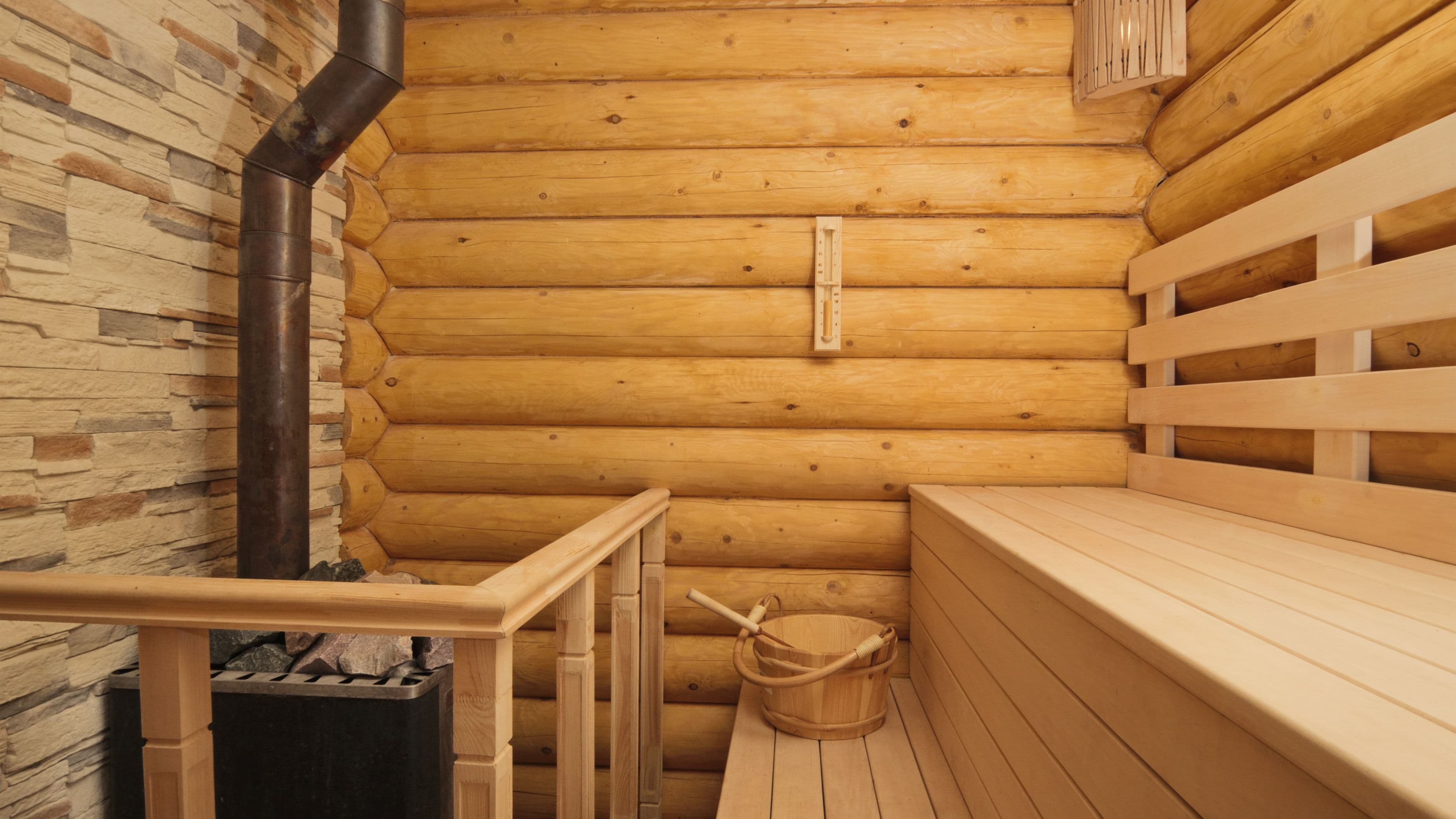
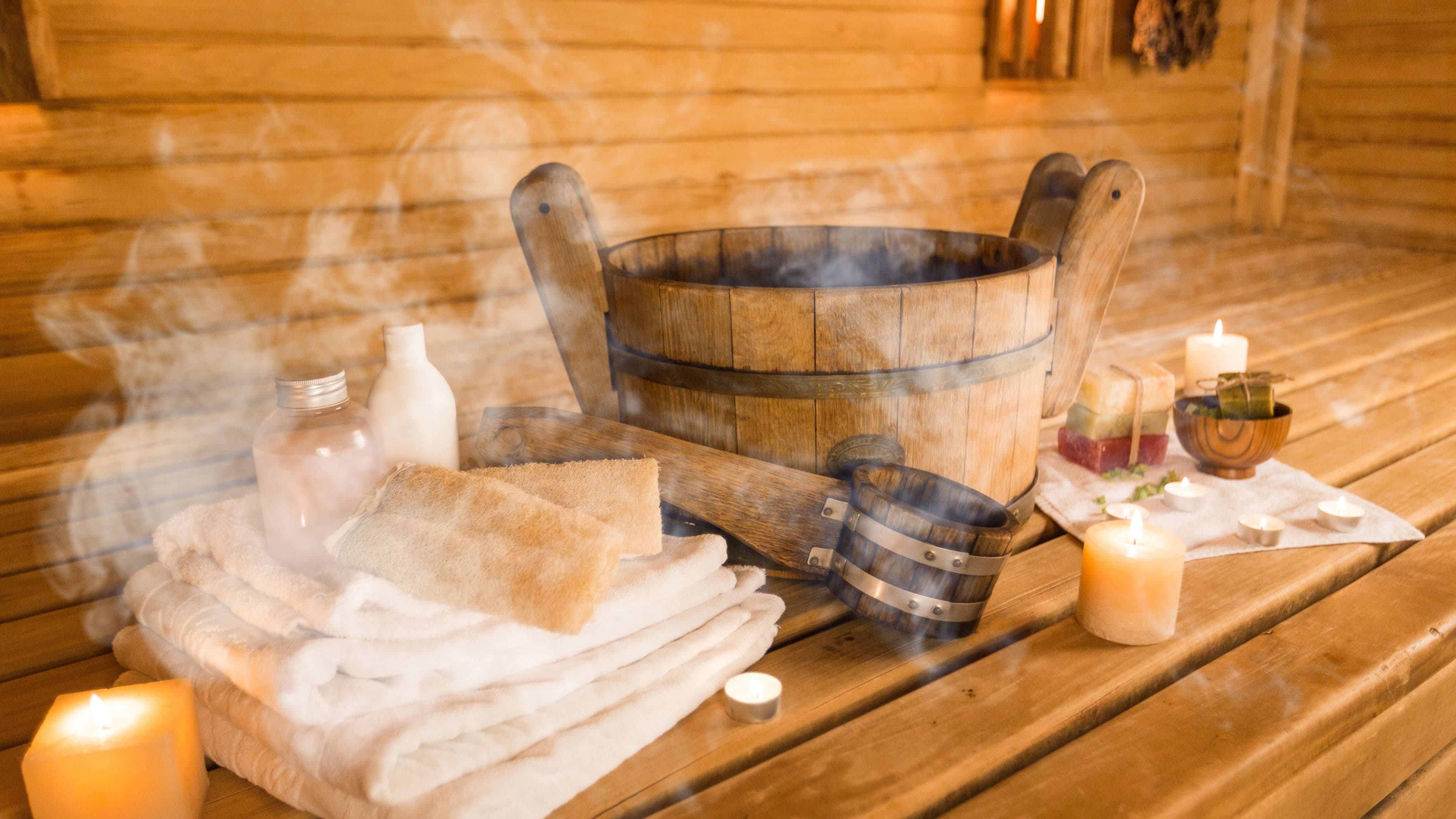
Barrel saunas operate on convective and radiant heat. A wood-burning kiuas or electric heater raises the air temperature in the enclosed space to 70–100°C (160–212°F). Your body heats primarily through convection – hot air transferring thermal energy to your skin – with secondary radiant heat from the hot surfaces. The high ambient temperature and high humidity potential (via löyly, or steam from water poured on heated rocks) creates the sauna experience familiar from Finnish tradition. Your core body temperature rises meaningfully, typically 1–2°C during a 15–20 minute session, triggering a systemic cardiovascular and hormetic response.
Infrared cabinets operate on radiant heat at lower ambient temperatures, typically 45–65°C (115–150°F). Infrared wavelengths – particularly far-infrared in the 7–14 micron range – are absorbed directly by tissue rather than heating the surrounding air first. The common marketing claim is that infrared "heats you from the inside out," which is a loose description of the mechanism: far-infrared is absorbed in the superficial dermal layers (approximately 1.5mm depth), warming tissue directly rather than relying on air temperature to drive convective heat transfer. This produces sweating at lower ambient temperatures and with less acute cardiovascular stress than a traditional sauna session at equivalent duration.
The physiological implications of this difference are significant and frequently misrepresented in infrared sauna marketing.
Physiological Outcomes: What the Research Actually Shows
The bulk of peer-reviewed research on sauna health benefits – cardiovascular, all-cause mortality, cognitive, hormonal – is based on Finnish sauna tradition, meaning high-temperature, high-humidity convective heat. The landmark work from the University of Eastern Finland, including Laukkanen et al.'s long-term studies published in JAMA Internal Medicine and the American Journal of Cardiology, tracked outcomes in Finnish men using traditional saunas at 80°C+ multiple times per week. The cardiovascular risk reductions, improvements in arterial compliance, and associations with reduced all-cause mortality are data from that context.
Far-infrared sauna research is smaller in volume and generally shows benefits in specific areas: improved endothelial function, reduction in chronic pain markers, some evidence for improved cardiovascular markers in clinical populations. A 2009 study in the Journal of Cardiac Failure showed benefits for congestive heart failure patients using far-infrared at 60°C. The research base is real but narrower than what many infrared sauna brands imply when they reference "sauna science" broadly.
The practical implication: if your primary driver is the cardiovascular, longevity, and hormetic stress outcomes documented in the strongest long-term research, high-temperature convective heat (barrel or traditional sauna) has the stronger evidence base. If your primary goals are relaxation, mild chronic pain management, and a lower-intensity heat exposure that's tolerable for longer sessions, far-infrared cabinets are well-supported for those outcomes.
Heat shock protein (HSP) induction – one of the key molecular mechanisms behind sauna's recovery benefits – requires sustained core temperature elevation. Both formats can achieve this, but traditional high-temperature saunas do it faster and with greater intensity. For HSP induction and growth hormone release associated with acute heat stress, the evidence favors higher temperatures.
Barrel Sauna: Breakdown
Construction and heat type. Outdoor barrel saunas are typically constructed from western red cedar, Nordic spruce, or thermally modified wood. The cylindrical shape is not purely aesthetic – the curved interior creates efficient air circulation with no dead corners, and the design sheds rain and snow effectively for outdoor placement. Heating options are wood-burning kiuas (the authentic Finnish option) or electric heater. Electric heaters require electrical supply to the installation site; wood-burning units require a proper chimney flue and compliance with local fire codes.
Temperature and humidity range. 70–100°C air temperature with the ability to generate steam via water poured on heated rocks. This combination of high dry heat with humidity bursts is the full Finnish protocol and produces a different physiological experience than either dry heat or infrared alone. The löyly response – a brief spike in perceived heat from steam – drives rapid sweating and cardiovascular response. For users chasing the complete protocol documented in the Finnish research, this replication matters.
Session structure. Standard protocol: 10–20 minute heat exposure, exit and cool aggressively (cold plunge, cold shower, or outdoor exposure in cold climates), rest 5–10 minutes, repeat 2–4 rounds. Total session time 45–90 minutes. Heat-up time from cold for a properly sized barrel sauna is 30–60 minutes for electric, longer for wood-burning.
Practical advantages:
Authentic high-temperature heat experience with steam capability
Outdoor placement keeps heat and humidity out of living spaces
Wood-burning option requires no electrical hookup at the installation site
Durable construction; quality cedar units last 20+ years with minimal maintenance
Higher resale value contribution to property than indoor units
Accommodates multiple users effectively
Practical limitations:
Pre-heat time: 30–60 minutes for electric, longer for wood-burning – not a spontaneous-use tool
Requires outdoor space and appropriate site preparation (level base, electrical or fuel access)
Wood-burning units require sourcing, storing, and splitting firewood
Climate-dependent outdoor experience – extreme cold or heat affects usability
Higher total installation cost when site prep is factored in
Not viable for apartment or urban dwellings without outdoor access
Price range. Quality outdoor barrel saunas: $3,000–$10,000+ for the unit, plus $500–$3,000+ for site preparation, electrical work, and installation depending on complexity.
Infrared Cabinet: Breakdown
Construction and heat type. Indoor infrared cabinets are typically constructed from hemlock, basswood, or cedar panels housing infrared emitter panels – carbon fiber, ceramic, or full-spectrum emitters depending on the unit. They operate at 45–65°C ambient temperature and produce far-infrared (and in full-spectrum units, near and mid-infrared) radiation. No steam is possible in a standard infrared cabinet – the heat mechanism is entirely radiant.
Temperature and humidity range. 45–65°C dry heat only. The lower ambient temperature means the experience is less acutely stressful than a traditional sauna – tolerable for users who find 80–100°C environments physiologically uncomfortable or medically contraindicated. Some users find they can sustain 30–45 minute sessions in an infrared cabinet that they couldn't manage at traditional temperatures, which may improve total thermal dose despite lower peak temperatures.
Session structure. Typical protocol: pre-heat 10–15 minutes, 30–45 minute session at target temperature. No cold contrast is built into the protocol in the same way, though pairing with cold exposure post-session is strongly recommended for anyone using sauna as a performance recovery tool. Heat-up time from cold: 10–20 minutes.
Practical advantages:
Indoor installation – no outdoor space required
Fast heat-up time enables spontaneous use
Lower ambient temperature is more accessible for longer sessions and for users with cardiovascular sensitivities
Easier electrical installation (most units run on standard 120V or 240V household circuits)
No humidity means no moisture management in the installation space
Compact footprint available in single-person units
Practical limitations:
Cannot replicate the high-temperature, steam-humidity experience documented in Finnish sauna research
Indoor placement means heat and humidity (from sweating) accumulate in living space – ventilation matters
Carbon/ceramic emitter panels degrade over time and may require replacement
Lower perceived intensity may reduce adherence for users who prefer the acute challenge of high-heat exposure
Full-spectrum infrared units with meaningful near-infrared output are significantly more expensive than standard far-infrared models
Quality varies enormously across price points – low-cost units often have poor emitter coverage and EMF shielding
Price range. Entry-level infrared cabinets: $800–$2,000 (quality is highly variable at this range). Mid-range quality units: $2,500–$5,000. Full-spectrum units from reputable manufacturers (Sunlighten, Clearlight): $4,000–$8,000+.
EMF Considerations for Infrared Cabinets
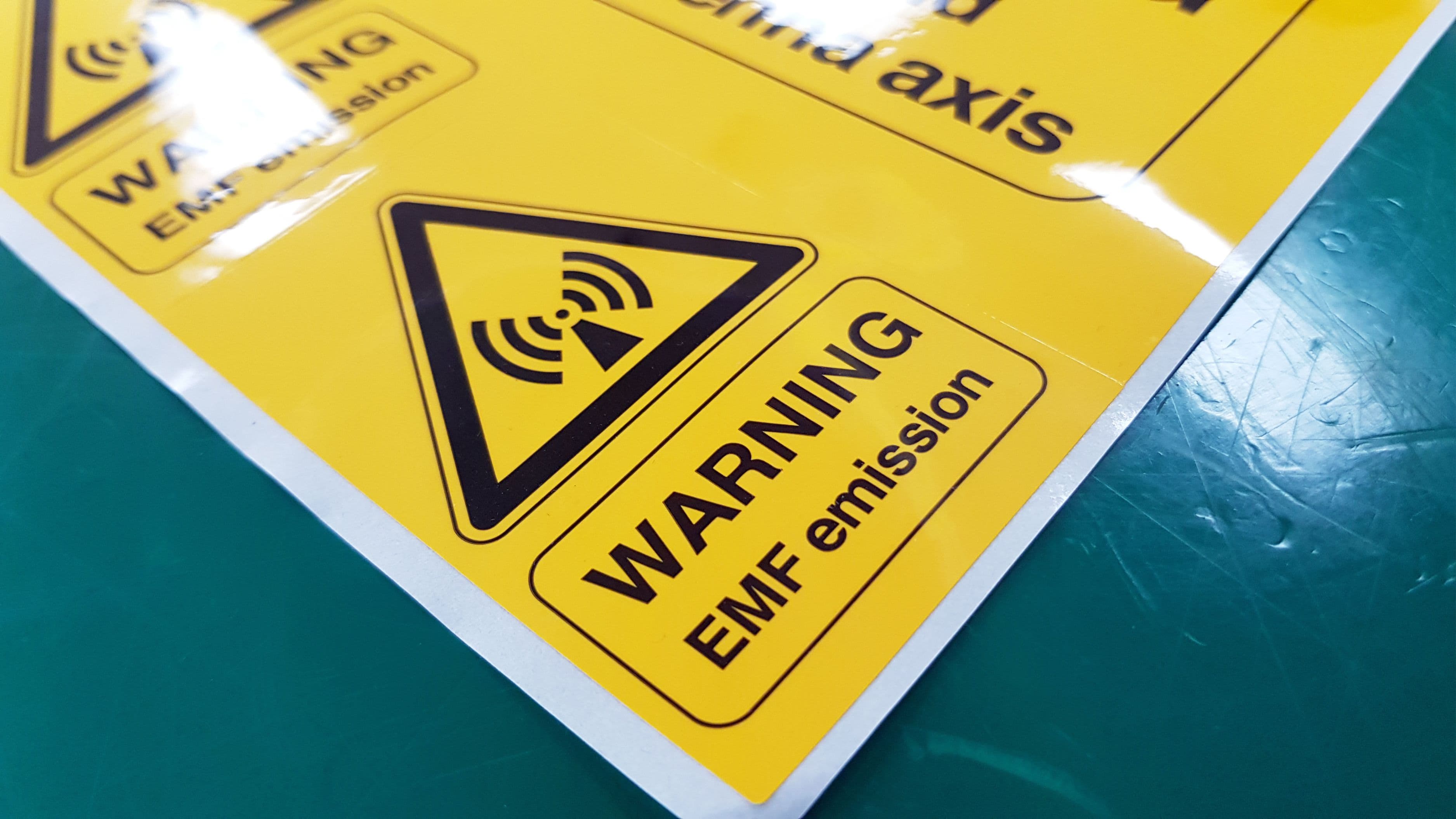
This deserves direct address because it's frequently raised and frequently handled poorly in either direction. Infrared sauna cabinets emit extremely low frequency (ELF) electromagnetic fields from their heating elements. The question of whether ELF EMF at these exposure levels poses meaningful health risk is genuinely unresolved in the research – the WHO classifies ELF as a possible carcinogen (Group 2B) based on limited epidemiological data, which is a precautionary classification, not a confirmed risk signal.
The practical implication: if EMF exposure is a priority concern, look specifically for units with low-EMF or near-zero EMF emitter panels and independent third-party EMF testing data (not manufacturer self-certification). Brands like Clearlight and Sunlighten publish independent ELF/EMF test results. For reference, ELF exposure from a quality low-EMF infrared cabinet at normal seating distance is generally comparable to or lower than typical household appliance exposure.
Barrel saunas with electric heaters also produce ELF fields from the heating element, but seated distance from the heater in a barrel configuration is typically greater, reducing exposure by the inverse square law. Wood-burning units produce no EMF from the heat source.
Decision Framework: Choose Based on Your Actual Variables
You have outdoor space and are willing to invest in proper site preparation
Your primary goals are cardiovascular health, hormetic stress, and longevity outcomes documented in high-temperature sauna research
You want the full Finnish protocol including steam (löyly)
You value durability and long-term investment with outdoor property impact
You prefer wood-burning authenticity or want to operate without electrical dependency
You're pairing with an outdoor cold plunge and want a cohesive outdoor recovery setup
Choose an infrared cabinet if:
You live in an apartment, urban environment, or have no usable outdoor space
Convenience and fast heat-up time are operational priorities
You have cardiovascular sensitivities that make high-temperature exposure inadvisable
Your primary use cases are relaxation, mild chronic pain management, and lower-intensity heat sessions
You're working with a tighter total budget and can't absorb installation costs
You want a simple plug-and-use solution with minimal infrastructure
Consider both if:
Budget and space allow – these tools are genuinely complementary. High-temperature sauna for acute hormetic stress and cardiovascular training; infrared for lower-intensity daily recovery sessions. Some serious biohackers maintain both for exactly this reason.
What to Avoid
Low-cost infrared cabinets from unverified manufacturers represent poor risk-adjusted value. The emitter panel quality, EMF shielding, and wood construction in sub-$1,500 units is typically insufficient to deliver the therapeutic outcomes the marketing implies. A quality infrared unit costs $3,000+. Below that, you're often buying a hot box with infrared branding.
Pre-built barrel saunas from big-box retailers using low-grade lumber or inadequate insulation will degrade rapidly in outdoor conditions. Cedar quality matters for weather resistance and thermal performance. Inspect construction quality specifications before purchasing, or work with a specialist supplier rather than a general retailer.
Neither format should be purchased based on claims about specific health outcomes stated as certainties. The research supports meaningful associations and mechanisms – it does not support the specific quantified claims many manufacturers make about detoxification percentages, cortisol reduction, or weight loss.
FAQ
Can I use an infrared cabinet outdoors? Most infrared cabinets are designed for indoor use only. The electronics and panel construction are not weatherproofed for outdoor exposure. There are outdoor-rated infrared units available, but they're less common and more expensive. For outdoor use, a barrel sauna is the purpose-built option.
Which is better for testosterone and growth hormone? Acute heat stress driving core temperature elevation is the relevant variable for hormonal response. Higher temperature traditional saunas produce more acute stress and a more pronounced acute growth hormone response. Both formats can stimulate heat shock proteins and associated hormonal responses, but the traditional high-temperature protocol has stronger evidence for acute GH release.
How often should I use either format? The Laukkanen et al. data associated strongest cardiovascular and longevity benefits with 4–7 sessions per week at high temperature. For infrared cabinets, daily use at 30–45 minutes is commonly cited and generally well-tolerated. Hydration before and after each session is non-negotiable – both formats drive significant fluid and electrolyte loss.
Is a barrel sauna viable in cold climates? Yes – cold climate outdoor use is the native context for Finnish sauna culture. Proper insulation of the barrel (look for 40mm+ wall thickness and double-pane windows) ensures efficient heating even in sub-zero temperatures. Wood-burning units are particularly practical in cold climates where electrical site prep may be challenging.
What's the maintenance commitment for each? Barrel saunas require periodic cleaning, re-sealing of exterior wood (every 2–3 years depending on climate exposure), and heater maintenance. Wood-burning units require ash management and chimney inspection annually. Infrared cabinets require wiping down interior panels after use and periodic inspection of emitter panels and wiring – lower total maintenance burden than a barrel sauna.
📚 Sources
Laukkanen, T. et al. (2015) – Association Between Sauna Bathing and Fatal Cardiovascular and All-Cause Mortality Events. JAMA Internal Medicine: https://jamanetwork.com/journals/jamainternalmedicine/fullarticle/2130724
Kihara, T. et al. (2009) – Effects of Repeated Sauna Treatment on Ventricular Arrhythmias. Journal of Cardiac Failure: https://pubmed.ncbi.nlm.nih.gov/19581953/
Hussain, J. & Cohen, M. (2018) – Clinical Effects of Regular Dry Sauna Bathing: A Systematic Review. Evidence-Based Complementary and Alternative Medicine: https://www.ncbi.nlm.nih.gov/pmc/articles/PMC5941775/
WHO – Extremely Low Frequency Fields (ELF EMF) Environmental Health Criteria: https://www.who.int/publications/i/item/9241572213
Crinnion, W.J. (2011) – Sauna as a Valuable Clinical Tool for Cardiovascular, Autoimmune, Toxicant-induced and Other Chronic Health Problems. Alternative Medicine Review: https://pubmed.ncbi.nlm.nih.gov/21867795/
🔍 Explore Related Topics
Full-spectrum vs far-infrared sauna: what's the real difference
Sauna frequency and cardiovascular health: what the research shows
Clearlight vs Sunlighten: infrared sauna comparison