
This isn't about mega-dosing a trendy supplement. It's about understanding a well-established mechanism that a meaningful percentage of active men run suboptimal on without realizing it.
The Mechanism: Why Zinc Matters for Testosterone
Zinc functions as a cofactor in multiple enzymatic pathways involved in testosterone synthesis, including processes in the testes that convert precursor hormones into active testosterone. Research has consistently shown that experimentally induced zinc deficiency lowers serum testosterone levels in previously zinc-replete men, and that correcting the deficiency restores levels toward baseline.
Zinc also plays a role in regulating the pituitary-gonadal axis, the hormonal signaling chain that tells your body to produce testosterone in the first place. Low zinc status can blunt this signaling, meaning the downstream effect isn't limited to raw material availability, it also touches the regulatory system controlling production.
The Mechanism: Why Zinc Matters for Immune Function
Zinc is required for the development and function of nearly every immune cell type, including T-cells, which coordinate much of the adaptive immune response. It also has direct antiviral properties, interfering with viral replication in several well-studied pathogens, which is part of why zinc lozenges gained popularity for reducing cold duration.
Deficiency impairs both the innate immune response, your body's first line of defense, and the adaptive response, the more targeted system that develops after exposure to a specific pathogen. This dual impact is why zinc-deficient individuals tend to experience more frequent infections and slower recovery times.
Why Deficiency Often Goes Unnoticed
Zinc deficiency rarely announces itself with a dramatic symptom. Instead, it shows up as a cluster of subtle issues: slightly elevated frequency of colds, slower wound healing, reduced sense of taste or smell, and a training plateau that gets attributed to overtraining or poor sleep rather than micronutrient status.
Standard blood panels don't always include zinc, and even when tested, serum zinc levels don't perfectly reflect tissue-level status, meaning mild to moderate deficiency can persist undetected for extended periods.
Who's Most at Risk
Athletes and heavily active men lose zinc through sweat at a higher rate than sedentary individuals, which increases requirements beyond standard dietary recommendations. Diets low in red meat and shellfish, two of the most bioavailable zinc sources, also increase risk, as plant-based zinc sources contain phytates that inhibit absorption.
High alcohol intake accelerates zinc excretion through urine, and chronic gut issues that impair nutrient absorption, including some forms of inflammatory bowel conditions, can also drive functional deficiency even when dietary intake appears adequate on paper.
The Protocol
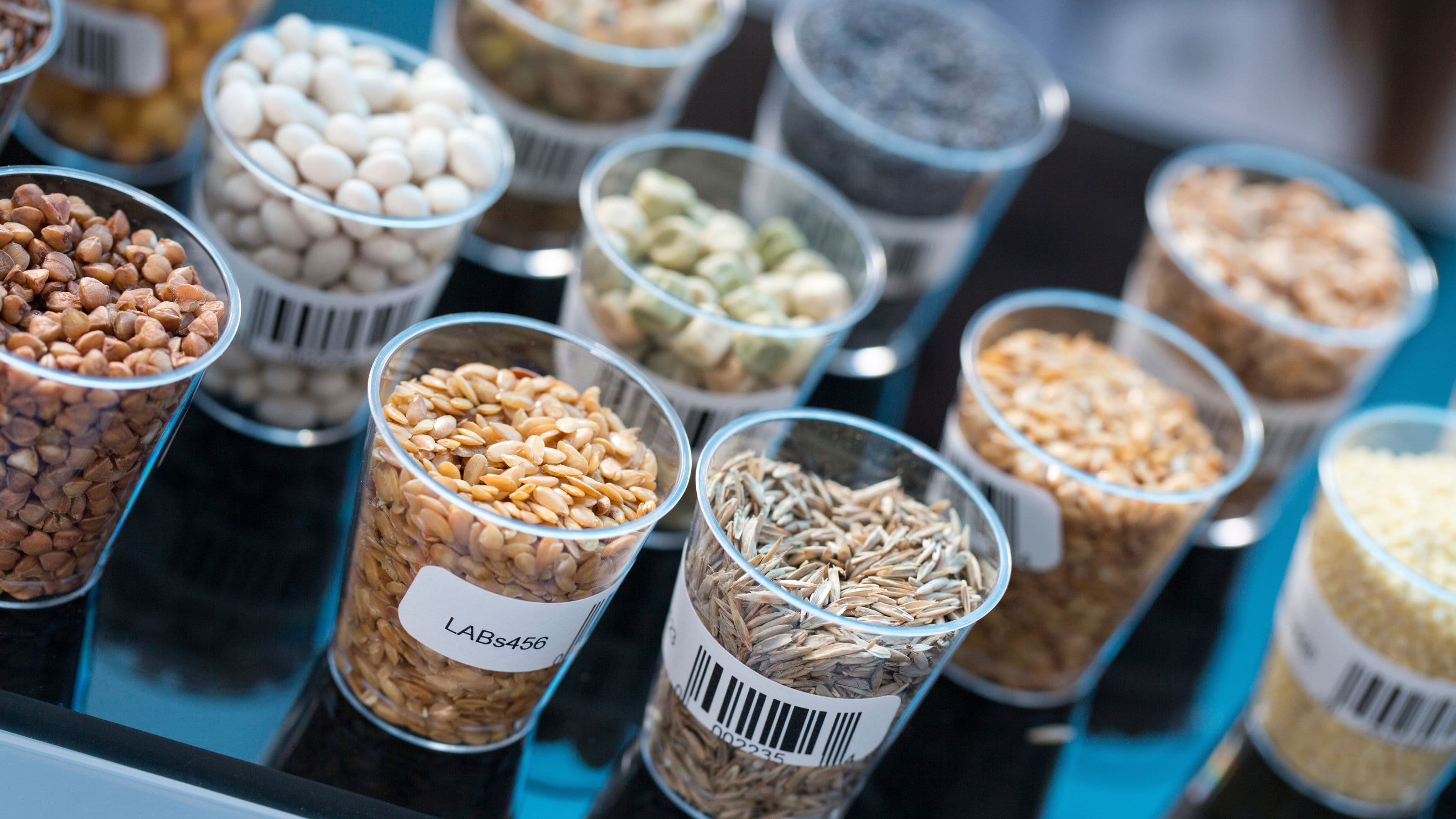
Start with dietary sources before considering supplementation. Oysters contain the highest concentration of bioavailable zinc of any food, followed by beef, pumpkin seeds, and lentils. For most active men, incorporating a zinc-rich food source several times per week meaningfully improves status.
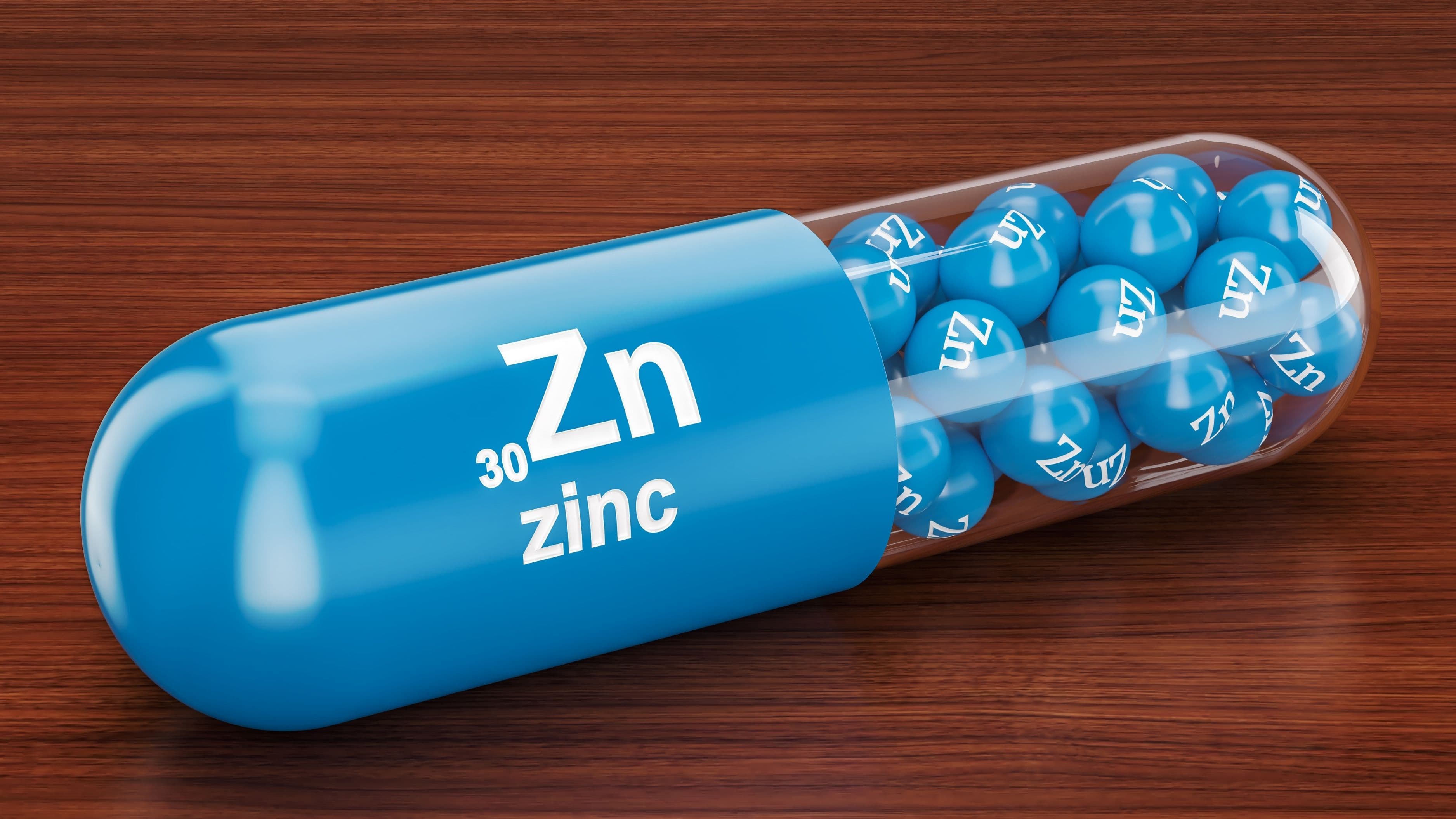
If supplementing, zinc picolinate and zinc citrate are generally better absorbed than zinc oxide. A typical maintenance dose runs 15 to 30 mg daily, though higher therapeutic doses are sometimes used short-term under guidance for confirmed deficiency. Take zinc away from high-calcium meals or dairy, since calcium can interfere with zinc absorption.
Copper depletion is a real risk with prolonged high-dose zinc supplementation, since the two minerals compete for absorption. If supplementing above 40 mg daily for extended periods, pairing with a small amount of copper, roughly 1 to 2 mg, is a standard precaution used in clinical protocols.
Expected Results and Timeline
If you're correcting a genuine deficiency, measurable changes in immune resilience, fewer or shorter colds, tend to show up within four to eight weeks of consistent intake. Testosterone changes take longer to assess reliably, since hormonal levels fluctuate and require repeat testing over a similar or longer window to confirm a genuine trend rather than normal day-to-day variance.
It's worth being clear about what this protocol won't do. If your zinc status is already adequate, additional supplementation won't push testosterone above your natural baseline, this is a correction protocol, not an enhancement one. The research supporting zinc's testosterone effect is specifically in deficient populations, not a general dose-dependent boost in already-replete individuals.
Risks and Mistakes to Avoid
Chronic high-dose zinc supplementation without medical guidance can cause copper deficiency, which carries its own set of problems including anemia and neurological symptoms in severe cases. Excessive zinc intake can also cause gastrointestinal upset, including nausea, when taken on an empty stomach.
Don't assume every training plateau or immune dip is zinc-related, plenty of other factors, sleep debt, caloric deficit, overtraining, produce similar symptoms. Testing actual zinc status, or working through a structured elimination and reintroduction of zinc-rich foods, is a more reliable approach than blind supplementation at high doses.
FAQ
Can I get enough zinc through diet alone? For many people, yes, particularly those who regularly eat red meat, shellfish, or pumpkin seeds. Athletes with high sweat losses or plant-heavy diets often benefit from more deliberate attention to zinc intake.
Is zinc supplementation safe long-term? At moderate maintenance doses, generally yes. Extended high-dose supplementation without copper balancing carries real risk and isn't recommended without guidance.
How do I know if I'm actually deficient? A blood test can offer a partial picture, but given the limitations of serum zinc testing, tracking symptoms alongside a trial period of increased zinc-rich food intake is a practical starting point.
The Bottom Line
Zinc is one of the more underrated levers in both hormonal and immune performance, precisely because its deficiency symptoms are easy to misattribute to something else. Prioritizing zinc-rich foods, being strategic about supplementation, and avoiding the common mistake of unchecked high-dose use gives you a real, evidence-backed edge without unnecessary risk.
📚 Sources
Prasad AS et al. – Zinc Status and Serum Testosterone Levels of Healthy Adults – Nutrition Journal – ncbi.nlm.nih.gov
National Institutes of Health Office of Dietary Supplements – Zinc Fact Sheet – ods.od.nih.gov
Wessels I et al. – Zinc as a Gatekeeper of Immune Function – Nutrients – mdpi.com