
The question isn't whether to address air quality. The question is how to do it most effectively. And that breaks down to a specific architectural decision: do you install a whole-house system integrated with your HVAC, or do you deploy high-performance room units where you spend the most time?
The answer isn't obvious, and the marketing on both sides is unreliable. Here's what the evidence actually shows.
How Each System Works
Whole-House Air Purifiers
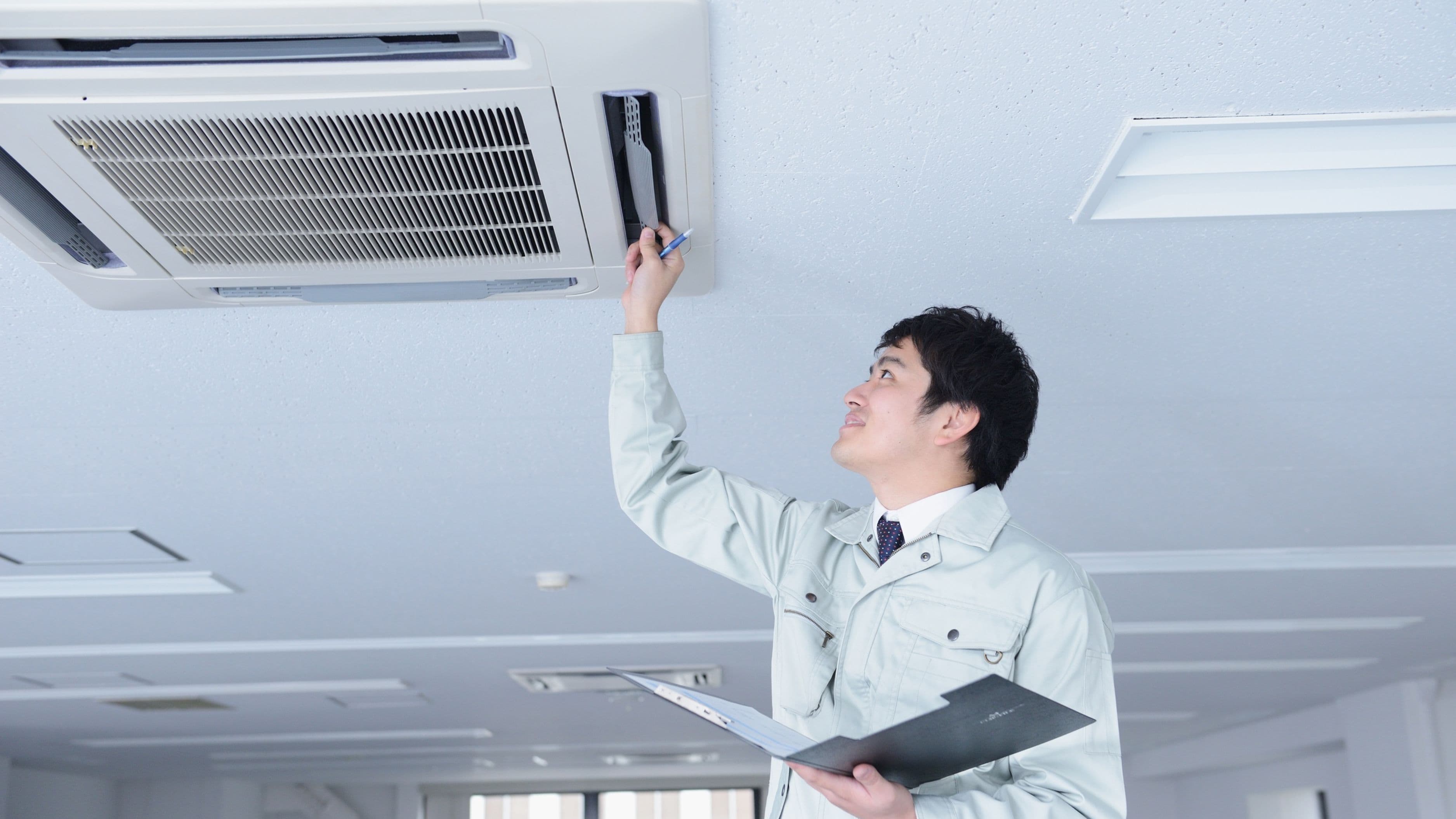
Whole-house systems integrate directly with a central HVAC unit and treat air as it circulates through your home's ductwork. There are two main types. The first is media filtration – high-MERV filters (MERV 13–16) installed at the air handler that capture particulates as air passes through. The second is electronic systems – PCO (photocatalytic oxidation), plasma ionization, or UV-C germicidal systems installed in the duct that inactivate biological contaminants and break down VOCs.
The fundamental mechanism is centralized treatment: air is conditioned at the source of your HVAC system and theoretically reaches every room that the duct network serves.
Room-Based HEPA Purifiers
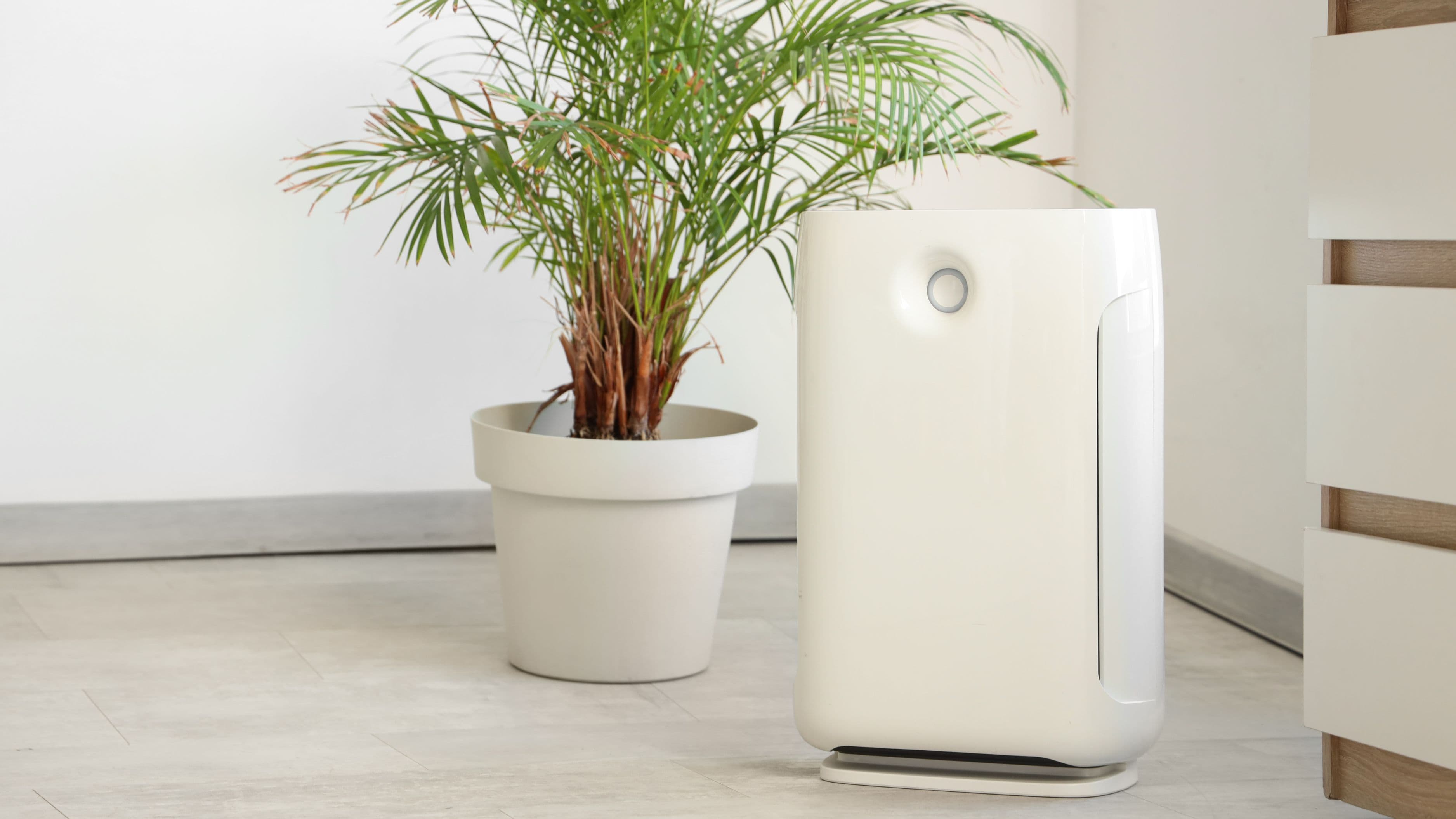
Standalone room units pull in air, pass it through a true HEPA filter (capturing ≥99.97% of particles ≥0.3 microns) and typically a carbon pre-filter for VOC absorption, then exhaust clean air back into the room. The key operating metric is CADR – Clean Air Delivery Rate – which measures how quickly the unit processes air volume in cubic feet per minute (CFM). A correctly sized unit for a given room can cycle the air 4–6 times per hour, which is what the EPA and ASHRAE consider sufficient for meaningful particle reduction.
The mechanism is localized treatment: you're creating a clean air zone in a specific space rather than addressing the whole home simultaneously.
The Performance Comparison
Particle Removal Efficiency
This is where room units have a decisive advantage that whole-house systems rarely acknowledge in their marketing. A properly sized true HEPA unit in a bedroom or office will reduce fine particulate matter (PM2.5) by 50–80% within that room within an hour of operation, according to studies published in journals including Environmental Health Perspectives and Indoor Air. That's a verified, measured reduction in the space where you're actually breathing.
Whole-house systems, by contrast, are highly dependent on two variables that are rarely optimal: filter MERV rating and HVAC run time. Most residential HVAC systems are not running continuously – they cycle on and off based on thermostat calls for heating or cooling. When the HVAC is off, so is your whole-house filtration. In moderate climates where the system runs a few hours per day, this represents significant filtration gaps. Additionally, duct systems have bypass air – air that circumvents the filter through gaps and leaks in the ductwork – that further reduces real-world efficiency.
Studies comparing whole-house media filtration to room HEPA units consistently show that room units win on actual indoor PM2.5 reduction in occupied spaces, particularly bedrooms and home offices. The whole-house system is filtering air more broadly, but less intensively where it matters.
VOC and Chemical Removal
This is where the comparison becomes more nuanced. High-quality activated carbon in room units – and most units that include carbon filters use relatively thin, low-density carbon beds – is partially effective against VOCs but not comprehensive. The adsorption capacity saturates over time and is rarely disclosed transparently by manufacturers. Large, high-density carbon beds (found in premium units like Austin Air or IQAir) are more effective, but still not capable of eliminating high VOC loads from fresh paint, new flooring, or significant off-gassing sources.
PCO and plasma ionization systems used in whole-house HVAC installations claim superior VOC destruction. The mechanism – using UV light and catalysts to oxidize organic compounds – sounds compelling, but the research here is genuinely mixed. Several peer-reviewed studies have found that poorly designed PCO systems can generate ozone and formaldehyde as byproducts of incomplete oxidation, potentially worsening air quality rather than improving it. This is not a fringe concern – the EPA and California Air Resources Board have both flagged ozone-generating ionizer technologies as problematic. If you're evaluating a whole-house electronic air purifier, this issue warrants serious attention.
UV-C germicidal systems in ductwork are more defensible – UV-C inactivates airborne pathogens with well-documented efficacy, and when used without ozone generation, are a legitimate tool. Their limitation is that they're pathogen-specific; they don't address particulates or VOCs.
Biological Contaminants
For mold spores, bacteria, and viruses, both systems have legitimate efficacy at the mechanism level, with important caveats. True HEPA captures biological particles as effectively as it captures any particle of equivalent size. UV-C systems inactivate pathogens but require adequate dwell time in the UV field, which varies by system design and airflow rate. Neither system addresses the source of biological contamination – if you have a moisture problem or mold growth in your home, no air purifier compensates for that at a health outcome level.
Carbon Dioxide
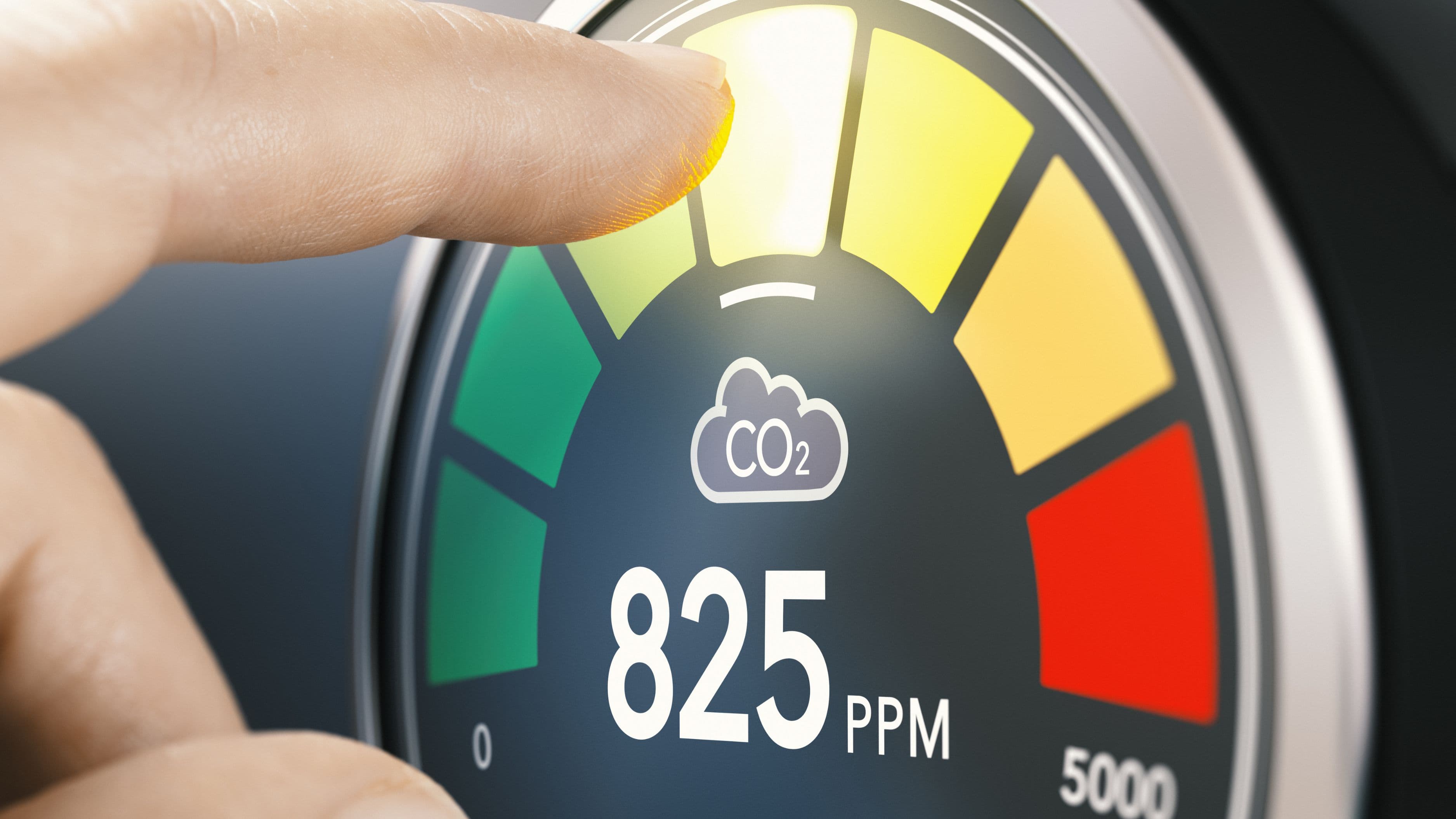
Neither whole-house filtration systems nor room HEPA units address CO2. This matters for performance optimization: CO2 above 1,000 ppm measurably degrades cognitive function, and levels in bedrooms with the door closed during sleep can reach 2,000–3,000 ppm in poorly ventilated homes. CO2 management requires ventilation – fresh air exchange – which is a separate variable from filtration. If CO2 is part of your air quality protocol (it should be), a CO2 monitor and intentional ventilation strategy are necessary regardless of which purifier system you run.
Real-World Limitations of Each System
Whole-House System Limitations
The filtration gap created by intermittent HVAC operation is the primary performance limitation. High-MERV filters also increase static pressure on HVAC systems, which can reduce airflow efficiency and strain older equipment – MERV 13–16 is appropriate for many modern systems but should be confirmed with an HVAC technician before installation. Electronic air cleaners (PCO, ionizers) require due diligence on ozone output and should be avoided unless the manufacturer can provide third-party testing data showing no significant ozone generation.
Installation cost is also substantial. Whole-house media filtration upgrades range from a few hundred dollars (filter replacement alone) to several thousand (professional installation of an electronic system), with ongoing filter replacement costs. The ROI relative to room units depends heavily on home size and how much of your day is spent in rooms the system actually reaches.
Room Unit Limitations
The obvious limitation is coverage – you need units in each high-priority space, and under-sizing is common. CADR should be matched to room volume using the standard formula: room square footage × ceiling height × air change rate ÷ 60 = required CADR in CFM. Most consumer units are adequate for bedrooms and offices but insufficient for open-plan living areas without multiple units or a high-output unit.
Filter replacement is the ongoing cost variable that's frequently underestimated at purchase. True HEPA filters in high-use units should be replaced every 6–12 months. Activated carbon filters, if separate, replace every 3–6 months depending on VOC load. Deferred filter maintenance significantly degrades performance.
Noise is a practical factor for sleep optimization. Many room units at effective airflow settings (high fan speed) produce 45–60 dB, which is disruptive. The better units (Coway Airmega, Levoit Core, IQAir HealthPro series) have quiet modes that remain effective at moderate CFM levels without excessive noise. For bedroom use, prioritize units with a verified quiet mode that still meets your CADR requirement.
The Verdict: Which System Actually Delivers Better Health Outcomes?
For the majority of performance-focused setups – particularly single men or small households optimizing a home office and bedroom – room-based true HEPA units in those two spaces will deliver measurably superior health outcomes per dollar spent compared to whole-house systems.
The mechanism is straightforward: you spend roughly 8 hours sleeping and 4–10 hours in a home office or living space. Deploying high-performance room units in those locations – correctly sized, with regular filter maintenance – creates a verified clean air environment during the majority of your indoor time. The whole-house system treats more air volume but less intensively in the spaces where your actual exposure occurs, and its intermittent operation undermines the case for superior health outcomes.
The scenario where a whole-house system becomes the right primary investment is a large home (3,000+ sq ft) with a high-efficiency, continuously running HVAC system, properly installed high-MERV media filtration, and multiple people spread across rooms throughout the day. In that context, centralized filtration can address air quality more comprehensively than deploying 8–10 room units. But this is a premium setup with premium installation requirements.
The optimal protocol for most homes is not an either/or: a MERV 13 filter in your HVAC (upgrade from standard MERV 8 if your system supports it) as a baseline whole-home intervention, combined with dedicated room HEPA units in bedroom and primary work space. This layered approach costs less than a full whole-house electronic system and outperforms either option alone.
Implementation Protocol
Bedroom: Run a true HEPA unit sized to your room volume at medium fan speed continuously, or on a schedule starting 30–60 minutes before sleep. Units with auto modes that increase output based on particle sensing are worth the premium – the Coway Airmega series and Levoit Core 400S handle this well. Target: PM2.5 below 12 µg/m³ (EPA annual standard), ideally below 5 µg/m³ during sleep hours, verifiable with a consumer air quality monitor (IQAir AirVisual, Awair Element, or similar).
Home office: A unit with a CADR appropriate for the room size, running during work hours. Prioritize a model with a quiet mode that sustains 70%+ of its peak CADR – several mid-range units lose performance disproportionately in low-noise settings. Add a CO2 monitor and maintain levels below 800 ppm with ventilation as needed; this is the overlooked cognitive performance variable that a HEPA unit alone won't address.
HVAC filter: Upgrade to MERV 13 minimum if your system supports it. Replace every 60–90 days rather than the manufacturer's stated interval – in most homes, real-world filter loading is faster than the assumed baseline. Check with your HVAC technician before going above MERV 13 if your system is older.
Avoid: Ozone-generating ionizers and PCO systems with unverified byproduct profiles. UV-C can be a legitimate addition for pathogen control but is not a particulate solution. Do not conflate "whole-house" with "superior" – the marketing overstates the performance case in most real-world residential applications.
FAQ
What CADR do I need for my bedroom? Multiply your room's square footage by ceiling height to get volume in cubic feet. Divide by 10 for a 6 air changes/hour rate. That's your minimum CADR in CFM. A 12×14 ft bedroom with 9 ft ceilings requires at minimum ~150 CFM CADR. Size up rather than down.
Do whole-house UV-C systems actually work? For pathogen inactivation, yes – UV-C at adequate intensity and dwell time is well-documented. The limitations are that pathogens must pass through the UV field (duct-installed systems only treat air cycling through HVAC, not air in rooms), and UV-C does nothing for particulates or VOCs. It's a useful supplement, not a complete solution.
Is there a single room unit that handles both particles and VOCs effectively? IQAir HealthPro Plus has the most credible carbon bed among consumer units (it uses a 5 lb carbon-mineral mixture). Austin Air units also use larger carbon beds than most competitors. For serious VOC concerns (recent renovation, new construction, high off-gassing materials), these are worth the premium over standard units with thin carbon pre-filters.
Will a whole-house system affect HVAC efficiency? High-MERV filters increase resistance and can reduce airflow, lowering HVAC efficiency and increasing energy consumption. The effect is system-dependent. Consult your HVAC technician and confirm your unit's maximum recommended MERV rating before upgrading. Changing from MERV 8 to MERV 13 in an incompatible system can accelerate wear on the blower motor.
How do I know if my air quality is actually improving? Measure it. Consumer-grade air quality monitors (IQAir AirVisual Pro, Awair Element, Aranet4 for CO2) provide real-time PM2.5, VOC, CO2, temperature, and humidity data. Run a baseline measurement before deploying any purification, then verify improvement after. If you're spending money on this, you should be able to quantify the result.
📚 Sources
EPA – Indoor Air Quality: An Introduction for Health Professionals: https://www.epa.gov/indoor-air-quality-iaq/introduction-indoor-air-quality
Environmental Health Perspectives – Effectiveness of Portable HEPA Purifiers for Indoor PM2.5: https://ehp.niehs.nih.gov/doi/10.1289/ehp.1509974
ASHRAE – Residential Air Cleaning Devices: A Summary of Available Information: https://www.ashrae.org/technical-resources/bookstore/residential-air-cleaning-devices
California Air Resources Board – Air Cleaners: What Consumers Should Know: https://ww2.arb.ca.gov/resources/documents/air-cleaners-what-consumers-should-know
Indoor Air Journal – Portable Air Cleaners and Reduction of Particulate Matter in Residences: https://onlinelibrary.wiley.com/journal/16000668
EPA – Guide to Air Cleaners in the Home: https://www.epa.gov/indoor-air-quality-iaq/guide-air-cleaners-home
Harvard T.H. Chan School of Public Health – Air Quality and Cognitive Function: https://www.hsph.harvard.edu/news/press-releases/office-air-quality-may-affect-employees-cognition-work-performance/
National Institute of Environmental Health Sciences – Endocrine Disruptors: https://www.niehs.nih.gov/health/topics/agents/endocrine/index.cfm
ASHRAE Standard 62.2 – Ventilation and Acceptable Indoor Air Quality in Residential Buildings: https://www.ashrae.org/technical-resources/bookstore/standards-62-1-62-2
Consumer Reports – Air Purifier Ratings and CADR Methodology: https://www.consumerreports.org/appliances/air-purifiers/