
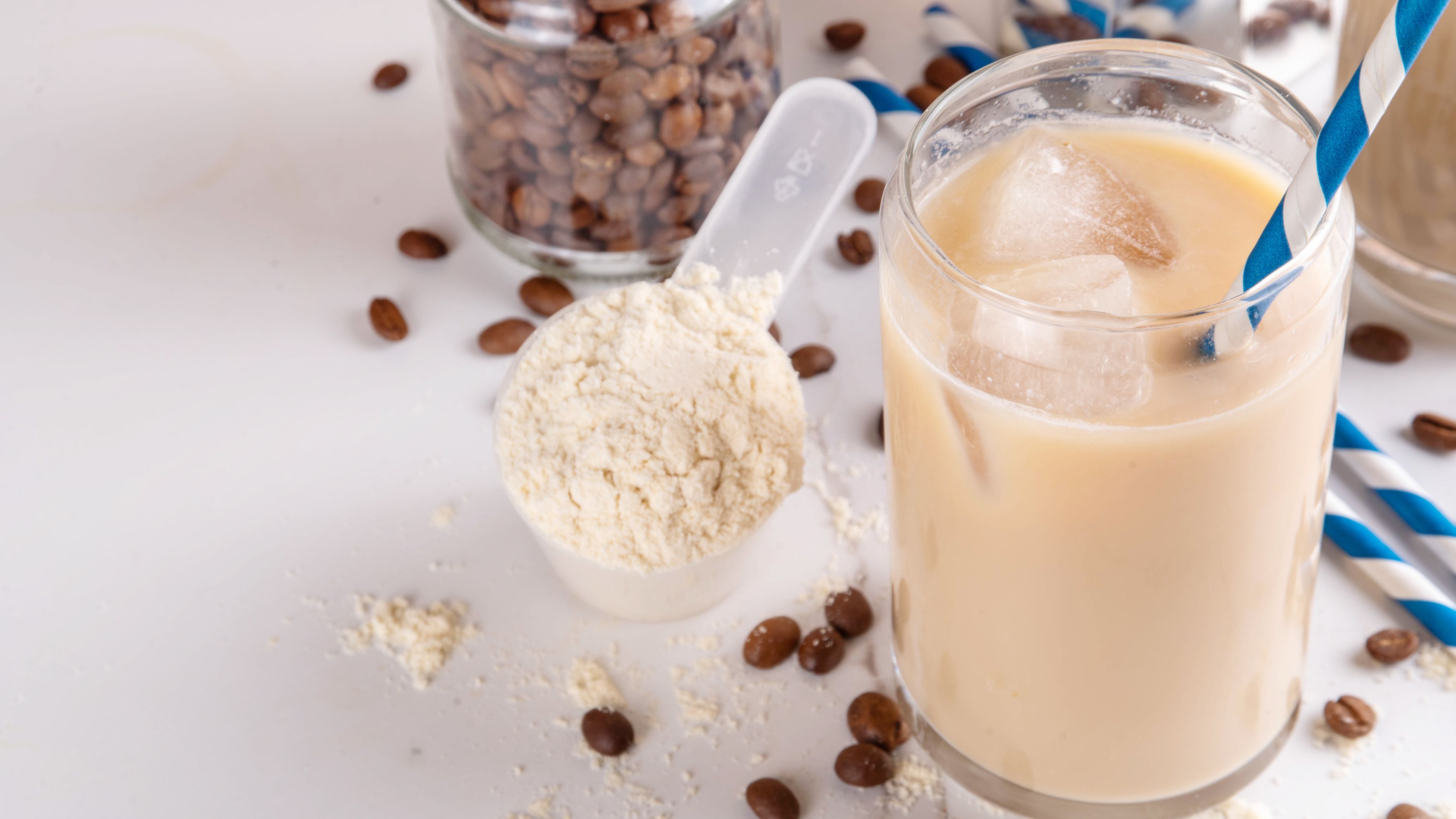
The short answer: whey isolate remains the benchmark for acute post-workout protein delivery. The longer answer involves understanding exactly why it works, where it falls short, and when other sources might be strategically superior. If you're optimizing rather than just supplementing, the distinction matters.
Why Whey Isolate Became the Standard
Whey is a byproduct of cheese production – the liquid fraction separated from the curd. Whey protein concentrate contains 70–80% protein by weight with residual lactose and fat. Whey isolate is further processed to remove most of the lactose and fat, yielding a product that is typically 90%+ protein by weight with minimal digestive side effects for lactose-sensitive individuals.
The physiological case for whey post-workout rests on three pillars. First, rapid gastric emptying and high digestibility – whey is absorbed faster than virtually any whole food protein source, with peak plasma amino acid concentrations appearing within 60–90 minutes of ingestion. Second, leucine content – whey isolate contains approximately 10–11% leucine by amino acid composition, one of the highest of any protein source. Leucine is the primary activator of mTORC1, the central signaling node for muscle protein synthesis (MPS). The leucine threshold hypothesis holds that approximately 2–3g of leucine is required to maximally stimulate MPS in a single feeding – a threshold whey isolate hits reliably at 25–30g doses. Third, complete essential amino acid (EAA) profile – whey contains all nine essential amino acids in proportions that closely match human muscle tissue requirements.
The combination of speed, leucine density, and EAA completeness made whey isolate the clear benchmark in the early protein research era, and subsequent decades of research have largely validated that position. The question is whether anything does it better, does it differently in ways that matter, or does it for specific populations with specific constraints.
What the Research Actually Shows Post-Workout
The concept of the anabolic window – the tight post-exercise period during which protein ingestion is critical – has been significantly revised downward in recent years. Meta-analyses, including the influential work by Schoenfeld and Krieger (2013, updated 2018), found that when total daily protein intake is controlled, the timing of protein consumption has a smaller independent effect on muscle hypertrophy than previously thought. The window is real but wider than the 30-minute urgency that supplement marketing built careers on. For most trained men in a fed state, the window extends several hours post-training.
This matters for protein source selection because it reduces the premium on absorption speed. If the critical variable is maximizing MPS over the hours following training rather than in the first 30 minutes, the speed advantage of whey isolate over, say, micellar casein or a whole food protein source narrows considerably. Fast absorption becomes most relevant in specific circumstances: training in a fasted state, two-a-day training sessions with compressed recovery windows, or contexts where the next meal is genuinely far away.
The direct comparative research on protein sources post-workout shows whey consistently at or near the top for acute MPS stimulation, with whey hydrolysate showing marginal additional speed at higher cost, and whey isolate outperforming concentrate primarily for lactose-sensitive individuals rather than for a fundamental mechanistic reason.
The Challengers: How They Actually Stack Up
Casein
Micellar casein is the slow-digestion counterpart to whey – it forms a gel in the stomach and releases amino acids steadily over 5–7 hours. The traditional framing positions whey as post-workout and casein as pre-sleep. That framing holds up. Casein's slow release makes it poor for acute post-workout MPS stimulation compared to whey – it produces a lower peak but more sustained amino acid elevation. Research by Res et al. (2012) confirmed pre-sleep casein supplementation enhances overnight muscle protein synthesis and recovery. The two proteins are complementary rather than competitive. Casein does not replace whey post-workout; it fills a different window.
Casein Hydrolysate
This is worth separating from micellar casein because the hydrolysis fundamentally changes its kinetics. Casein hydrolysate is pre-digested and absorbs at a rate comparable to whey. It also has an exceptionally high leucine content – around 11–12% – and generates a large post-prandial insulin response independent of glucose. Some research suggests casein hydrolysate may actually produce superior acute MPS responses compared to whey isolate. It is significantly more expensive, has a more bitter flavor profile, and remains less studied overall. Worth monitoring as the research matures.
Egg White Protein
Egg white protein (ovalbumin) is highly bioavailable, complete, and hypoallergenic. Its absorption rate falls between whey and casein – moderate speed, good EAA profile, leucine content around 8–9%. The research on egg protein post-workout is generally positive but shows it slightly behind whey for acute MPS stimulation. For men with dairy intolerances or whey-specific GI issues, egg white protein is the most direct performance-equivalent alternative.
Beef Protein Isolate
Hydrolyzed beef protein isolate – not the gelatin-based collagen products that sometimes masquerade under the beef protein label – contains a complete EAA profile and has produced MPS responses comparable to whey in some studies. The key caveat is product quality: many beef protein isolates on the market are collagen-based, which lacks tryptophan and is deficient in several EAAs. If sourced from muscle tissue rather than connective tissue, the performance case is legitimate. For men who prefer animal-based proteins and have dairy issues, a verified beef muscle isolate is a credible post-workout option.
Plant-Based Proteins
The plant protein story has improved substantially. Pea protein isolate is now the most research-supported plant option – it has a decent EAA profile (limited in methionine but sufficient in leucine at around 8%), and several studies have found equivalent lean mass gains to whey when total protein intake is matched and leucine is adequate. The key variables are dose and formulation. A straight pea protein isolate at 25g provides roughly 2g of leucine, borderline for the threshold stimulus. Combinations of pea with rice protein or supplemental leucine addition close the gap. Brown rice protein alone is inferior. Soy protein, which has a complete EAA profile and higher leucine density than most plant sources, remains a legitimate option but carries estrogenic concerns at high chronic intakes that are reasonably worth avoiding for testosterone-optimized men.
Where Whey Isolate Has Legitimate Weaknesses
Digestive tolerance in some individuals. Despite low lactose content, some men experience bloating, increased intestinal motility, or GI discomfort with whey isolate. This is often related to residual whey fractions rather than lactose specifically. If you experience consistent GI issues with whey isolate, switching to egg white protein or a high-quality pea/rice blend eliminates the variable without meaningfully compromising performance.
Insulin response. Whey is highly insulinogenic – it produces a substantial insulin spike independent of carbohydrate content. For most men in a hypertrophy-focused training context, this is beneficial. For men in aggressive fat loss phases, particularly those using approaches that emphasize insulin minimization (extended low-carb, time-restricted eating), the insulin response of whey may be worth factoring in. This is a marginal consideration for most men but relevant at the optimization edge.
Processing quality variance. Not all whey isolates are equivalent. Ion-exchange processed isolates are cheaper but denature more of the bioactive whey fractions (lactoferrin, immunoglobulins, beta-lactoglobulin subfractions). Cross-flow microfiltration and cold-processing preserve these fractions better. For men using whey both as a protein source and for its immune-supporting and gut-supporting bioactive components, the processing method matters. Cold-processed, CFM whey isolate costs more and is worth it.
Sustainability and sourcing. This is increasingly relevant as a practical purchasing consideration – grass-fed whey isolate from ruminants in natural conditions has a different fatty acid and micronutrient profile and aligns with supply chain preferences many men in this space hold. It costs more. The performance delta at the dose levels used post-workout is modest. The sourcing preference is legitimate on its own terms.
The Verdict: Use Case Decision Tree
Whey isolate remains the default recommendation for post-workout protein for the majority of trained men. The justification is evidence depth, reliability, cost-efficiency, and the leucine + EAA profile that hits all the mechanistic targets.
The specific cases where you deviate from whey isolate:
Dairy intolerance or consistent GI issues – Switch to egg white protein isolate or a verified pea/rice blend with leucine addition. Performance equivalent, zero tolerance friction.
Fasted training with compressed next-meal window – Whey isolate remains optimal here; the absorption speed premium is most valuable exactly in this context.
Two-a-day training or high-frequency recovery demands – Consider adding casein hydrolysate as a secondary post-workout protein for the sustained amino acid elevation in the hours following the first session. The two together provide immediate spike plus extended coverage.
Pre-sleep protein – Casein, not whey. This is the one context where the slower absorption kinetics are clearly superior based on the research.
Aggressive fat loss with insulin minimization – Egg white protein or a slow-digesting blend may reduce the insulinogenic response if that is a protocol priority. In most fat loss contexts for trained men, this is a marginal optimization.
Plant-only intake preference – Pea/rice blend with additional leucine, or soy isolate if estrogenic concerns are not a priority consideration. Match or exceed 25–30g total protein and ensure leucine content is at or above 2.5g per serving.
Protocol Recommendations
For men using whey isolate post-workout as standard practice:
Dose at 25–40g depending on body weight and daily protein distribution. A 90kg man hitting 2.2g/kg total daily protein across four to five meals needs 40–50g per protein feeding to distribute total intake effectively; adjust accordingly. The 30g default is appropriate for most men in the 75–90kg range.
Combine with a fast-digesting carbohydrate source if training volume is high and glycogen replenishment is a priority – not for the insulin spike on protein synthesis (the data on this is weaker than historically claimed) but for direct glycogen restoration and recovery between sessions.
If you're using whey isolate with a history of gut issues or actively running a gut barrier repair protocol, prioritize cold-processed CFM whey from grass-fed sources. The processing method preserves bioactive fractions that support mucosal health rather than compromising it.
Do not use whey hydrolysate unless cost is not a consideration and you have a specific reason to prioritize peak absorption speed (fasted early morning training with extremely compressed schedule). The marginal MPS advantage over isolate does not justify the cost premium for most training contexts.
FAQ
Does protein source matter if total daily intake is adequate? It matters less than total intake, but it still matters at the margins. Amino acid kinetics, leucine density, and EAA completeness create real differences in acute MPS stimulation that accumulate over months of training. For a casual gymgoer, the difference is noise. For a man training seriously and optimizing each variable, the differences are worth accounting for.
Is whey isolate worth the premium over concentrate? For lactose-tolerant men without GI issues, the performance difference between a high-quality concentrate and isolate at equivalent protein doses is modest. The main reasons to choose isolate are: lactose sensitivity, preference for reduced fat content, and lower caloric overhead per gram of protein. For men with any GI reactivity to dairy, isolate is clearly preferable.
How much leucine do I actually need post-workout? The preponderance of evidence supports 2–3g leucine as the threshold for maximal acute MPS stimulation in trained men. 25–30g of whey isolate provides 2.5–3g. If using a lower-leucine protein source, supplement leucine separately to hit this range – leucine capsules or powder are inexpensive.
Does adding carbohydrates to post-workout protein improve results? For glycogen-dependent training (high-volume resistance training, high-frequency sessions, concurrent training), yes – carbohydrates post-workout accelerate glycogen resynthesis meaningfully. For moderate-volume strength training with adequate total daily carbohydrate, the timing of carbohydrates matters less than the total daily amount. The protein + carb combination does produce a synergistic insulin response, but the evidence that this insulin response independently enhances MPS beyond what protein alone achieves is weaker than the older literature suggested.
Is plant protein genuinely competitive with whey? At matched total protein and leucine doses, yes – the practical performance gap is narrow. The caveat is that you typically need a larger serving of plant protein to match the leucine content of whey, and the EAA profile requires thoughtful combination. The gap is closeable with deliberate formulation. For men without compelling reasons to avoid dairy, whey isolate remains the more convenient and cost-efficient choice.
📚 Sources
Schoenfeld, B.J. & Aragon, A.A. – Is There a Postworkout Anabolic Window of Opportunity for Nutrient Consumption? (Journal of Orthopaedic & Sports Physical Therapy, 2018): https://www.jospt.org/doi/10.2519/jospt.2018.0615
Tang, J.E. et al. – Ingestion of whey hydrolysate, casein, or soy protein isolate: effects on mixed muscle protein synthesis (Journal of Applied Physiology, 2009): https://journals.physiology.org/doi/full/10.1152/japplphysiol.00076.2009
Res, P.T. et al. – Protein Ingestion before Sleep Improves Postexercise Overnight Recovery (Medicine & Science in Sports & Exercise, 2012): https://journals.lww.com/acsm-msse/fulltext/2012/08000/protein_ingestion_before_sleep_improves.13.aspx
Churchward-Venne, T.A. et al. – Leucine supplementation of a low-protein mixed macronutrient beverage enhances myofibrillar protein synthesis (American Journal of Clinical Nutrition, 2014): https://academic.oup.com/ajcn/article/99/2/276/4577492
Gorissen, S.H.M. et al. – Protein content and amino acid composition of commercially available plant-based protein isolates (Amino Acids, 2018): https://link.springer.com/article/10.1007/s00726-018-2640-5
van Loon, L.J.C. et al. – Maximizing postexercise muscle protein synthesis – leucine as a nutrient trigger (Proceedings of the Nutrition Society, 2012): https://www.cambridge.org/core/journals/proceedings-of-the-nutrition-society/article/maximizing-postexercise-muscle-protein-synthesis/0E4E3E5EA97A7A7A4DE28348F80DAF19
Babault, N. et al. – Pea proteins oral supplementation promotes muscle thickness gains during resistance training (Journal of the International Society of Sports Nutrition, 2015): https://jissn.biomedcentral.com/articles/10.1186/s12970-014-0064-5
🔍 Explore Related Topics
Best protein sources for muscle protein synthesis by evidence
Cold-processed whey vs ion-exchange: does processing method matter
Casein hydrolysate for post-workout: emerging evidence explained