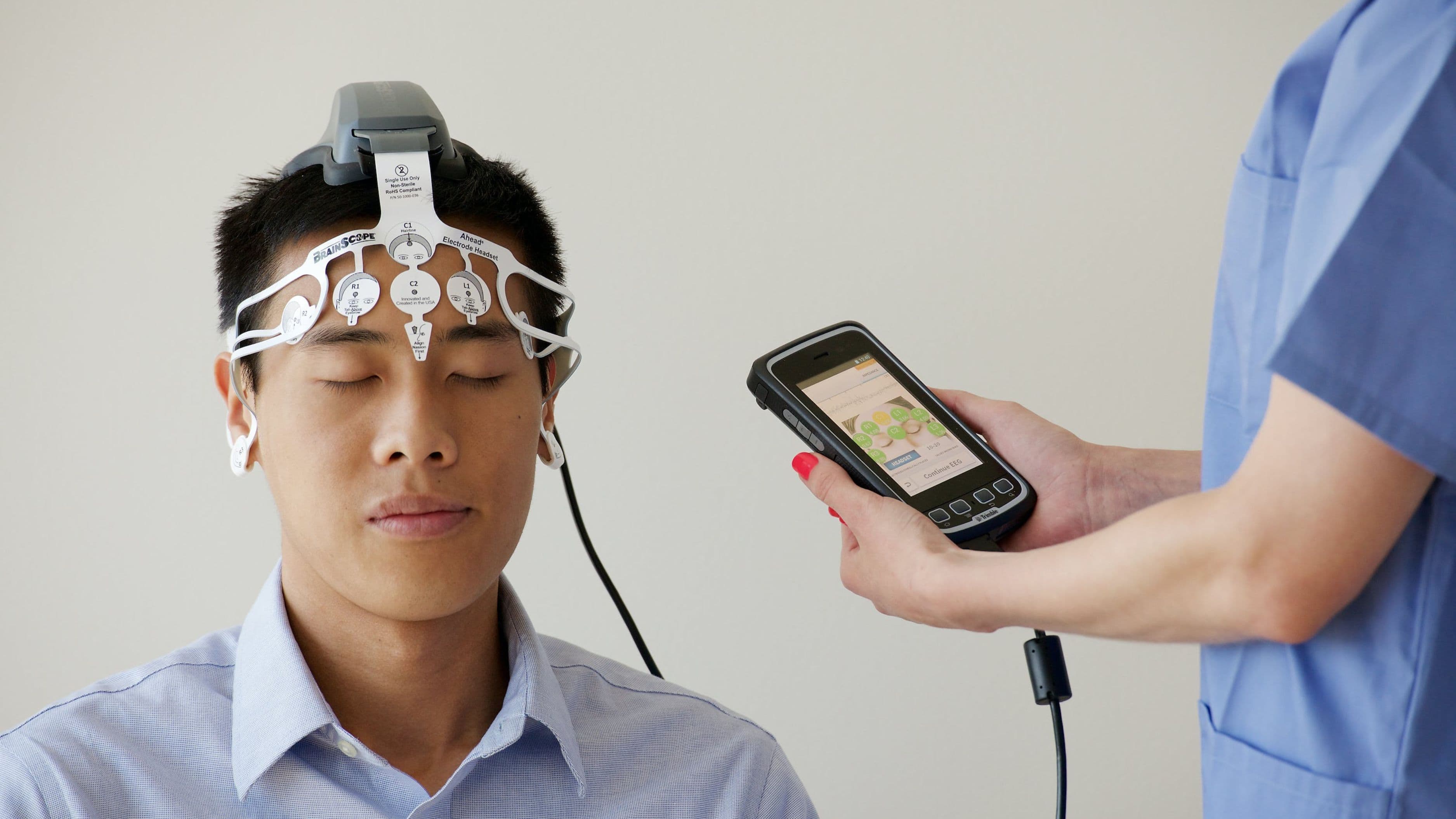

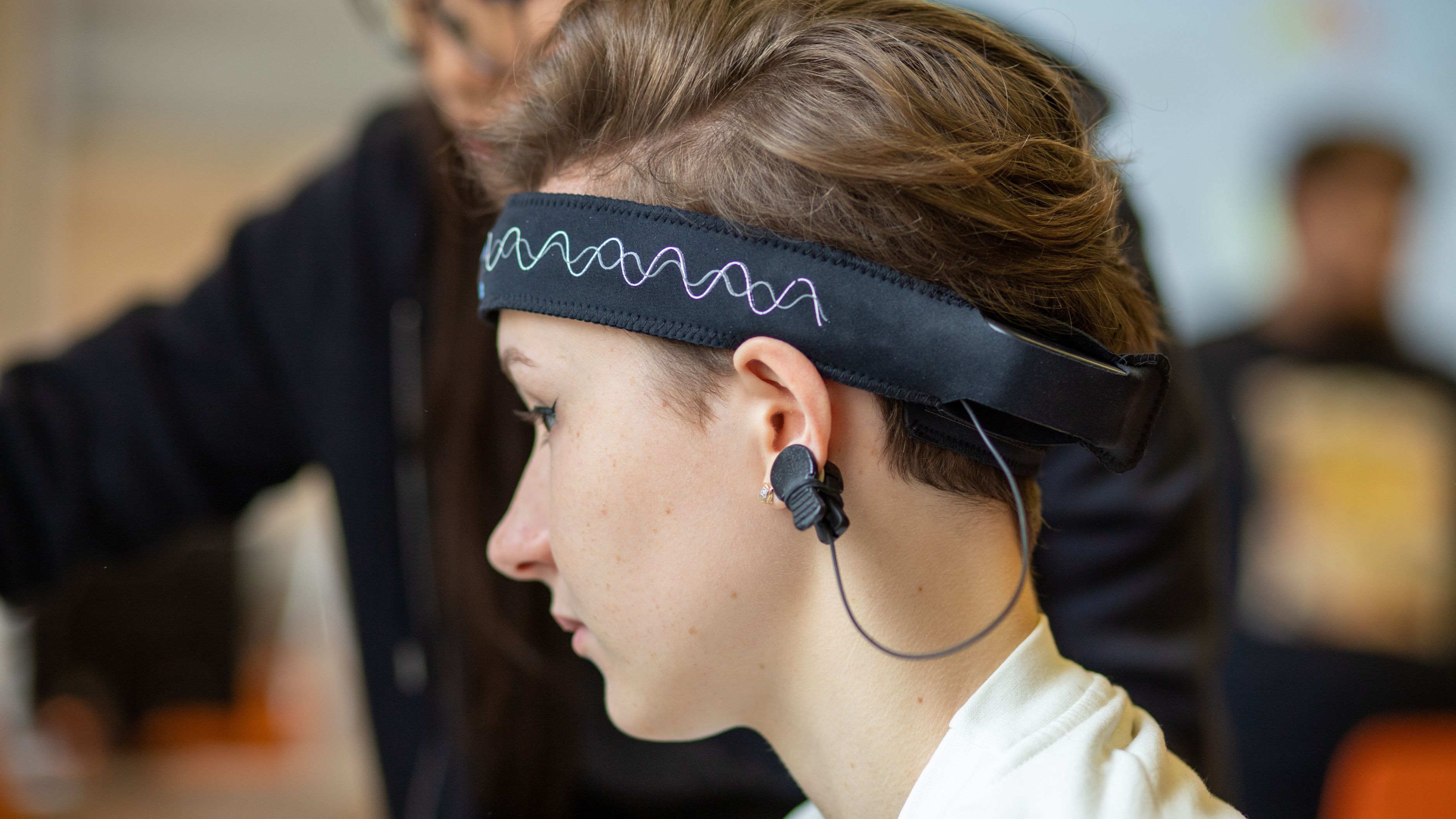
The problem is that "EEG-based" and "neurofeedback" are not synonymous, and most wearable headbands sold today are doing something fundamentally different from clinical neurofeedback — even when the marketing doesn't make that distinction clear. Understanding the difference matters if you're deciding whether a $300 headband is a meaningful tool or an expensive meditation timer.
This article draws that line precisely, based on the technical constraints of consumer hardware, what the clinical neurofeedback literature actually shows, and where consumer EEG has legitimate value versus where it's overpromising.
What Real Neurofeedback Is
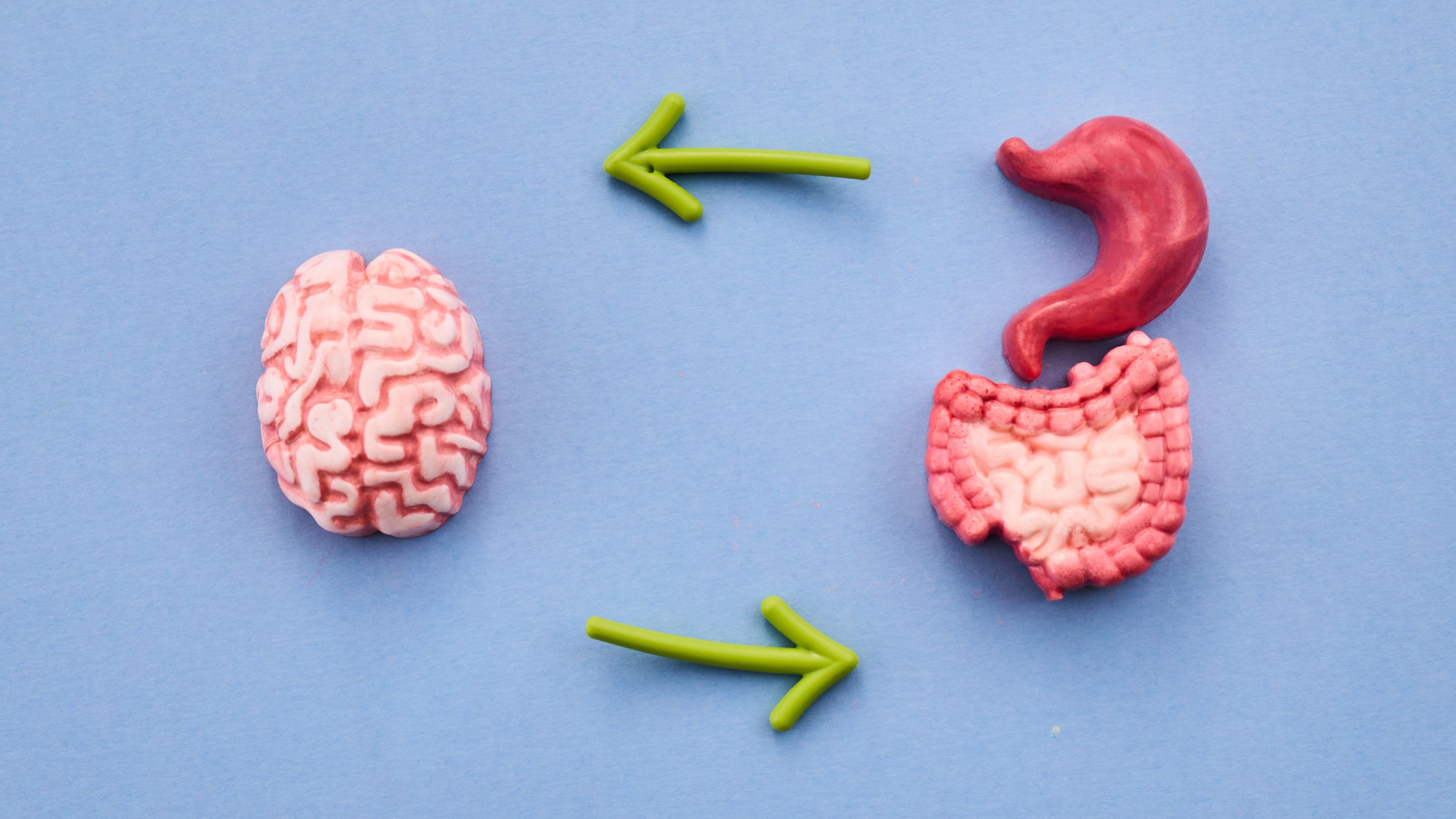
Clinical neurofeedback is a biofeedback modality where a patient receives real-time feedback about their brainwave activity and is trained to consciously modulate specific frequency bands in specific brain regions. The mechanism is operant conditioning: when the target brainwave pattern is produced, the patient receives a reward signal (a tone, visual change, or game event); when it deviates, the signal changes. Over repeated sessions, the brain learns to self-regulate toward the desired pattern.
The specificity is the critical point. Clinical neurofeedback doesn't just measure "brain activity" — it targets defined frequency bands (delta: 0.5–4Hz, theta: 4–8Hz, alpha: 8–12Hz, SMR: 12–15Hz, beta: 15–30Hz) at defined electrode locations corresponding to specific brain regions, based on a neurological rationale for what that location and frequency band governs. A protocol for ADHD typically involves increasing sensorimotor rhythm (SMR) or beta at Cz (central scalp) while inhibiting theta — because hyperactivity in the theta band at that location is associated with the attentional dysregulation profile of ADHD. A protocol for performance anxiety might target alpha asymmetry in frontal regions.
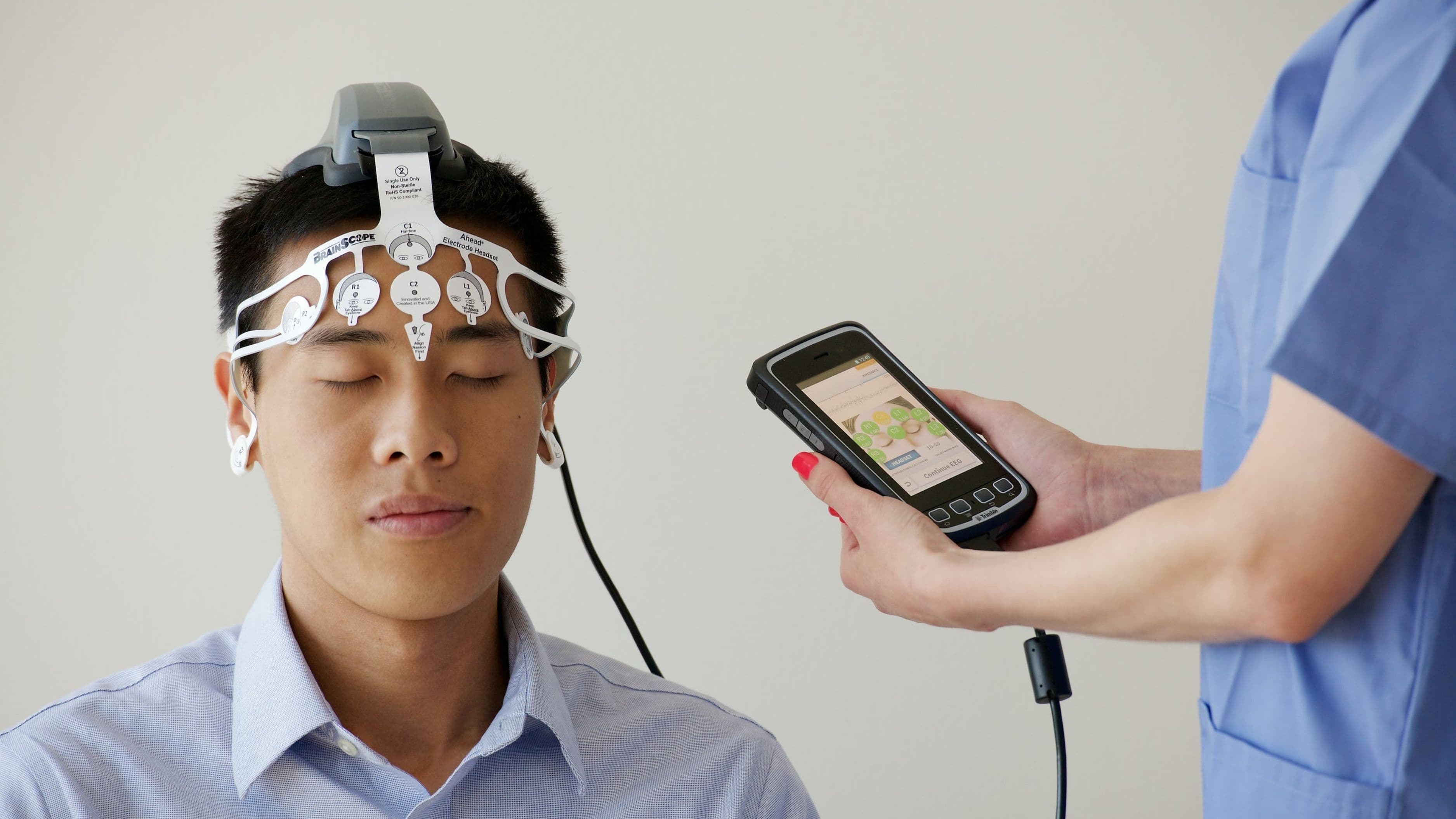
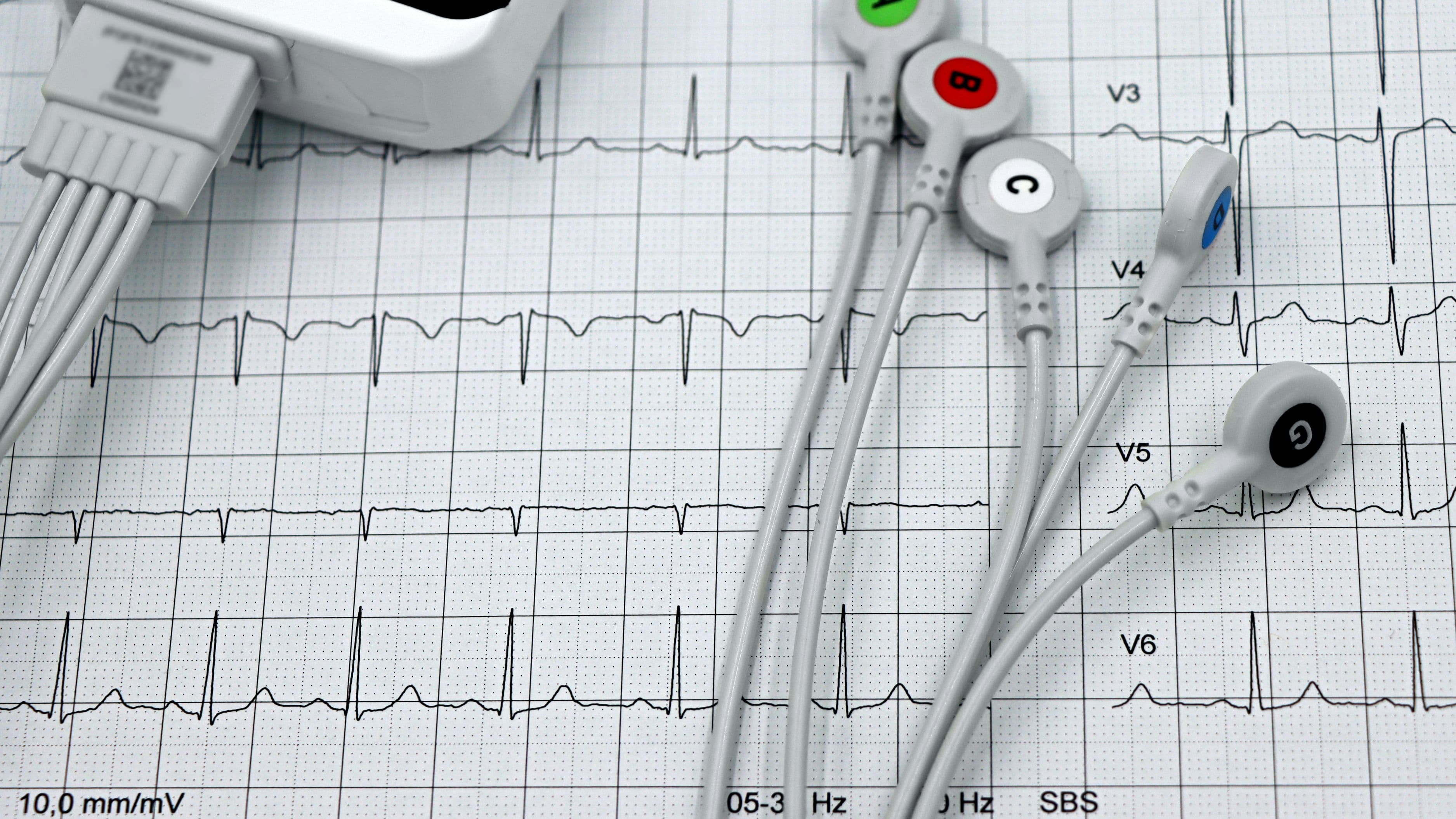
This level of specificity requires medical-grade EEG equipment, typically 19–64 channels of electrode coverage with proper conductive gel, impedance monitoring to ensure signal quality, and software capable of quantitative EEG (qEEG) analysis. It also typically begins with a full brain map — a 19-channel resting-state EEG recording analyzed against a normative database — to identify which frequency bands and regions are actually dysregulated for that individual. The entire framework is diagnostic before it is therapeutic.
What Consumer EEG Headbands Are Actually Doing
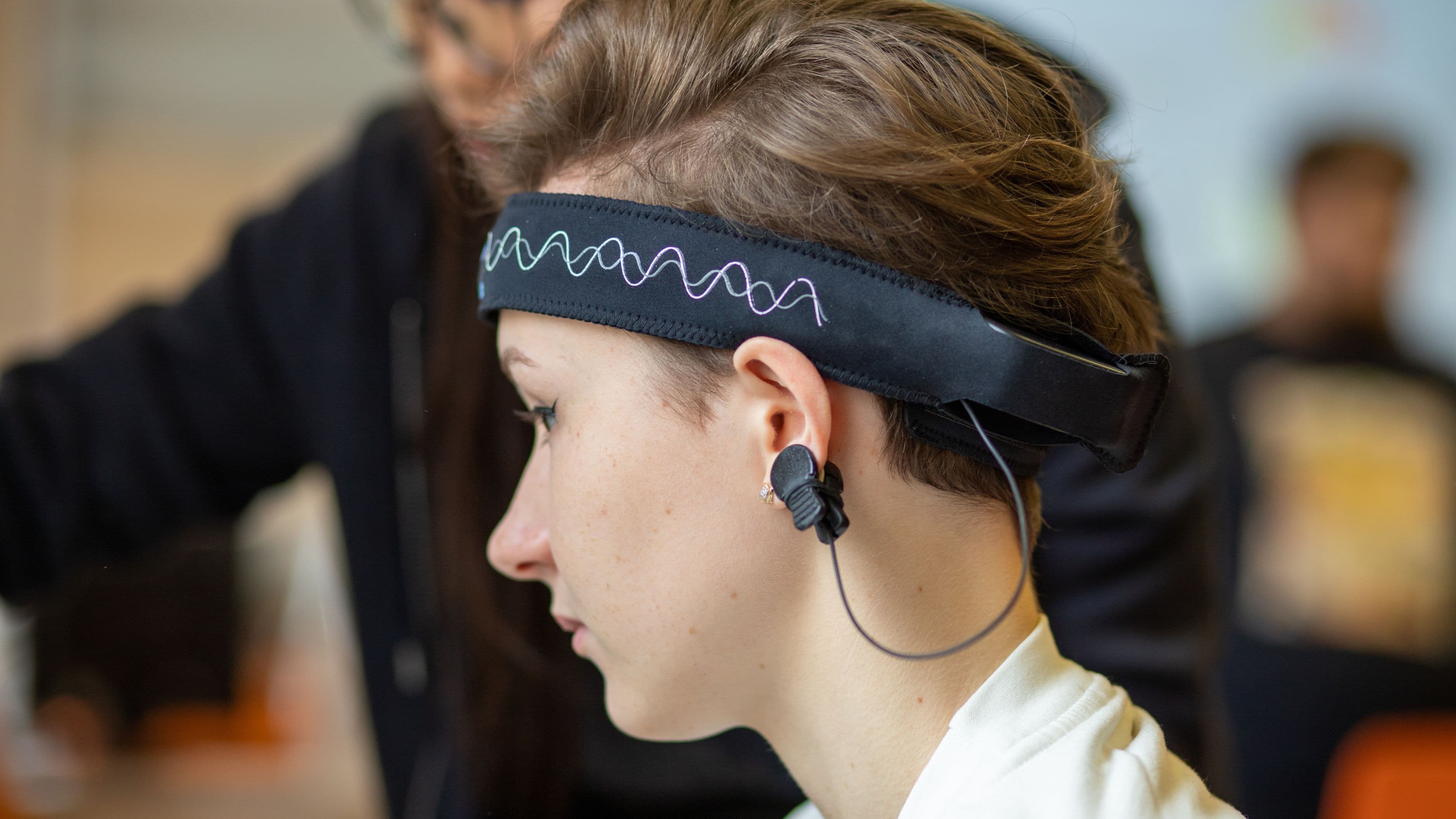
Consumer EEG headbands are limited by fundamental hardware constraints that determine what they can and cannot measure reliably. The Muse 2 and Muse S, the most widely used consumer devices, have 4 active EEG channels: two frontal (AF7, AF8) and two temporal (TP9, TP10), plus a reference electrode. The Neurosity Crown has 8 channels concentrated at temporal and frontal regions. Even the most channel-dense consumer device available as of 2025 does not approach the spatial resolution of clinical EEG.
This matters for several reasons. First, the channels available on consumer headbands sample primarily frontal and temporal activity — they have no visibility into parietal, occipital, or central scalp regions, which means entire categories of brainwave activity relevant to motor control, visual processing, sensory integration, and certain attentional networks are simply invisible to the device. Second, dry electrodes — which all consumer headbands use for convenience — produce significantly more artifact (signal noise from movement, muscle activity, and poor skin contact) than wet electrodes with conductive gel. Signal quality is lower and less reliable, particularly during movement.
The Muse headband's core functionality is not neurofeedback in the clinical sense — it provides real-time feedback about a composite "calm" metric derived primarily from frontal alpha power. When your frontal alpha increases (associated with a relaxed, unfocused state), the app provides feedback suggesting you're in a calm state. This is a legitimate biofeedback application, but it's not the same as targeted neurofeedback training of specific frequency bands at clinically selected electrode sites. The distinction matters because the mechanism of effect is different, the evidence base is different, and the range of applications is different.
What the Clinical Literature Shows
Clinical neurofeedback has a substantial evidence base, with the strongest data concentrated in ADHD, PTSD, anxiety disorders, and performance optimization in healthy populations. The ADHD literature is the most developed. A 2009 meta-analysis in Clinical EEG and Neuroscience by Arns et al. reviewed 15 studies and found effect sizes for inattention and impulsivity comparable to stimulant medication — a finding that has been both replicated and contested in subsequent research, with the most rigorous double-blind sham-controlled studies showing moderate rather than large effect sizes. The honest picture is that neurofeedback for ADHD has genuine evidence of efficacy, but it's not the silver bullet some practitioners present it as, and the effect sizes are more modest in the best-controlled studies.
The performance optimization data is less extensive but credible. Research on neurofeedback in elite athletes, surgeons, and musicians consistently shows improvements in attentional control, stress tolerance, and performance under pressure. A study in Applied Psychophysiology and Biofeedback demonstrated significant reductions in performance anxiety and improvements in self-reported flow states in competitive archers trained on alpha/theta neurofeedback. These are single studies rather than replicated meta-analytic findings, but the mechanisms are sound and the populations are relevant to the TheAlphaVital reader.
The consumer headband literature is much thinner. Muse has published and funded studies showing improvements in meditation adherence and stress metrics, but these are not neurofeedback outcome studies in any clinically meaningful sense — they're showing that people who use the app meditate more consistently and report lower stress, which is not the same as demonstrating that the EEG feedback component produces neurological change.
Where Consumer EEG Has Legitimate Value
Being precise about limitations doesn't make consumer EEG worthless. There are specific applications where the hardware constraints are less relevant and the technology provides genuine utility.
Meditation training and feedback is the clearest use case. If you want objective, real-time feedback on whether your attentional state is shifting during meditation practice — rather than relying entirely on subjective self-report — a device like Muse provides something that no other consumer product currently offers. The frontal alpha feedback is meaningful as a proxy for relaxed attention, and the data it generates over sessions can show you trends that would otherwise be invisible. This is biofeedback, not neurofeedback, but it's legitimate biofeedback.
Stress and cognitive state monitoring is another credible application, particularly for users who want to correlate their brainwave patterns with work performance, recovery, or sleep quality. Neurosity's Crown, specifically designed for developers and knowledge workers, has documented use cases in focus state detection and productivity monitoring that go beyond meditation — the 8-channel layout and SDK give technically sophisticated users genuine access to their data for custom applications.
Pre-sleep alpha/theta entrainment is a use case where the frontal coverage of consumer devices is actually appropriate — frontal theta and alpha activity are relevant to the hypnagogic transition state, and passive audio-visual entrainment feedback during wind-down has reasonable mechanistic backing even if the RCT data is limited.
Where Consumer EEG Falls Short
Any application requiring spatial specificity — precise identification of which brain region is dysregulated — is outside consumer EEG's capability. Conditions like ADHD, PTSD, TBI, depression, and anxiety involve region-specific dysregulation patterns that require full-cap or at minimum 19-channel coverage to map and train. Using a 4-channel frontal headband to treat ADHD is not neurofeedback in the evidence-based sense. It's a different intervention with a different mechanism, applied to a condition that requires a level of specificity the hardware cannot provide.
Similarly, any protocol that requires SMR (sensorimotor rhythm) training at Cz — the central electrode site that sits over the motor cortex — is inaccessible to all current consumer EEG headbands. SMR training is one of the most replicated protocols in the neurofeedback literature for ADHD, sleep quality, and motor learning. None of the major consumer devices cover Cz. This is a non-negotiable hardware limitation, not something software updates can resolve.
The signal quality issue also becomes significant in anything beyond seated meditation. Movement artifact from jaw clenching, eye movements, and head motion corrupts the EEG signal in ways that basic consumer software cannot fully correct. Clinical systems use Independent Component Analysis (ICA) and other artifact rejection algorithms on multi-channel data to isolate clean neural signal from artifact. Consumer devices, with fewer channels and less sophisticated signal processing, produce data that's substantially noisier — acceptable for trend-level feedback, inadequate for precise frequency training.
The Practical Decision Framework
If you're deciding whether to invest in a consumer EEG device or pursue clinical neurofeedback, the decision tree is straightforward:
Consumer EEG makes sense if:
Your goal is meditation optimization and consistent practice feedback
You want objective HRV-style trend data on your cognitive states over time
You're a developer or technically sophisticated user who wants raw data access (Neurosity)
Your budget doesn't support clinical neurofeedback sessions ($100–$200 per session, typically 20–40 sessions for a full protocol)
Clinical neurofeedback is warranted if:
You have a specific neurological or psychiatric condition (ADHD, PTSD, anxiety, TBI) with a diagnosis and treatment goal
You want region-specific brainwave training based on your individual brain map
You're a high-performance athlete or executive willing to invest in a protocol designed for your specific EEG profile
You've tried other interventions and want the neurophysiological precision that consumer hardware cannot deliver
The two are not mutually exclusive. Several biohackers use consumer EEG for daily practice and maintenance between clinical sessions — the consumer device tracks trends, the clinical protocol does the targeted heavy lifting.
What's Coming
The consumer EEG space is advancing. Dry electrode technology is improving, and newer consumer devices are pushing toward 8 and 16 channels with better signal quality. Kernel's Flow headset — a functional near-infrared spectroscopy (fNIRS) device rather than EEG — demonstrated that consumer-grade neuroimaging hardware can approach spatial resolution previously only possible in research settings. As signal processing improves and more channels become available at accessible price points, the line between consumer biofeedback and legitimate neurofeedback will narrow.
The key development to watch is whether any consumer device achieves reliable Cz coverage with acceptable signal quality. That single electrode location would unlock access to the most evidence-based neurofeedback protocols for the largest number of conditions. It's a solvable engineering problem. No current product has solved it.
FAQ
Is Muse actually doing neurofeedback? No — not in the clinical sense. Muse provides biofeedback based on frontal alpha power, which is a legitimate biofeedback application. Calling it neurofeedback implies the specificity and evidence base of clinical neurofeedback protocols, which the device's hardware and software do not support.
How many sessions does clinical neurofeedback require to see results? Most clinicians consider 20 sessions a minimum course, with 40 sessions typical for conditions like ADHD or anxiety. Effects are generally not permanent from a single course — maintenance sessions are often required. This is one of the significant practical barriers to clinical neurofeedback for most people.
Can I do a brain map at home? No — a full qEEG brain map requires 19-channel wet electrode coverage, a Faraday cage or shielded environment to reduce electrical interference, and clinical-grade software for normative database comparison. Some telehealth neurofeedback providers can perform the qEEG in a clinical setting and then deliver some protocols remotely, but the initial mapping requires proper equipment.
Are there any consumer devices with more than 8 channels? As of 2025, a small number of research-grade consumer devices (OpenBCI with a full cap) reach 16 channels with dry or semi-dry electrodes, but the usability gap between these and the Muse-class devices is significant — setup time, artifact management, and technical expertise required are substantially higher. They're tools for sophisticated users or researchers, not daily biofeedback devices.
Consumer EEG headbands are real technology producing real data. They are not clinical neurofeedback. The gap between them is hardware depth, spatial specificity, signal quality, and the evidence base built around protocols that require electrode coverage these devices don't have. Know what you're buying, use it for what it's actually capable of, and if your goals require the precision of clinical neurofeedback — go get clinical neurofeedback.
📚 Sources
Arns M et al. – Efficacy of neurofeedback treatment in ADHD: Clinical EEG and Neuroscience, 2009: https://pubmed.ncbi.nlm.nih.gov/19715181/
Escolano C et al. – EEG-based upper alpha neurofeedback and working memory: Frontiers in Human Neuroscience, 2014: https://pubmed.ncbi.nlm.nih.gov/24550824/
Landers DM et al. – Neurofeedback and performance in archers: Applied Psychophysiology and Biofeedback, 1991: https://pubmed.ncbi.nlm.nih.gov/1845728/
Zander TO, Kothe C – Towards passive brain-computer interfaces: Journal of Neural Engineering, 2011: https://pubmed.ncbi.nlm.nih.gov/21436525/
Demos JN – Getting Started with Neurofeedback (clinical reference text): W.W. Norton, 2005
Muse Research – Published studies on Muse EEG headband: https://choosemuse.com/blogs/news/muse-published-research
Neurosity – Crown EEG device technical documentation: https://neurosity.co/crown
Enriquez-Geppert S et al. – Neurofeedback as a treatment intervention in ADHD: Current Psychiatry Reports, 2019: https://pubmed.ncbi.nlm.nih.gov/30788641/