
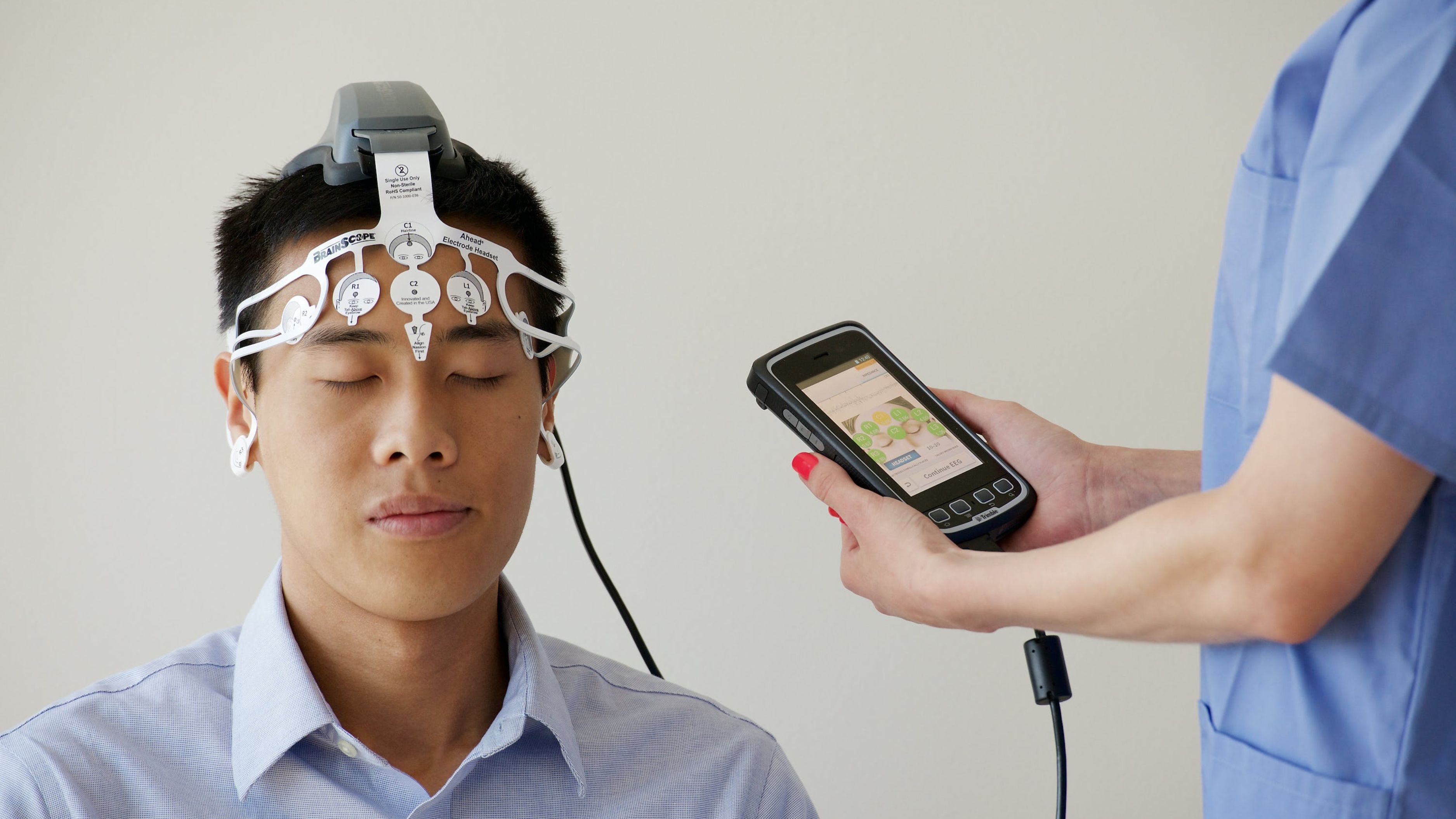
The short version: tPBM has a real mechanistic basis, a growing body of human trial data with meaningful effect sizes in specific domains, and a risk profile that is genuinely low at appropriate parameters. It also has a significant noise problem – underpowered devices, overclaimed benefits, and a consumer market that has outpaced the clinical literature by several years. Whether it's worth the price depends on which device, which parameters, and what you're actually trying to achieve.
What Transcranial Photobiomodulation Is
Photobiomodulation (PBM) is the use of red and near-infrared (NIR) light to stimulate biological tissue. In the transcranial application, light in the 630–1100nm wavelength range is directed at the scalp and skull with the goal of reaching cortical tissue and producing neurological effects. The "transcranial" qualifier is doing meaningful work here – getting sufficient photon flux through skull and dura to produce cortical effects requires significantly higher irradiance than surface-level PBM used for wound healing or musculoskeletal applications.
The primary target in tPBM is cytochrome c oxidase (CCO), the terminal enzyme in the mitochondrial electron transport chain. CCO absorbs photons in the red and NIR spectrum, and photoactivation of CCO increases its catalytic efficiency – accelerating ATP production and reducing the accumulation of nitric oxide and reactive oxygen species that inhibit mitochondrial function under stress. The net result in neurons is increased metabolic capacity, improved mitochondrial membrane potential, and downstream effects on cellular signaling that influence neuroprotection, neuroplasticity, and neurotransmitter regulation.
This is not a speculative mechanism. CCO photon absorption and its downstream metabolic effects are well-characterized at the cellular level, and the transcranial application of these principles is supported by a growing body of in vivo and human trial data. The question isn't whether the mechanism is real – it is – but whether consumer devices deliver sufficient energy to the relevant cortical tissue to produce the effects seen in clinical research settings.
The Research Landscape
The human trial literature on tPBM has expanded significantly since 2013 and is now substantial enough to draw some reasonably confident conclusions, with important caveats about heterogeneity in device parameters across studies.
Cognitive performance is the most studied domain in healthy adults. A 2017 randomized controlled trial by Blanco et al. published in Photomedicine and Laser Surgery found significant improvements in sustained attention and working memory following a single session of prefrontal tPBM (1064nm, 250mW/cm², 8 minutes) in healthy adults. Effect sizes were moderate to large on the cognitive measures used. A 2021 study from the University of Texas at Austin by Zomorrodi et al. found tPBM-induced improvements in resting-state EEG power in the gamma band, which correlates with cognitive processing efficiency. These aren't isolated findings – multiple research groups have replicated attentional and executive function improvements following prefrontal tPBM in non-clinical populations.
Traumatic brain injury and concussion represents arguably the strongest clinical evidence base for tPBM. Research from Margaret Naeser's group at Boston University, including multiple case series and a randomized trial, has shown consistent improvements in cognitive function, sleep quality, and depressive symptoms in individuals with chronic TBI following multi-week tPBM protocols. The effect sizes in this population are clinically meaningful and have been replicated by other groups. For anyone with a history of TBI or post-concussion syndrome, the tPBM evidence is substantively stronger than for general cognitive enhancement.
Depression and mood has a growing evidence base. A randomized controlled trial by Cassano et al. (2018) in JAMA Psychiatry reported significant reductions in depressive symptoms following 8 weeks of transcranial PBM targeting the frontal cortex, with a response rate that compared favorably to pharmacological treatment arms in comparable populations. This is early evidence and requires replication at scale, but the effect is consistent with tPBM's known influence on prefrontal metabolic function and monoamine regulation.
Alzheimer's disease and neurodegeneration is a research direction with real mechanistic rationale – CCO activation and mitochondrial support in neurons are directly relevant to the metabolic dysfunction underlying Alzheimer's pathology – but the human evidence remains early-stage. Animal model data is encouraging; the human trial evidence is insufficient to draw conclusions yet.
The honest characterization of the research: real, replicable effects in the domains of cognition (particularly attention and executive function), mood, and neurological recovery. Effect sizes that are clinically meaningful in TBI populations and moderate in healthy adult cognition studies. A mechanistic framework that is sound. A literature base that is growing but still limited in scale compared to established pharmacological interventions.
The Parameters Problem
Here is where most consumer tPBM purchases go wrong: the devices people buy often do not deliver the irradiance levels or wavelengths used in the research that established the effects they're marketed on.
The critical parameters in tPBM research are wavelength, power density (irradiance, measured in mW/cm²), energy density (fluence, measured in J/cm²), and exposure duration. The research showing cognitive improvements in healthy adults typically uses 810nm or 1064nm wavelengths, irradiance in the range of 25–250mW/cm² at the device head, and exposure durations of 6–20 minutes per session. Getting meaningful photon flux through the skull to cortical tissue requires adequate power density – light that is too weak simply does not penetrate far enough to activate CCO in neurons at biologically meaningful levels.
Many consumer devices marketed as transcranial PBM helmets or panels operate at power densities well below what research protocols use. A device delivering 5–10mW/cm² may produce surface-level skin and scalp effects consistent with standard PBM, but the evidence for cortical penetration and neurological effects at that irradiance level is weak. The skull attenuates approximately 90% of incident photons, which means a device that needs to deliver, say, 50mW/cm² to cortical tissue needs to be outputting several hundred mW/cm² at the surface.
The wavelength question matters too. Much of the most robust human cognitive research uses 1064nm (near-infrared), which has better transcranial penetration than shorter wavelengths like 660nm that dominate the consumer red light market. A device marketed as tPBM that primarily emits 660nm light is delivering something qualitatively different from the 1064nm protocols used in the UT Austin and other high-quality cognitive studies.
Before evaluating any specific device, the questions that matter are: what wavelength(s) does it emit, what is the irradiance at the device head, and is there published research using this specific device or devices with comparable parameters in the target population?
Device Tiers and What You're Actually Buying
The consumer tPBM market spans roughly three tiers with significant differences in what they deliver.
Entry-level devices ($50–$200): LED panels and low-powered helmets in this range are typically operating at 630–660nm with irradiance well below research-grade protocols. They may produce local PBM effects at the scalp level and have a legitimate role in hair growth applications, where the target tissue is shallow. Their claim to transcranial neurological effects is not well-supported by the physics of photon penetration. Buying these specifically for cognitive enhancement is not supported by the research.
Mid-range devices ($300–$800): Some devices in this range use 810nm or 850nm NIR wavelengths at higher irradiance and are closer to the parameter ranges used in research. The Vielight Neuro Alpha and Gamma devices, which use 810nm transcranial and intranasal delivery at moderate power, have been used in some published research and sit in this category. The evidence base for these specific devices is limited but more credible than the entry-level category. For someone wanting to experiment with tPBM, this is the reasonable entry point if device parameters are verified.
Research-grade devices ($1,000–$2,500+): Devices like the Vielight Neuro Duo, higher-powered 1064nm panels, and systems designed to replicate the parameters used in published clinical trials sit in this range. If transcranial penetration and cortical effects are what you're paying for, the physics and the evidence support devices in this tier significantly more than lower-powered alternatives. The cost is high; the evidence basis for the effect is considerably stronger.
The practical implication: don't buy a $150 helmet expecting the cognitive outcomes from a UT Austin 1064nm protocol. The device isn't delivering comparable parameters.
Practical Protocol for tPBM Use
For individuals who have evaluated the evidence and chosen to use tPBM, the following reflects the parameters and frequency used in the most credible research.
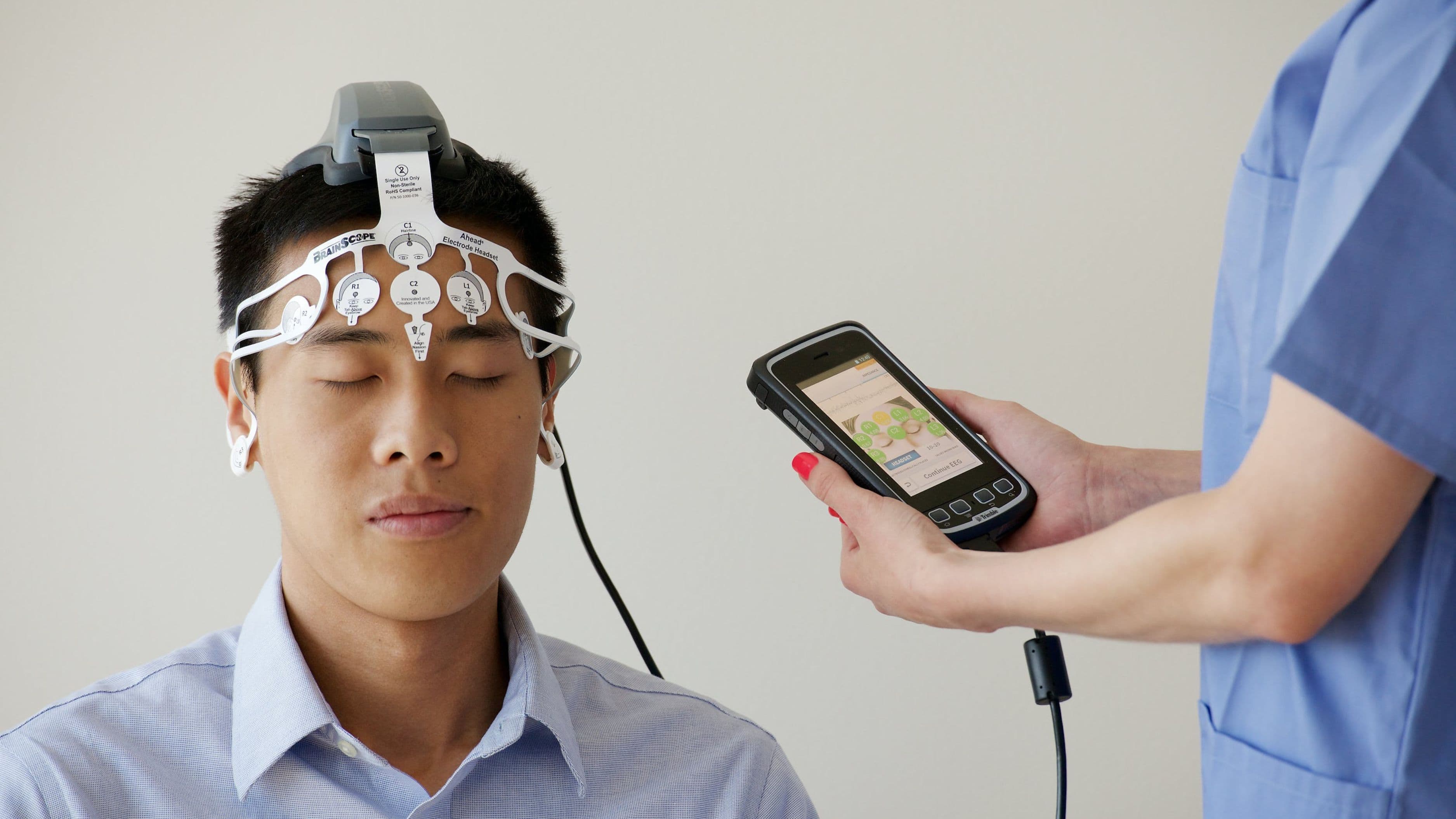
Target area: Prefrontal cortex for executive function and mood applications; right frontoparietal cortex for sustained attention; vertex (Cz) for broader default mode network effects. Most consumer helmets target frontal and parietal regions.
Session duration: 8–20 minutes per session, consistent with the duration ranges used in positive-outcome studies. Longer is not necessarily better – there is a biphasic dose-response in PBM where excessive fluence can produce inhibitory rather than stimulatory effects.
Frequency: 3–5 sessions per week for an initial 4–8 week protocol. Some benefit is reported acutely following single sessions; cumulative effects on neuroplasticity markers require consistent multi-week application.
Timing: Pre-cognitively demanding work blocks for acute attention effects. For neuroprotection and neuroplasticity applications, timing is less critical than consistency.
Baseline measures: If you're using tPBM for performance optimization, establish objective baseline measures before starting – cognitive assessments (Cambridge Brain Sciences offers free online testing), HRV trends, and sleep quality metrics. Subjective impression of benefit is insufficiently reliable given placebo effects in any brain-targeting intervention.
Risks and Contraindications
The safety profile of tPBM at appropriate parameters is genuinely good. There are no documented serious adverse events from tPBM in published human research at standard clinical parameters. The most commonly reported adverse effects are mild and transient: headache, temporary fatigue, and occasionally transient visual disturbance if light is directed near the eyes.
The primary contraindications are worth knowing: active malignancy (PBM's pro-growth cellular effects are contraindicated in cancer), photosensitizing medications (certain antibiotics, antidepressants, and chemotherapy agents increase photosensitivity), and direct ocular exposure (eyes should never receive direct tPBM irradiation; NIR light is invisible and damage is possible without protective eyewear).
Individuals with implanted electronic devices in the cranial region and those with active seizure disorders should consult a physician before using tPBM. Pregnancy is a standard contraindication in the absence of safety data.
The risk profile is favorable relative to most pharmacological cognitive interventions at equivalent effect sizes. This is legitimately one of tPBM's advantages – it is not a zero-risk intervention, but it is a low-risk one.
The Verdict: Is It Worth the Price?
The answer is use-case specific.
For TBI recovery, post-concussion symptoms, or neurological rehabilitation: The evidence is strong enough and the risk profile favorable enough that tPBM is worth serious consideration as an adjunct intervention, at appropriate device parameters. The cost of a mid-to-high-range device is reasonable relative to the evidence base and the lack of effective alternatives in this population.
For healthy adult cognitive enhancement: The effects are real but moderate. tPBM will not produce the kind of acute attentional effect that nicotine, modafinil, or stimulants produce. It is a mitochondrial support intervention with cumulative effects on neuroplasticity and baseline cognitive function over weeks of consistent use. If that's what you're looking for – a low-risk, compounding investment in brain metabolic function – a properly parameterized device at the mid-to-high range is defensible. A cheap LED helmet is not.
For longevity and neuroprotection: The mechanistic rationale is sound – mitochondrial support, reduced oxidative stress, enhanced metabolic reserve in neurons are all relevant to long-term brain health. The human evidence for this specific application is still thin. It's a reasonable addition to a neuroprotection protocol, but not a primary one.
The price is worth paying if: you buy a device with verified parameters at or near research-grade, you have a specific use case with corresponding evidence (TBI, attention, mood), and you're measuring outcomes objectively rather than relying on subjective impression.
The price is not worth paying for: a low-powered entry-level device based on marketing claims, a general "brain optimization" goal without specific measurable targets, or as a replacement for foundational factors – sleep, training, nutrition, and stress management – that have a larger effect on cognitive function than tPBM will.
FAQ
How does tPBM differ from red light therapy panels used for skin or recovery? The target tissue, required parameters, and evidence base are different. Surface PBM for skin, wound healing, or musculoskeletal applications uses lower irradiance at shallower tissue depths. Transcranial PBM requires substantially higher power density to achieve cortical penetration. Some overlap exists at 810–850nm for scalp and superficial cortical tissue, but a standard red light panel is not a substitute for a purpose-built tPBM device.
Is there a meaningful difference between 810nm and 1064nm for cognitive effects? Yes, practically. 1064nm has better transcranial penetration depth and is the wavelength used in several of the highest-quality human cognitive studies. 810nm is more widely available in consumer devices and has a respectable evidence base. Both are meaningfully superior to 660nm for transcranial applications. If the choice exists, 1064nm is preferred for cognitive applications.
Can tPBM be combined with other nootropic interventions? There is no known adverse interaction between tPBM and standard nootropic supplements. Combining tPBM with interventions that share mechanistic targets – mitochondrial support compounds like CoQ10, PQQ, or methylene blue – has theoretical synergy and is explored in some research contexts, though human trial data on combination protocols is limited. Standard caution applies: don't stack too many variables simultaneously if you want to isolate what's working.
How long before effects are noticeable? Acute cognitive effects – improved attention and processing speed – have been reported in single-session studies and may be noticeable within an hour of a session. Cumulative effects on mood, sleep quality, and baseline cognitive function generally require 4–8 weeks of consistent use in the research literature. If you're not noticing anything after 8 weeks of proper-parameter use, the device parameters or target area may not be appropriate for your use case.
What objective tests can I use to measure tPBM effects? Cambridge Brain Sciences (cambridgebrainsciences.com) offers validated cognitive assessments covering working memory, attention, reasoning, and verbal ability. NeuroTracker and similar tools assess processing speed and attention. For mood and sleep, standardized questionnaires (PHQ-9, PSQI) provide quantifiable baselines. Run these before starting a protocol and at 4-week intervals. Subjective self-assessment is too prone to expectation bias to be useful in isolation.
📚 Sources
Blanco NJ et al. – "Improving executive function using transcranial infrared laser stimulation" (Journal of Neuropsychology, 2017): https://bpspsychub.onlinelibrary.wiley.com/doi/10.1111/jnp.12074
Zomorrodi R et al. – "Pulsed Near Infrared Transcranial and Intranasal Photobiomodulation Significantly Modulates Neural Oscillations" (Scientific Reports, 2019): https://www.nature.com/articles/s41598-019-42693-x
Naeser MA et al. – "Significant Improvements in Cognitive Performance Post-Transcranial, Red/Near-Infrared Light-Emitting Diode Treatments in Chronic, Mild Traumatic Brain Injury" (Journal of Neurotrauma, 2014): https://www.liebertpub.com/doi/10.1089/neu.2013.3244
Cassano P et al. – "Near-Infrared Transcranial Radiation for Major Depressive Disorder" (JAMA Psychiatry, 2018): https://jamanetwork.com/journals/jamapsychiatry/fullarticle/2718455
Hamblin MR – "Shining light on the head: Photobiomodulation for brain disorders" (BBA Clinical, 2016): https://www.sciencedirect.com/science/article/pii/S2214647416300216
Salehpour F et al. – "Brain Photobiomodulation Therapy: a Narrative Review" (Molecular Neurobiology, 2018): https://link.springer.com/article/10.1007/s12035-017-0852-4