
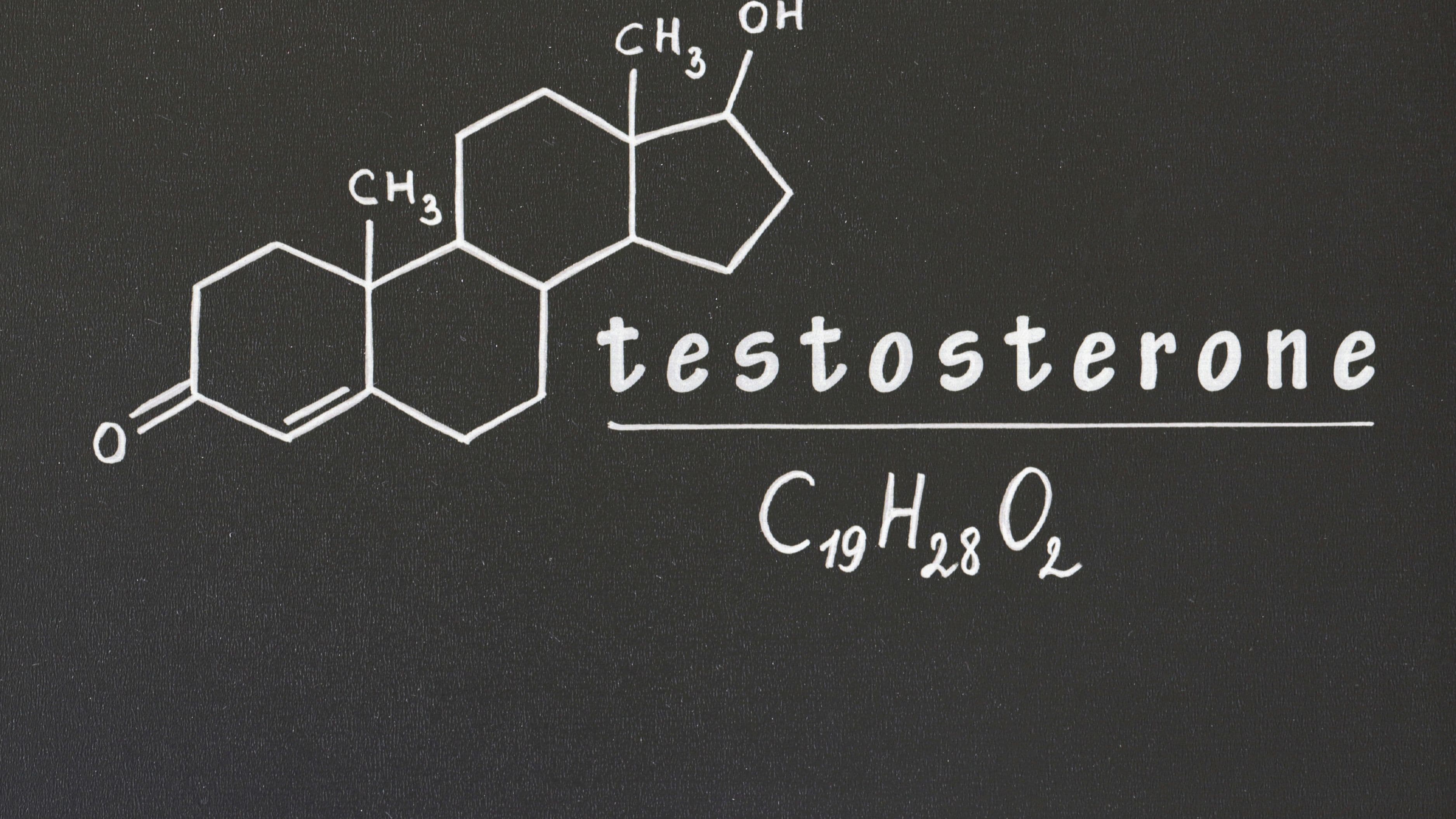
If you're optimizing hormones seriously, you need to understand the distinction between total testosterone, free testosterone, and bioavailable testosterone. Not conceptually – mechanistically. Because the difference between a man with 700 ng/dL total T who feels and performs like he's deficient, and one with 500 ng/dL who doesn't, almost always comes down to binding proteins and what's actually circulating in a biologically active form.
This is what your lab results are actually telling you.
Total Testosterone: What It Measures and What It Doesn't
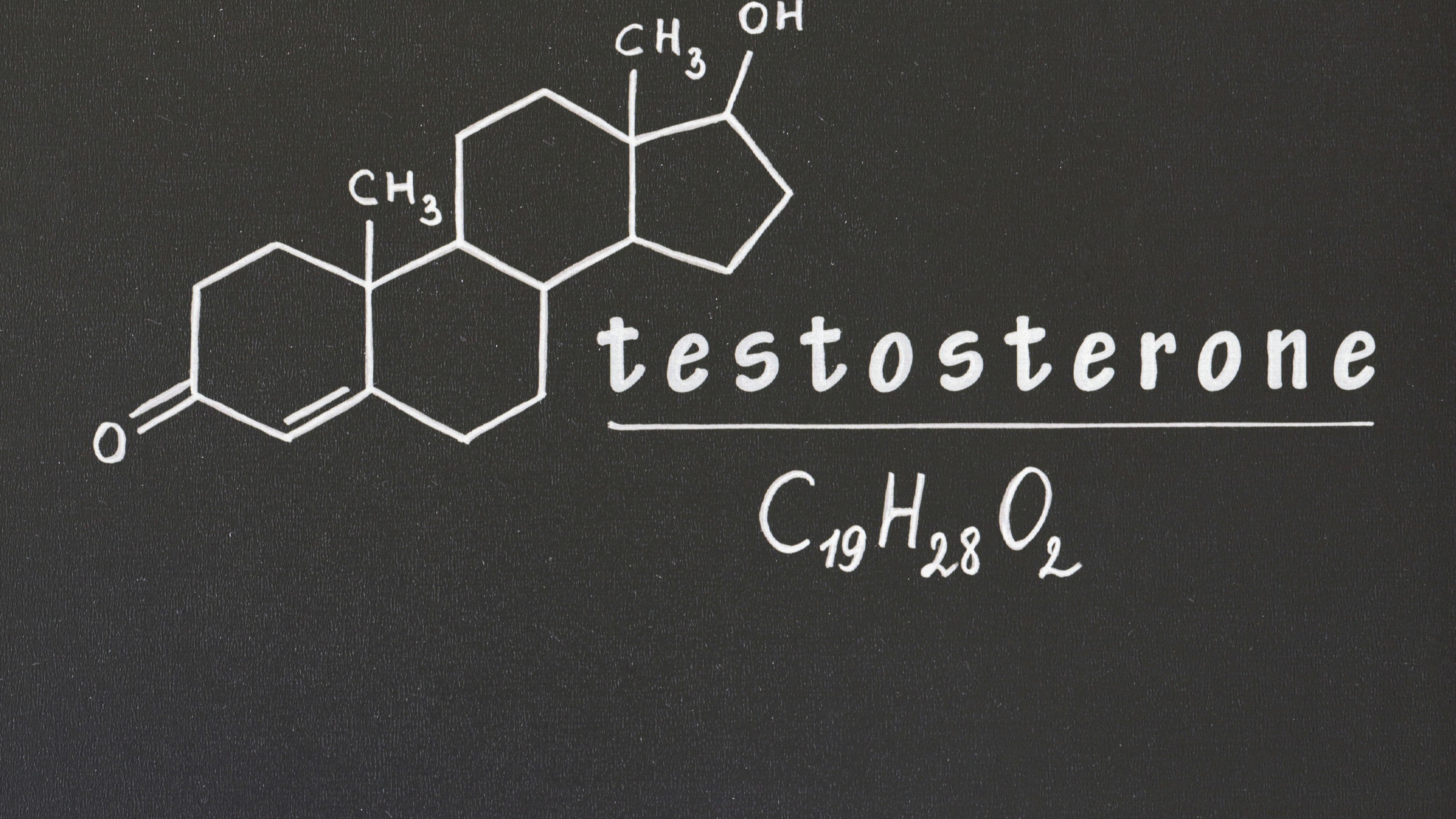
Total testosterone is the aggregate of all testosterone in your bloodstream, regardless of whether it's bound to a protein or free to act on tissues. It's the number most physicians order by default, and it's the one most reference ranges are built around. The standard "normal" range from most labs sits between approximately 300–1,000 ng/dL, though this range is derived from population averages that include sedentary, aging, and unhealthy men – which means "normal" is doing a lot of heavy lifting as a concept.
The problem with total testosterone as a standalone metric is that roughly 97–99% of circulating testosterone is bound to proteins and unavailable for cellular use. Approximately 60–70% is tightly bound to sex hormone-binding globulin (SHBG), a protein produced primarily in the liver. Another 20–40% is loosely bound to albumin. Only about 1–3% circulates in a free, unbound state. The critical point is that SHBG-bound testosterone is essentially inert from a biological standpoint – it cannot enter cells, bind to androgen receptors, or drive the downstream effects that testosterone is responsible for.
This means two men can have identical total testosterone readings and radically different functional androgen status, depending on their SHBG levels. High SHBG is common in men who are lean, older, hyperthyroid, or who consume significant alcohol. It dramatically reduces the fraction of testosterone available to tissues, even when total levels look adequate on paper.
Free Testosterone: The Number That Actually Matters
Free testosterone represents the unbound fraction – the portion not attached to SHBG or albumin, circulating in its biologically active form. It's the testosterone that can cross cell membranes, bind to androgen receptors, and initiate the gene transcription cascades responsible for muscle protein synthesis, libido, red blood cell production, cognitive function, and mood regulation.
Reference ranges for free testosterone vary by lab and measurement method, but a common range is approximately 9–30 ng/dL (or 50–210 pg/mL depending on units used). Because free T constitutes such a small percentage of total T, relatively modest changes in SHBG have large effects on free T levels even when total T remains constant.
There's an important caveat about measurement. Direct immunoassay testing of free testosterone – the most common commercial method – is notoriously inaccurate, particularly at lower values. The gold standard for measuring free testosterone is equilibrium dialysis, a more complex and expensive laboratory technique that most standard blood panels don't use. When your lab reports free testosterone using a direct assay, treat the result as approximate. If precision matters for clinical decisions, request equilibrium dialysis or ask your physician to calculate free T from total testosterone, SHBG, and albumin using the Vermeulen formula – which, while calculated rather than directly measured, is significantly more reliable than the direct assay.
Bioavailable Testosterone: The Full Picture
Bioavailable testosterone includes both free testosterone and albumin-bound testosterone. Unlike SHBG-bound testosterone, albumin-bound testosterone is loosely attached – the bond dissociates readily at the tissue level, allowing it to be taken up and used. This makes it functionally active, even though it's technically "bound."
Measuring bioavailable testosterone gives you a more complete picture of what your body actually has access to. In men with elevated SHBG, the difference between free T and bioavailable T can be clinically meaningful. A man with high SHBG might have low free testosterone but somewhat higher bioavailable testosterone, providing a more accurate picture of his actual androgen environment than free T alone.
Bioavailable testosterone is also calculable from total T, SHBG, and albumin using established formulas. The same principle applies: if you're making decisions based on these numbers, calculated bioavailable T from accurate inputs is more reliable than some direct assay measurements.
SHBG: The Variable Most Men Overlook
Understanding testosterone status without measuring SHBG is like trying to understand net income by looking only at gross revenue. SHBG is the binding protein that determines how much of your total testosterone is actually accessible, and its levels are powerfully influenced by factors you can modify.
SHBG increases with age, caloric restriction, low insulin levels, hyperthyroidism, liver disease, and estrogen exposure. It decreases with obesity, insulin resistance, hypothyroidism, elevated androgens (including exogenous testosterone), and high protein intake. This creates a situation where metabolic health and SHBG are tightly linked – insulin suppresses SHBG production in the liver, which is why obese men often have low SHBG (and therefore more free T relative to their total T), while very lean men with excellent insulin sensitivity sometimes have elevated SHBG that effectively reduces their free T despite normal or high total T.
Practically speaking, if your total T is in the mid-to-high normal range but you're experiencing symptoms consistent with low androgen status – reduced libido, cognitive fog, poor recovery, low motivation, difficulty maintaining muscle – the first place to look is SHBG and free testosterone, not simply total T.
Reading Your Lab Panel: A Practical Framework
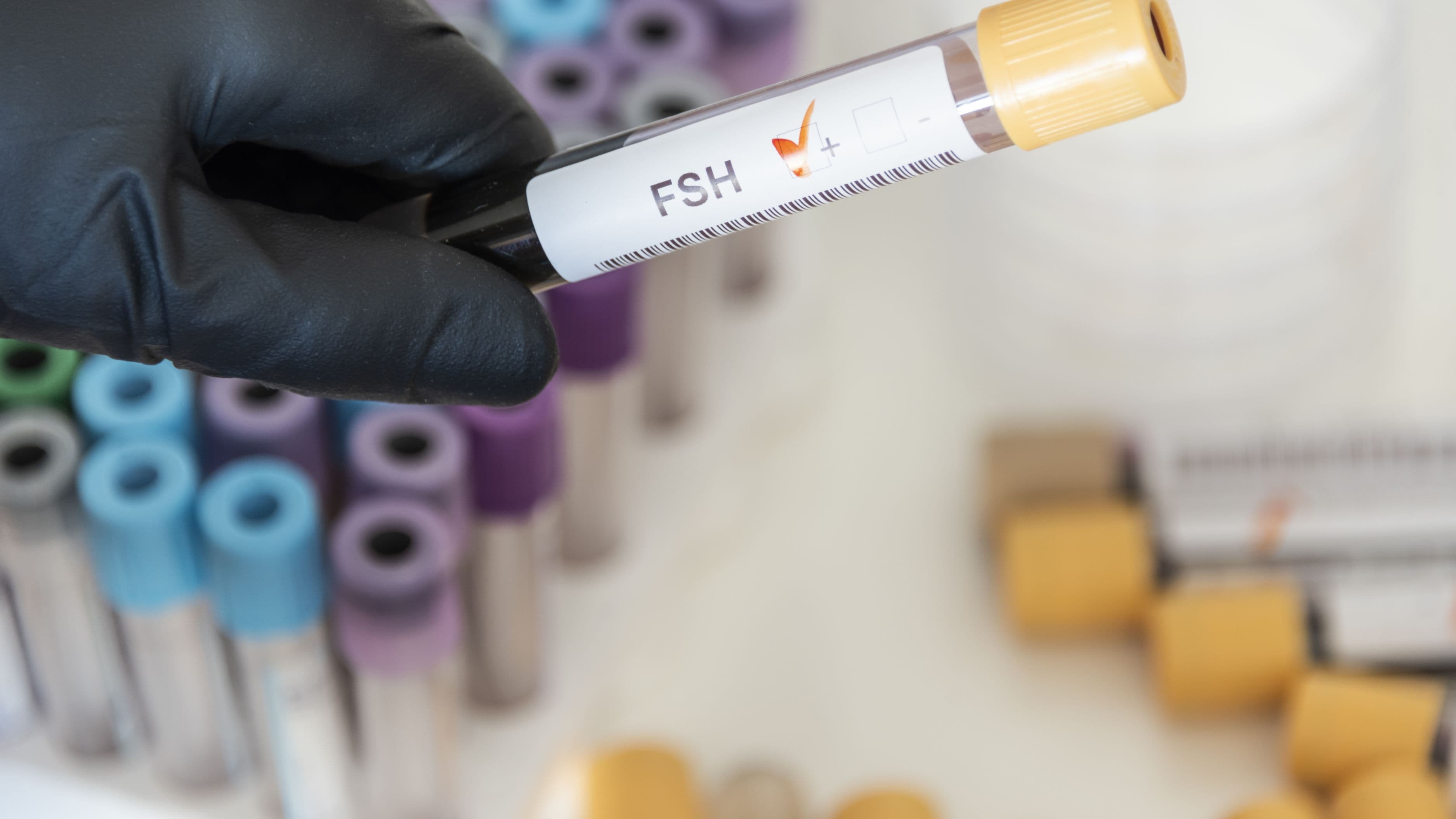
A complete hormone panel for serious assessment should include: total testosterone, SHBG, free testosterone (ideally calculated via equilibrium dialysis or the Vermeulen formula), albumin, and LH/FSH to establish whether any deficit is primary (testicular) or secondary (hypothalamic-pituitary). Estradiol (E2), specifically the sensitive assay version, is also worth including since elevated estrogen relative to testosterone affects androgen receptor sensitivity and symptom presentation.
When interpreting results, context matters more than absolute numbers. A man at 35 with a total T of 450 ng/dL, SHBG of 65 nmol/L, and free T of 6 ng/dL is functionally hypoandrogenic – even though his total T sits squarely within the "normal" range. A man with the same total T, SHBG of 25 nmol/L, and free T of 14 ng/dL is in a significantly better position functionally. Same total testosterone, meaningfully different androgen status.
Timing matters too. Testosterone follows a diurnal rhythm, peaking in the early morning (approximately 7–9am) and declining throughout the day, with afternoon values running 20–35% lower than morning values. Always test in the morning, fasted if possible, and under consistent conditions if you're tracking over time. A single afternoon reading is not a reliable baseline.
What "Optimized" Actually Looks Like
Optimization targets vary by individual, but the evidence points toward specific ranges associated with better body composition, cognitive function, and general performance. For total testosterone, most research on performance outcomes clusters around 600–1,000 ng/dL as a functional target for men in their prime years. Free testosterone in the upper quartile of the reference range – roughly 15–25 ng/dL using equilibrium dialysis – is associated with better outcomes across multiple markers. SHBG below 40 nmol/L is generally favorable for androgen bioavailability, though very low SHBG (below 15 nmol/L) can have its own downstream implications including reduced DHT availability and altered estrogen metabolism.
The goal isn't to maximize any single number. It's to optimize the ratio and balance of the full hormonal picture. A man with total T of 650, free T of 18, SHBG of 30, and appropriate estradiol levels is likely well-optimized. One with total T of 900, free T of 9, SHBG of 90, and low estradiol is not – despite the impressive total number.
Common Misinterpretations to Avoid
The single most common error is treating total testosterone as the definitive measure of androgen status. It's a starting point, not a conclusion. Any clinical or self-directed decision based on total T alone is missing at minimum half the relevant information.
The second error is assuming that higher total testosterone is always better. Very high SHBG can accompany high total T in ways that actually reduce bioavailability. Exogenous testosterone interventions that drive up total T while also suppressing LH and FSH create a different hormonal environment than endogenous production – and the downstream effects on fertility, testicular function, and long-term HPG axis sensitivity are clinically relevant considerations before initiating any exogenous hormone protocol.
The third error is measuring once and concluding. Testosterone levels are dynamic. Acute stress, poor sleep, illness, alcohol consumption, and extreme caloric restriction all suppress both total and free testosterone acutely. A single reading under suboptimal conditions doesn't represent your baseline. Two to three measurements under consistent morning, rested, and fasted conditions give you something worth acting on.
FAQ
What's the most accurate way to test free testosterone? Equilibrium dialysis is the gold standard. Most commercial labs use direct immunoassay, which is significantly less accurate, particularly at low values. An alternative is to calculate free T from total T, SHBG, and albumin using the Vermeulen equation – several online calculators implement this reliably and the calculated value is generally more accurate than the direct assay.
Can I have symptoms of low testosterone with normal lab results? Yes, and it's more common than most physicians acknowledge. Symptoms can persist when total T is "normal" but free T is suppressed by elevated SHBG. Androgen receptor sensitivity also varies between individuals, meaning some men require higher free T levels to experience adequate androgenic signaling. Lab results contextualize symptoms; they don't replace clinical assessment.
Does SHBG change significantly with lifestyle interventions? Yes. Resistance training, optimizing sleep, correcting vitamin D and zinc deficiency, reducing alcohol, and improving insulin sensitivity all modestly reduce SHBG over time. These interventions won't produce dramatic shifts in isolation, but they compound with other hormone-optimizing inputs and are worth addressing before considering pharmaceutical intervention.
Is there a difference between morning and evening testosterone readings? Yes, and it's clinically significant. Morning values (7–9am) are typically 20–35% higher than afternoon values due to the diurnal rhythm of testosterone secretion. Always test in the morning for a valid baseline. Comparing a morning reading to a previous afternoon reading, or vice versa, is comparing apples to oranges.
📚 Sources
Vermeulen A, Verdonck L, Kaufman JM – A Critical Evaluation of Simple Methods for the Estimation of Free Testosterone in Serum (Journal of Clinical Endocrinology & Metabolism): https://academic.oup.com/jcem/article/84/10/3666/2864505
Bhasin S et al. – Testosterone Therapy in Men with Hypogonadism: An Endocrine Society Clinical Practice Guideline: https://academic.oup.com/jcem/article/103/5/1715/4939465
Rosner W et al. – Position Statement: Utility, Limitations, and Pitfalls in Measuring Testosterone (Journal of Clinical Endocrinology & Metabolism): https://academic.oup.com/jcem/article/92/2/405/2597282
Travison TG et al. – The Relationship Between Libido and Testosterone Levels in Aging Men (Journal of Clinical Endocrinology & Metabolism): https://academic.oup.com/jcem/article/91/7/2509/2843193
Hammond GL – Diverse Roles for Sex Hormone-Binding Globulin in Reproduction (Biology of Reproduction): https://academic.oup.com/biolreprod/article/85/3/431/2530249
Morley JE et al. – Validation of a Screening Questionnaire for Androgen Deficiency in Aging Males (Metabolism): https://www.metabolismjournal.com/article/S0026-0495(00)90149-3/abstract