
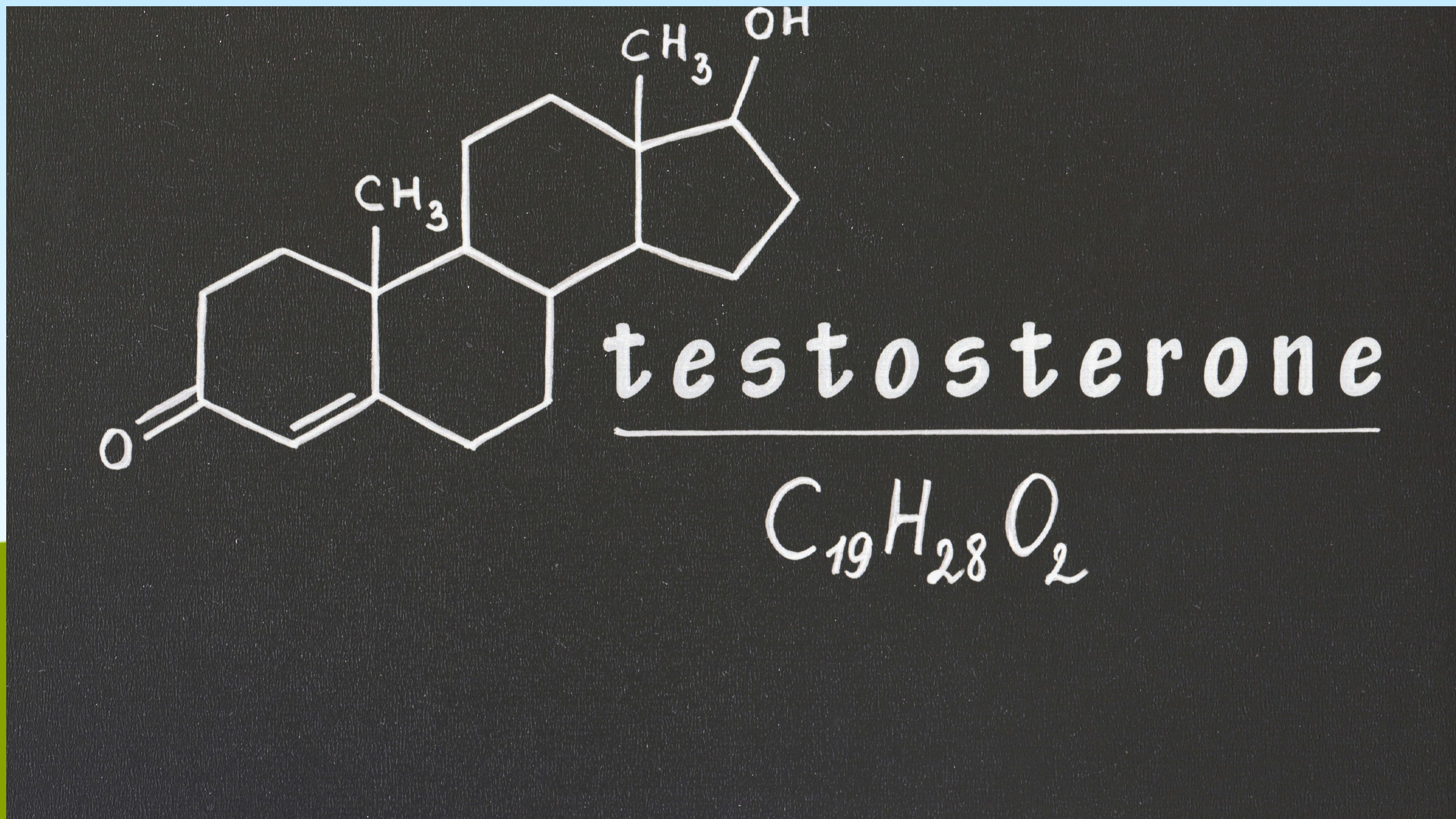
The honest answer to the question in the title is: probably yes, but within a narrower range and under more specific conditions than most supplement marketing implies.
What Tongkat Ali Is and How It's Supposed to Work
Eurycoma longifolia is a flowering plant native to Southeast Asia, particularly Malaysia and Indonesia, where it's been used in traditional medicine for centuries as an adaptogen and aphrodisiac. The active compounds most studied for hormonal effects are a group of quassinoids – primarily eurycomanone – along with peptides and glycosaponins. These compounds are thought to work through multiple mechanisms, none of which are fully established but several of which have plausible biochemical basis.
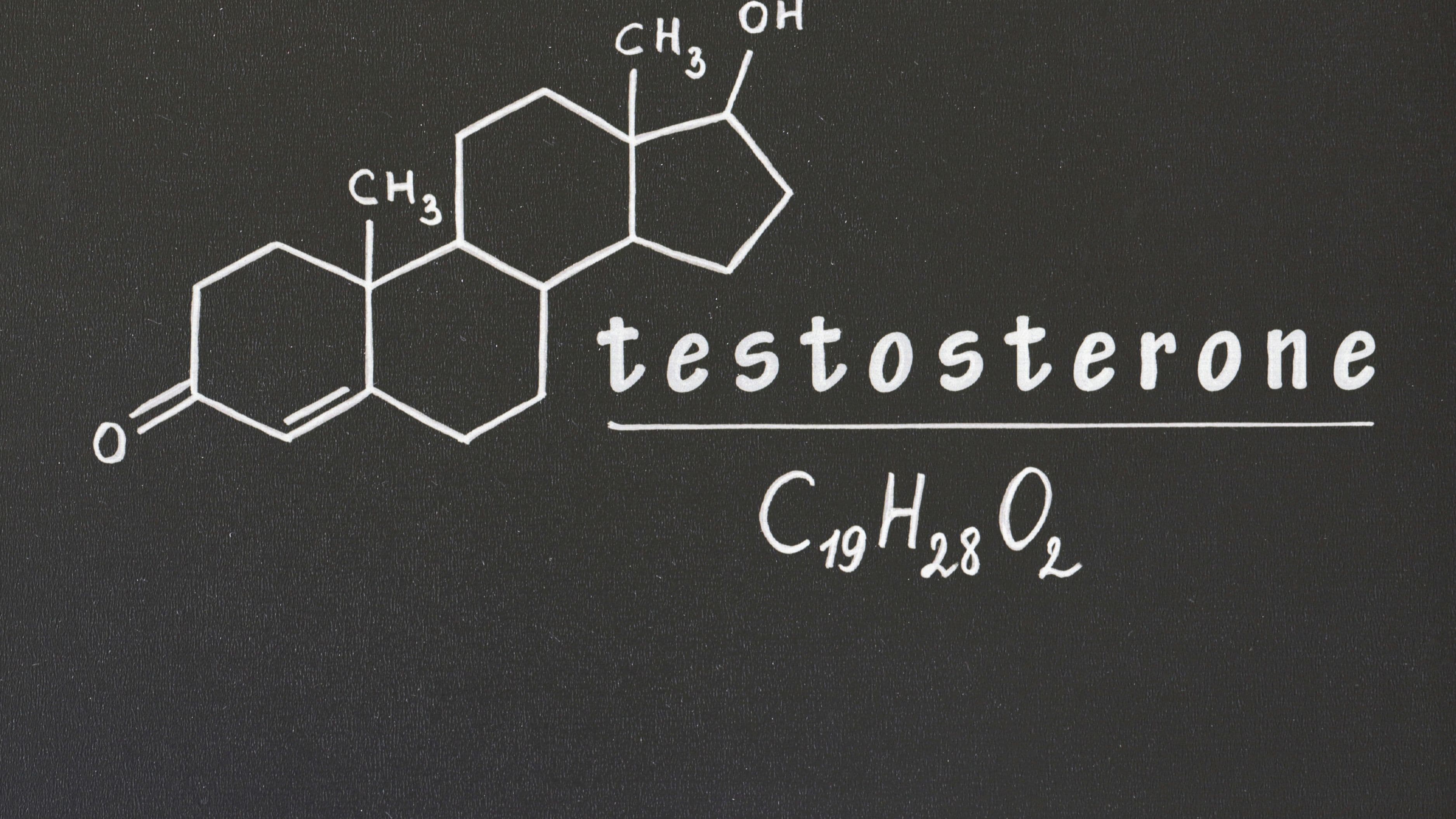
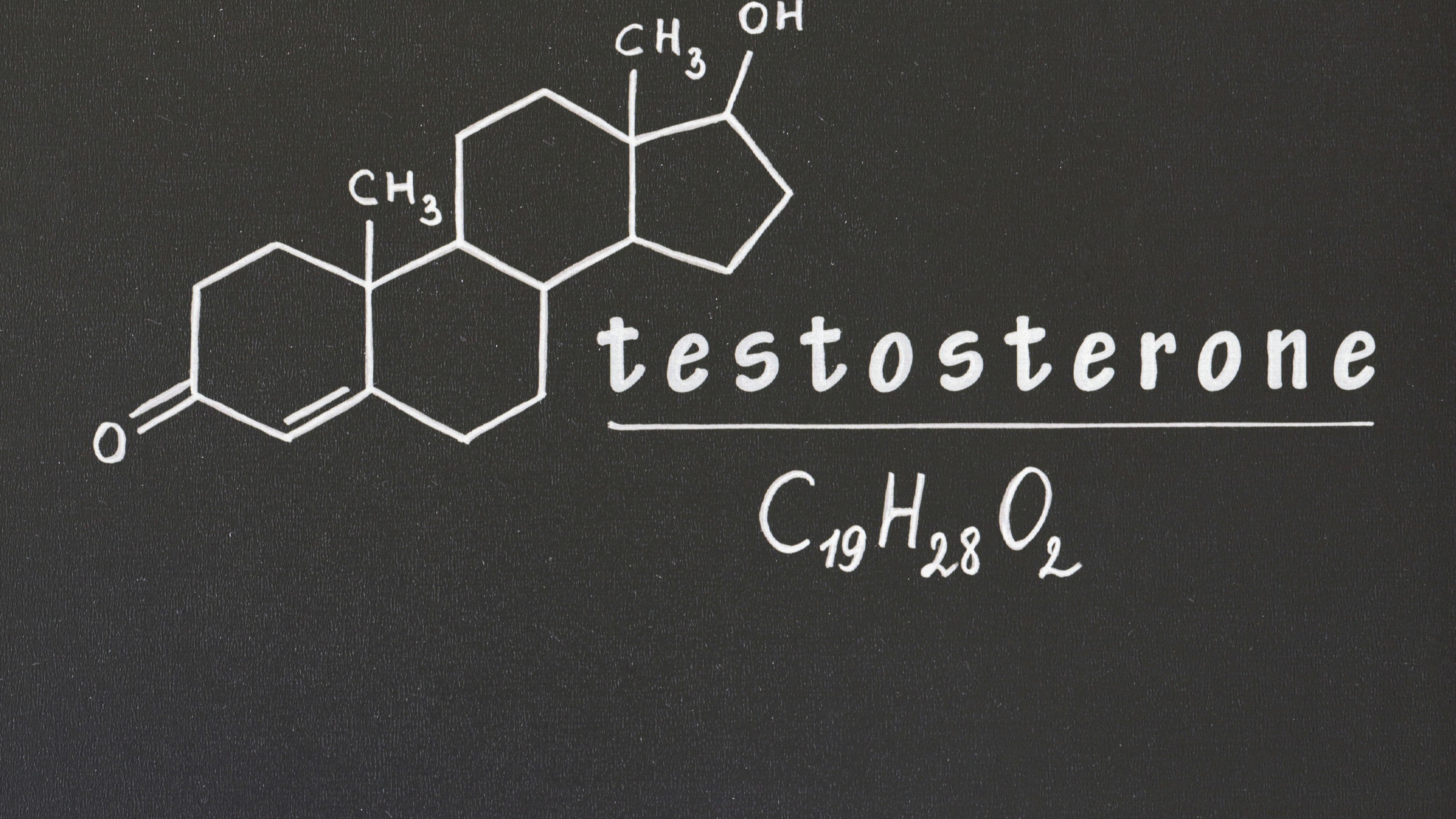
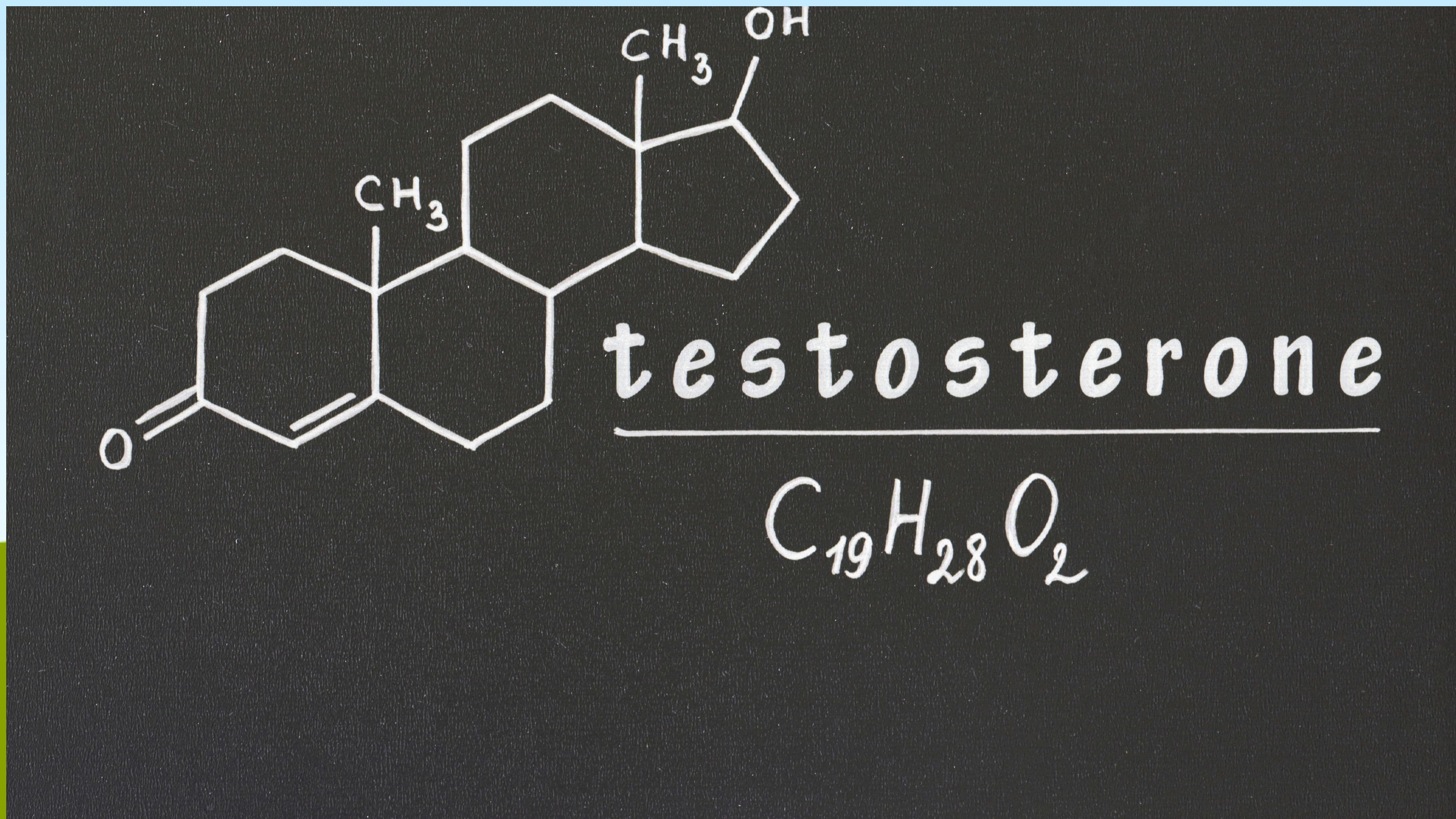
The primary proposed mechanism is inhibition of sex hormone-binding globulin (SHBG) activity, which would increase the ratio of free testosterone to total testosterone without necessarily raising total testosterone itself. Free testosterone is the biologically active fraction – the portion that actually binds to androgen receptors and drives the effects most men are interested in. A second proposed mechanism involves reducing cortisol, which competes with testosterone at the receptor level and suppresses the HPG axis under sustained elevation. A third mechanism, less well-supported, involves direct stimulation of Leydig cell testosterone production via LH pathway sensitization. In practice, the human trial data suggests some combination of these may be occurring, but the relative contribution of each isn't clearly established.
What the Human Research Actually Shows
This is where precision matters. The research base on tongkat ali is real but limited, and the quality of studies varies considerably.
The most cited study in healthy men is a 2013 randomised controlled trial by Tambi et al. published in the Journal of the International Society of Sports Nutrition, which found significant increases in total and free testosterone, and decreases in SHBG, in a group of 76 moderately stressed but otherwise healthy older men (average age 57) after 4 weeks of 200mg standardised extract daily. The testosterone increase was approximately 46% in total testosterone and a meaningful rise in free testosterone. This is the trial most supplement companies reference. It's also a study in older men with below-average baseline testosterone and elevated stress hormones – not healthy young men with optimal levels.
A 2022 randomised, double-blind, placebo-controlled trial published in Phytotherapy Research (Leisegang et al.) examined tongkat ali in men with hypogonadal symptoms but not yet clinically hypogonadal. This study used a higher-quality 300mg standardised root water extract and found significant improvements in total and free testosterone, along with improvements in DHEA-S, over 12 weeks. Again, the baseline testosterone in this group was in the lower-normal to below-normal range – not optimal.
Studies in athletic populations are thinner. A 2003 pilot study in recreational athletes found improvements in lean mass and strength compared to placebo over 5 weeks with 100mg daily, though sample sizes were small and hormone data was not the primary endpoint. More recent data in physically trained men with normal testosterone has shown more modest or statistically non-significant testosterone changes, with the benefits appearing more consistently in ergogenic markers like power output and recovery than in absolute hormone levels.
The pattern that emerges across the literature is consistent: tongkat ali appears most effective in men whose testosterone is suppressed below optimal levels – whether due to age, chronic stress, hypogonadal symptoms, or physiological suppression from overtraining. In men with genuinely healthy, optimal testosterone, the hormonal effect is less pronounced and the clinical significance is less clear.
The SHBG Reduction Angle
The free testosterone effect deserves separate attention because it's often underweighted in discussions of tongkat ali. Total testosterone numbers are what most men track, but free testosterone is the fraction driving androgenic effects on muscle protein synthesis, libido, mood, and cognition. SHBG levels increase with age and with certain metabolic conditions, progressively reducing free testosterone even when total testosterone looks acceptable on a lab panel.
If tongkat ali consistently reduces SHBG and increases free testosterone fraction – which multiple trials suggest it does – that's a meaningful hormonal benefit even in men who wouldn't show dramatic changes in total testosterone. A man with total testosterone of 600 ng/dL but an SHBG of 55 nmol/L has significantly lower free testosterone than his total number implies. Any intervention that reduces SHBG meaningfully changes the functional hormonal picture without requiring a large shift in total production.
This mechanism makes tongkat ali more broadly relevant than the clinical trial demographics alone would suggest. Men in their 30s and 40s with rising SHBG, or men experiencing the free testosterone decline that often precedes overt hypogonadism by several years, represent a population where the free testosterone angle is clinically relevant.
Dosing, Standardisation, and Product Quality
This is where most consumer-grade tongkat ali products fall short. The trials showing meaningful results use standardised extracts at specific concentrations – typically the LJ100 extract standardised to contain at least 40% glycosaponins, 22% eurypeptides, and controlled levels of eurycomanone. Generic root powder capsules sold on Amazon at a fraction of the price of standardised extract are not comparable products. The active compound concentration in non-standardised powders varies enormously, and some products have tested at near-zero bioactive content.
Effective doses in the clinical literature range from 200mg to 400mg of standardised LJ100 extract daily. The 200mg/day dose used in the Tambi study produced results; the 300mg dose in the Leisegang trial was effective over a longer duration. There's no strong evidence that exceeding 400mg/day produces proportionally greater benefit, and the dose-response curve above this range hasn't been studied adequately in humans.
Timing doesn't appear to be critical based on available data, though some practitioners recommend morning dosing to align with the cortisol-reducing effects during the normal daytime cortisol cycle. Cycling (e.g., 5 days on, 2 days off, or monthly cycling) is sometimes recommended anecdotally to prevent tolerance, but there's no strong human trial data supporting or refuting this approach.
Expected Results and Realistic Timeline
For men in the target population – below-optimal free or total testosterone, elevated SHBG, chronic stress suppression, or mild hypogonadal symptoms – expect 4–8 weeks before meaningful hormonal changes are measurable. Most trials showing significant results ran for at least 4 weeks; the more robust effects appear in the 8–12 week range with consistent dosing.
What you're likely to notice before lab values shift: improvements in libido, energy levels, and mood are commonly reported within the first 2–4 weeks and are subjectively detectable before total testosterone changes significantly. This aligns with the cortisol-modulating and free testosterone effects occurring faster than changes in total production. Strength and body composition changes in the clinical literature are more variable and modest – tongkat ali is not an ergogenic compound with the effect size of creatine or caffeine, and treating it as one leads to disappointment.
For men with genuinely optimal testosterone (total T above 700 ng/dL, free T above 15 pg/mL, SHBG in the low-to-mid normal range), the hormonal benefit of tongkat ali is likely marginal and may not be detectable on lab panels. The adaptogenic and stress-resilience effects may still be relevant for this population, particularly during high-training-load periods, but the expectation of meaningful testosterone elevation should be tempered.
Risks, Side Effects, and Contraindications
Tongkat ali has a reasonable safety profile in the dose ranges studied. The most commonly reported side effects are mild insomnia in some users (likely a stimulant-adjacent effect from cortisol modulation) and, at high doses, restlessness or irritability. These effects are generally dose-dependent and resolve with dose reduction.
The more significant concern is mercury content. Wild-harvested Eurycoma longifolia root from certain regions – particularly Malaysia and Indonesia – has been found to contain elevated heavy metals in some commercial preparations, with mercury being the primary concern. This is not a theoretical risk; studies testing commercial products have found non-trivial contamination rates in lower-quality formulations. Choosing third-party tested, pharmaceutical-grade extracts from verified manufacturers (not bulk raw powder) is non-negotiable if you're taking this supplement consistently.
Men with hormone-sensitive conditions – prostate cancer, testicular cancer, or active androgen-sensitive conditions – should not use tongkat ali without physician guidance, for the same reasons that any testosterone-modulating supplement warrants caution in those contexts.
There's no well-established evidence of HPG axis suppression from tongkat ali at normal doses, distinguishing it from exogenous androgens in this respect. It does not appear to interfere with endogenous production or require post-cycle management.
How It Fits Into a Broader Hormone Optimisation Stack
Tongkat ali works best as part of a broader hormonal environment that's been optimised in the fundamentals first. Sleep quality, body composition, chronic stress management, and micronutrient status (zinc, magnesium, vitamin D) drive the majority of testosterone variation in healthy men, and addressing deficits in these areas will consistently outperform any supplement. Tongkat ali layered on top of a well-optimised baseline is a reasonable adjunct. Tongkat ali used as a substitute for addressing sleep, stress, or excess body fat is a waste of money.
Synergy with ashwagandha is a reasonable consideration given the partially overlapping cortisol-modulating mechanisms and complimentary evidence bases. The combination hasn't been studied head-to-head in a single trial, but the mechanisms don't conflict and some practitioners use both. Stacking tongkat ali with testosterone-supportive micronutrients (zinc if deficient, boron, vitamin D at adequate levels) addresses multiple hormonal levers without adding meaningful risk.
Frequently Asked Questions
Does tongkat ali work for men under 40 with normal testosterone? The evidence for significant testosterone elevation in genuinely healthy young men with optimal baseline levels is weak. The more relevant benefits for this group are likely the cortisol-modulating effects during high-stress or high-training periods, and potentially the free testosterone and SHBG effects if SHBG is elevated. Run bloodwork before and after to assess your individual response rather than assuming the population-level effects apply to you.
How do I know if I'm in the population likely to respond? Get baseline labs: total testosterone, free testosterone, SHBG, and cortisol (morning, ideally). If your total testosterone is below 500–550 ng/dL, your free T is in the lower quartile for your age, your SHBG is above 45 nmol/L, or your cortisol is chronically elevated, you're in the population the research suggests will respond most meaningfully.
What's the difference between LJ100 and standard tongkat ali extracts? LJ100 is a patented, clinically studied standardised water-soluble root extract developed by the Malaysian government's research institution (FRIM), licensed to a specific manufacturer. It has the most robust clinical validation. Other standardised extracts with published bioactive content specifications from reputable suppliers can also be effective, but generic root powder with no standardisation has no reliable bioactive content guarantee and should be avoided.
Is tongkat ali a long-term supplement or better cycled? The longest clinical trial runs were 12 weeks, with results improving across that period. There's no evidence of tolerance development or benefit attenuation in the available data. Cycling is a reasonable precaution based on general principles of adaptogen use, but there's no specific evidence base supporting a particular cycling protocol for tongkat ali.
The Verdict
Tongkat ali produces meaningful testosterone-related effects in men with suboptimal free or total testosterone, elevated SHBG, or chronic stress-related suppression. The effect size in this population is real and clinically relevant – not transformative, but meaningful. In optimally healthy young men with no hormonal headroom to recover, the direct testosterone effect is modest and may be undetectable in labs. The free testosterone and cortisol mechanisms have broader applicability than the total testosterone data alone implies.
Use a standardised, third-party tested extract at 200–400mg/day. Get baseline bloodwork and retest at 8–12 weeks. Evaluate your individual response before committing to long-term use. Don't expect it to compensate for poor sleep, excess body fat, or chronic stress – address those first, then determine what's left on the table.
📚 Sources
Tambi MI et al. – Standardised water-soluble extract of Eurycoma longifolia (LJ100) on men's health (J Int Soc Sports Nutr, 2012): https://jissn.biomedcentral.com/articles/10.1186/1550-2783-9-S1-P1
Leisegang K et al. – The in vitro and in vivo effects of a standardized extract of Eurycoma longifolia Jack (Phytotherapy Research, 2022): https://pubmed.ncbi.nlm.nih.gov/34651414
Talbott SM et al. – Effect of Tongkat Ali on stress hormones and psychological mood state in moderately stressed subjects (J Int Soc Sports Nutr, 2013): https://jissn.biomedcentral.com/articles/10.1186/1550-2783-10-28
Ismail SB et al. – Randomised clinical trial on the use of PHYSTA freeze-dried water extract of Eurycoma longifolia for the improvement of quality of life (Evid Based Complement Alternat Med, 2012): https://www.ncbi.nlm.nih.gov/pmc/articles/PMC3518798
Hamzah S & Yusof A – The ergogenic effects of Eurycoma longifolia Jack: a pilot study (British Journal of Sports Medicine, 2003): https://bjsm.bmj.com/content/37/5/464
Bhat R & Karim AA – Tongkat Ali (Eurycoma longifolia Jack): A review on its ethnobotany and pharmacological importance (Fitoterapia, 2010): https://pubmed.ncbi.nlm.nih.gov/20434529