
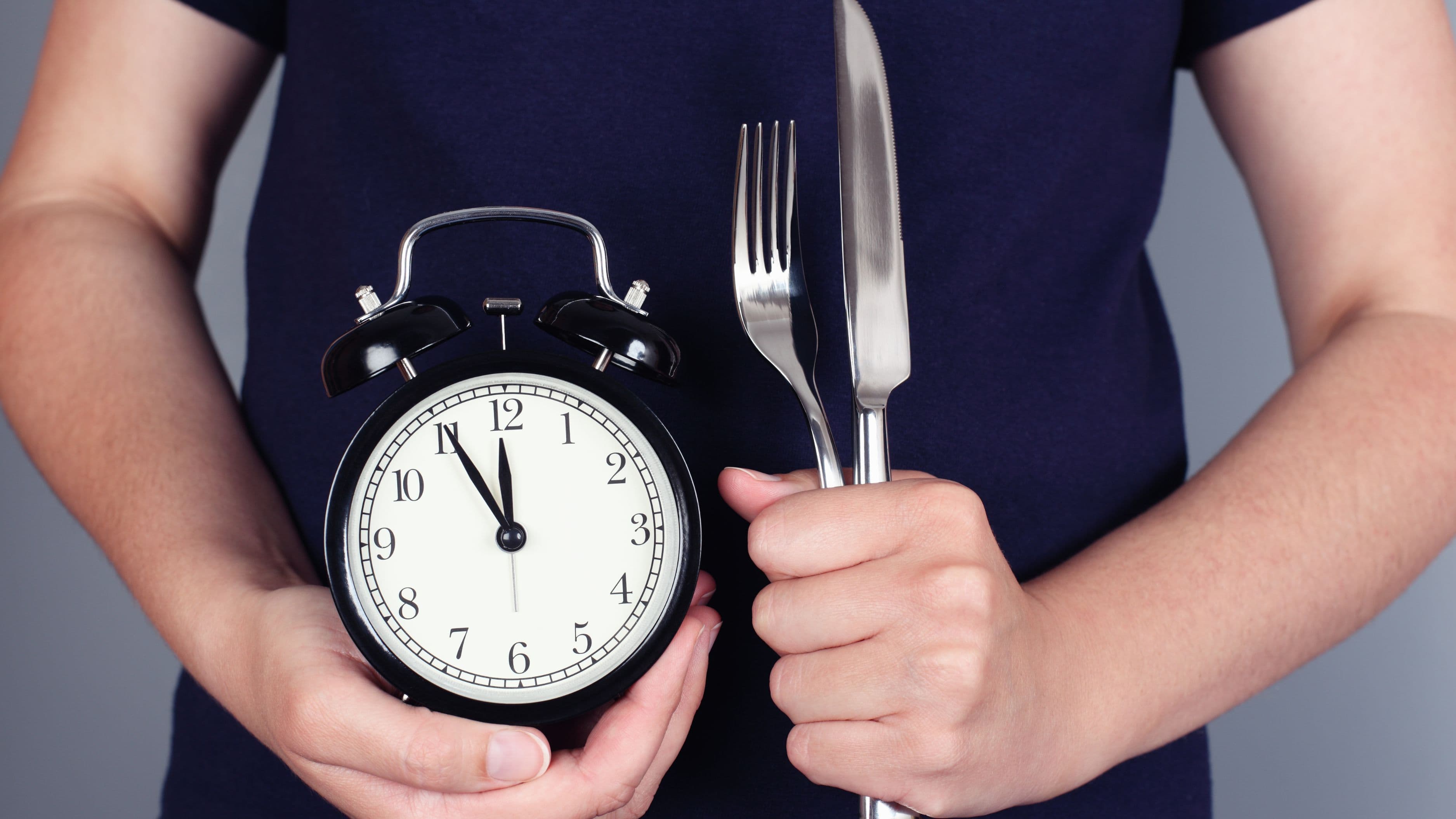
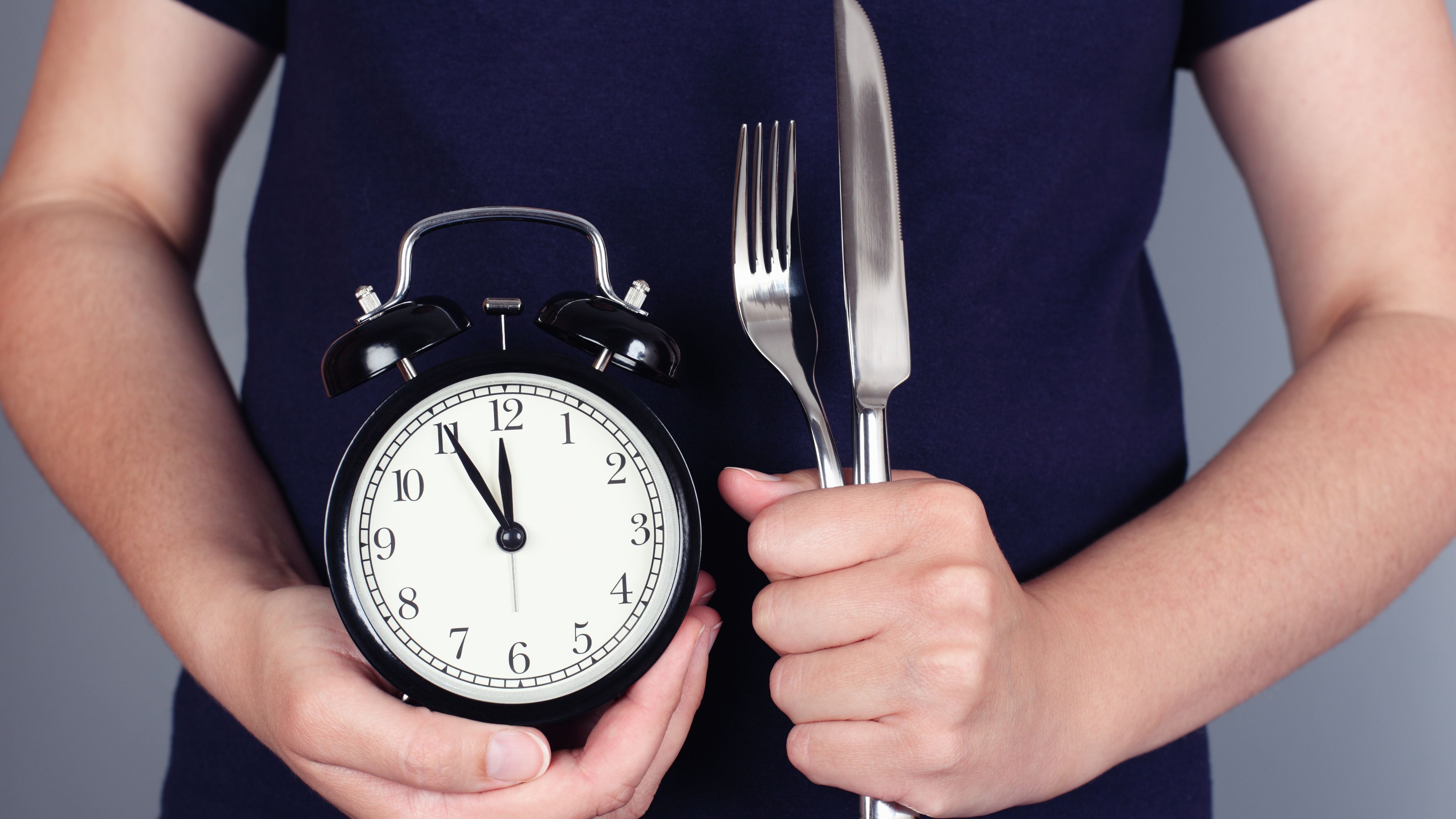
The honest answer is that TRE is neither cleanly anabolic nor cleanly catabolic – it's conditionally one or the other depending on how you implement it, how much you're training, what your protein intake looks like, and whether your caloric balance is actually neutral. Get the variables right, and TRE can coexist with, and in some contexts enhance, muscle-building outcomes. Get them wrong, and you're running a caloric deficit while chronically suppressing post-workout anabolism. Here's the mechanistic breakdown.
What TRE Actually Does to Anabolic Signaling
The primary concern with TRE from a muscle standpoint is the extended fasted period and its effect on muscle protein synthesis (MPS). MPS is the process by which your body builds new muscle protein, and it's driven primarily by two inputs: mechanical tension from resistance training and leucine-triggered mTOR activation from dietary protein. Both of these are time-sensitive. mTORC1 – the central kinase in the anabolic signaling pathway – requires adequate amino acid availability to sustain activation, and that availability is time-limited after any given feeding.
During a fasted state, circulating leucine and essential amino acid concentrations fall. When they fall below the threshold needed to sustain mTOR activation, MPS rates decline, and if muscle protein breakdown (MPB) is running at a higher rate than synthesis, you're in a net catabolic state for muscle tissue. This is the theoretical basis for the concern that TRE limits muscle growth – you're spending more of each 24-hour period below the amino acid threshold needed to drive sustained MPS.
However, the magnitude of this effect depends heavily on the feeding window length and protein distribution within it. A 16:8 approach (16-hour fast, 8-hour eating window) produces a different hormonal and metabolic environment than a 20:4 or OMAD approach. The more compressed the window, the greater the suppression of overall MPS across the day, and the harder it becomes to meet total protein targets without digestive distress.
The mTOR Refractory Period – A Key Mechanism Often Ignored
One aspect of muscle protein synthesis that TRE may actually exploit productively is the mTOR refractory period. MPS doesn't run continuously even when amino acids are available – after a leucine spike triggers mTOR activation and a burst of MPS, the pathway becomes temporarily refractory to further stimulation for roughly 1.5–3 hours, regardless of continued amino acid availability. This is sometimes called the "muscle full" effect.
Research from Stuart Phillips' lab at McMaster University and others has consistently shown that spreading protein across multiple meals beyond a certain point provides diminishing returns on MPS compared to fewer, larger protein boluses spaced further apart. If you're eating five 30g protein meals within an 8-hour window, the refractory period means you're not getting five separate MPS peaks – you're getting fewer, and the efficiency of each gram of protein consumed may actually be higher when distributed as fewer, larger feedings rather than constant small doses.
This mechanism is one reason some researchers argue that TRE with high, concentrated protein doses per meal is not mechanistically inferior to conventional eating patterns for MPS, at least across an 8-hour window. The data on 6-hour or shorter windows becomes less favorable, but 8–10 hours allows adequate protein distribution with sufficient inter-meal spacing to clear the refractory period and generate multiple MPS peaks within the eating window.
The Testosterone and GH Question
Fasting has a well-documented effect on growth hormone (GH) secretion. Studies have shown that a 24-hour fast can increase GH pulsatility by 200–400%, and shorter fasting periods produce proportionally smaller but still measurable GH elevations. This is one of the mechanistic arguments made by TRE proponents: the extended overnight fast amplifies GH output, which drives lipolysis and has downstream effects on IGF-1 and anabolic signaling.
The counterargument is that GH elevation during a fasted state primarily drives fat oxidation rather than muscle protein accretion. Without sufficient amino acid availability and caloric surplus to support anabolic processes, elevated GH doesn't translate into meaningful muscle building – it's largely a metabolic adaptation to preserve muscle during energy restriction rather than an anabolic signal in the classic sense.
The testosterone picture is more nuanced. Short-term fasting doesn't reliably suppress total testosterone in healthy, well-fed men. However, chronic caloric restriction – which TRE frequently produces when men fail to hit their daily caloric targets within a compressed window – does suppress the HPG axis and can reduce LH pulsatility, free testosterone, and SHBG dynamics in ways that are counterproductive for muscle retention and recovery. The key variable is caloric adequacy. If TRE is causing inadvertent caloric deficit, the androgenic effects will be suppressive over time. If caloric intake is genuinely neutral, the testosterone impact of TRE itself appears minimal in most research.
What the Direct Research Shows
The most directly relevant research on TRE and muscle mass involves resistance-trained subjects – the population this question actually matters for – and the results are less alarming than the theoretical concerns suggest.
A 2016 study published in the Journal of Translational Medicine examined resistance-trained men following an 8-hour TRE protocol versus a normal diet across 8 weeks. Both groups maintained identical caloric and protein intake. The TRE group lost more fat mass while maintaining lean mass equivalently to the control group, with no significant difference in strength. A 2022 study in Cell Metabolism involving a 4-hour eating window (TREAT trial) found muscle mass was maintained over 10 weeks in overweight adults, though this population was not resistance training at high volumes.
A critical limitation across most TRE and muscle research is that few studies have examined highly trained men eating at genuine caloric maintenance or surplus with controlled, high protein intake. Most studies involve sedentary or lightly active subjects, and several involve caloric restriction as a confounding variable. The honest interpretation of the current evidence is: TRE does not appear to cause meaningful muscle loss at 8-hour windows when protein and calories are matched, but the evidence for TRE being actively anabolic – producing superior muscle growth versus conventional meal timing – is thin.
Where TRE Falls Apart for Muscle: The Practical Problems
The theoretical and research picture for TRE looks reasonably tolerable for muscle retention. The practical picture is where things go wrong for most men running it alongside serious training.
The first problem is caloric under-consumption. A 200lb man training four days per week at intensity needs somewhere between 3,000–3,500 calories to support maintenance, and potentially more for growth. Getting that volume of food into an 8-hour window – particularly if that window falls in the afternoon/evening due to work schedules – is harder than it sounds. Studies consistently show that TRE reduces spontaneous caloric intake by 200–550 calories per day without deliberate restriction. For someone trying to build muscle, that chronic deficit will dominate any benefit from the fasting window.
The second problem is training timing relative to the eating window. Training fasted is a different physiological environment than training fed. Post-workout MPS peaks most effectively when amino acids are present within a reasonable post-exercise window. If your training falls in the morning and your eating window doesn't open until noon, you're missing the post-workout anabolic window that would otherwise compound the training stimulus. Some research suggests the post-workout window is less critical than once believed, but compressing it entirely – going 4–6 hours post-workout without amino acid delivery – is not a position the evidence supports for maximal hypertrophy.
The third problem is protein distribution compression. Eating 200g+ of protein in an 8-hour window requires deliberate planning and larger individual meals than most people are accustomed to. Digestive tolerance and appetite satiation often limit actual protein intake below target, not because the window is theoretically too short, but because hitting those numbers in practice is uncomfortable.
The Protocol That Makes TRE Work for Muscle
If TRE is a non-negotiable preference – for the metabolic benefits, cognitive clarity in the morning, or lifestyle fit – the following variables make it significantly more compatible with muscle retention and growth.
Keep the window at 8 hours minimum. Anything shorter introduces too many compounding variables that work against muscle: greater MPS suppression, harder caloric targets, more digestive pressure per meal. 8 hours is the lower bound with reasonable research support for muscle maintenance.
Align the eating window with your training. Ideally, your first meal falls within 1–2 hours of your training session. If you train at 6 AM and your window opens at noon, the mismatch is significant. Either shift training to the afternoon, or open the window earlier, even with a smaller protein-focused first meal before the main eating period begins.
Prioritize leucine-rich protein sources at every meal within the window. Leucine threshold for mTOR activation is approximately 2–3g per meal. Red meat, eggs, dairy, and quality whey consistently clear this threshold. Spreading your protein across 3 meals within the 8-hour window, each with 50–70g from high-leucine sources, produces an adequate number of MPS peaks within the constraint.
Track calories explicitly for the first 4–6 weeks. Most men running TRE discover they're eating significantly less than they thought. If muscle is the goal, caloric adequacy is non-negotiable, and TRE's natural appetite suppression works against you here.
FAQ
Does TRE suppress testosterone over time? Not directly at moderate window lengths (8–10 hours) when calories and protein are matched. The testosterone suppression associated with fasting protocols is primarily driven by inadvertent caloric restriction rather than the fasting state itself. Maintain caloric adequacy and monitor total and free testosterone quarterly if TRE is a long-term protocol.
Is there any benefit to training fasted while on TRE? Fasted training upregulates AMPK, increases fat oxidation during the session, and may have some benefit for metabolic flexibility. For hypertrophy specifically, the evidence favors fed training or at minimum a pre-workout protein dose. If fasted training is preferred, a leucine-containing supplement or small protein bolus before the session mitigates the MPS cost without fully breaking the fast depending on your fasting definition.
Can you build muscle on TRE or just maintain? Building muscle on TRE is theoretically possible and consistent with the mechanistic and research evidence, provided calories and protein are in surplus, training stimulus is adequate, and the eating window is long enough (8+ hours) to support protein distribution. In practice, most men find building muscle with TRE harder than maintaining it, primarily because of caloric intake challenges.
Is 16:8 or 14:10 better for muscle retention? 14:10 is consistently more favorable for muscle than 16:8 when calories are not controlled, because the extra two hours significantly reduces the practical friction around meeting protein and caloric targets. If you can hit your numbers in 16:8, the outcomes are comparable. If 16:8 is causing consistent under-eating, shift to 14:10.
What about creatine supplementation on TRE? Creatine timing is less critical than once believed. Creatine monohydrate taken any time within your eating window produces the same long-term saturation and performance benefit. No modification needed for TRE compatibility.
TRE is not inherently catabolic for muscle – but it's not anabolic by default either. The fasting window itself is largely neutral at 8 hours when protein and calories are properly managed. The real risks are practical: caloric under-consumption, misaligned training windows, and protein distribution below the threshold needed to generate multiple MPS peaks per day. Solve those variables and TRE is a legitimate tool.
Ignore them and you're combining a caloric deficit with a compressed anabolic window, which produces exactly the muscle loss the critics predict.
📚 Sources
Moro T, et al. – Effects of Eight Weeks of Time-Restricted Feeding on Basal Metabolism, Maximal Strength, Body Composition (Journal of Translational Medicine, 2016): https://translational-medicine.biomedcentral.com/articles/10.1186/s12967-016-1044-0
Lowe DA, et al. – Effects of Time-Restricted Eating on Weight Loss and Metabolic Parameters (TREAT Trial, JAMA Internal Medicine, 2022): https://jamanetwork.com/journals/jamainternalmedicine/fullarticle/2771095
Norton LE, Layman DK – Leucine Regulates Translation Initiation of Protein Synthesis in Skeletal Muscle After Exercise (Journal of Nutrition, 2006): https://academic.oup.com/jn/article/136/2/533S/4664412
Bohe J, et al. – Latency and Duration of Stimulation of Human Muscle Protein Synthesis During Continuous Infusion of Amino Acids (Journal of Physiology, 2001): https://physoc.onlinelibrary.wiley.com/doi/10.1111/j.1469-7793.2001.00575.x
Ho KY, et al. – Fasting Enhances Growth Hormone Secretion and Amplifies the Complex Rhythms of Growth Hormone Secretion in Man (Journal of Clinical Investigation, 1988): https://www.jci.org/articles/view/113450
Phillips SM, Van Loon LJC – Dietary Protein for Athletes: From Requirements to Optimum Adaptation (Journal of Sports Sciences, 2011): https://www.tandfonline.com/doi/abs/10.1080/02640414.2011.619204
Tinsley GM, La Bounty PM – Effects of Intermittent Fasting on Body Composition and Clinical Health Markers in Humans (Nutrition Reviews, 2015): https://academic.oup.com/nutritionreviews/article/73/10/661/1849182