
What tDCS Actually Is
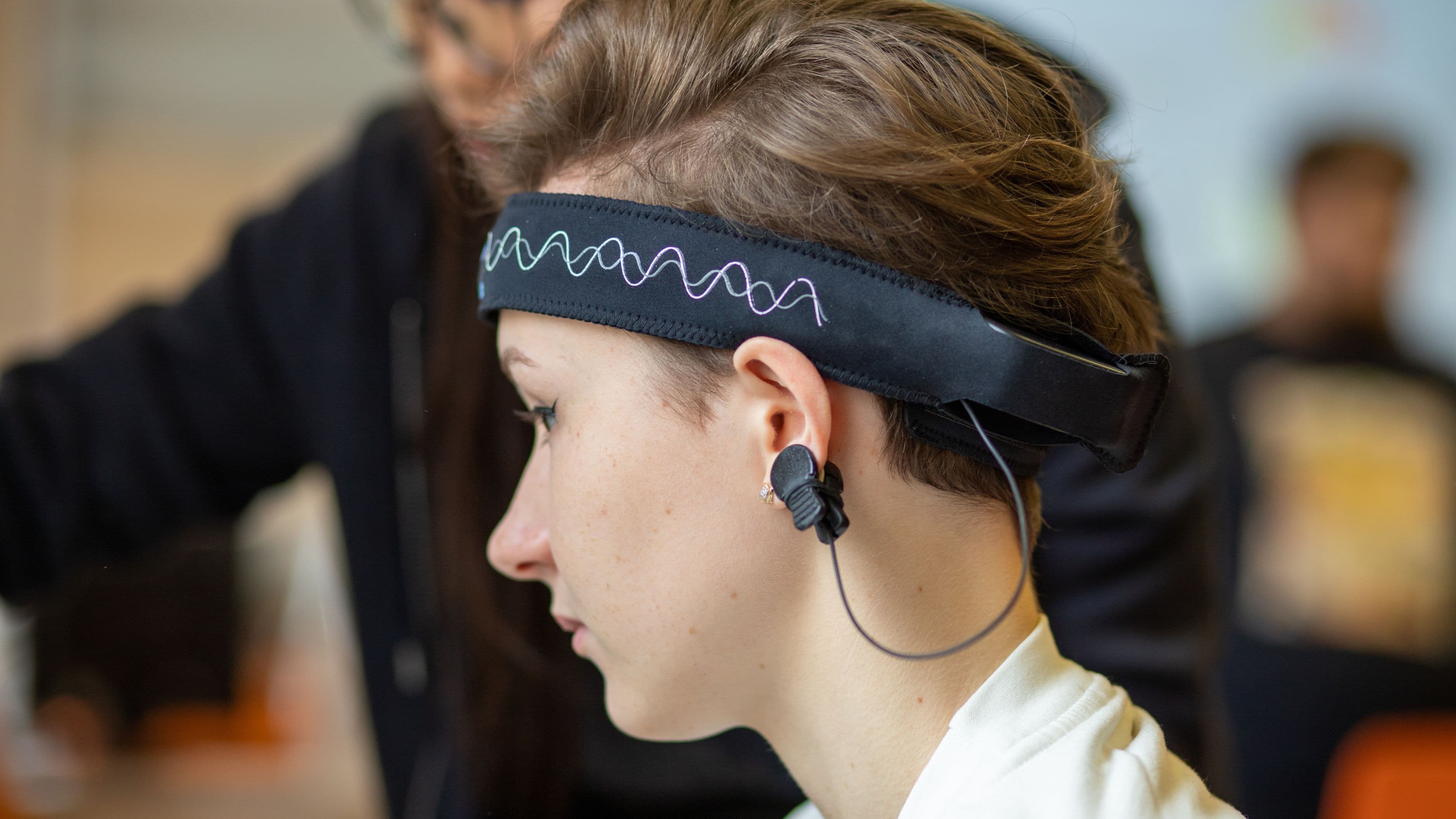
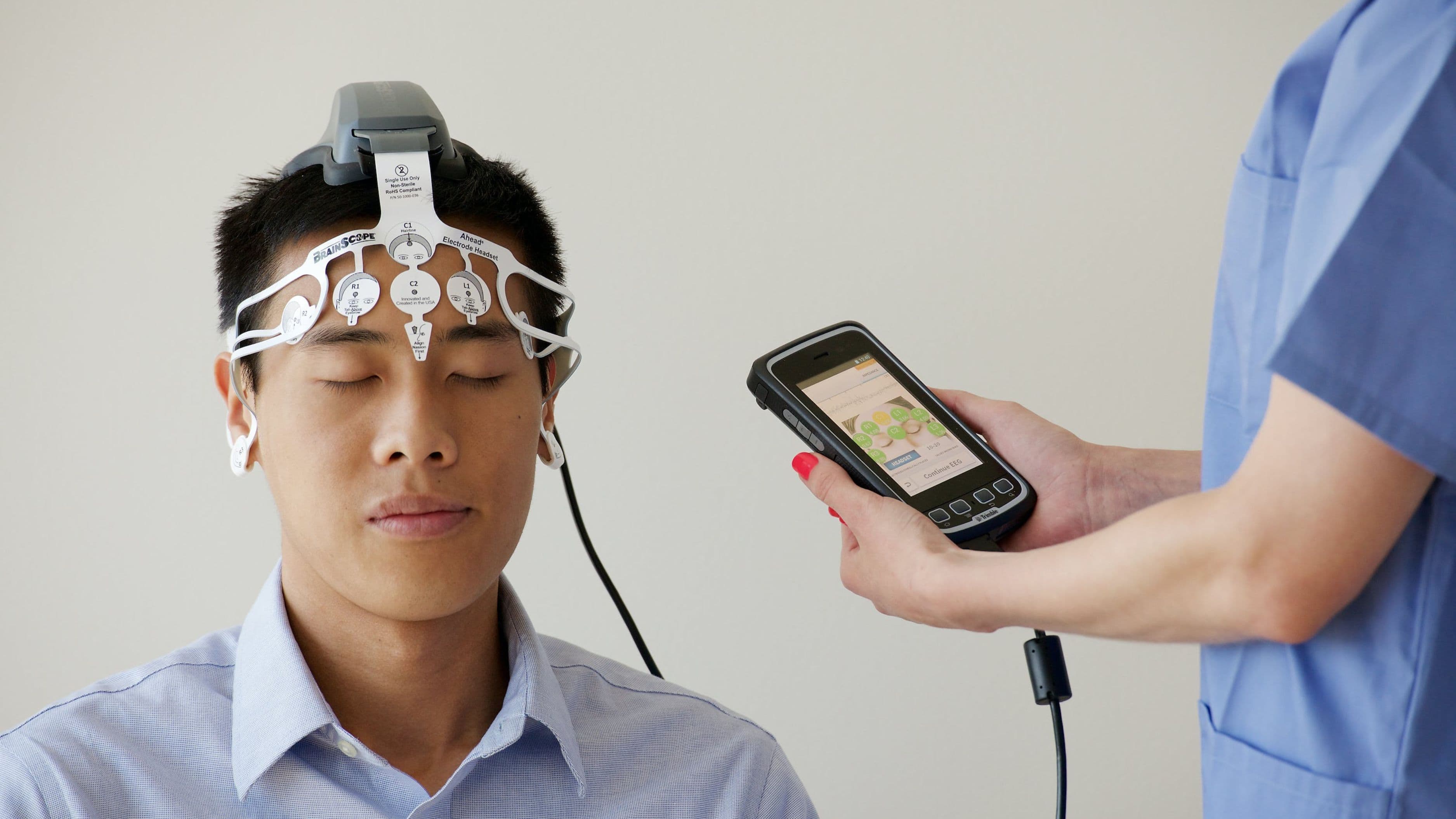
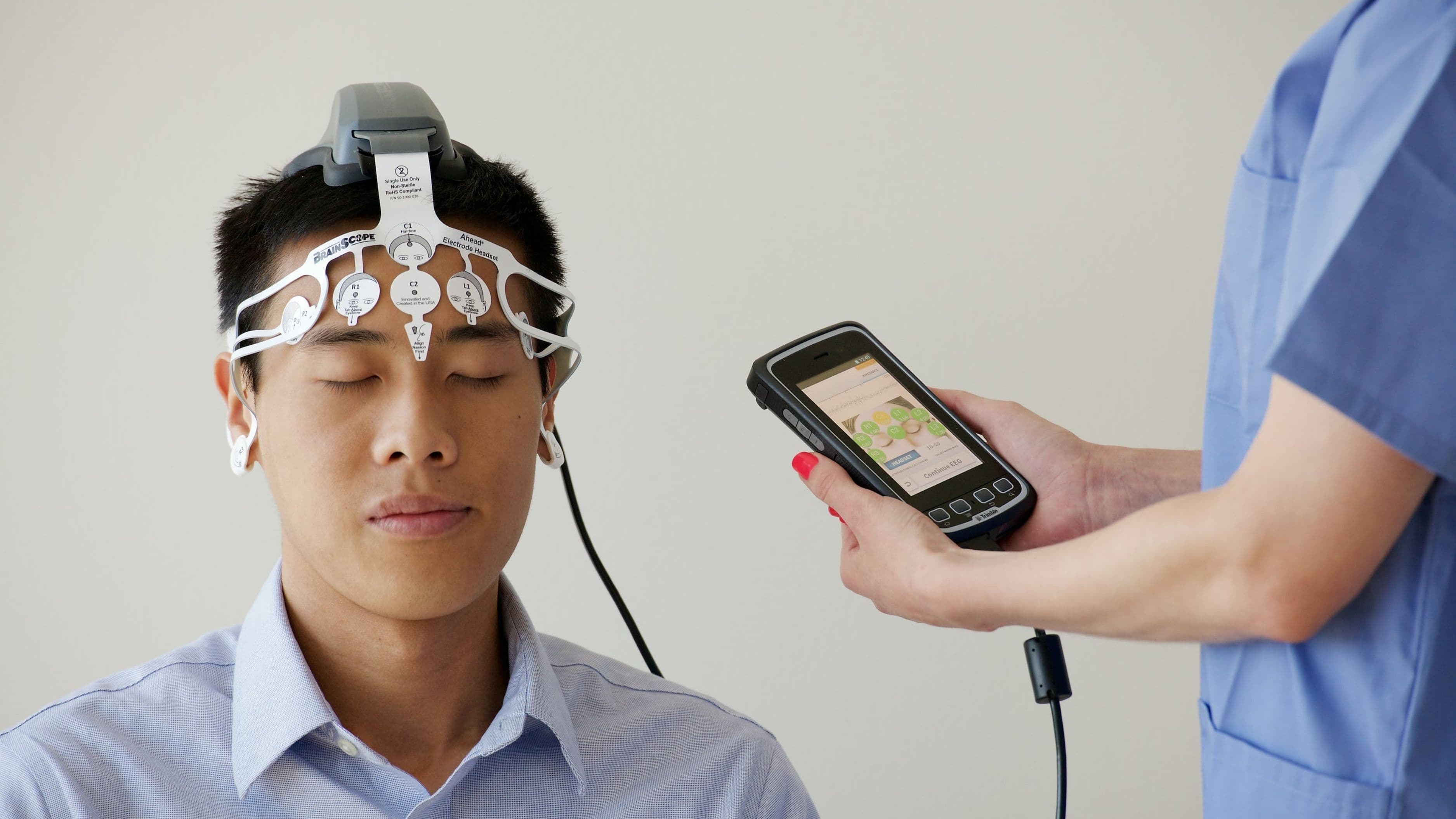
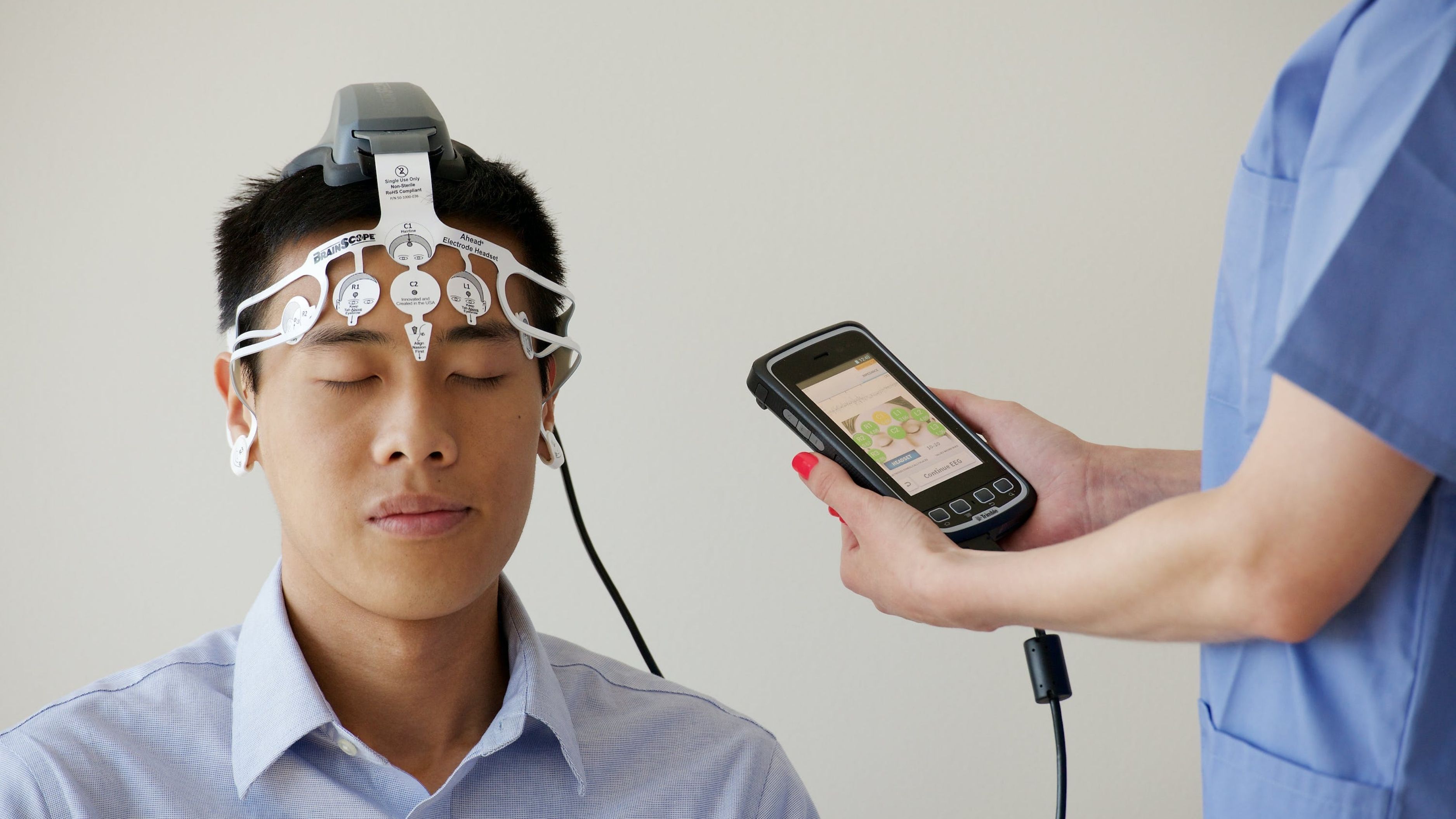
Transcranial direct current stimulation, or tDCS, works by applying a low-intensity electrical current, typically between one and two milliamps, through electrodes placed on the scalp. The current is weak enough that it doesn't directly trigger neurons to fire the way more aggressive stimulation methods can, but it's theorized to modulate neuronal excitability, making neurons in the targeted region either more or less likely to activate depending on the direction of current flow.
This distinguishes tDCS from transcranial magnetic stimulation, a different and more established neuromodulation technique that uses magnetic fields and is FDA-cleared for treating certain conditions like depression. tDCS has a much thinner regulatory and evidentiary track record by comparison, and most consumer-grade devices are sold as wellness products rather than medical devices, which matters for how much oversight and quality control actually exists.
The Proposed Mechanism
The core theory behind tDCS is that anodal stimulation, current flowing from the positive electrode, increases neuronal excitability in the targeted brain region, while cathodal stimulation from the negative electrode decreases it. In theory, this lets researchers or users selectively enhance activity in regions associated with specific functions, like the dorsolateral prefrontal cortex for working memory and attention.
The mechanism is plausible and has some support from neuroimaging studies showing measurable changes in cortical excitability following stimulation. Where things get murkier is the leap from "measurable change in brain excitability" to "meaningful, reliable improvement in real-world cognitive performance." Those are related but distinct claims, and the research gap between them is exactly where most of the legitimate skepticism about tDCS lives.
What the Research Actually Shows
The clinical and research literature on tDCS is genuinely mixed, and it's important to be direct about that rather than cherry-picking the more favorable studies. Some controlled studies have found modest improvements in specific cognitive tasks, like working memory performance or motor learning speed, particularly when stimulation is paired with simultaneous training on the target task. Other well-designed studies have found no significant effect beyond what's explained by placebo response, and several meta-analyses examining multiple studies together have found the overall effect size for cognitive enhancement to be small and inconsistent across research groups.
A significant part of this inconsistency comes down to methodology. Electrode placement, current intensity, session duration, and the specific cognitive task being measured all vary considerably between studies, making it genuinely difficult to draw a single, unified conclusion about tDCS's effectiveness. Some researchers have also raised concerns about publication bias, where studies showing positive effects are more likely to get published than studies showing no effect, which can make the overall body of research look more favorable than it actually is.
Where the Evidence Is Strongest
The most consistent, better-supported evidence for tDCS exists in clinical and rehabilitation contexts rather than general cognitive enhancement for healthy adults. Some research has shown promise for tDCS as a complementary tool in stroke rehabilitation, particularly for motor recovery, and in certain depression treatment protocols, though it remains an area of active research rather than settled clinical consensus even there.
For healthy individuals seeking cognitive enhancement rather than treating a diagnosed condition, the evidence is considerably weaker and more inconsistent. This distinction matters because a lot of consumer marketing around tDCS devices draws on research conducted in clinical populations or narrow laboratory conditions, then implies similar benefits for general cognitive enhancement in people without any underlying condition, which is a meaningfully different claim than what the research actually supports.
Practical Application, If You Choose to Try It
If you're considering tDCS despite the mixed evidence, pairing stimulation with active cognitive training during the session, rather than using it passively, aligns with the research showing the most consistent (though still modest) results. This means doing a working memory task, learning exercise, or skill practice while wearing the device, rather than treating the stimulation itself as a standalone intervention.
Session duration in research typically ranges from fifteen to twenty minutes, and most studies use consistent electrode placement protocols specific to the cognitive domain being targeted, which underscores why device quality and proper electrode positioning matter if you're going to experiment with this at all. A poorly placed electrode isn't just less effective, it changes what brain region is actually being stimulated.
Limitations and Myths Worth Correcting
One persistent myth is that tDCS produces a lasting, cumulative brain enhancement the way physical exercise builds muscle over time. The evidence for durable, long-term cognitive changes from tDCS use is thin, and most observed effects, where they exist at all, tend to be short-term and task-specific rather than a general, lasting upgrade to cognitive capacity.
Another common misconception is that stronger current or longer sessions produce proportionally better results. Research on the dose-response relationship for tDCS is inconsistent, and some studies have found that higher intensities don't reliably outperform lower ones, and in some cases produce worse outcomes, which undercuts the intuitive "more is better" assumption a lot of consumer marketing leans on.
Risks and Safety Considerations
At the current intensities used in consumer devices, tDCS is generally considered to have a relatively low risk profile for serious harm, with the most commonly reported side effects being mild scalp irritation, tingling, and occasional headache during or after sessions. That said, "relatively low risk" isn't the same as "risk-free," and safety data for repeated, unsupervised, long-term home use is more limited than data from controlled research settings with trained supervision.
Individuals with a history of seizures, implanted medical devices, or certain neurological or psychiatric conditions should not use tDCS without first consulting a physician, since introducing electrical current near the brain carries theoretical risks that haven't been fully characterized outside of controlled clinical settings. This is a case where the honest answer is genuinely "talk to your doctor first," not a formality.
FAQ
Is tDCS FDA-approved for cognitive enhancement? No. Most consumer tDCS devices are marketed as wellness products rather than approved medical devices, and the FDA has not cleared tDCS specifically for cognitive enhancement in healthy adults.
How is tDCS different from TMS? TMS uses magnetic fields to directly induce neuronal firing and has FDA clearance for specific clinical uses like treatment-resistant depression. tDCS uses a much weaker electrical current intended to modulate excitability rather than directly trigger activity, and has a thinner evidentiary and regulatory track record.
Should I combine tDCS with other cognitive enhancement methods? Any combination of neuromodulation with other compounds or techniques should be approached cautiously and ideally discussed with a physician first, since the interaction effects of stacking multiple interventions aren't well studied.
The honest verdict on tDCS is that it's a legitimate area of ongoing research with some promising clinical applications, but the evidence for meaningful, reliable cognitive enhancement in healthy adults remains inconsistent and modest at best. Treat it as an experimental tool rather than a proven protocol, and loop in a physician before adding it to your routine.
📚 Sources
National Institutes of Health – National Institute of Neurological Disorders and Stroke – https://www.ninds.nih.gov/
U.S. Food and Drug Administration – Neurological Devices – https://www.fda.gov/medical-devices/products-and-medical-procedures/neurological-devices
National Center for Biotechnology Information – PubMed – https://pubmed.ncbi.nlm.nih.gov/
This article is for informational purposes only and does not constitute medical advice. Consult a physician before using any neuromodulation device, particularly if you have a neurological condition, implanted medical device, or history of seizures.