Important: This article is for educational purposes only and is not medical advice. Talk to your physician before starting taurine or any supplement, especially if you have a heart condition, take blood pressure medication, or have kidney issues.
What Taurine Is and Why the Heart Cares
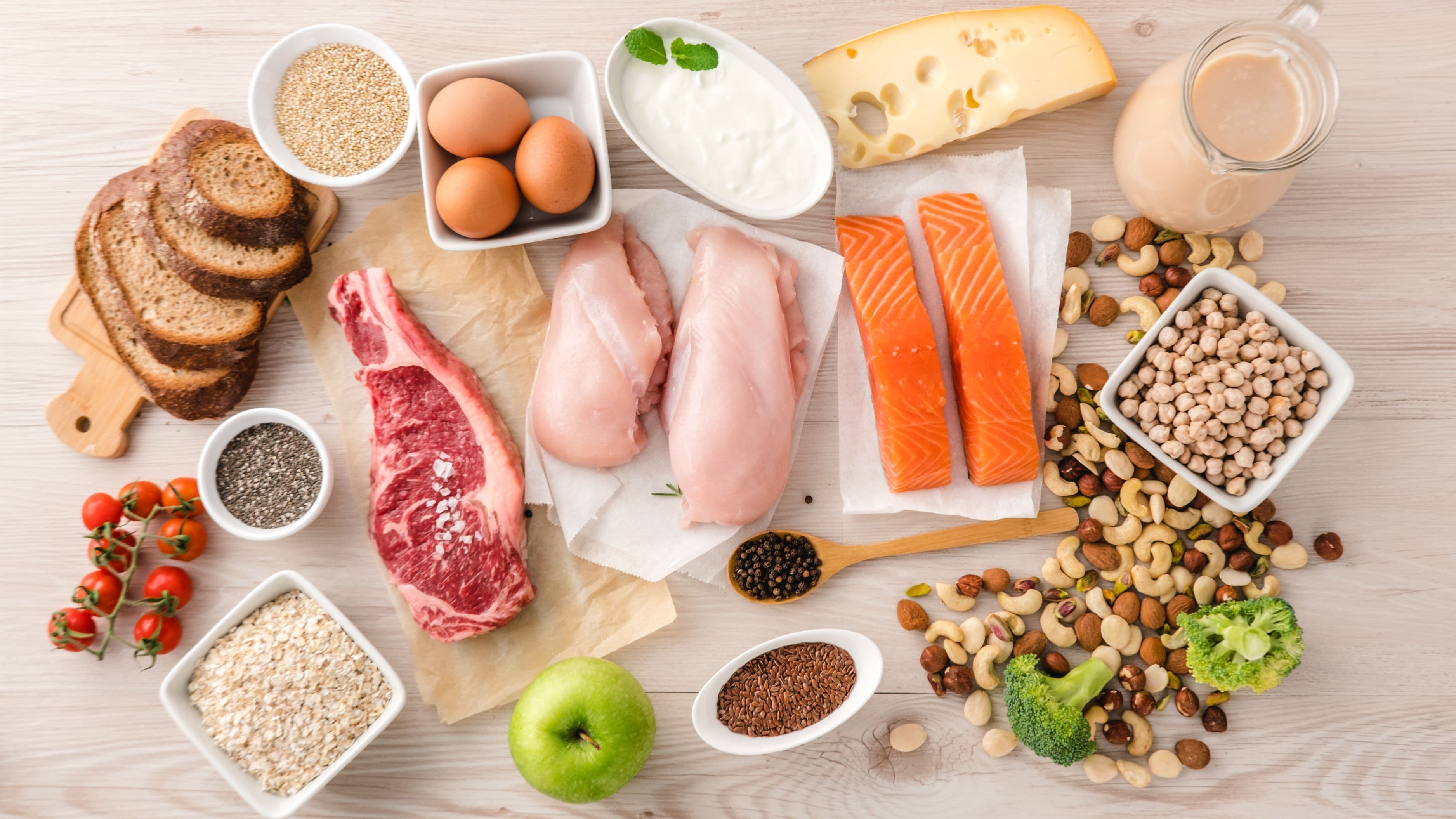
Taurine is a sulfur-containing amino acid that your body makes from cysteine and methionine, and you also get it from meat, fish, and dairy. Unlike most amino acids, it isn't built into proteins. It works as a free molecule inside cells, which is why it concentrates heavily in tissues with high electrical and metabolic demand: the heart, skeletal muscle, the retina, and the brain.
In cardiac tissue, taurine is involved in regulating calcium handling, stabilizing cell membranes, and managing oxidative stress. Those functions matter directly to how efficiently the heart contracts and how well blood vessels relax. That's the biological foundation for the performance and cardiovascular claims, and it's more solid than most supplement marketing.
The Mechanisms: How Taurine Works
Taurine's effects come from several overlapping pathways rather than one dramatic action. Understanding them helps you set realistic expectations.
Calcium regulation and contraction
Muscle contraction, including every heartbeat, depends on calcium moving in and out of storage inside the cell. Taurine appears to support this process, which may improve contractile efficiency in both cardiac and skeletal muscle. In practical terms, that's one proposed reason taurine shows up in studies of endurance performance.
Vascular function and blood pressure
Taurine seems to support endothelial function, the ability of blood vessel linings to relax and widen. It may also reduce sympathetic nervous system activity and influence fluid balance. The combined effect is a small reduction in resting blood pressure, which is the most consistently reported cardiovascular finding.
Antioxidant and osmotic roles
Taurine acts as an osmolyte, helping cells maintain volume under stress, and it helps buffer oxidative damage during intense exercise. These roles likely contribute to recovery and cellular resilience rather than producing anything you'd feel in a single session.
What the Evidence Shows
Blood pressure
A 2018 meta-analysis in Current Hypertension Reports pooled controlled trials and found that oral taurine produced a modest but meaningful drop in resting systolic and diastolic blood pressure. A 2016 randomized trial in Hypertension studying adults with prehypertension reported that 1.6 grams per day for 12 weeks lowered blood pressure and improved markers of vascular function. These are not medication-level effects, but for a supplement, they're real and reproducible.
Endurance performance
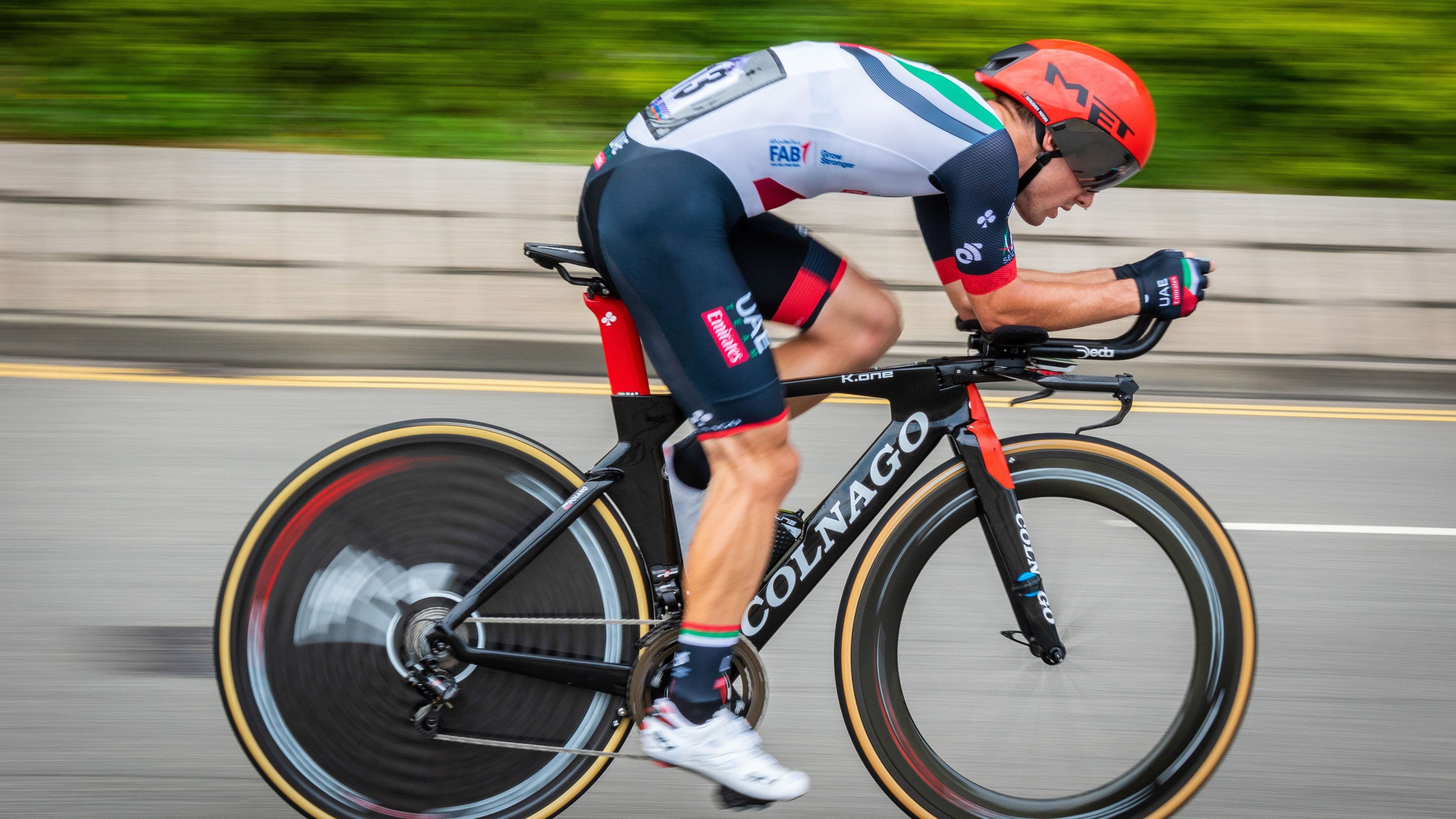
A 2018 meta-analysis in Sports Medicine looked at taurine and endurance exercise and found a small improvement in endurance performance across studies. Doses typically ranged from about 1 to 6 grams, often taken one to two hours before exercise. The effect size is modest, which means you might gain a few percent in time-to-exhaustion or time-trial performance, not a transformation.
Aging and longevity
In 2023, a study published in Science reported that taurine levels decline with age and that supplementation extended healthspan in mice and worms and improved several health markers in middle-aged monkeys. The paper drew attention for good reason, but it is animal research. It suggests a promising direction, not a proven human longevity protocol.
The Protocol
If you and your physician decide taurine makes sense, a straightforward approach keeps things simple and evidence-aligned.
Step 1: Pick a dose in the studied range
Most human studies use 1 to 3 grams per day for cardiovascular outcomes, with some performance studies going up to 6 grams. Starting at 1 to 2 grams daily is reasonable for most men. There's little evidence that pushing well beyond 3 grams produces better results.
Step 2: Time it to your goal
For endurance sessions, taking your dose roughly 60 to 120 minutes before training aligns with how most performance studies were designed. For blood pressure support, consistency matters more than timing, so take it at the same point each day, with or without food.
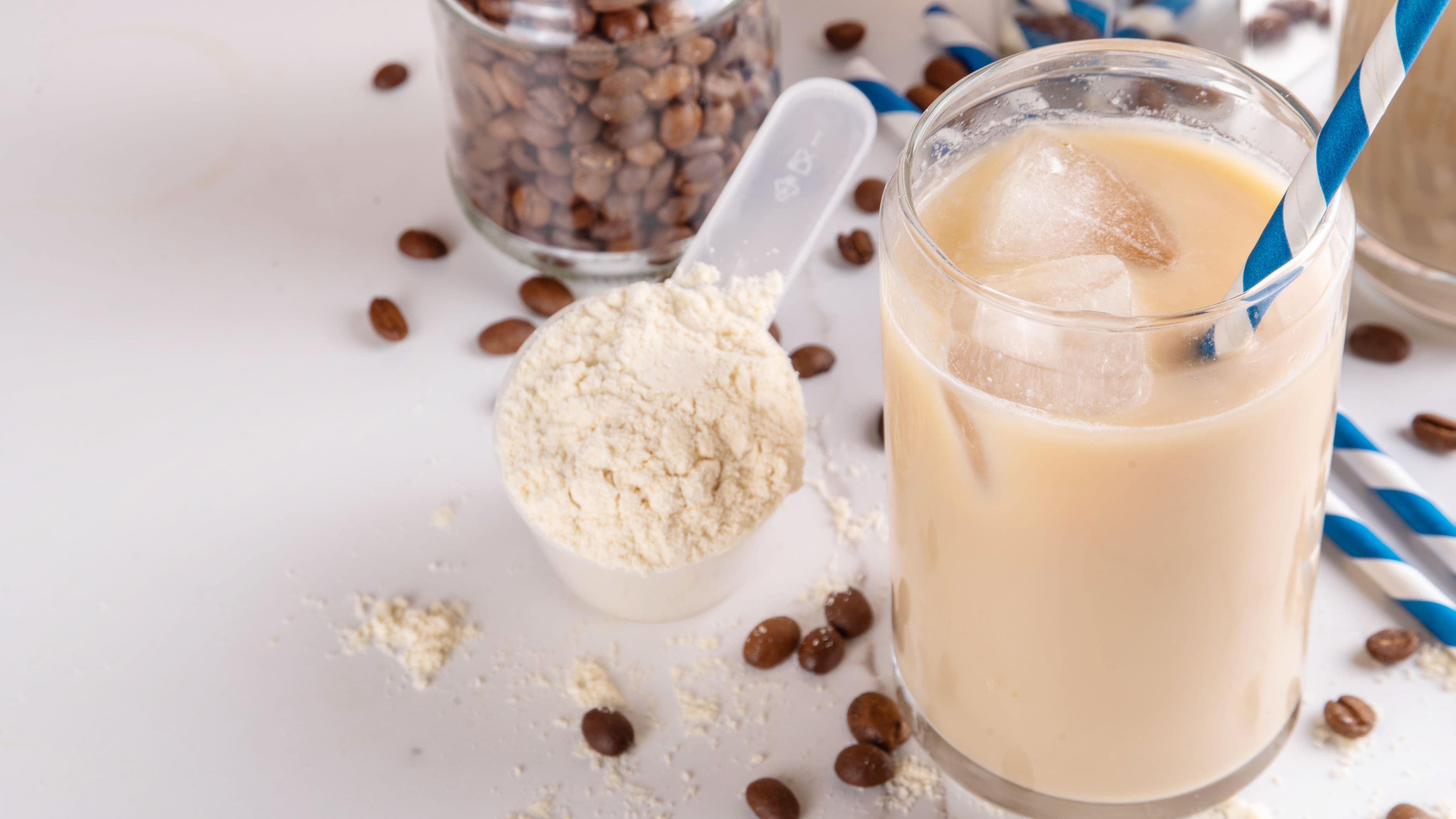
Step 3: Choose plain taurine powder or capsules
Pure taurine is inexpensive and widely available. Skip energy drinks as a delivery method, since the caffeine and sugar they contain can work against cardiovascular goals and confuse whatever effect you're trying to measure.
Step 4: Commit to a real trial period
Blood pressure effects in trials generally appeared over several weeks, not days. Give it 8 to 12 weeks at a consistent dose before judging results.
Step 5: Track objective markers
Log resting blood pressure with a validated home cuff at the same time each morning. If performance is your goal, repeat a standardized test, such as a fixed-distance time trial or heart rate at a set pace, before and after the trial period.
Expected Results and Timeline
Set expectations accordingly. Over 8 to 12 weeks, a responder might see resting blood pressure drop by a few points, which is meaningful at the population level but unlikely to replace prescribed treatment. Endurance gains, if they appear, tend to be small and are easiest to detect in controlled tests rather than everyday training.
Taurine won't make you feel wired, and many people notice nothing subjectively. That's normal. Its value, if any, shows up in the numbers you track, not in how a single workout feels.
Risks and Common Mistakes
Taurine has a strong safety record at studied doses. The European Food Safety Authority has concluded that intakes up to about 3 grams per day from supplements are not a safety concern for the general adult population. That said, there are real mistakes to avoid.
Combining it with blood pressure medication without guidance. Because taurine can lower blood pressure, stacking it with antihypertensives could push numbers lower than intended. This is a physician conversation, not a guess.
Using energy drinks as your taurine source. High caffeine intake can raise heart rate and blood pressure, undermining the goal.
Expecting stimulant-like effects. Taurine is a slow, modest modulator. Judging it after one workout leads to wrong conclusions.
Ignoring kidney health. People with kidney disease should not supplement without medical supervision.
Treating the 2023 aging study as settled science. The human evidence for longevity isn't there yet.
FAQ
Is taurine good for your heart?
Evidence suggests taurine can modestly lower resting blood pressure and support vascular function, which are positive for cardiovascular health. It's a supporting tool, not a treatment for heart disease.
How much taurine should I take for performance?
Most performance studies used 1 to 6 grams, with 1 to 3 grams daily being the most common and well-supported range. Taking it one to two hours before endurance work matches how research was typically designed.
Is taurine in energy drinks dangerous?
Taurine itself isn't the concern at typical amounts. The bigger issues are the caffeine and sugar that come with it, which can raise heart rate and blood pressure.
Can taurine replace blood pressure medication?
No. The reductions seen in studies are modest, and stopping or changing medication should only happen under a doctor's supervision.
The Verdict
Taurine earns its place in a serious man's stack more than most supplements do. It's cheap, safe at studied doses, backed by plausible mechanisms, and supported by meta-analyses showing small benefits for blood pressure and endurance. Take it with realistic expectations, measure your results, and clear it with your physician first, and you'll know within three months whether it's pulling its weight.
📚 Sources
Waldron M, et al. "The Effects of Oral Taurine on Resting Blood Pressure in Humans: a Meta-Analysis." Current Hypertension Reports, 2018: https://doi.org/10.1007/s11906-018-0881-z
Waldron M, et al. "The Effects of an Oral Taurine Dose and Supplementation Period on Endurance Exercise Performance in Humans: A Meta-Analysis." Sports Medicine, 2018: https://doi.org/10.1007/s40279-018-0896-2
Sun Q, et al. "Taurine Supplementation Lowers Blood Pressure and Improves Vascular Function in Prehypertension." Hypertension, 2016: https://doi.org/10.1161/HYPERTENSIONAHA.115.06624
Singh P, et al. "Taurine deficiency as a driver of aging." Science, 2023: https://doi.org/10.1126/science.abn9257
National Institutes of Health – "Taurine deficiency may be a driver of aging": https://www.nih.gov/news-events/news-releases/taurine-deficiency-may-be-driver-aging
EFSA – Scientific Opinion on the use of taurine and D-glucurono-γ-lactone in energy drinks: https://www.efsa.europa.eu/en/efsajournal/pub/935