
Why the Ratio Matters More Than Either Mineral Alone
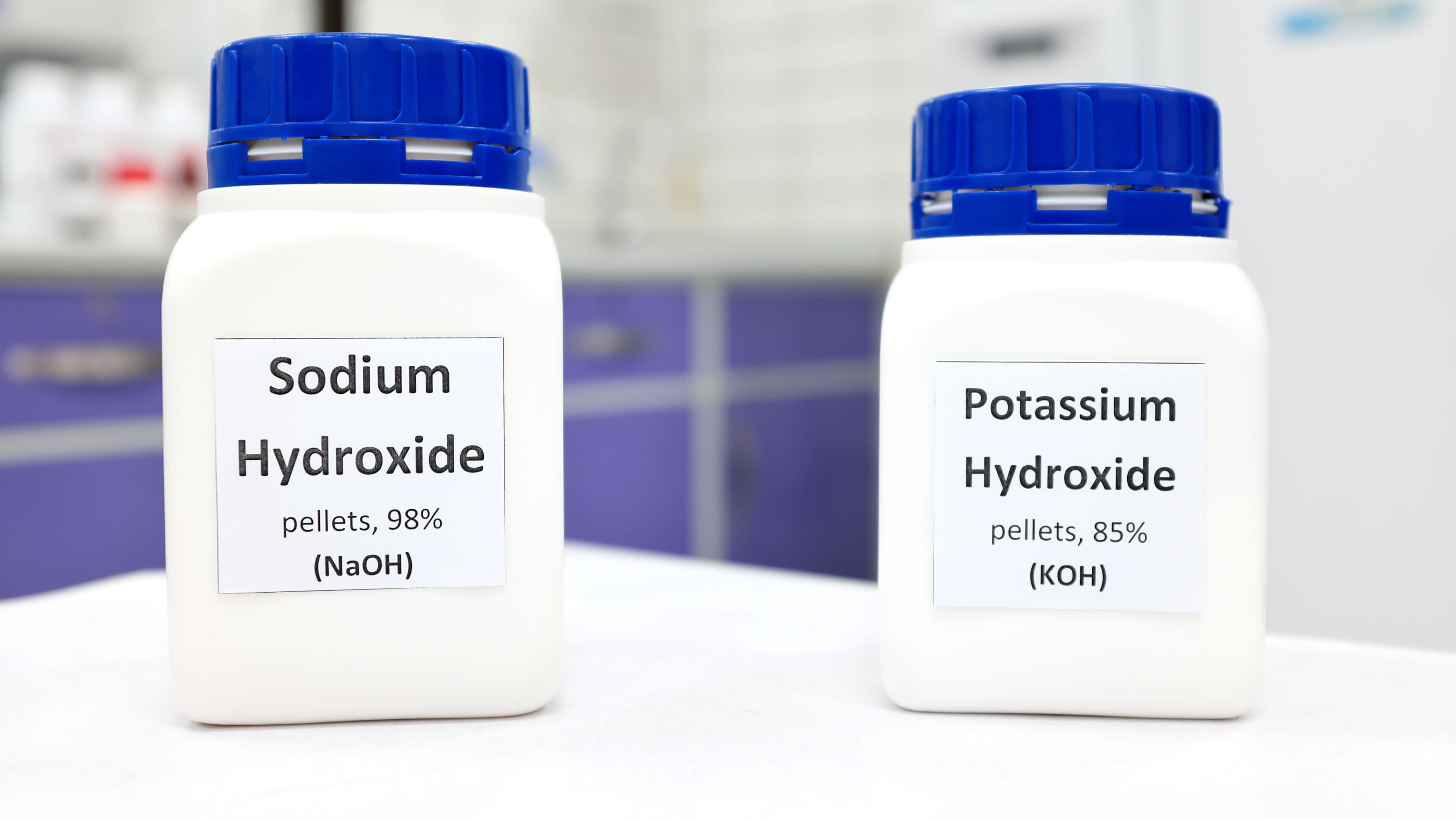
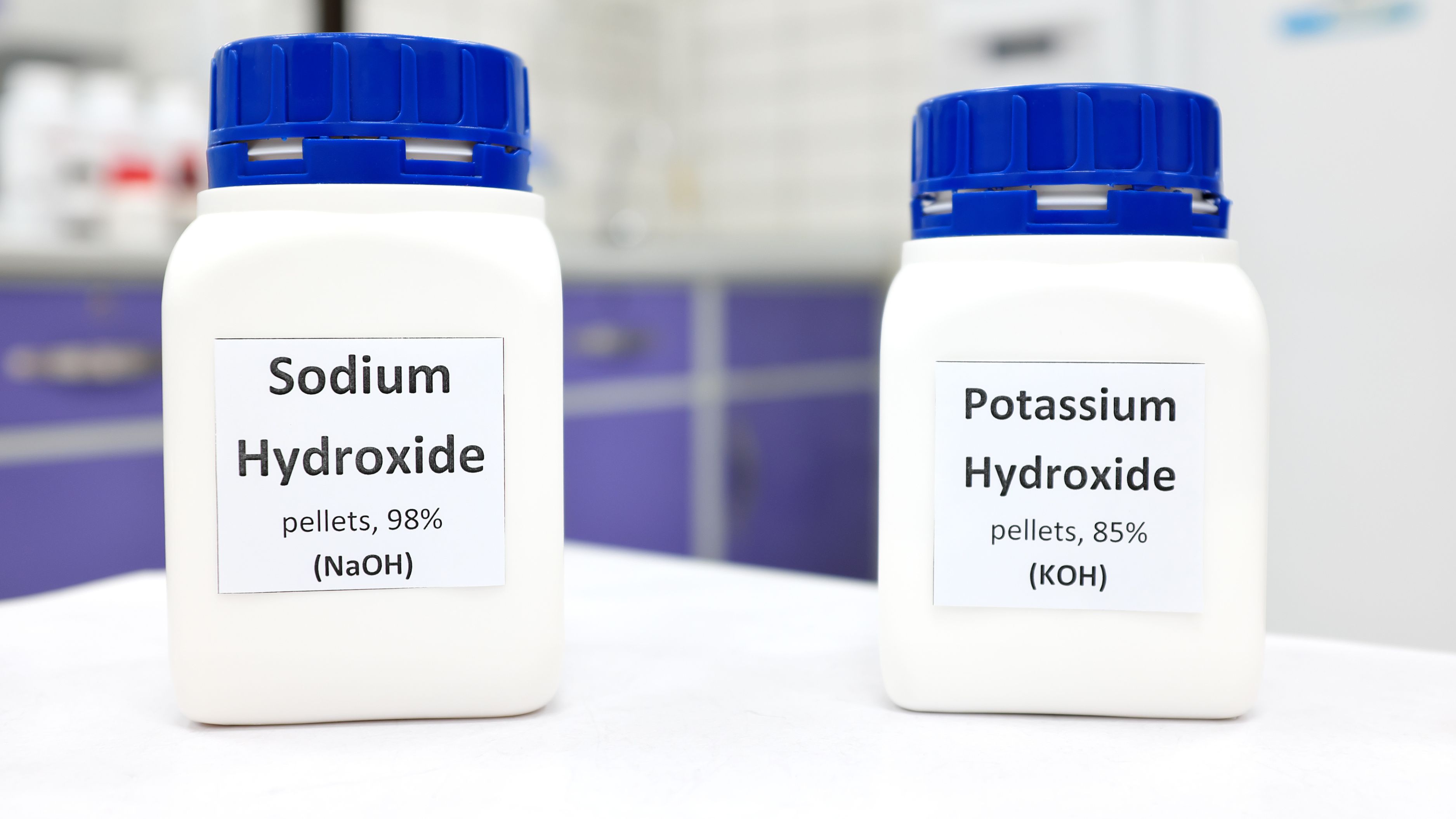
Sodium and potassium work as a paired system inside the body's cells, regulated by the sodium-potassium pump, which maintains the electrical gradient necessary for nerve signaling and muscle contraction. When sodium intake is high and potassium intake is comparatively low, this pump works harder to maintain balance, and over time that imbalance is associated with elevated blood pressure and increased cardiovascular strain.
This is why focusing purely on sodium reduction without addressing potassium intake often produces disappointing results. Research consistently shows the sodium-to-potassium ratio predicts cardiovascular risk more reliably than sodium intake measured alone, which reframes the entire conversation away from simply "eat less salt."
Where Performance Diets Typically Go Wrong
Diets built heavily around lean meats, whey protein, processed pre-workout formulas, and convenience foods tend to be disproportionately high in sodium while running low on potassium-rich whole foods like leafy greens, potatoes with skin, and legumes. This pattern is especially common among men optimizing for muscle gain or cutting phases, where meal simplicity and macro tracking often push out potassium-dense produce in favor of easily measured protein sources.
Electrolyte supplements marketed for performance also tend to skew heavily toward sodium, since sodium loss through sweat is more immediately noticeable (through cramping or fatigue) than the slower, less dramatic effects of potassium depletion. This creates a supplement market that reinforces the imbalance rather than correcting it.
The Target Ratio and What It Looks Like in Practice
Public health guidance generally recommends a sodium-to-potassium intake ratio closer to 1:1 or even favoring potassium slightly, whereas typical Western dietary patterns – including many performance-focused diets – often run closer to 2:1 or higher in favor of sodium. Closing this gap doesn't require eliminating sodium, which remains essential for hydration, nerve function, and exercise performance, particularly for anyone training intensely and losing electrolytes through sweat.
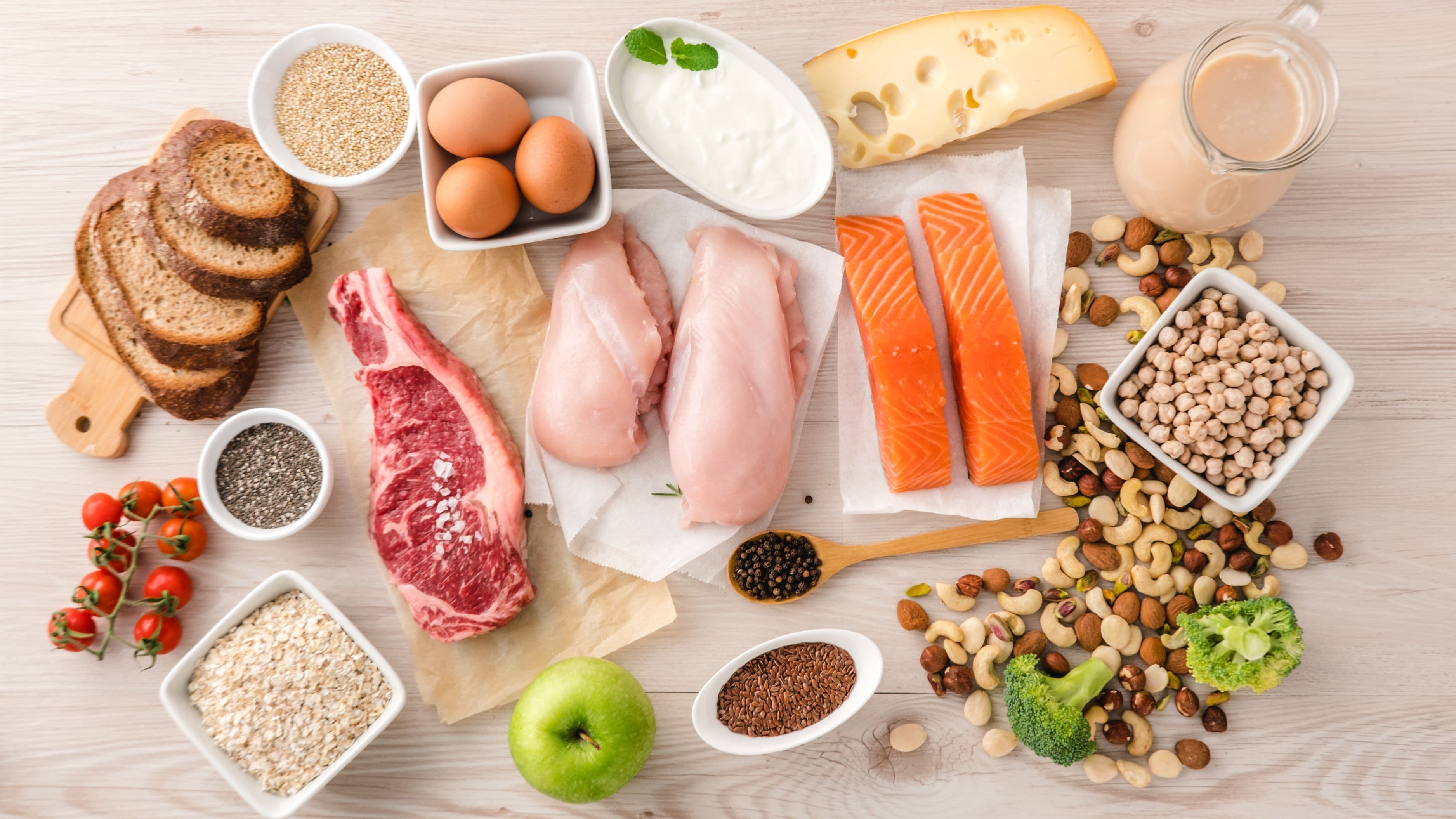
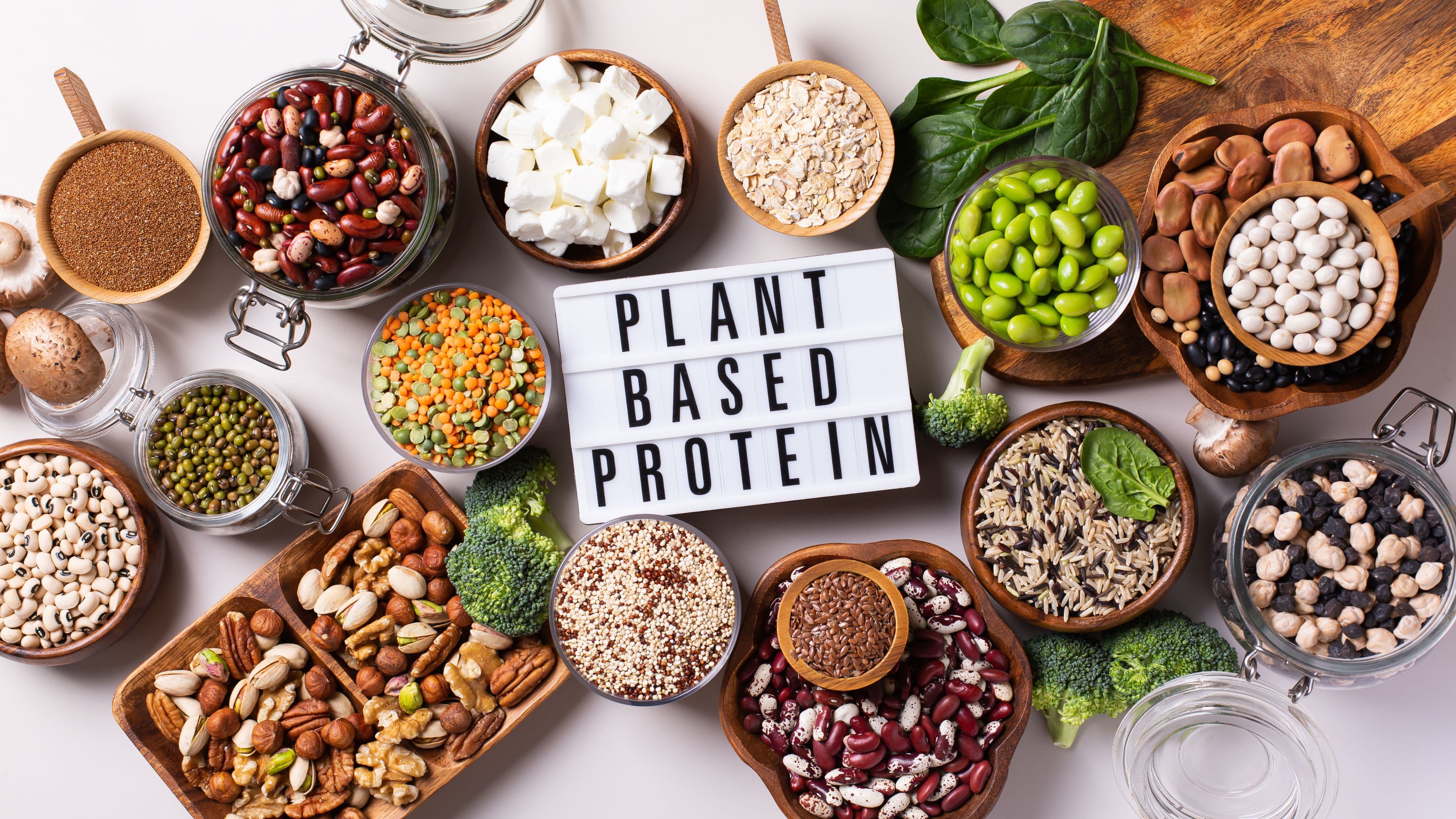
In practical terms, this means deliberately increasing potassium-rich whole foods rather than just cutting salt. A large baked potato with skin provides roughly 900 milligrams of potassium, a cup of cooked spinach provides around 800 milligrams, and a banana provides about 400 milligrams – stacking a few of these throughout the day meaningfully shifts the ratio without requiring supplementation for most people.
Practical Steps to Correct the Ratio
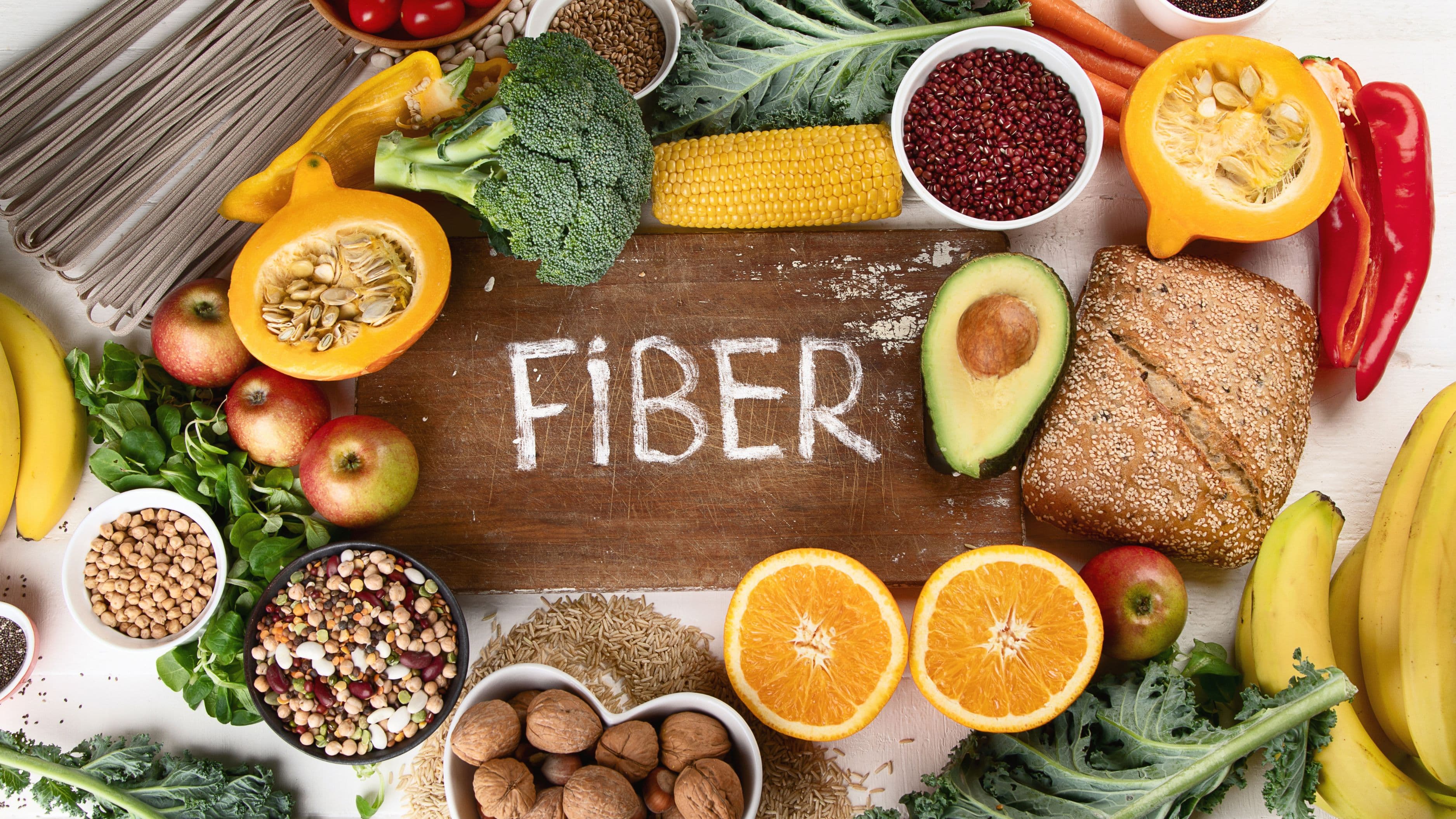
Start by auditing a few typical days of eating and noting where sodium is coming from – processed foods, added salt, and supplements are usually the biggest contributors, often exceeding potassium intake by a wide margin. Rather than obsessing over eliminating sodium, focus on deliberately adding potassium-dense whole foods at each meal: leafy greens, potatoes, squash, beans, and fruit like bananas and oranges.
For men in intense training blocks who genuinely need higher sodium intake to manage sweat loss, the correction isn't necessarily reducing sodium – it's increasing potassium proportionally to maintain a healthier ratio rather than letting sodium intake rise unchecked while potassium stays flat.
Risks and Limitations
Potassium supplementation, as opposed to increasing it through whole foods, carries real risk and should not be approached casually – excess potassium from supplements can cause hyperkalemia, a potentially dangerous condition, particularly in men with any degree of kidney impairment. Whole-food potassium sources are generally self-limiting and safer, since the body regulates absorption from food more effectively than from concentrated supplemental doses.
Men with kidney disease, those taking certain blood pressure medications (particularly ACE inhibitors or potassium-sparing diuretics), or anyone with a diagnosed cardiovascular condition should consult a physician before making significant changes to either sodium or potassium intake, since the interactions with medication can be clinically significant.
What to Avoid
Don't chase sodium reduction as an isolated goal without addressing potassium intake – this is the single most common mistake in performance nutrition and tends to produce underwhelming results for blood pressure and recovery markers. Avoid potassium supplementation as a first step; whole-food sources are safer and more effective for most people, and supplementation should only be considered under medical guidance for men with a specific, diagnosed deficiency.
FAQ
What's a realistic daily potassium target? Most adult men benefit from targeting 3,500 to 4,700 milligrams of potassium daily from whole foods, though individual needs vary based on training volume, sweat loss, and any existing medical conditions.
Can I fix my sodium-potassium ratio just by eating less salt? Not fully – reducing sodium alone helps, but pairing it with increased potassium-rich whole foods produces a more meaningful and measurable shift in the ratio than sodium reduction alone.
Is potassium supplementation a good shortcut? Generally no, unless specifically directed by a physician – potassium supplements carry real risk of overcorrection, and whole-food sources are both safer and more effective for most healthy adults.
📚 Sources
American Heart Association – Sodium and Potassium: The Balance That Matters
National Institutes of Health – Potassium Fact Sheet for Health Professionals