
This isn't a brand comparison. It's a signal acquisition problem, and that's where the answer actually lives.
How HRV Is Measured: The Signal Source Matters
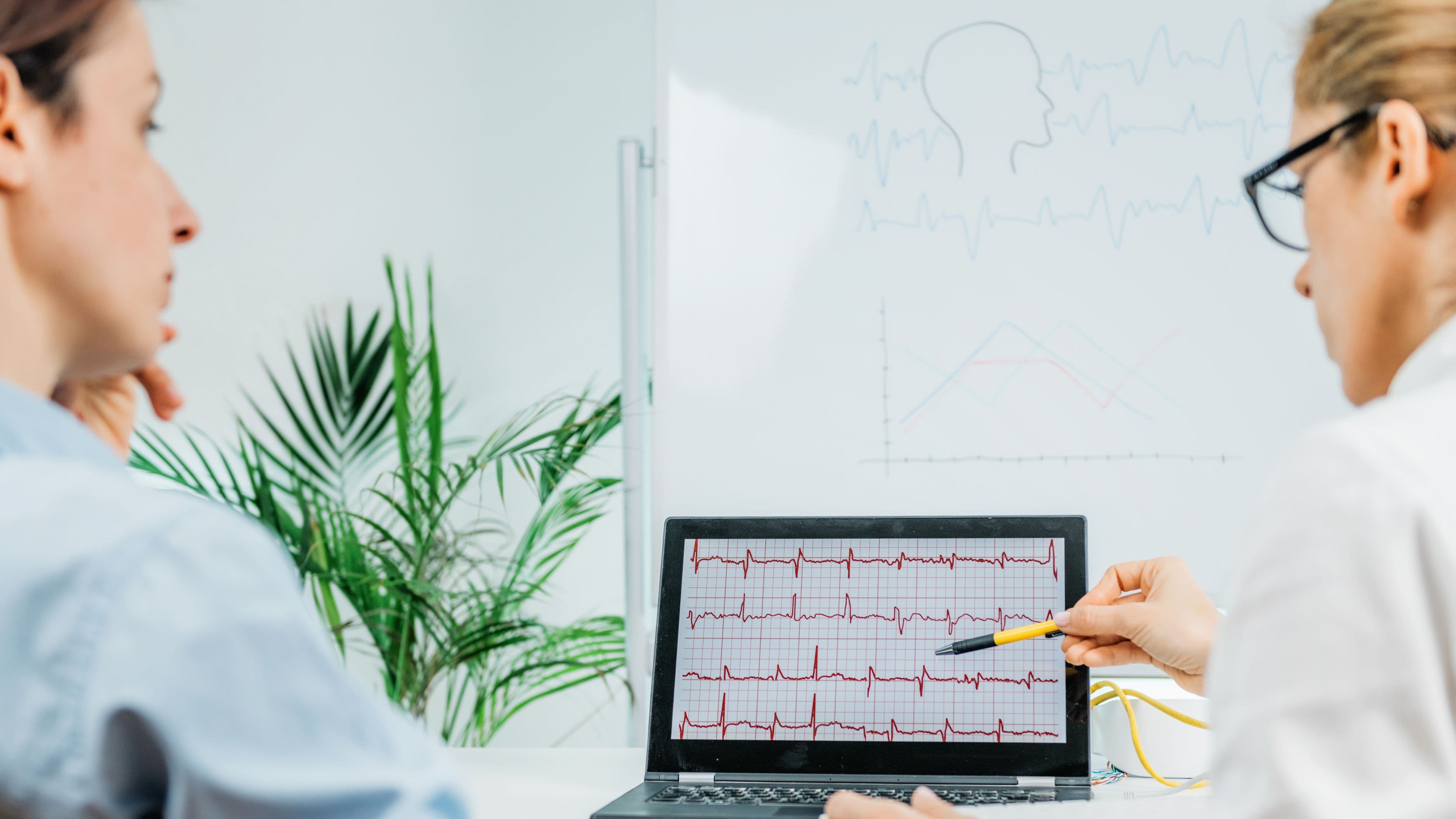
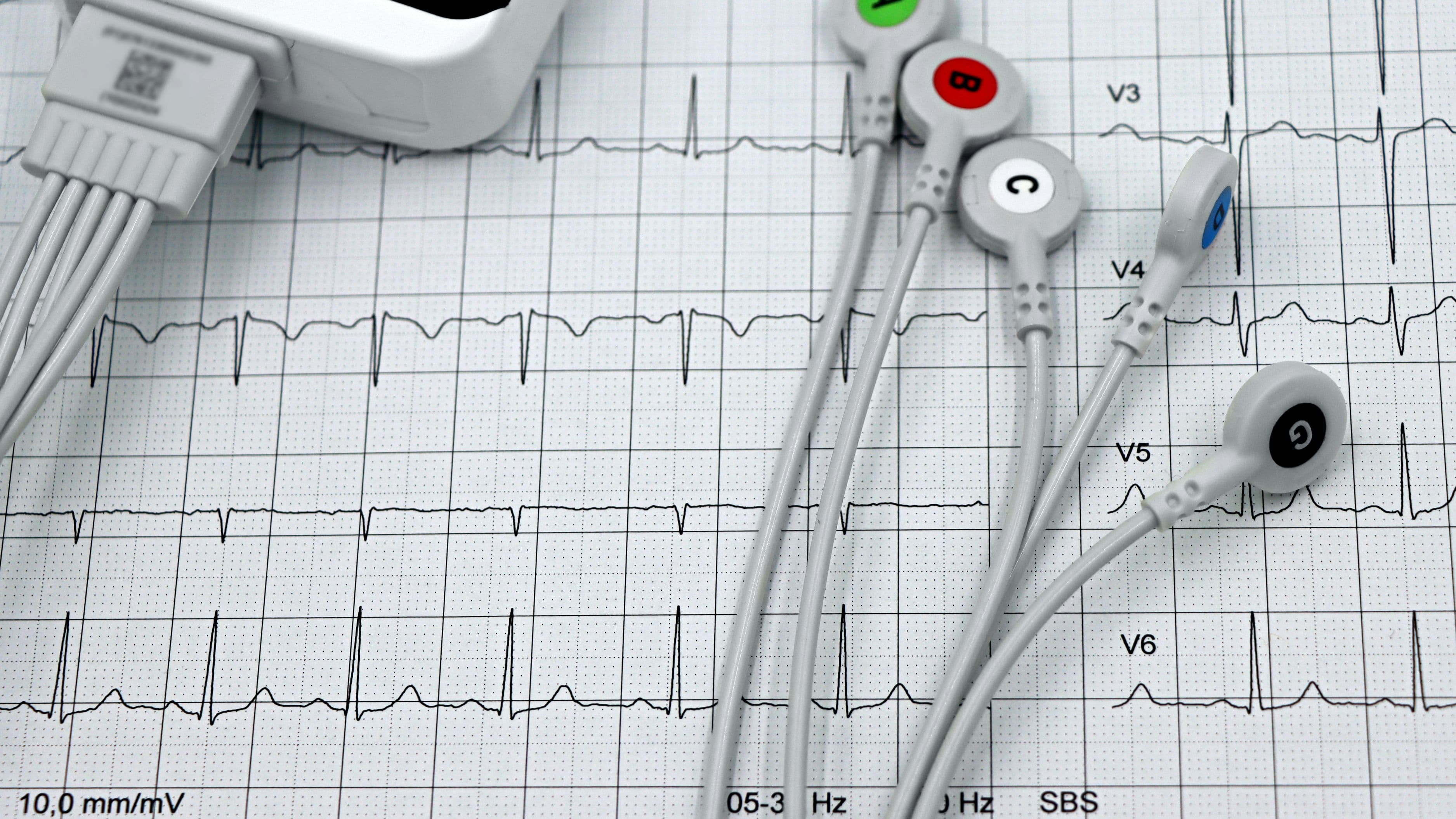
HRV is a measure of the variation in time between successive heartbeats – specifically, the R-R intervals in an electrocardiogram (ECG) trace. The gold standard for HRV measurement is the ECG itself, which captures electrical activity directly from the heart. Everything else is an approximation of that electrical signal using a different detection method.
Chest straps with ECG-grade electrodes – devices like the Polar H10 – measure electrical potential across the chest directly, producing an R-R interval dataset that closely approximates a clinical ECG. The signal quality is high, artifact contamination is low, and the time-domain and frequency-domain HRV metrics derived from the data are reliable and research-validated.
Smart rings and optical wrist-worn devices use photoplethysmography (PPG) – a light-based method that detects changes in blood volume in the peripheral vasculature. An LED shines into the tissue; a photodetector measures light reflection or transmission, and the resulting waveform tracks the pulse wave generated by each heartbeat. From this, the device estimates the timing of each beat. The metric derived from PPG data is called the pulse rate interval (PRI) rather than the R-R interval – a distinction that matters in the research literature even when the terms are used interchangeably in consumer products.
The fundamental issue is propagation delay and signal morphology. The pulse wave takes time to travel from the heart to the finger (or wrist), and that transit time varies based on arterial stiffness, blood pressure, vasomotor tone, and skin perfusion. The waveform itself is also different: the PPG signal is broader and less sharply defined than the ECG R-peak, which introduces uncertainty in beat timing that doesn't exist with electrical detection.
Accuracy: What the Data Shows
Several validation studies have compared PPG-based wearables – including smart rings – against ECG references for HRV metrics. The overall picture is nuanced.
For resting HRV during sleep – which is how most smart rings and Oura, in particular, frame their primary use case – PPG performs reasonably well. The arterial pulse wave is more stable and consistent during sleep than during waking activity, peripheral perfusion is generally adequate, and motion artifact is minimal. In this context, the agreement between PPG-derived HRV metrics and ECG-derived metrics is acceptable for trend tracking. A study by Altini and Plews (2021) found that Oura's overnight HRV values showed good agreement with ECG reference measurements in resting conditions, though the absolute values differed, meaning you can track your personal trend meaningfully but shouldn't compare raw numbers across device types.
The picture degrades significantly outside of sleep. During and immediately after exercise, skin perfusion shifts, sympathetic tone is elevated, and motion artifact contaminates the PPG signal substantially. Smart ring manufacturers typically recommend against using their devices for real-time exercise HRV, and the validation data confirms this caution. Chest straps maintain signal integrity across exercise intensities in a way optical sensors cannot match.
Short-duration morning HRV measurements – the 60-second or 5-minute resting readings many protocols use – fall somewhere in between. Motion artifact is controlled if you're actually resting, but individual perfusion variability and the impact of skin temperature on optical signal quality introduce more noise than ECG. Studies have found that the coefficient of variation for short-duration PPG HRV is higher than for chest-strap ECG under the same conditions, meaning more session-to-session noise that isn't driven by real physiological change.
The specific HRV metric also matters. RMSSD – root mean square of successive differences, the metric most consumer products surface as their primary HRV score – is relatively robust to minor timing errors. SDNN and frequency-domain metrics like LF/HF ratio are more sensitive to beat detection precision and show larger divergences between ECG and PPG-derived data.
The Practical Breakdown: Chest Strap vs. Smart Ring
Chest Strap (Polar H10 or equivalent)
Chest straps using ECG electrodes are the benchmark for non-clinical HRV measurement. The Polar H10 specifically has been used as the reference device in multiple validation studies comparing wearables, which tells you something about its status in the research community.
Signal quality is consistently high across measurement contexts: morning HRV sessions, exercise, sleep (if you sleep in one, which most people don't). The data is compatible with third-party HRV apps like HRV4Training, Elite HRV, and Kubios, which offer more analytical depth than most manufacturer apps.
The limitation is compliance. A chest strap requires intentional setup – applying the strap, wetting the electrodes, opening an app, and sitting still for the measurement window. For a daily morning protocol, this is a 2–3 minute process. For many users, that friction accumulates into inconsistent measurement, which is worse than slightly less accurate but consistent data. Chest straps also don't capture passive HRV during sleep without significant discomfort for most users.
Smart Ring (Oura Ring Gen 3 or equivalent)
Smart rings eliminate the friction problem entirely. You wear it continuously, and the device captures overnight HRV passively with no intentional measurement session required. The Oura Ring's overnight HRV algorithm specifically targets the lowest-motion, highest-signal-quality windows of sleep for its HRV calculation, which partially compensates for PPG's inherent limitations relative to ECG. The resulting overnight HRV trend data is practically useful for recovery monitoring even if the absolute values can't be directly compared to ECG-derived figures.
The limitation is the signal source and what it prevents you from doing. You cannot use a smart ring for a validated short morning HRV protocol in the same way you can use a chest strap. The ring won't give you the intra-session real-time HRV biofeedback that some training protocols require. And if you're trying to do any research-grade analysis or compare your data to published HRV normative values, the PPG-derived data isn't directly interchangeable with ECG-derived data.
Specific Use Case Recommendations
Recovery monitoring via overnight HRV trend: Smart ring is the practical winner. Passive capture, no compliance friction, sufficient accuracy for trend tracking over time. Use Oura or an equivalent ring that has been validated against ECG in sleep conditions.
Daily morning HRV protocol for training load management: Chest strap is more accurate. A 5-minute resting measurement with a Polar H10 and a dedicated HRV app gives you higher-quality data than a ring's morning readiness calculation. If compliance is a genuine issue, a ring's overnight data is an acceptable substitute.
Real-time HRV biofeedback during breath work or HRV training: Chest strap only. PPG cannot reliably track R-R intervals at the resolution needed for real-time biofeedback. This is not a close call.
Exercise HRV monitoring: Chest strap only, for the same signal integrity reasons.
Long-term trend tracking over months: Either works, with the caveat that you pick one and stay consistent. Mixing devices across a longitudinal dataset introduces device-level variability that contaminates the trend. If you switch from a chest strap to a ring, treat that as a new baseline rather than a continuous series.
The Accuracy Gap in Real Numbers
To give this some quantitative grounding: studies comparing PPG-based wearables to ECG for RMSSD during resting conditions typically show mean absolute errors in the range of 3–10 ms, with higher errors at higher absolute HRV values. For a user with a resting RMSSD of 50 ms, a 5–8 ms error is a 10–16% deviation. That's meaningful if you're trying to make precise day-to-day decisions based on small absolute changes, and manageable if you're tracking broad trends over weeks.
Chest straps against ECG reference devices typically show mean absolute errors of 1–3 ms in validated studies – a substantially smaller margin that doesn't materially affect practical decision-making.
The framing that matters: both devices can tell you that your HRV trended significantly down this week relative to your baseline. Only the chest strap can tell you the precise magnitude of that change with high confidence. For most performance optimization use cases, the trend information is what drives decisions, which is why smart rings are defensible tools – not because they're as accurate as ECG, but because the data they produce is actionable for the purposes most users actually have.
Mistakes to Avoid
Using a smart ring's HRV data in place of an ECG-validated value for medical or research contexts. The data is not interchangeable with clinical measurements, and treating it as such misrepresents the precision of the tool.
Switching devices and comparing absolute values across the transition. Each device type (and sometimes each device) has its own systematic offset from true ECG. Your personal baseline is device-specific. Changing devices requires a new baseline establishment period of at least 2–4 weeks before the data is interpretable in the same context as your previous series.
Treating high single-session variability in ring data as signal. PPG HRV is noisier than ECG HRV. A single unusually high or low overnight reading is more likely to reflect measurement noise than a genuine physiological event. Use 7-day rolling averages rather than single-session data for decision-making.
Over-indexing on HRV while ignoring subjective data. HRV is one biomarker. Subjective recovery perception, sleep quality, mood, and performance in training are all additional signals that context the HRV number. No wearable tells you more than the aggregate of its inputs, and HRV alone isn't a complete readiness picture.
FAQ
Can I use a smart ring for the HRV4Training morning protocol? HRV4Training's app supports camera-based PPG measurement using your phone's rear camera, which is a different signal path than a ring's optical sensor. Their system is validated for that specific use case. Using a ring with third-party HRV apps requires Bluetooth export, which not all rings support natively – Oura, for example, has limited direct third-party app integration compared to chest straps.
Does the location of the sensor – finger vs. wrist – affect accuracy? Yes. The finger has higher optical signal quality than the wrist because capillary density is higher and tissue geometry is more favorable for PPG. Smart rings consistently outperform optical wrist watches in PPG-based HRV validation studies. If you're choosing between a smart ring and an optical watch for HRV, the ring wins.
Is Oura's HRV score the same metric as what HRV4Training or Elite HRV report? Oura reports average overnight RMSSD, calculated from its nightly measurement algorithm. HRV4Training and Elite HRV report RMSSD from a dedicated short morning measurement session. These are different measurement conditions and cannot be directly compared. Oura's overnight value is typically higher than a morning waking measurement because it captures deep sleep periods with high parasympathetic tone.
How does body temperature affect smart ring HRV accuracy? Significantly. Elevated core temperature causes peripheral vasodilation and alters pulse wave morphology, which degrades PPG signal quality. This is why ring-based HRV data is less reliable when you're febrile, shortly after intense heat exposure (sauna, hot bath), or in very cold conditions where peripheral vasoconstriction reduces finger perfusion. If you use a sauna protocol before sleep, expect elevated measurement noise in your overnight ring data.
What's the minimum viable HRV measurement setup for a serious training protocol? Polar H10 + HRV4Training app. This combination gives you ECG-grade beat detection, a validated short morning measurement protocol, and longitudinal trend tracking with training load context built into the app. Under $100 for the hardware, subscription-optional. If you want passive overnight data alongside it, adding a ring gives you a complementary data stream – just don't conflate the two datasets.
📚 Sources
Altini M, Plews D – What Is behind Changes in Resting Heart Rate and Heart Rate Variability? A Large-Scale Analysis of Longitudinal Measurements Acquired in Free-Living – pubmed.ncbi.nlm.nih.gov/34460933
Flatt AA et al. – Validity of the Polar H10 sensor for HRV measurement – pubmed.ncbi.nlm.nih.gov/28630593
Georgiou K et al. – Can Wearable Devices Accurately Measure Heart Rate Variability? A Systematic Review – pubmed.ncbi.nlm.nih.gov/30986451
Hernando D et al. – Validation of the Apple Watch for Heart Rate Variability Measurements during Relax and Mental Stress in Healthy Subjects – pubmed.ncbi.nlm.nih.gov/30893898
HRV4Training – Understanding HRV Measurement Differences Across Devices – hrv4training.com/blog/hrv-measurement-accuracy
Kubios – HRV Analysis Methods and Frequency Domain Metrics – kubios.com/hrv-analysis-methods