
Most men running a serious performance protocol are leaving significant deep sleep output on the table. Not because they're sleeping too few hours, but because they're not engineering the conditions that determine how much of their sleep time is spent in the stages that actually matter.
This is the full protocol.
The Physiology of Deep Sleep: What You're Actually Optimizing
Slow-wave sleep comprises stages N2 and N3 of the non-REM sleep cycle, with N3 – characterized by delta wave dominance on EEG – being the highest-value stage for physical recovery and hormonal output. The first half of the night is disproportionately weighted toward SWS; the second half tilts toward REM. This distribution is not random – it reflects the body's prioritization hierarchy.
The first 90-minute sleep cycle carries the largest and most reliable pulse of deep sleep. Growth hormone secretion is tightly coupled to this first SWS episode. Research from the University of Chicago and elsewhere has confirmed that the bulk of nightly GH release in men occurs in this first cycle, with subsequent deep sleep episodes contributing diminishing GH output. This means that if your first sleep cycle is disrupted – by a late sleep time, alcohol metabolism, elevated core temperature, or sleep onset latency above 20 minutes – you are not simply losing a fraction of your deep sleep. You are likely losing your primary GH secretion window for that night.
The adenosine sleep pressure system drives the depth and efficiency of slow-wave sleep. Adenosine accumulates during waking hours and is cleared during sleep, particularly during SWS. Higher adenosine pressure at sleep onset means deeper and more consolidated N3 sleep. This is why sleep timing, waking time consistency, and daytime activity level are not peripheral variables – they directly regulate the adenosine load that determines your deep sleep output.
Understanding these two mechanisms – the first-cycle GH coupling and the adenosine pressure system – clarifies why most of the tactical protocol points below are not optional refinements. They are direct interventions in the systems that govern deep sleep yield.
Core Temperature Manipulation: The Most Powerful Lever
Sleep onset and sleep stage transitions are regulated by core temperature decline. Your core temperature needs to drop approximately 1–1.5°C from its evening peak to initiate sleep and sustain deep sleep architecture. This is not a soft biological preference – it is a hard thermal requirement. Environments or behaviors that prevent this temperature drop directly suppress SWS.
The practical leverage here is significant. Sleeping in a room cooled to 15–19°C (60–67°F) is the single most impactful environmental variable for deep sleep output, consistently supported across sleep research. Below 15°C begins to cause discomfort that fragments sleep. Above 20°C measurably degrades SWS and elevates nighttime cortisol. This is a narrow target, and most people sleep in environments that are too warm by 3–5 degrees.
Mattress temperature matters independently of room temperature. If you tend to sleep hot, a cooling mattress pad or a system like the Eight Sleep Pod Pro – which actively regulates mattress surface temperature through the night – addresses the microclimate problem that room cooling alone doesn't fully solve. The data from users of active mattress cooling consistently shows increased time in deep sleep relative to non-cooled baselines, which aligns with the mechanistic prediction.
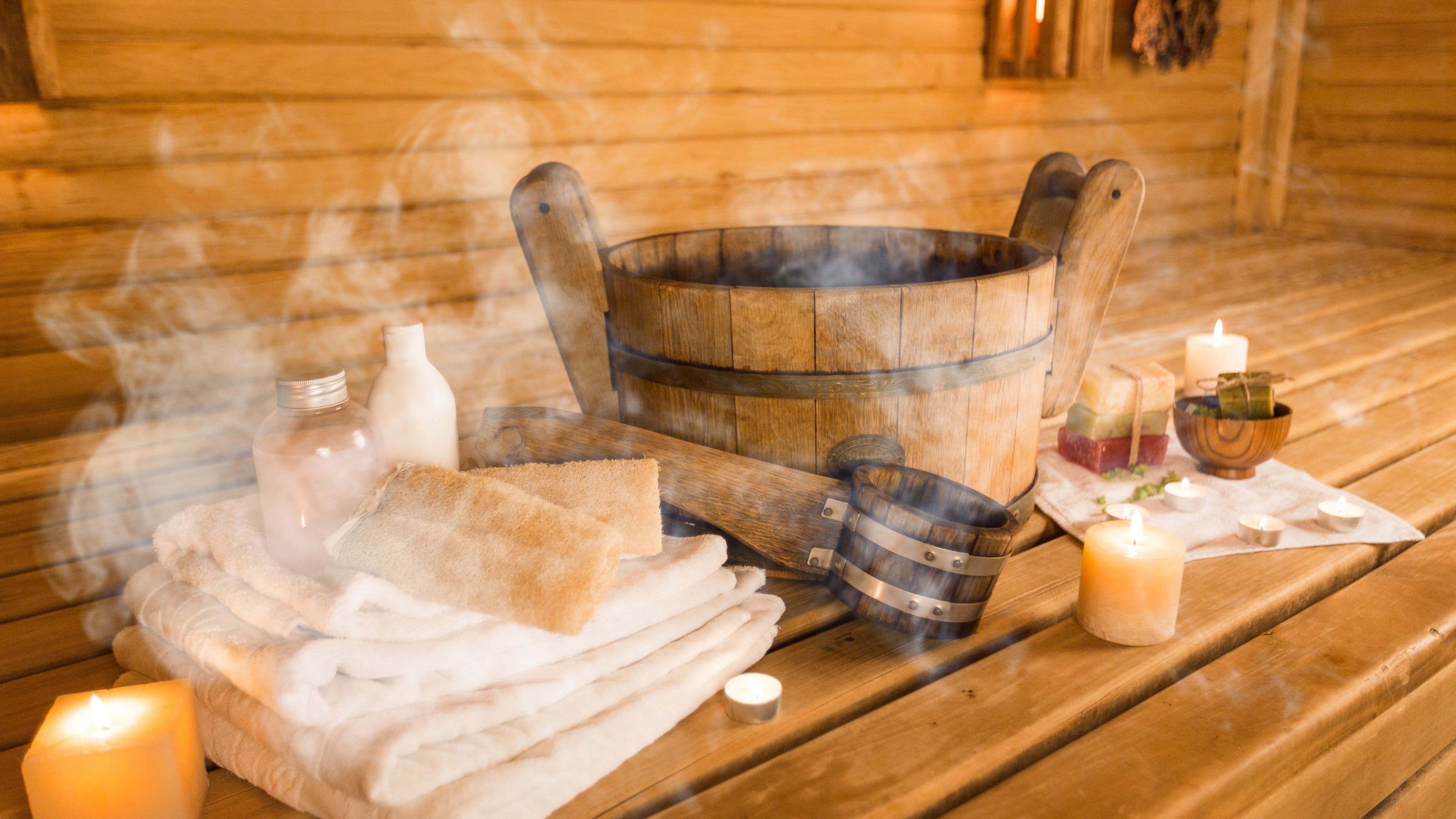
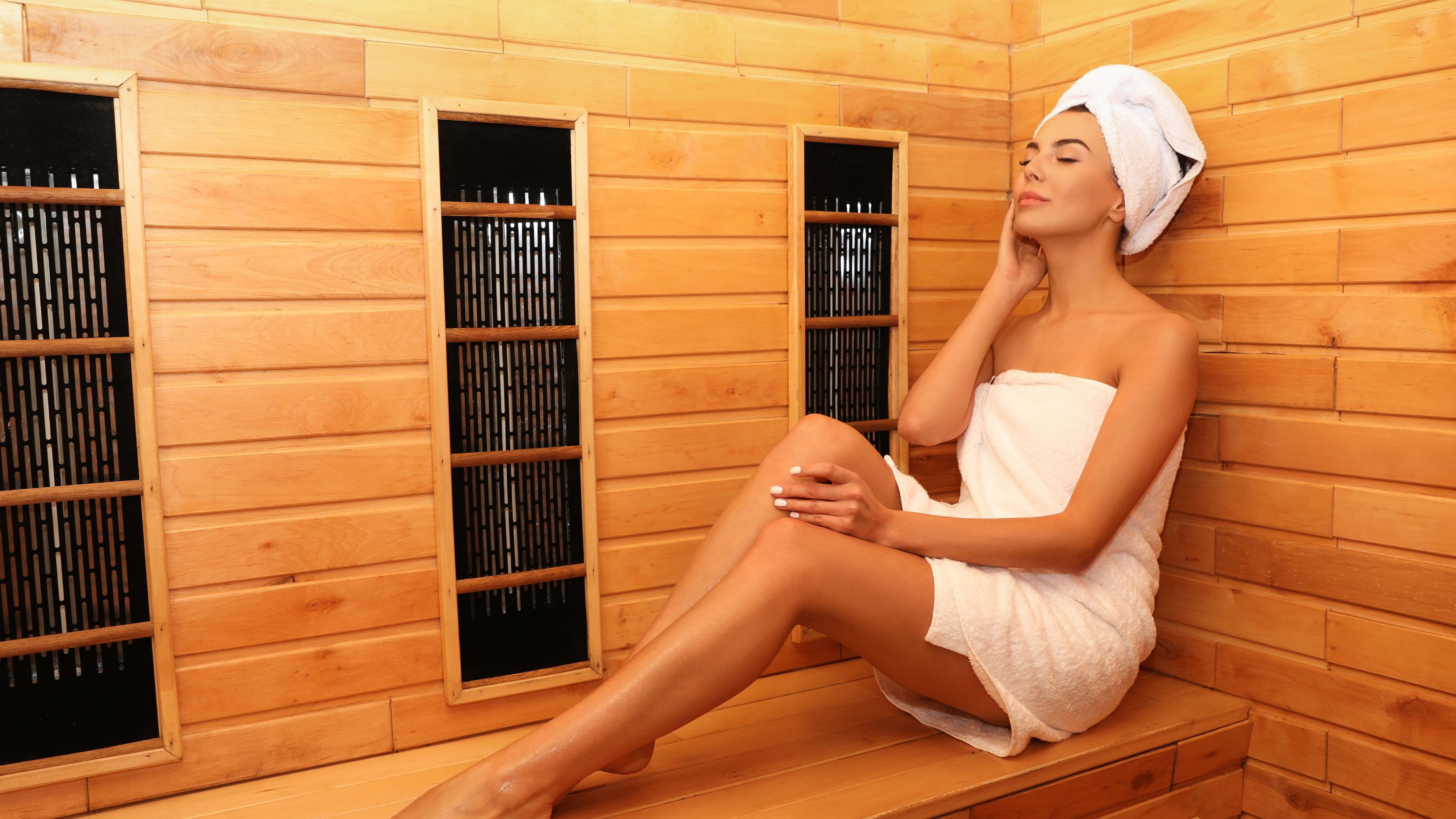
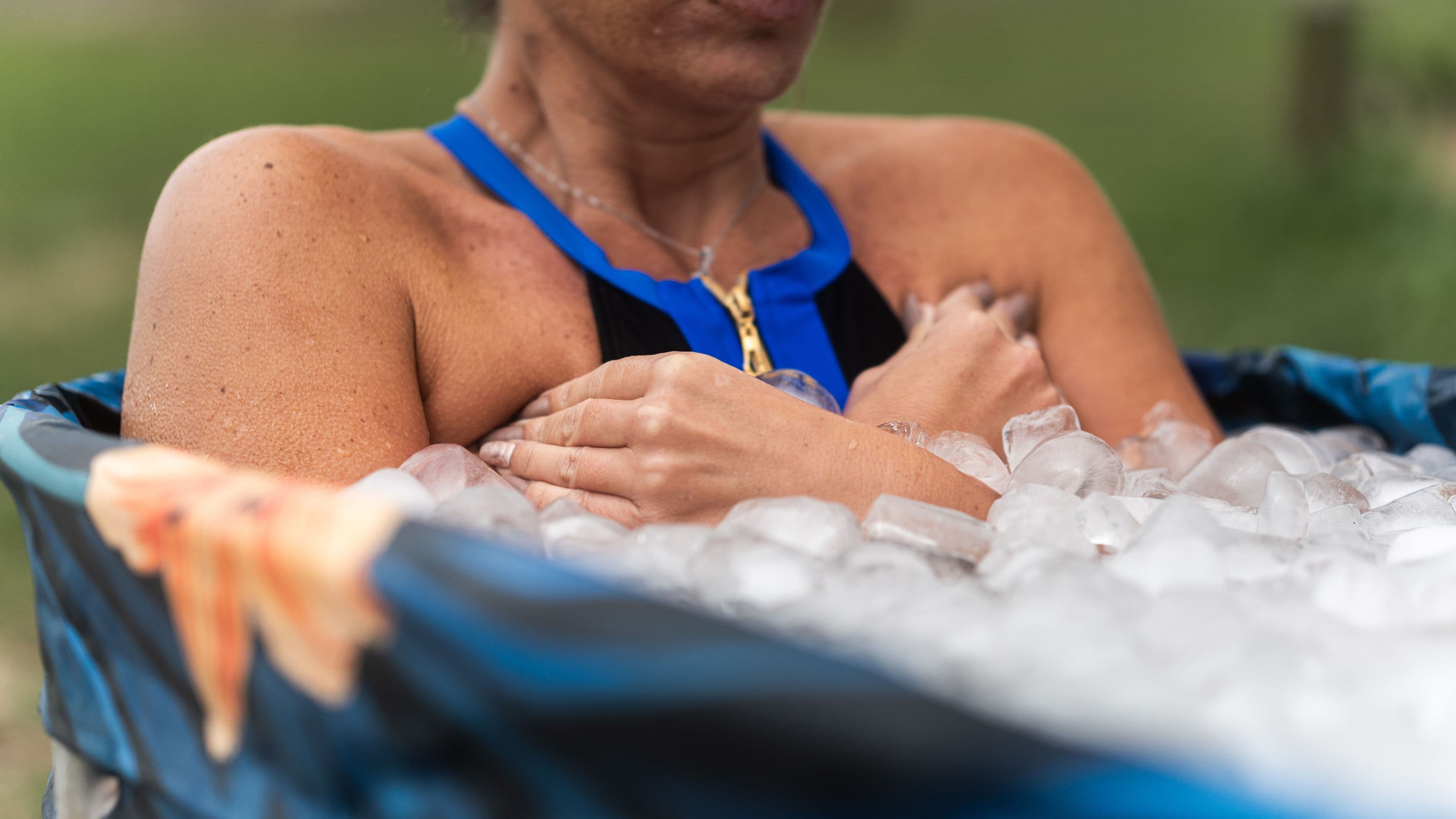
A hot shower or sauna session 60–90 minutes before sleep is counterintuitive but effective. Heating the periphery accelerates vasodilation, which drives core heat dissipation and speeds the required temperature drop. The result is a faster and more reliable sleep onset and a steeper initial temperature decline that deepens the first SWS episode. The timing matters: the benefit comes from the post-heating temperature drop, not from the heat itself, which is why the window is 60–90 minutes pre-sleep rather than immediately before bed.
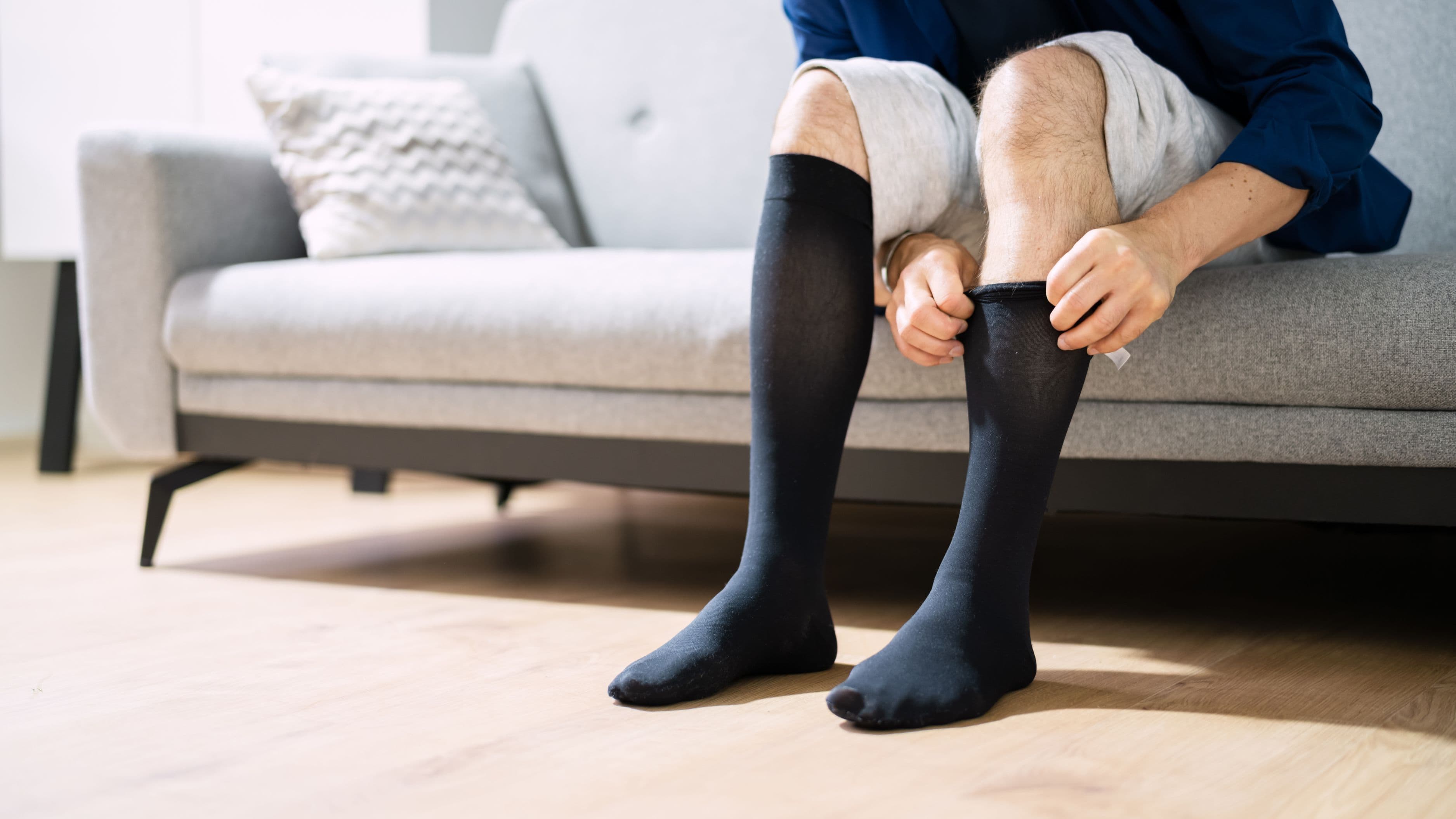
Cold extremities impair sleep onset by reducing the vasodilation needed for core heat offloading. Wearing socks to bed – which sounds trivial and is mechanistically legitimate – accelerates peripheral vasodilation and has been shown in controlled conditions to reduce sleep latency. If your hands and feet are cold at bedtime, this is a thermal signal worth addressing.
Light Exposure: Circadian Entrainment and Melatonin Timing
The circadian clock governs the timing of every sleep stage, and the clock is set almost entirely by light. Getting this input wrong – not enough morning light, too much artificial light in the evening – creates a phase delay in your circadian rhythm that degrades deep sleep architecture even when total sleep time is adequate.
Morning light exposure within 30–60 minutes of waking is the most reliable way to anchor your circadian clock. Bright outdoor light (or a 10,000 lux light therapy device if outdoor access is limited) suppresses residual melatonin and sets the circadian timer for the day. The subsequent melatonin rise in the evening is timed off this morning anchor. Shift this anchor later and your melatonin onset shifts later, your sleep onset shifts later, and your first SWS episode is compressed or displaced.
Evening light suppresses melatonin with high efficiency. The photoreceptors driving circadian suppression – intrinsically photosensitive retinal ganglion cells (ipRGCs) – are maximally sensitive to short-wavelength blue light in the 460–480 nm range. Standard indoor lighting and screens emit heavily in this range. Eliminating or significantly reducing blue light exposure after 9 PM is not a marginal optimization. Under artificial lighting conditions, evening blue light can suppress melatonin by 50% or more, which is a direct suppression of the hormonal signal that initiates the temperature drop and sleep onset cascade.
Blue-light-blocking glasses with an amber lens (blocking below approximately 550 nm) are the practical solution when screen elimination isn't realistic. The evidence supporting their effectiveness for melatonin preservation is solid. The alternative – red-spectrum lighting only in the 2–3 hours before bed – works equally well and is more scalable for home environments.
Adenosine Pressure Optimization
Deep sleep depth is proportional to adenosine pressure at sleep onset. Higher adenosine load at the time you go to sleep means deeper, more consolidated slow-wave sleep. This means your daytime behavior directly determines your nightly SWS output.
Wake time consistency is the most underutilized lever in sleep optimization. A fixed, early wake time – the same time every day including weekends – maximizes the adenosine build-up window and prevents the circadian disruption of social jet lag. Every 30-minute delay in wake time on weekends costs you roughly 30 minutes of adenosine accumulation and introduces a circadian phase shift that impairs the following week's sleep architecture. The data on social jet lag and its downstream effects on metabolic health, cognitive performance, and hormonal output is extensive.
Caffeine blocks adenosine receptors without clearing adenosine itself. Adenosine continues to accumulate behind the blockade, but the subjective fatigue signal is suppressed. This is the mechanism behind the "crash" when caffeine clears – the accumulated adenosine suddenly gains receptor access. The relevant variable for sleep optimization is caffeine's half-life, which is approximately 5–7 hours in most adults but extends to 9–10 hours in slow metabolizers (CYP1A2 enzyme variants). A 200 mg coffee at 2 PM still has 100 mg of adenosine-blocking activity at 9 PM in a normal metabolizer – enough to measurably reduce SWS. The operational cutoff for anyone serious about deep sleep output is no caffeine after 12–1 PM, regardless of subjective tolerance.
Napping requires precision. A 20-minute nap (NREM stage 1–2 only, no SWS entry) preserves adenosine pressure and improves afternoon performance. A 90-minute nap depletes meaningful adenosine and will reduce your subsequent night's deep sleep output. If napping, keep it under 25 minutes and time it before 3 PM.
Physical training substantially elevates adenosine pressure, which is one of the primary mechanisms behind the well-documented relationship between exercise and deep sleep quality. High-intensity training in particular generates significant adenosine accumulation. However, training within 3–4 hours of sleep onset elevates core temperature and sympathetic nervous system activity in ways that conflict with sleep initiation – even as the adenosine benefit is real. Morning and early afternoon training captures the adenosine benefit without the thermal and sympathetic interference.
Pre-Sleep Neurological Downregulation
Cognitive and sympathetic arousal at sleep onset suppresses slow-wave sleep depth. If you go to bed with elevated cortisol, unresolved cognitive load, or a nervous system still running in sympathetic mode, your sleep architecture will reflect it – longer sleep latency, reduced N3 time, and fragmented first-cycle SWS.
Cortisol naturally declines through the evening, but this decline can be disrupted by late-night work, confrontational conversations, high-intensity exercise, bright light, or stimulant use. The 90-minute pre-sleep window should be treated as a neurological deactivation phase, not as dead time.
A consistent pre-sleep protocol is not a wellness suggestion – it is a hormonal protocol. The goal is measurable reduction in sympathetic tone before sleep onset. Effective tools include: structured breathing protocols (4-7-8 or box breathing, which directly activates the parasympathetic nervous system through vagal stimulation), progressive muscle relaxation, journaling to externalize open cognitive loops that would otherwise activate rumination during sleep onset, and low-stimulation environments with minimal novel input.
Magnesium glycinate at 200–400 mg, taken 30–60 minutes before bed, is one of the few supplemental interventions with a credible mechanism for improving deep sleep quality. Magnesium is a cofactor in GABA receptor activity and NMDA receptor regulation, both of which are directly involved in slow-wave sleep generation. The glycinate form offers superior bioavailability relative to oxide and has a meaningful calming effect independent of sleep. Magnesium deficiency – common in men eating a calorie-restricted or highly processed diet – is associated with reduced SWS and elevated nocturnal cortisol. Correcting this deficiency is a floor-raising intervention.
L-theanine at 100–200 mg amplifies alpha brainwave activity, which facilitates the transition from waking to NREM sleep without sedation. It pairs well with magnesium for the pre-sleep window and does not impair morning clarity or cortisol awakening response, which sedative sleep aids can.
Alcohol is worth addressing directly because it is widely perceived as a sleep aid and is the opposite. Alcohol accelerates sleep onset by suppressing the central nervous system, which is why it feels like it helps. But as it metabolizes – typically 3–4 hours into sleep – it produces a rebound activation that fragments the second half of sleep and substantially suppresses REM. Equally important, alcohol suppresses SWS in the first half of sleep through a mechanism involving adenosine displacement and GABA-mediated sedation that bypasses rather than supports the normal sleep architecture. Any alcohol within 4 hours of sleep onset measurably degrades deep sleep output. This is not a dose-dependent effect that disappears at low quantities – it is consistent even at 1–2 drinks.
Structural Variables: Timing, Duration, and Sleep Debt
Deep sleep output is further governed by two structural variables that frame everything above.
Sleep timing should target the largest SWS window, which means going to sleep early enough to align your first sleep cycle with the steepest temperature decline and the peak of adenosine pressure. For most men, this is somewhere between 10 PM and 11 PM. Later sleep times – 12 AM or beyond – compress the first SWS episode and delay the critical first-cycle GH secretion window. Regularly sleeping after midnight with a fixed early work wake time is the most common pattern associated with chronically suppressed deep sleep in high-performers.
Sleep duration needs to provide enough time for multiple SWS cycles. The first cycle runs approximately 90 minutes, with the second and third cycles extending toward REM dominance. Seven to nine hours provides three to four full NREM–REM cycles; shorter durations truncate predominantly from the REM end but eventually compress SWS time as well. The minimum viable duration for meaningful deep sleep output is 7 hours under conditions of good sleep architecture.
Accumulated sleep debt reduces SWS efficiency over time. Contrary to the popular notion that you can "catch up" on sleep, the research is clear that the hormonal and metabolic deficits from sustained sleep restriction do not fully resolve with a single recovery night. Chronic mild restriction – 6 hours per night for two weeks – produces cognitive and hormonal impairment equivalent to 48 hours of total deprivation, and subjects in these conditions consistently underestimate their own deficits. Eliminating the sleep debt requires a sustained period of adequate, well-structured sleep rather than weekend binge recovery.
Tracking Deep Sleep Output
Without objective data, protocol optimization is guesswork. The current consumer-grade tracking tools – the Oura Ring (Gen 3 and above), the WHOOP 4.0, and the Garmin sleep tracking ecosystem – provide sufficient accuracy for tracking SWS trends and protocol response over time, even if they are not clinical-grade EEG. The value is not in any single night's reading but in the trend data across weeks of consistent protocol implementation.
Benchmarks worth tracking: Deep sleep (SWS) as a percentage of total sleep time. In young adult males, 15–25% SWS is typical. Below 10% consistently is a signal of significant SWS suppression worth investigating. Resting heart rate overnight as a proxy for nervous system recovery status. Sleep latency as an indicator of adenosine pressure and pre-sleep arousal state.
Use the data to identify which protocol variables are producing measurable changes in your SWS output, not to obsess over nightly variation. Night-to-night variance is high; weekly trend data is where the actionable signal lives.
Protocol Summary
Environment: Room temperature 15–19°C. Active mattress cooling if sleeping hot is a recurring issue.
Temperature staging: Hot shower or sauna 60–90 minutes pre-sleep. Socks if extremities run cold at bedtime.
Light: Morning bright light within 30–60 minutes of waking. Blue light elimination or amber-lens glasses after 9 PM. Red-spectrum lighting in the final 2 hours before sleep.
Adenosine: Fixed wake time, 7 days per week. Caffeine cutoff at 12–1 PM. Naps under 25 minutes before 3 PM only. Training scheduled for morning or early afternoon.
Neurological downregulation: 90-minute pre-sleep wind-down. Structured breathing, journaling, or progressive relaxation. Magnesium glycinate 200–400 mg and L-theanine 100–200 mg, 30–60 minutes pre-sleep. No alcohol within 4 hours of sleep onset.
Timing and duration: Sleep onset target 10–11 PM. Minimum 7 hours, with 8 as the optimal target for men in active training.
Tracking: Oura Ring, WHOOP, or equivalent. Monitor SWS percentage and resting overnight HR as primary indicators.
FAQ
How much deep sleep should I actually be getting per night? For men in active training, 90–120 minutes of SWS per night is a reasonable performance target. Below 60 minutes consistently indicates significant suppression. The percentage metric (targeting 15–20% of total sleep time in SWS) is more useful than raw minutes because it accounts for total sleep duration variation.
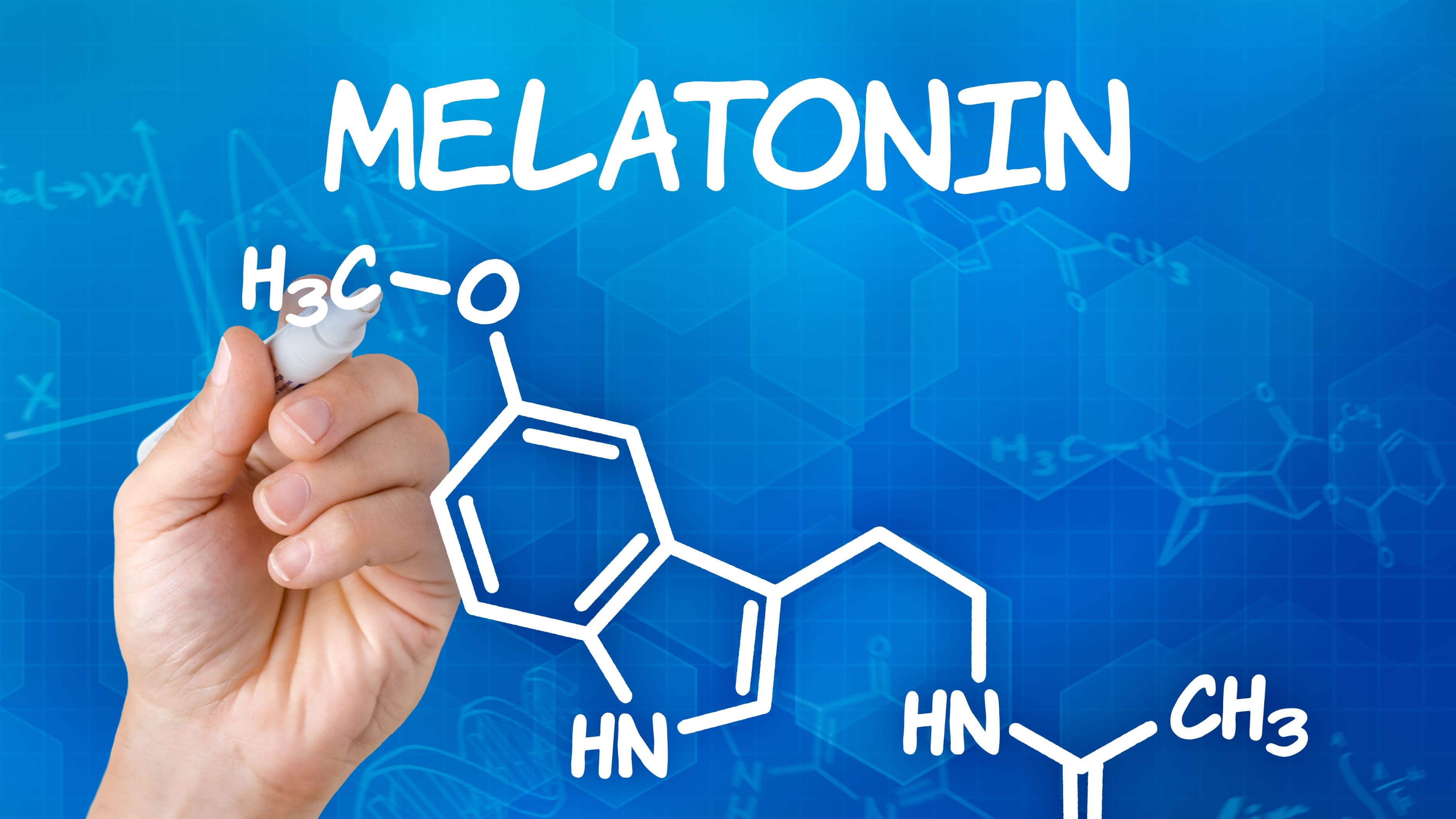
Will melatonin supplementation increase deep sleep? Melatonin is a circadian timing signal, not a sleep depth enhancer. Exogenous melatonin helps shift or stabilize sleep onset timing but does not directly increase SWS. Large doses (5–10 mg) commonly used in the US are significantly above the physiologically relevant range (0.3–0.5 mg is sufficient for circadian signaling) and may impair the natural melatonin secretion rhythm over time. If using melatonin, low-dose (0.3–0.5 mg) formulations taken 60–90 minutes before target sleep onset are the evidence-supported approach.
Does training volume affect deep sleep output? Yes, directly. Higher training volumes increase adenosine accumulation and elevate growth hormone demand during recovery, both of which deepen SWS. This is one of the primary mechanisms behind the consistent finding that physically active individuals get more deep sleep than sedentary ones. The caveat is training timing – high-intensity training within 3–4 hours of sleep onset elevates core temperature and sympathetic tone in ways that interfere with sleep onset despite the increased SWS pressure.
What's the fastest way to test whether my protocol is working? Use a wearable that tracks SWS (Oura or WHOOP) and implement the core protocol changes – room temperature, caffeine cutoff, blue light, fixed wake time, and pre-sleep magnesium – simultaneously for two weeks. SWS changes in response to these interventions are typically measurable within 5–7 days, though the full adaptation takes 2–3 weeks to stabilize.
Can prescription sleep aids improve deep sleep quality? Most common prescription sleep aids – including benzodiazepines and Z-drugs like zolpidem – actually suppress SWS and REM while increasing stage N2 sleep. They generate the subjective sensation of having slept, without producing the hormonal and restorative output of natural deep sleep. They are not optimization tools for SWS. The exception is low-dose trazodone, which has a more favorable sleep architecture profile and is sometimes used off-label in sleep medicine for this reason, though it requires physician supervision.
📚 Sources
Van Cauter E, et al. – Sleep and the somatotropic axis. Sleep, 2000: https://pubmed.ncbi.nlm.nih.gov/10940092/
Czeisler CA & Gooley J – Sleep and Circadian Rhythms in Humans. Cold Spring Harbor Symposia on Quantitative Biology, 2007: https://symposium.cshlp.org/content/72/579
Ebrahim IO, et al. – Alcohol and sleep I: effects on normal sleep. Alcoholism: Clinical and Experimental Research, 2013: https://pubmed.ncbi.nlm.nih.gov/23347102/
Wehrens SMT, et al. – Meal Timing Regulates the Human Circadian System. Current Biology, 2017: https://www.cell.com/current-biology/fulltext/S0960-9822(17)30504-2
Walker MP – Why We Sleep: The New Science of Sleep and Dreams. Scribner, 2017 – supporting research index: https://www.sleepdiplomat.com/professor