
Temperature: The Single Biggest Lever
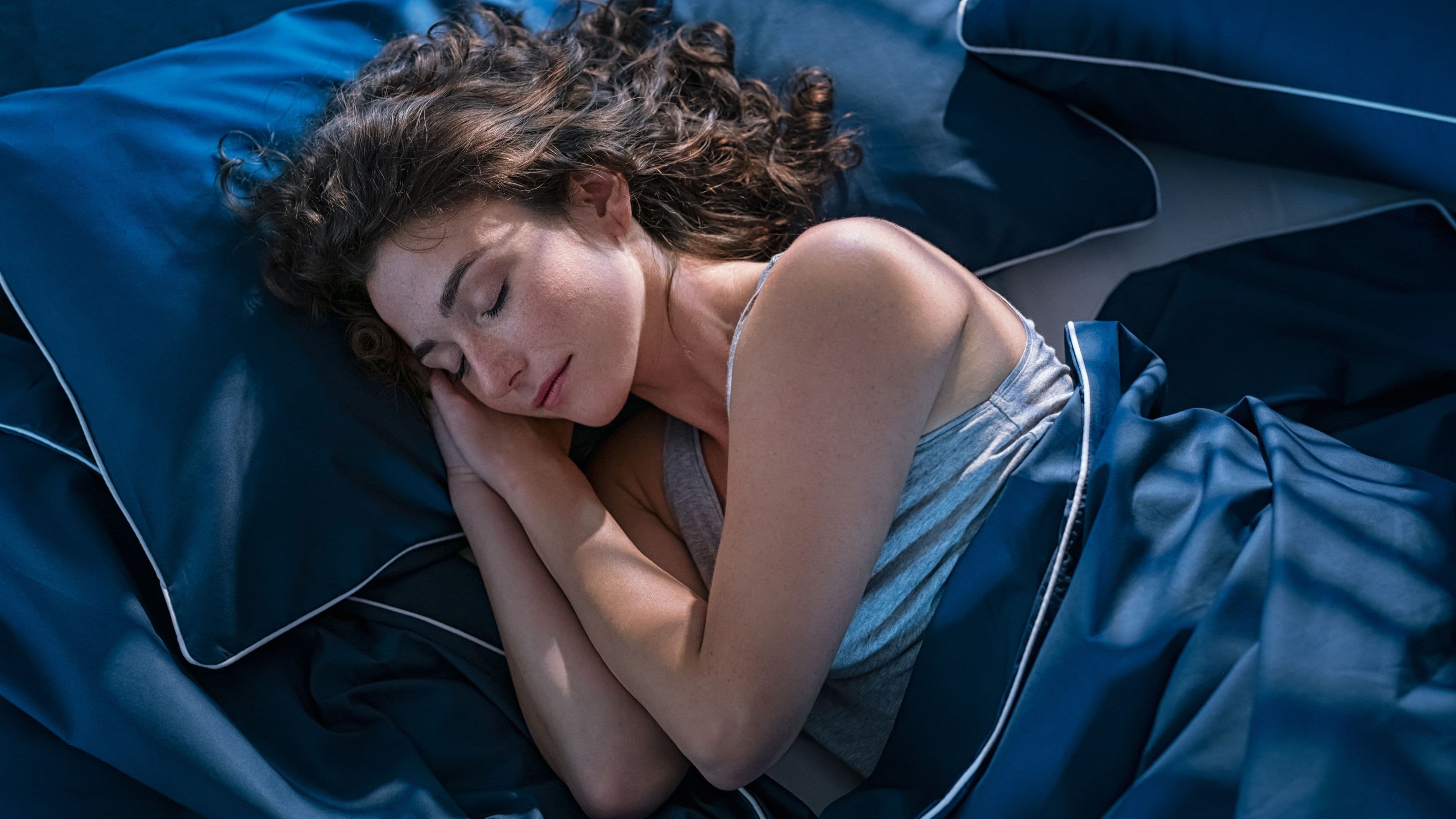
Core body temperature needs to drop by roughly 2–3°F to initiate and maintain deep sleep, and a bedroom that's too warm is one of the most common, and most fixable, disruptors of sleep architecture. Target a room temperature between 60–67°F for most men, adjusting based on your own thermal preference, but staying within that range rather than defaulting to whatever feels comfortable while awake and fully clothed.
Beyond ambient temperature, mattress and bedding materials matter significantly. Memory foam retains heat and can work against the cooling process your body needs overnight, while breathable materials like cotton, linen, or specifically engineered cooling fabrics support the temperature drop more effectively. If you consistently wake up overheated or sweating, this is worth addressing before any other intervention on this list, since it directly undermines deep sleep regardless of what else you optimize.
Light Exposure: Timing Matters More Than Total Darkness
Complete blackout is the baseline most men already know about, blackout curtains, covering LED lights from electronics, removing any light leakage from doors. What's less understood is that light exposure in the hours before bed matters as much as darkness during sleep itself. Blue and bright white light in the evening suppresses melatonin production, delaying the onset of the sleep architecture cycle even if the room itself is completely dark by the time you actually lie down.
Practical fixes include using warm, dim lighting (under 2700K color temperature) for at least an hour before bed, and using blue light filtering on any screens you use in the evening, though dimming and reducing overall screen brightness matters more than the specific blue-light filter itself. If you wake during the night, avoid turning on bright overhead lights, use a dim red or amber night light instead, since bright light exposure during a nighttime wake-up can delay your return to deep sleep stages significantly.
Noise: Consistency Over Silence
Contrary to popular assumption, complete silence isn't necessarily optimal for sleep architecture. Sudden, unpredictable noises, a car alarm, a partner's phone notification, a dog barking outside, are what cause micro-arousals that fragment sleep cycles, not steady background noise itself. Many men actually sleep with more stable architecture using consistent white noise or brown noise, since it masks these unpredictable disruptions rather than adding a new variable.
If you share a bedroom, address noise sources within your control first: phone notifications on silent, doors that don't creak, and HVAC systems that cycle on and off audibly through the night. A white noise machine or app is a low-cost, low-effort addition that consistently shows benefit for men whose environment has variable or unpredictable ambient noise.
Air Quality and CO2 Buildup
This is one of the most overlooked factors in sleep environment optimization. A closed bedroom overnight, especially in a smaller space, can see meaningful CO2 buildup, which has been associated with more fragmented sleep and reduced deep sleep percentage in several studies. Cracking a window slightly, or running a bedroom air purifier with adequate air exchange, addresses this directly.
Humidity also plays a role, particularly in extremes. Air that's too dry can cause throat and nasal irritation that triggers brief arousals, while air that's too humid can contribute to a stuffy, overheated feeling that works against the temperature drop discussed earlier. Aim for indoor humidity in the 30–50% range, adjusting with a humidifier or dehumidifier depending on your climate and season.
Mattress and Pillow Support
Physical discomfort causes position shifts throughout the night, and every position shift carries a risk of a partial arousal that can interrupt a deep sleep or REM cycle in progress. A mattress that's too soft or too firm for your body type and sleep position leads to more frequent repositioning, even if you don't consciously remember waking up. If you're consistently waking with stiffness or waking multiple times per night without an obvious cause, mattress and pillow support are worth evaluating before assuming the issue is purely behavioral or stress-related.
Pillow height and firmness should keep your neck in a neutral position relative to your spine, whether you're a back, side, or stomach sleeper. This is highly individual, so if you're unsure whether your current setup is contributing to disrupted architecture, a trial period with an adjustable or different-firmness pillow for two to three weeks is a reasonable low-cost test.
Electronics and EMF Considerations
The evidence connecting electromagnetic field (EMF) exposure directly to sleep architecture disruption is far weaker and less consistent than the environmental factors above, and claims in this space are frequently overstated without solid research backing. What is well-supported is the behavioral impact of having phones and devices in the bedroom, specifically the temptation to check notifications during nighttime wake-ups, which directly triggers light exposure and cognitive engagement that delays returning to deep sleep. Keeping phones outside the bedroom, or in airplane mode across the room, addresses the practical issue without needing to rely on unproven EMF-blocking products.
The Checklist
Bedroom temperature between 60–67°F
Complete blackout during sleep hours
Dim, warm lighting for the hour before bed
Consistent background noise (white or brown noise) if your environment has unpredictable sounds
Adequate air exchange to prevent CO2 buildup, cracked window or air purifier
Indoor humidity maintained between 30–50%
Mattress and pillow matched to your body type and sleep position
Phone and bright screens removed from the bedroom or kept out of reach
Realistic Expectations
Environmental changes typically produce noticeable improvements within one to two weeks of consistent implementation, though the magnitude varies based on how disrupted your baseline architecture was and how many factors were previously working against you simultaneously. If you're addressing multiple issues at once, temperature, light, and air quality together, expect the cumulative effect to be more significant than any single change in isolation.
Environmental optimization won't resolve sleep architecture disruption caused by underlying conditions like sleep apnea, which requires medical diagnosis and treatment rather than environmental adjustment. If you consistently wake gasping, snore heavily, or feel exhausted despite addressing every environmental factor on this list, consult a physician about a sleep study before assuming environment is the sole cause.
Common Mistakes
Don't optimize one factor while ignoring others and expect dramatic results. Blackout curtains alone won't fix architecture disrupted by a room that's consistently too warm, and a cool room won't compensate for bright evening light delaying melatonin onset. These factors compound, and addressing them together produces meaningfully better results than isolated single changes.
Avoid over-relying on unproven gadgets marketed as sleep optimization tools, EMF blockers, certain "sleep enhancing" mattress technologies without independent evidence, before addressing the fundamentals covered above. Temperature, light, noise, and air quality have substantially stronger evidence bases than most premium sleep gadgets currently on the market.
FAQ
How quickly will I notice improved sleep after fixing my environment? Most men notice subjective improvement within one to two weeks, though objective architecture improvements measured via a sleep tracker or wearable may take slightly longer to show a consistent trend.
Is a cooling mattress worth the investment? If you consistently overheat at night despite addressing room temperature and bedding materials, a cooling mattress or mattress topper can provide meaningful additional benefit, particularly for side and back sleepers who retain more body heat in contact with the mattress surface.
Should I use a sleep tracker to monitor these changes? A consumer sleep tracker or wearable can help you correlate environmental changes with architecture improvements over time, though treat the data as directional rather than clinically precise, since consumer devices vary in accuracy for detailed sleep stage detection.
📚 Sources
National Sleep Foundation – Bedroom Environment and Sleep Quality: https://www.thensf.org/how-your-bedroom-environment-affects-sleep/
National Library of Medicine – Effects of Ambient Temperature on Sleep: https://pubmed.ncbi.nlm.nih.gov/22738673/
Harvard Medical School – Blue Light and Sleep: https://www.health.harvard.edu/staying-healthy/blue-light-has-a-dark-side