
This isn't a recovery tip. It's a core endocrine issue.
The Endocrine Mechanics of Testosterone and Sleep
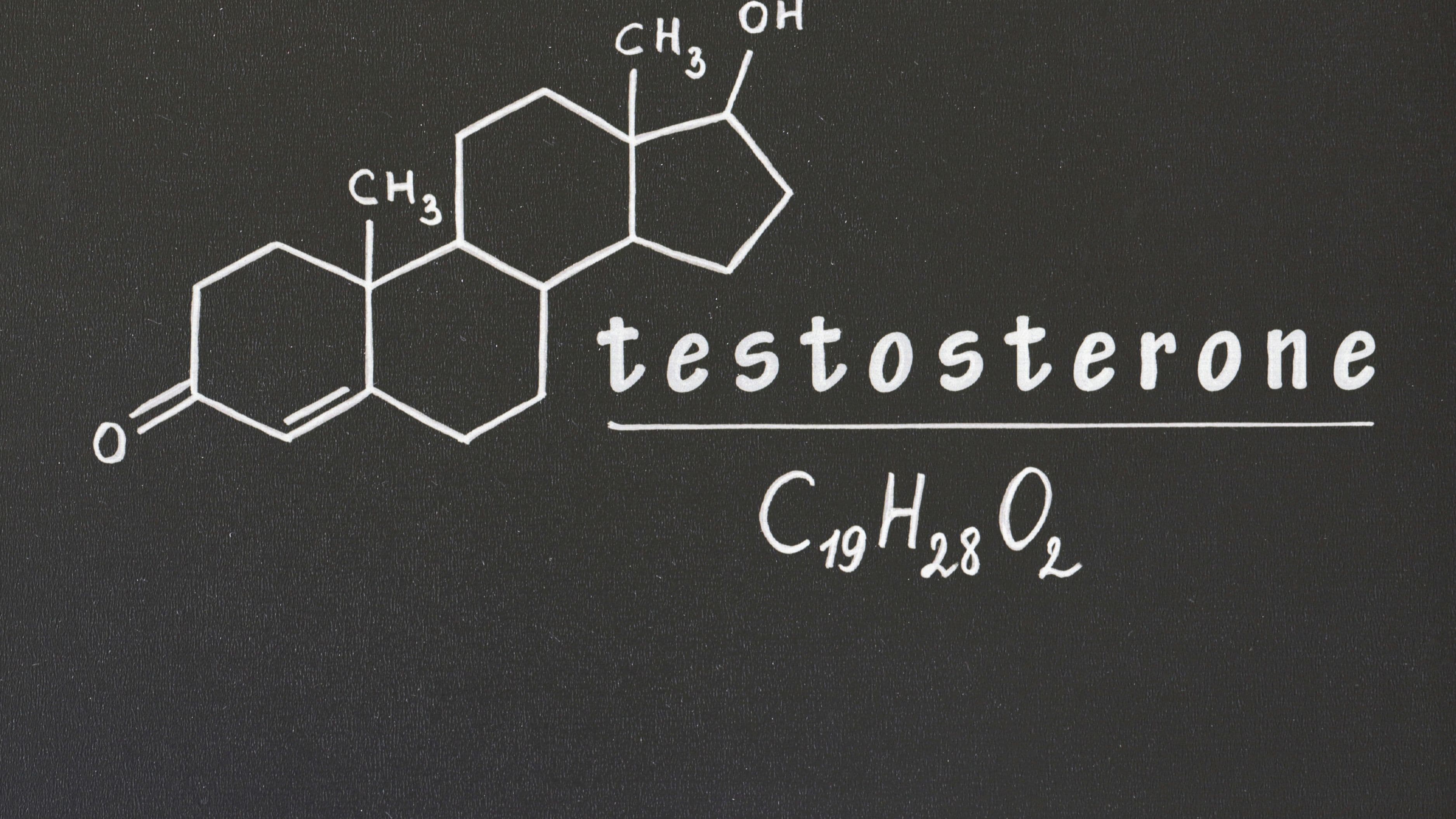
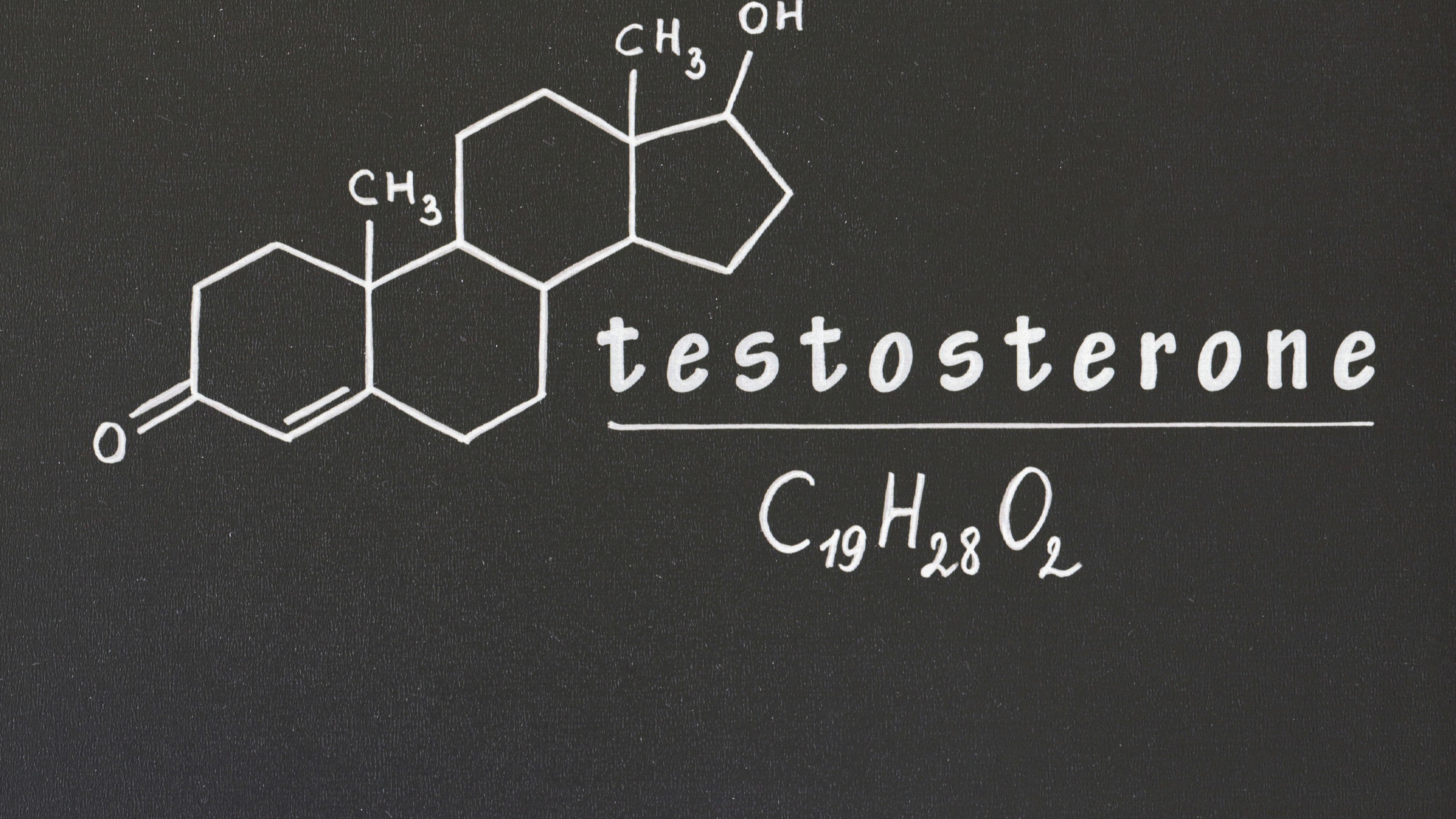
Testosterone secretion follows a circadian rhythm tightly coupled to sleep architecture. The largest pulse of testosterone release occurs during sleep, specifically during the early nocturnal sleep period when slow-wave sleep (SWS) dominates. LH (luteinizing hormone) pulses from the pituitary drive this release, and LH pulsatility is maximized during sleep – particularly during the first few sleep cycles.
When sleep is cut short, two things happen simultaneously. First, you truncate the window during which those LH pulses occur, reducing the total hormonal stimulus to the testes. Second, cortisol – which rises in direct proportion to sleep deprivation – acts as a direct antagonist to testosterone synthesis. Cortisol suppresses GnRH release from the hypothalamus, blunts LH pulsatility, and impairs Leydig cell function at the testicular level. The result is a suppression that operates from the top of the HPG axis down to the production site itself.
What the Research Actually Shows
The most cited study on this question comes from the University of Chicago, published in JAMA in 2011. Ten young, healthy men – average age 24 – were restricted to five hours of sleep per night for eight consecutive days. The result: daytime testosterone levels fell by 10–15% compared to baseline. To put that in clinical context, testosterone typically declines by roughly 1–2% per year after age 30 due to normal aging. Eight days of sleep restriction produced a decline equivalent to 5–15 years of aging.
A 2021 study in Sleep Medicine Reviews synthesized data across multiple sleep restriction protocols and found consistent associations between sleep duration under six hours and lower total and free testosterone, reduced LH pulse amplitude, and elevated cortisol-to-testosterone ratios. The effect was observed across age groups, not just in older men.
The data on REM sleep specifically is also relevant here. Testosterone secretion has been correlated with REM sleep duration – men who spend more time in REM show higher morning testosterone levels. Alcohol, late-night eating, elevated body temperature, and most sedative sleep aids all suppress REM, compounding the effects of short total sleep time.
The Cortisol-Testosterone Ratio: The More Important Number
Total testosterone is a useful marker, but the cortisol-to-testosterone ratio gives you a more accurate picture of your hormonal state under sleep restriction. Even when total testosterone doesn't drop dramatically, a rise in cortisol shifts the catabolic-to-anabolic balance in a direction that blunts muscle protein synthesis, increases fat storage (particularly visceral), and reduces libido and cognitive drive.
Sleep restriction of even one to two hours per night elevates evening cortisol, which is typically the lowest point of the cortisol curve. Elevated evening cortisol means your system doesn't fully downregulate before sleep – which then impairs the quality of the sleep you do get, compounding the suppression in subsequent nights. This is the feedback loop that turns short-term sleep debt into a sustained hormonal suppression pattern.
Secondary Effects That Compound the Hormonal Impact
Testosterone suppression from sleep restriction doesn't operate in isolation. Several downstream effects compound the primary endocrine impact in ways that are worth understanding.
Insulin sensitivity declines. Sleep restriction impairs glucose metabolism independently of diet or activity. Lower insulin sensitivity is associated with lower SHBG dysregulation and altered androgen metabolism. A 2010 study in the Annals of Internal Medicine showed that just four nights of sleep restriction produced insulin resistance comparable to six months of a high-fat diet.
GH secretion is reduced. Growth hormone is released almost exclusively during slow-wave sleep. Cutting SWS short – which happens disproportionately when you truncate total sleep time – reduces the nightly GH pulse that drives tissue repair, fat metabolism, and IGF-1 production. Lower IGF-1 independently correlates with reduced androgen activity and impaired training adaptation.
Testicular temperature may increase. Some evidence suggests that sleep deprivation increases core body temperature at night, which can elevate scrotal temperature. Even modest increases in testicular temperature impair spermatogenesis and may affect steroidogenesis. This mechanism is less established than the HPG-axis suppression pathway but is biologically plausible and worth noting.
The Recovery Window: How Fast Does Testosterone Rebound?
The Chicago study and follow-up research suggest that testosterone levels recover relatively quickly once normal sleep is restored – within days rather than weeks. This is actually a useful finding: the suppression is real and significant, but it's not permanent, and it's not analogous to the structural hypogonadism that develops from other causes.
The more important implication is for chronic sleep restriction. Men who consistently sleep five to six hours for months or years are not experiencing a temporary dip – they're operating in a sustained state of partial HPG suppression that compounds over time with the other downstream effects described above. The recovery data from acute restriction protocols doesn't necessarily apply to someone who has been sleeping five hours a night for two years.
Protocol: Optimizing Sleep for Testosterone
The following protocol is structured around the variables with the strongest evidence base for improving both sleep duration and sleep quality in the context of testosterone optimization.
Target sleep window. Seven to nine hours of total sleep opportunity, with consistent sleep and wake times. Consistency of sleep timing matters – irregular sleep schedules disrupt circadian LH pulsatility even when total sleep hours are adequate. Set your wake time first and work backward.
Temperature management. Core body temperature needs to drop approximately 1–3°F to initiate sleep and sustain deep SWS. Keep bedroom temperature between 65–68°F. A hot shower or bath 60–90 minutes before bed accelerates peripheral vasodilation, speeding the core temperature drop. Avoid intense training within three hours of sleep.
Light management. Morning sunlight exposure (10–20 minutes within 30 minutes of waking) anchors the circadian clock and ensures appropriately timed melatonin onset at night. Eliminate blue light exposure from screens for 60–90 minutes before bed, or use blue-light-blocking glasses if that's impractical. Bright overhead lighting in the evening delays sleep onset and blunts natural melatonin rise.
Alcohol and late eating. Both suppress REM sleep measurably. Alcohol is particularly damaging – even modest amounts (two drinks) fragment sleep architecture and can reduce REM duration by 20–25% in the first half of the night. If sleep quality is the priority, alcohol on training days or nights before important performance windows is a poor trade. Finish eating at least two to three hours before bed to prevent core temperature elevation and digestive interference with sleep onset.
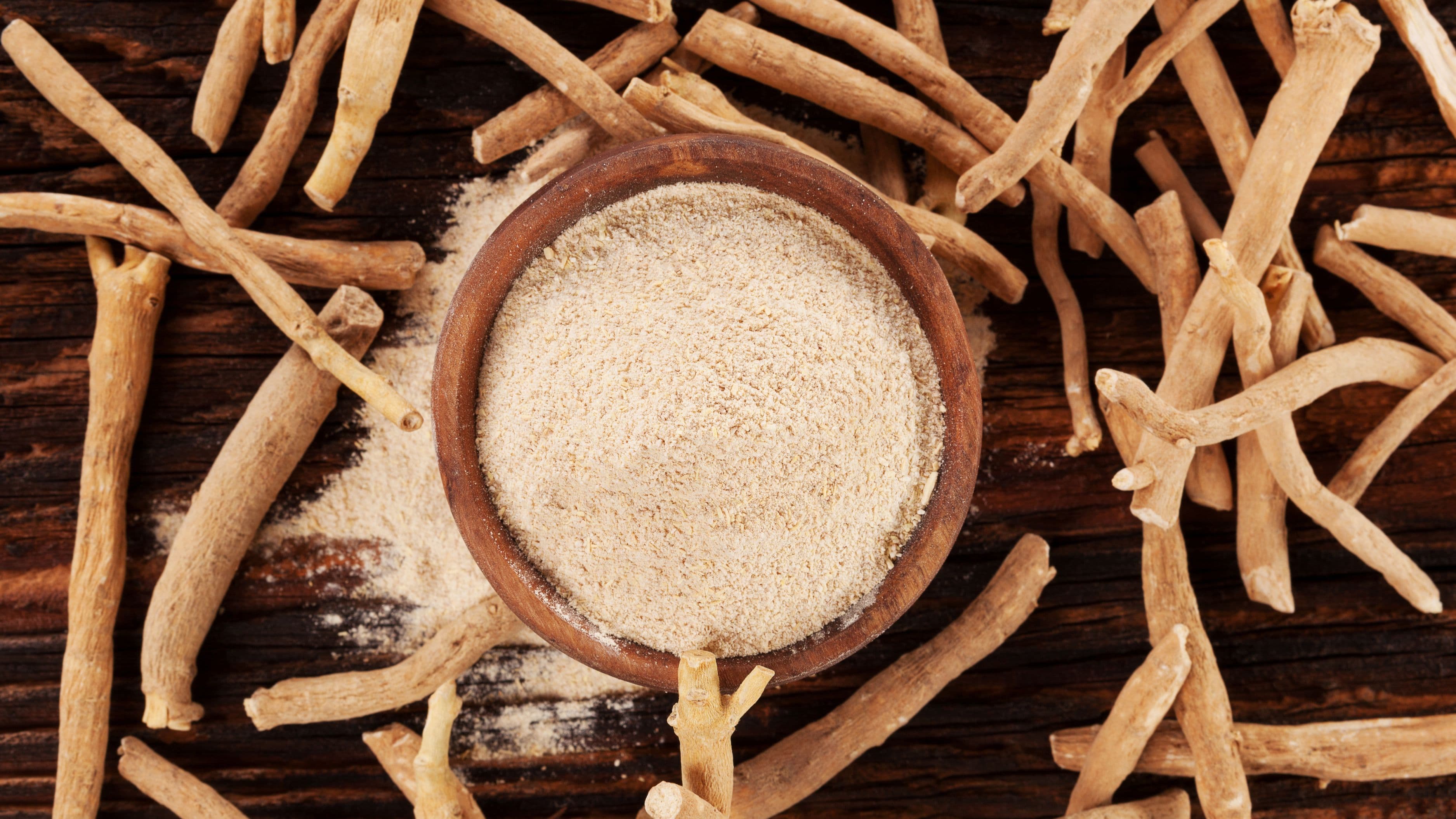
Supplementation. The evidence base for sleep-specific supplementation is narrower than marketed, but a few compounds have reasonable data behind them. Magnesium glycinate (300–400mg) improves sleep quality, particularly slow-wave sleep, in men with low dietary magnesium – which is a majority of the population given current intake patterns. Ashwagandha (KSM-66, 300–600mg) has shown reductions in cortisol and improvements in self-reported sleep quality across several RCTs. Apigenin (50mg) has shown mild sedative effects through GABA receptor modulation with a cleaner safety profile than pharmaceutical sleep aids. Avoid melatonin at high doses (above 0.3–1mg) for routine use – supraphysiological melatonin doses can suppress the natural LH pulsatility you're trying to protect.
Training timing. Morning training generally produces more favorable cortisol dynamics for sleep than late-evening training, particularly high-intensity work. If evening training is unavoidable, finish at least three hours before sleep and consider a cold shower afterward to accelerate the core temperature drop.
What Won't Fix This
Training harder doesn't compensate for chronically suppressed testosterone from sleep restriction. Neither does increasing dietary fat or cholesterol, which are upstream precursors to testosterone synthesis but don't override HPG axis suppression. Zinc and vitamin D supplementation support testosterone production at the enzymatic level but operate on a background of normal hormonal signaling – they're not meaningful interventions for sleep-deprivation-induced suppression.
If you're using exogenous testosterone or SARM protocols while chronically under-sleeping, you're managing a hormonal state that you're actively suppressing through behavior. The pharmacology doesn't erase the cortisol burden, the impaired insulin sensitivity, or the degraded sleep architecture that short sleep produces.
FAQ
Is five hours of sleep with high sleep quality better than seven hours of lower quality? No – not for testosterone. Total sleep time determines the duration of LH pulsatility during sleep, which is not compensated for by improved sleep quality in fewer hours. Quality matters for SWS and REM depth, but it doesn't substitute for adequate duration. Both are required.
Does napping compensate for short nighttime sleep? Partially. A 20–30 minute nap reduces cortisol and partially restores alertness, but it does not replicate the hormonal secretion patterns of consolidated nocturnal sleep. It's a damage-reduction strategy, not a substitute.
How quickly does testosterone drop after sleep restriction begins? The Chicago study saw measurable daytime testosterone declines after approximately one week of five-hour nights. Acute single-night restriction produces cortisol elevation and transient LH blunting but may not show significant testosterone changes in a single measurement. The suppression is cumulative and becomes more pronounced with repeated exposure.
Do older men experience more severe testosterone suppression from sleep restriction? The research suggests yes – older men have less hormonal reserve and less robust LH pulsatility at baseline, making them more sensitive to the suppressive effects of sleep restriction. The relative decline may be similar, but the absolute impact on already-lower testosterone levels is more clinically significant.
Should I get my testosterone tested if I've been chronically under-sleeping? Yes, if you want an accurate baseline. Testing during a period of chronic sleep restriction gives you a suppressed reading that doesn't reflect your true hormonal potential. Restore consistent sleep for two to four weeks before testing, and test in the morning (7–10am) when testosterone peaks.
📚 Sources
Leproult R, Van Cauter E. Effect of 1 week of sleep restriction on testosterone levels in young healthy men. JAMA. 2011: https://jamanetwork.com/journals/jama/fullarticle/1029127
Luboshitzky R, et al. Disruption of the nocturnal testosterone rhythm by sleep fragmentation in normal men. J Clin Endocrinol Metab. 2001: https://academic.oup.com/jcem/article/86/3/1134/2847067
Schmid SM, et al. Sleep restriction and sleep deprivation – effects on metabolism and neuroendocrine function. Sleep Medicine Reviews. 2021: https://www.sciencedirect.com/science/journal/10870792
Spiegel K, et al. Effects of poor and short sleep on glucose metabolism and obesity risk. Nat Rev Endocrinol. 2009: https://www.nature.com/articles/nrendo.2009.23
Tasali E, et al. Slow-wave sleep and the risk of type 2 diabetes in humans. PNAS. 2008: https://www.pnas.org/doi/10.1073/pnas.0706446105
Besedovsky L, et al. Sleep and immune function. Pflugers Arch. 2012: https://link.springer.com/article/10.1007/s00424-011-1044-0
Walker M. Why We Sleep. Scribner, 2017 – sleep architecture and hormonal secretion: https://www.simonandschuster.com/books/Why-We-Sleep/Matthew-Walker/9781501144325