
What a Sleep Cave Setup Actually Involves
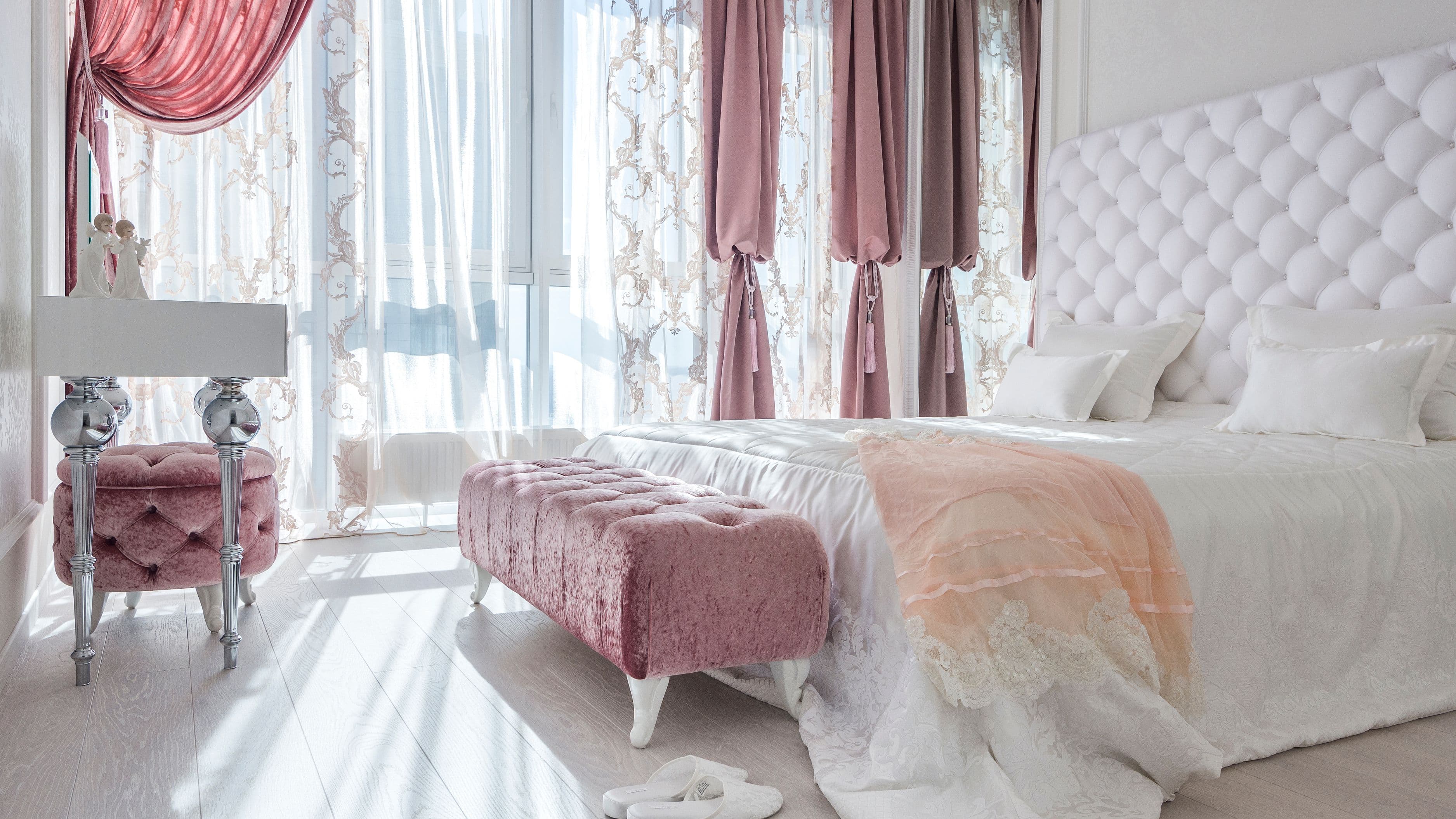
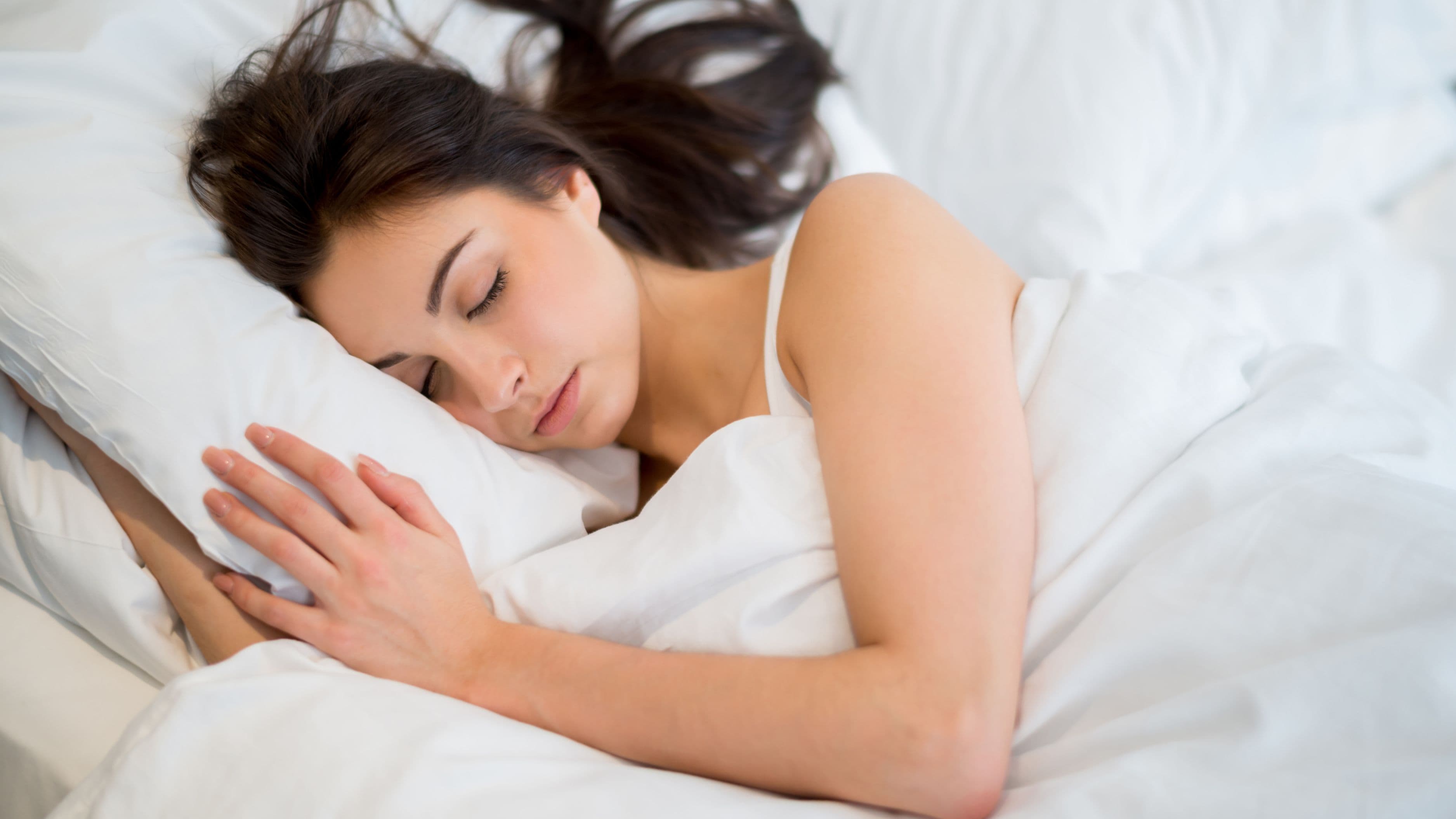
A true sleep cave strips the bedroom down to a single function: sleep. That means eliminating light pollution through full blackout coverage, controlling temperature within a narrow optimal range, minimizing noise or masking it consistently, and removing environmental stimulation like screens, clocks, and clutter that keep the brain subtly alert. The goal is engineering an environment where your body has as few reasons as possible to stay in a lightly activated state.
The Mechanism: Why Darkness and Temperature Matter
Your circadian rhythm runs on light exposure as its primary signal. Even small amounts of ambient light at night, streetlight through a curtain gap, a standby LED on electronics, suppress melatonin production and delay the onset of deep sleep stages. Full blackout conditions remove this interference entirely, allowing melatonin release to follow its natural curve uninterrupted. Temperature works through a related but separate mechanism: your core body temperature needs to drop by roughly two degrees Fahrenheit to initiate and maintain deep sleep. A room held between 65 and 68 degrees supports this natural cooling process, while a warmer room forces your body to fight against its own sleep architecture.
What the Research Shows
Sleep lab studies consistently link both light exposure and ambient temperature to measurable changes in sleep architecture, specifically time spent in slow-wave and REM sleep stages, which are the stages most associated with physical recovery and cognitive consolidation. Controlled studies on blackout conditions show measurable increases in melatonin onset speed and reduced nighttime awakenings compared to rooms with even moderate light leakage. Temperature research shows a similarly consistent pattern, with sleep efficiency dropping notably in rooms held above 75 degrees regardless of other conditions being optimized.
Where the Evidence Gets Weaker
Not every element commonly marketed as part of a "sleep cave" setup has the same level of supporting evidence. Specialty cooling mattresses and grounding sheets, for example, have far less rigorous research behind their specific claims compared to the well-established basics of darkness and temperature control. White noise machines show mixed results depending on the individual and the type of noise used, some people sleep measurably better with consistent masking sound, while others show no meaningful change or even mild sleep disruption from added auditory stimulation.
Building an Effective Setup Without Overspending
The highest-impact, lowest-cost interventions are blackout curtains or a quality sleep mask, and a programmable thermostat or simple fan setup to hold consistent nighttime temperature. These two changes alone address the two mechanisms with the strongest research support. Beyond that baseline, additions like white noise machines, weighted blankets, or specialty bedding should be treated as secondary experiments, worth testing individually to see if they produce a measurable personal benefit rather than assumed as universally necessary.
How to Measure Whether It's Actually Working
Subjective "I feel like I slept better" reports are unreliable on their own, so track something more concrete. A basic sleep tracking wearable that measures time in deep and REM sleep, combined with a simple sleep quality rating each morning, gives you real data to compare before and after implementing changes. Run each new variable, darkness first, then temperature, then any additional element, for at least a week before drawing conclusions, since night-to-night variation is normal and a single good or bad night doesn't confirm or disprove an intervention.
Expected Timeline and Realistic Results
Full blackout and consistent temperature control typically produce noticeable improvements within the first week for most people, particularly in sleep onset speed and reduced nighttime waking. More subtle metrics, like total percentage of deep sleep, may take two to three weeks of consistent conditions to show a clear, stable trend rather than night-to-night noise. This isn't an overnight fix for chronic sleep issues rooted in stress, medical conditions, or irregular schedules, environmental optimization addresses one variable among several that influence sleep quality.
Risks and Mistakes to Avoid
Over-optimizing temperature into an uncomfortably cold room can backfire, since shivering and discomfort disrupt sleep just as effectively as heat does. Relying entirely on a wearable's sleep stage data without also tracking how you actually feel can lead you to chase marginal metric improvements at the expense of practical comfort. And it's worth flagging clearly: persistent sleep problems that don't improve with environmental changes may indicate an underlying issue like sleep apnea or insomnia disorder, which environmental tweaks alone won't resolve. If you're dealing with ongoing sleep difficulty, talk to a physician before assuming a hardware fix will solve it.
FAQ
Do I need to spend a lot of money to build an effective sleep cave? No. Blackout curtains and temperature control cover the majority of the measurable benefit, and both are relatively inexpensive compared to specialty sleep gear.
Is a completely silent room better than one with white noise? It depends on the individual. Test both conditions for a week each using a sleep tracker and see which produces better objective results for you specifically, rather than assuming one approach is universally superior.
Can environmental changes alone fix chronic insomnia? Environmental optimization helps but usually isn't sufficient on its own for diagnosed insomnia or other sleep disorders. Speak with a physician or sleep specialist if sleep problems persist despite consistent environmental improvements.
📚 Sources
National Sleep Foundation – The Ideal Bedroom Temperature for Sleep: https://www.thensf.org/
National Institutes of Health – Light Exposure and Circadian Rhythm Research: https://www.nichd.nih.gov/