
What Sleep Architecture Actually Means
Sleep isn't a single uniform state – it cycles through distinct stages roughly every 90 minutes across the night: light sleep, deep (slow-wave) sleep, and REM sleep, each serving different physiological functions. Deep sleep is heavily associated with physical recovery, growth hormone release, and immune function. REM sleep is tied to cognitive processing, memory consolidation, and emotional regulation. A full night typically cycles through this sequence four to six times, with deep sleep concentrated earlier in the night and REM proportionally increasing toward morning.
Understanding your own architecture means understanding not just total sleep time, but how that time is distributed across these stages, and how consistently that distribution holds night to night.
What Wearables Actually Measure vs. What They Estimate
This distinction matters more than most marketing copy admits. Consumer devices – rings, watches, and dedicated sleep trackers – directly measure a limited set of physiological signals: heart rate, heart rate variability, movement, and in some devices, blood oxygen and skin temperature. From these inputs, the device runs an algorithm to estimate which sleep stage you're likely in at any given moment.
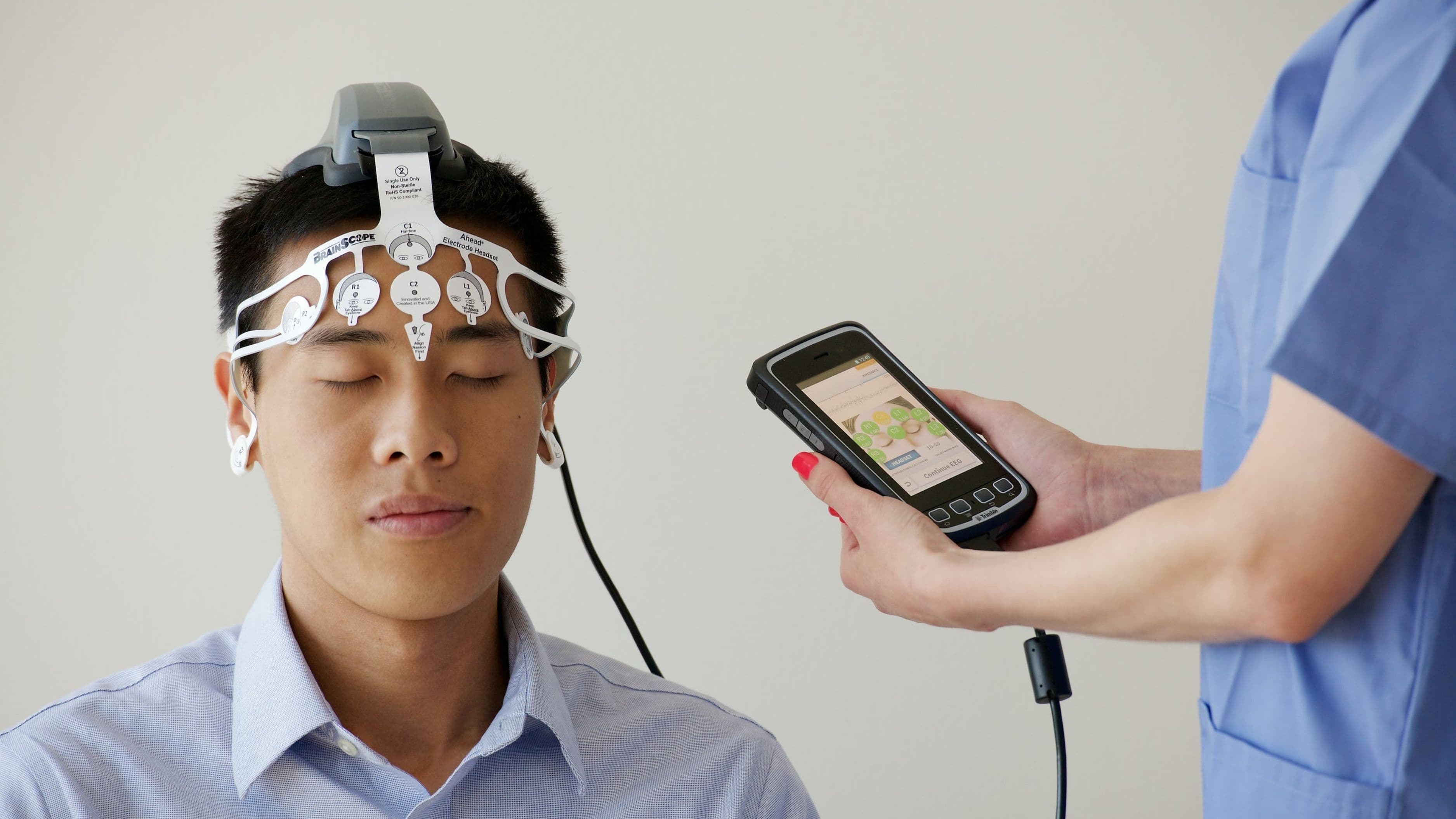
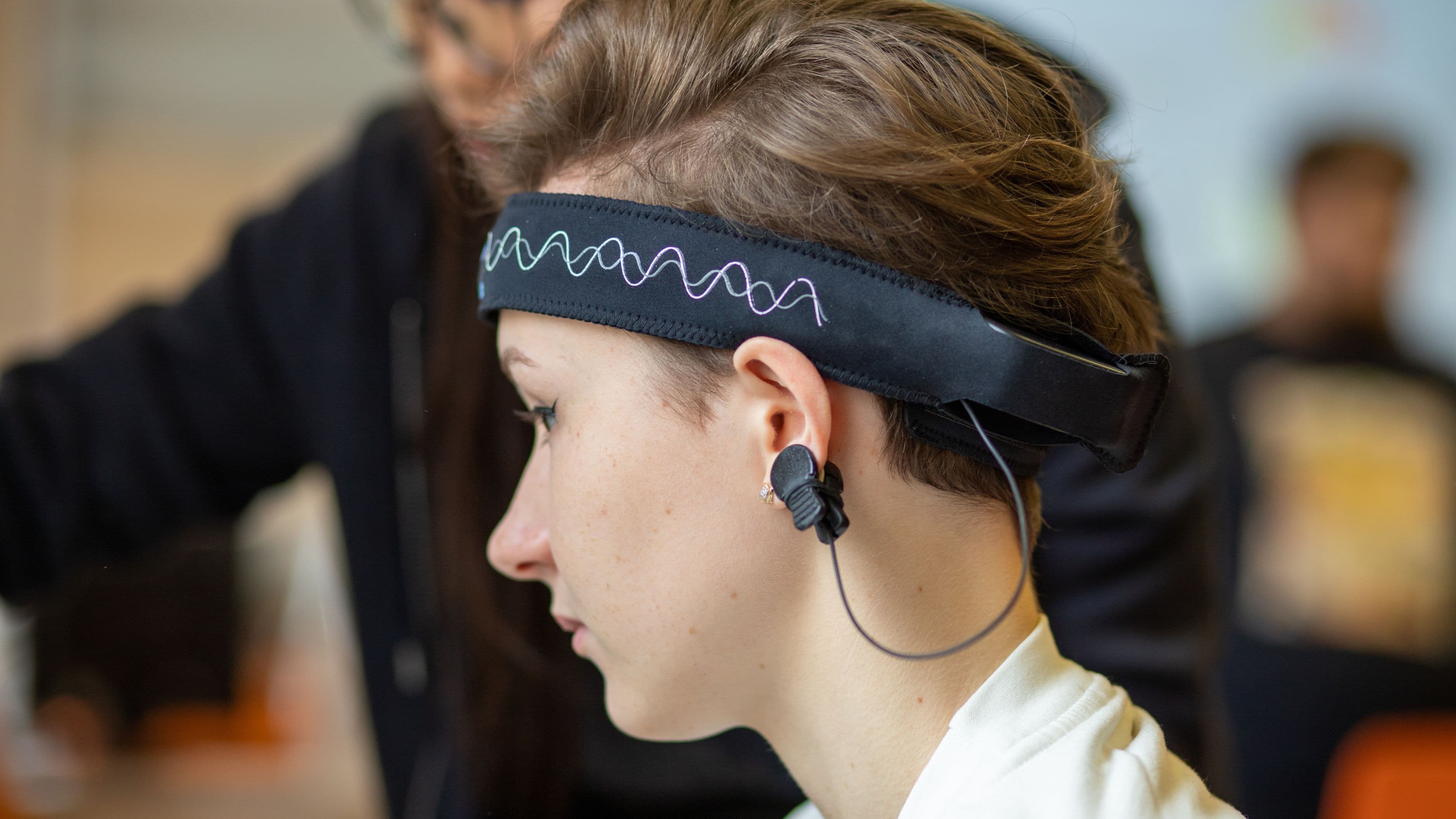
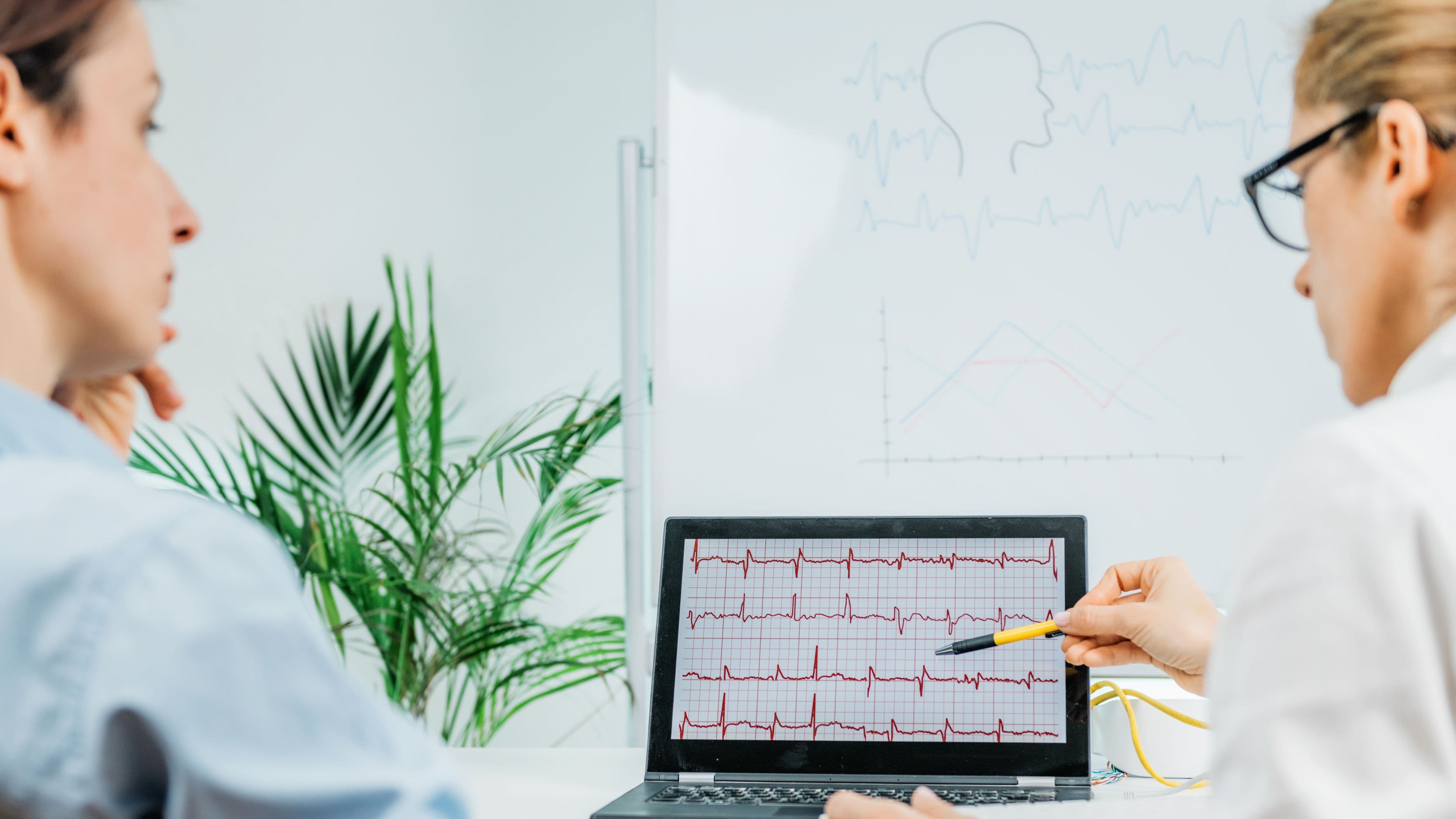
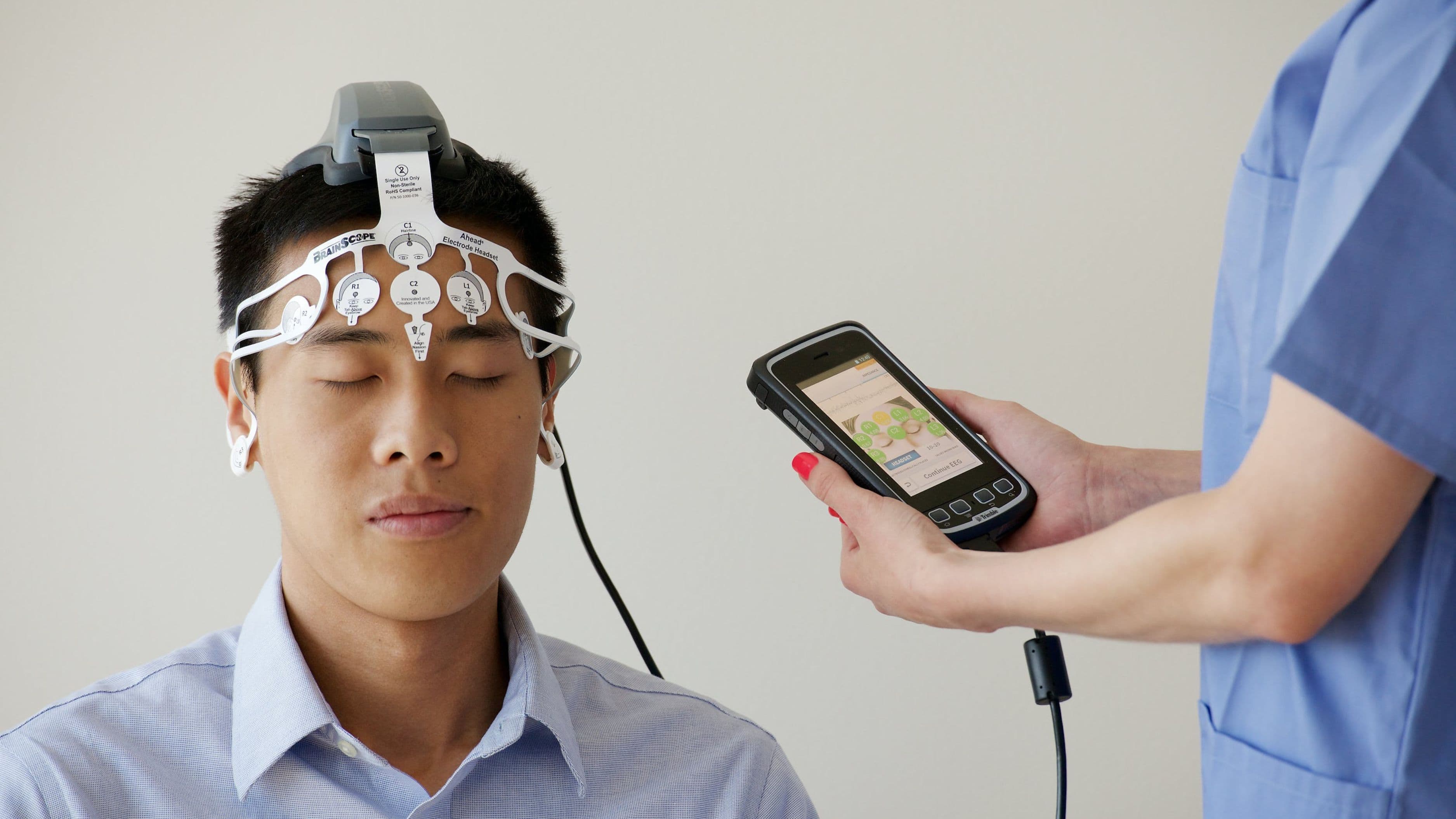
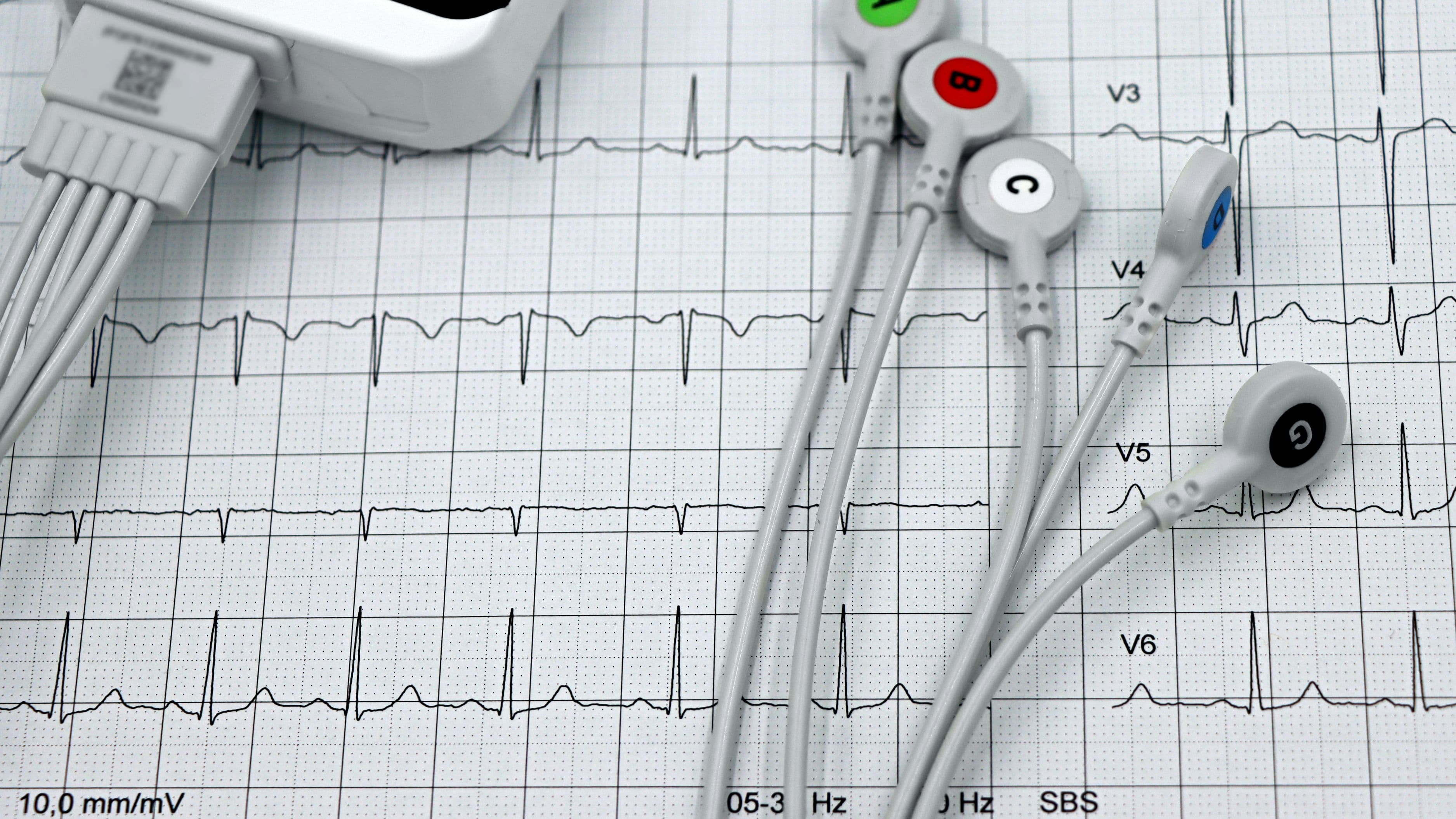
This is fundamentally different from clinical polysomnography, which directly measures brain activity via EEG, along with eye movement and muscle activity, to determine sleep stage with much higher precision. Consumer wearables are inferring stage from indirect proxies, which means their stage-by-stage accuracy – particularly distinguishing REM from light sleep – is meaningfully lower than clinical equipment, even from the better-performing devices on the market.
Where Consumer Data Is Reliable
Total sleep time and overall sleep efficiency (the percentage of time in bed actually spent asleep) tend to be reasonably accurate across most modern wearables, since these rely more heavily on movement and heart rate patterns that are easier to detect reliably. Night-to-night trends – is your total sleep time trending down, is your resting heart rate during sleep elevated compared to your baseline – are also more trustworthy than any single night's absolute stage breakdown, because trend data averages out some of the noise inherent in any individual estimate.
Where to Be Skeptical
Precise minute-by-minute stage classification, especially distinguishing REM from light sleep, carries meaningfully more error than most people assume when looking at a polished app dashboard. Don't treat a specific number – "you got 47 minutes of REM last night" – as clinically precise. Treat it as a directional estimate, useful for spotting patterns over weeks, not as a precise clinical measurement of any single night.
How to Actually Use This Data for Something Useful
The real value of tracking sleep architecture over time isn't obsessing over a single night's numbers – it's identifying what consistently correlates with your best and worst sleep. Look for patterns across multiple weeks: does elevated resting heart rate the night after alcohol consistently coincide with reduced deep sleep in your own data. Does a late, heavy meal correlate with more fragmented sleep. Does a consistent bedtime correlate with a longer stretch of uninterrupted deep sleep earlier in the night.
This kind of self-experimentation, tracked over enough nights to see a real pattern rather than random noise, is where wearable sleep data earns its keep – not in any single night's stage percentages, but in the trends that emerge from weeks of consistent tracking against specific variables you're deliberately testing.
What Actually Moves the Needle on Sleep Architecture
Consistent sleep and wake times, even on weekends, are one of the most reliably supported factors in maintaining stable, well-distributed sleep architecture. Alcohol close to bedtime consistently suppresses REM sleep in research, even when total sleep time looks unaffected. Room temperature, light exposure before bed, and late caffeine intake all show consistent, well-supported effects on both total sleep time and the distribution of deep sleep specifically.
Realistic Expectations
Consumer sleep tracking gives you directionally useful information, not clinical-grade precision. It's genuinely valuable for spotting patterns and testing specific interventions in your own routine over time, and far less valuable as a precise nightly scorecard. If your tracker consistently shows signs of significant sleep disruption – frequent awakenings, unusually low deep sleep across many consistent nights, or symptoms like persistent daytime fatigue despite adequate time in bed – that's a signal worth bringing to a physician, potentially for a referral to a formal sleep study, rather than something to try to self-diagnose or self-treat based on wearable data alone.
What to Avoid
Don't make major health decisions based on a single night's stage data from a consumer device – the error margin on any individual night is too high for that level of confidence. Avoid comparing your raw numbers directly to someone else's, since age, sex, and individual physiology create wide normal variation in sleep architecture that makes direct comparison largely meaningless.
If you're experiencing symptoms suggestive of a sleep disorder – loud snoring with pauses in breathing, excessive daytime sleepiness despite adequate time in bed, or persistently poor sleep quality that wearable-based interventions aren't improving – consult a physician rather than relying on consumer tracking to rule out or diagnose a medical condition.
FAQ
Which consumer wearable is most accurate for sleep tracking? Accuracy varies by device and is an active area of ongoing validation research; independent studies comparing wearables to clinical polysomnography are the most reliable source, rather than manufacturer marketing claims alone.
Should I get a formal sleep study if my wearable shows poor sleep architecture? If poor architecture is a persistent pattern over weeks, paired with symptoms like daytime fatigue, that's a reasonable conversation to have with a physician, who can determine whether a formal study is warranted.
Can I improve my deep sleep percentage directly? Not through direct manipulation, but the supporting factors – consistent schedule, avoiding alcohol close to bedtime, and a cool, dark sleep environment – all show a reliable relationship with better deep sleep in research.
Consumer sleep tracking is a genuinely useful tool for a disciplined self-experimenter, but it's a trend-spotting instrument, not a diagnostic one. Use it to test specific variables in your own routine over weeks, and bring persistent red flags to a physician rather than trying to interpret them alone.
📚 Sources
Sleep Foundation: How Accurate Are Sleep Trackers – https://www.sleepfoundation.org/sleep-technology/how-accurate-are-sleep-trackers
National Institutes of Health: Sleep Stages and Cycles – https://www.nhlbi.nih.gov/health/sleep/stages-of-sleep
Journal of Clinical Sleep Medicine: Consumer Sleep Technology Validation – https://jcsm.aasm.org/