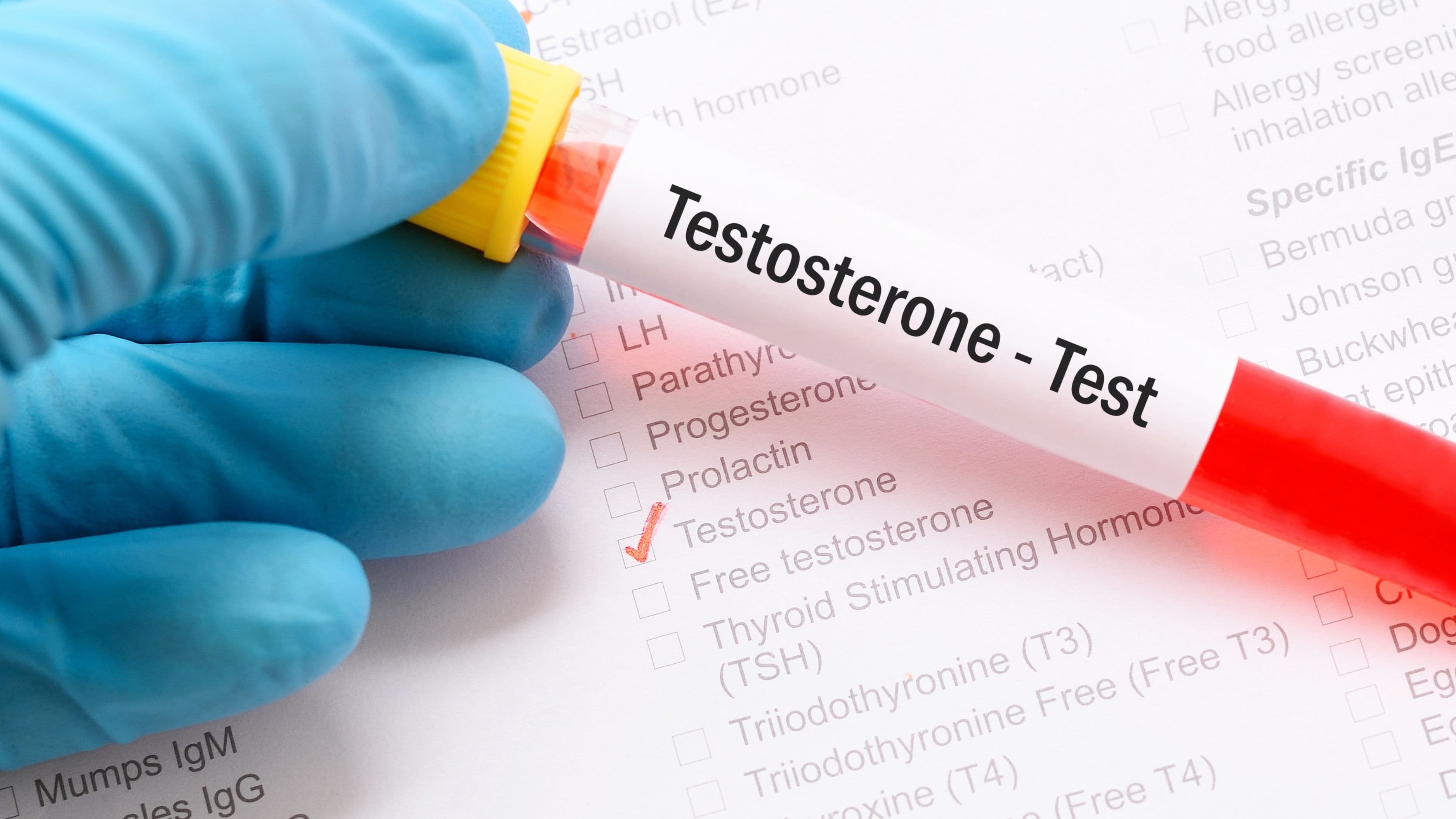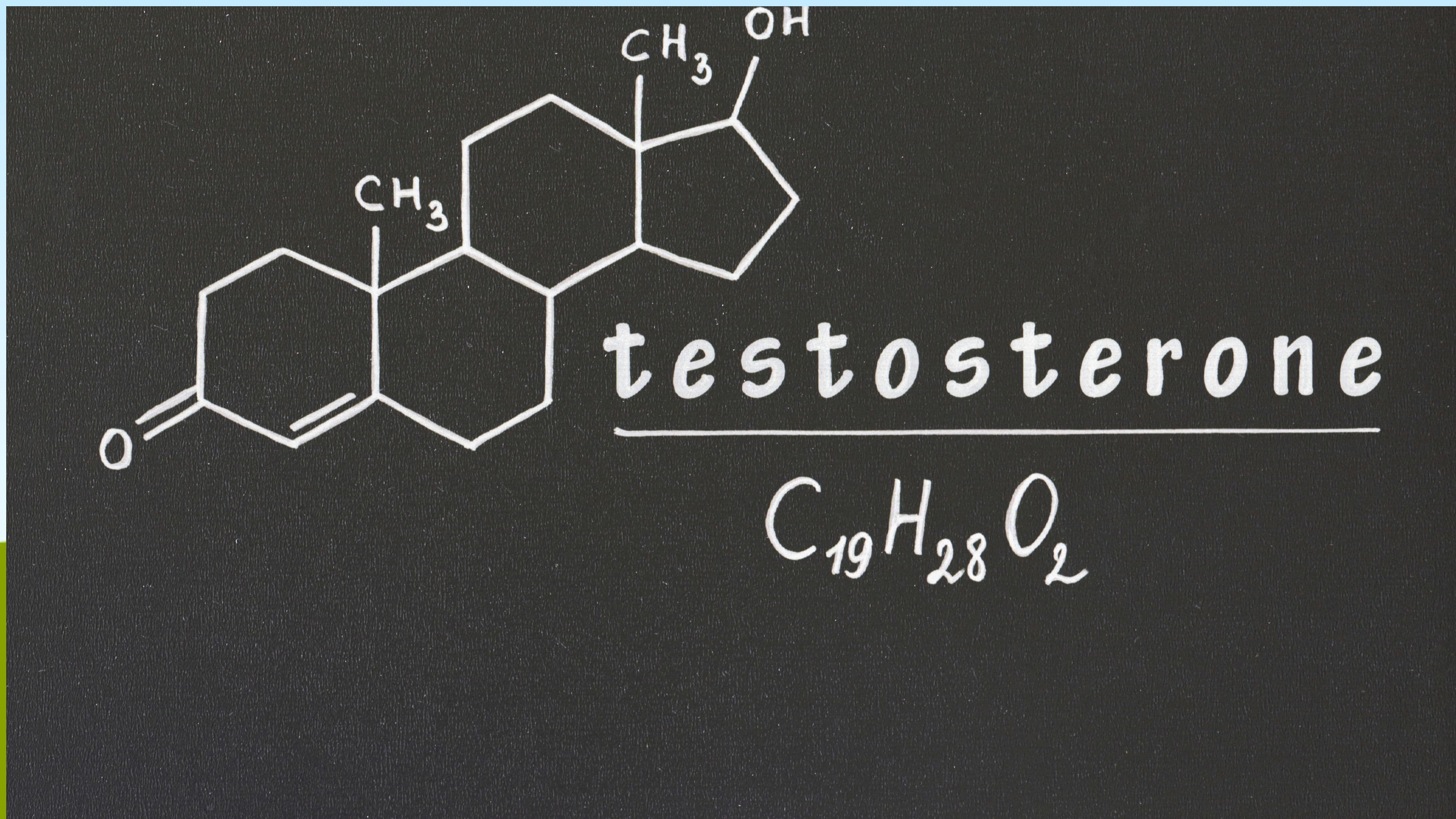



TRT will solve the problem by flooding the system with enough exogenous testosterone to raise free T despite high SHBG. But TRT comes with trade-offs: HPG axis suppression, fertility impacts, long-term endocrine dependence, and a commitment to managing injections, protocols, and follow-up labs indefinitely. For men who aren't yet candidates for TRT, or who want to optimize their natural hormonal environment before taking that step, there are evidence-backed interventions that meaningfully lower SHBG and improve free testosterone availability.
This is the protocol.
Understanding the Mechanism First
SHBG is a glycoprotein synthesized primarily in the liver. Its production is regulated by several inputs, most of which are modifiable. Insulin suppresses SHBG transcription – this is one of the most robust and well-replicated relationships in the endocrine literature. Thyroid hormone (specifically T4/T3) stimulates SHBG production. Androgens, including testosterone and DHT, directly suppress SHBG synthesis. Estrogen increases it. Inflammatory cytokines generally suppress it. IGF-1, produced in response to growth hormone and protein intake, also downregulates SHBG.
This gives you a clear map of intervention targets: improve insulin sensitivity, optimize thyroid function, ensure adequate androgen-to-estrogen ratio, reduce systemic inflammation, and support IGF-1 through nutrition and training. None of these are speculative – each has a documented mechanistic pathway and varying levels of clinical evidence supporting the SHBG effect.
The Protocol
1. Prioritize Resistance Training – Specifically Heavy Compound Lifts
Resistance training lowers SHBG through multiple pathways: it acutely elevates free testosterone and DHT (both of which suppress SHBG at the hepatic level), improves insulin sensitivity, and drives IGF-1 production. The effect is most pronounced with compound, high-load movements – squats, deadlifts, bench press, rows – performed at 75–90% of 1RM with adequate volume.
The evidence is consistent: sedentary men have higher SHBG than trained men, and introducing resistance training in previously untrained individuals produces measurable SHBG reductions over 8–16 weeks. Endurance training in isolation has a weaker effect and can in some cases elevate cortisol sufficiently to complicate the hormonal picture. Prioritize heavy resistance training as the primary training modality if SHBG reduction is a goal.
2. Optimize Carbohydrate Intake Around Training
Because insulin is the most potent endogenous suppressor of SHBG synthesis, strategic carbohydrate intake – particularly around training – is a direct lever. This doesn't mean adopting a high-carb diet across the board. It means timing carbohydrate intake to maximize insulin response during the window when it's most productive: pre- and post-training.
Men who are significantly carbohydrate-restricted for extended periods – aggressive ketogenic protocols held long-term – often see SHBG climb, sometimes substantially. This is a consistent finding in the clinical literature on low-carbohydrate diets and makes mechanistic sense given insulin's regulatory role. A moderate carbohydrate approach (100–200g/day, primarily around training) generally supports better SHBG levels than chronic very-low-carb without sacrificing body composition gains.
3. Increase Dietary Protein – Target IGF-1 Production
Dietary protein drives hepatic IGF-1 production, and IGF-1 directly downregulates SHBG at the liver. Research supports a target of 1.6–2.2g of protein per kilogram of bodyweight for training men, both for muscle protein synthesis and for supporting the IGF-1/SHBG axis. Animal-sourced proteins – red meat in particular – tend to produce stronger IGF-1 responses than plant proteins, which is relevant context for men specifically focused on hormonal optimization.
Protein intake also supports lean mass directly, and greater lean mass correlates with lower SHBG and higher free testosterone in a well-documented bidirectional relationship. Building and maintaining muscle is one of the most durable long-term strategies for keeping SHBG in check as you age.
4. Correct Micronutrient Deficiencies – Zinc, Magnesium, Vitamin D
Zinc deficiency is directly associated with elevated SHBG. Zinc has a well-established role in androgen metabolism, and its deficiency impairs the normal androgen-mediated suppression of SHBG production. Supplementing zinc in men who are deficient – which is common in athletes due to sweat losses – reliably reduces SHBG and supports free testosterone. The relevant dose range is 15–30mg/day of elemental zinc, preferably in bisglycinate or picolinate form for absorption. Avoid exceeding 40mg/day long-term without monitoring, as high zinc intake competes with copper absorption.
Magnesium deficiency correlates with elevated SHBG as well. A 2011 randomized controlled trial found that magnesium supplementation increased both free and total testosterone in sedentary men and athletes, with the free testosterone effect partly attributable to reduced SHBG binding. Target 300–400mg/day of magnesium glycinate or threonate.
Vitamin D operates as a steroid hormone and has direct regulatory effects on testosterone metabolism and SHBG. Observational data consistently shows an inverse relationship between 25(OH)D levels and SHBG. Supplementing vitamin D3 in deficient men (serum 25(OH)D below 30 ng/mL) produces measurable improvements in testosterone parameters. Target serum levels of 50–80 ng/mL; most men require 3,000–6,000 IU/day to reach and maintain this range, though individual variation is significant. Test, don't guess.
5. Reduce Alcohol Intake
Alcohol is a significant and dose-dependent driver of SHBG elevation. Ethanol metabolism in the liver increases SHBG gene expression through several pathways, and regular alcohol consumption – even moderate levels in sensitive individuals – can meaningfully raise SHBG and reduce free testosterone. This is not about abstinence necessarily, but about recognizing that "a few drinks several nights a week" produces a chronic endocrine environment that works directly against SHBG optimization.
If you're serious about your free testosterone, reducing alcohol to infrequent and low-volume consumption is one of the highest-leverage single behavioral changes available. The hepatic recovery from habitual alcohol and its effect on SHBG normalization occurs over weeks to months of sustained reduction.
6. Optimize Thyroid Function
Thyroid hormones – specifically T4 and its active conversion product T3 – are direct upregulators of SHBG hepatic synthesis. Subclinical hypothyroidism, or even low-normal thyroid function, is therefore a meaningful contributor to elevated SHBG that most hormone panels don't flag because TSH remains within reference range.
If you have elevated SHBG without an obvious metabolic explanation, request a full thyroid panel: TSH, free T4, free T3, and reverse T3. Low-normal free T3 in the presence of elevated SHBG warrants investigation and potential optimization, either through dietary iodine and selenium support (which supports conversion of T4 to T3), or – if deficiency is confirmed – clinical management. This is a legitimate and underappreciated pathway that belongs in any thorough SHBG optimization protocol.
7. Manage Cortisol and Systemic Inflammation
Chronically elevated cortisol from psychological stress, overtraining, or sleep deprivation doesn't directly raise SHBG, but it suppresses total testosterone production and disrupts the androgen-to-SHBG ratio. Elevated inflammatory markers – CRP, IL-6 – suppress hepatic SHBG production in the acute phase response, but chronic low-grade inflammation creates a broader hormonal dysregulation that impairs optimal function throughout the HPG axis.
Sleep is the highest-leverage cortisol management tool available. Testosterone secretion is tightly coupled to sleep quality and duration – both total testosterone and free testosterone are meaningfully suppressed by even one week of sleep restriction to 5 hours per night. Target 7–9 hours of high-quality sleep with consistent timing. Combined with managing training load to avoid sustained overreaching, this is non-negotiable infrastructure for any serious hormonal optimization effort.
Expected Results and Timeline
Realistic expectations: meaningful SHBG changes from lifestyle and nutritional interventions occur over 8–16 weeks of consistent application. You're not going to shift SHBG by 20 nmol/L in a month. But men who address multiple inputs simultaneously – training, protein, carbohydrate timing, micronutrients, alcohol, sleep – can realistically see SHBG fall 10–20 nmol/L over 3–4 months, which translates to a clinically meaningful improvement in free testosterone even with no change in total T.
Track your progress by retesting a full panel – total T, SHBG, free T (calculated), albumin, and estradiol – at 12–16 weeks from baseline. Compare under identical conditions: same time of day (morning), similar recent training load, fasted. Absolute numbers matter less than directional change tracked consistently over time.
What Doesn't Work
Boron is frequently cited in online optimization communities as an SHBG-reducing supplement. The evidence is limited to a small number of studies with modest effect sizes. It's not without merit, but it's not a tier-one intervention. If you've addressed the foundational inputs above and want to add boron (6–10mg/day), there's no significant downside, but don't prioritize it over sleep, training, and protein.
Stinging nettle root is another common recommendation. The proposed mechanism – binding to SHBG and displacing testosterone – is pharmacologically interesting but the human clinical evidence is weak. It may have modest effects in some individuals. Treating it as a primary intervention is not supported by the evidence.
Pharmaceutical SHBG suppression – including compounds like danazol or stanozolol, which are sometimes used off-label specifically to lower SHBG – carries meaningful risks including hepatotoxicity and androgen-related side effects. This is outside the scope of natural optimization and should only be considered under direct physician supervision with clear clinical indication.
FAQ
How low should I aim to get my SHBG? The clinical sweet spot for most men is 20–40 nmol/L. Below 15 nmol/L, very low SHBG is associated with its own complications – reduced DHT availability, altered estrogen metabolism, and associations with metabolic syndrome. SHBG optimization is about bringing an elevated number toward a functional range, not minimizing it.
Will these interventions work if my SHBG is very high – above 70 or 80 nmol/L? Lifestyle interventions have diminishing returns at extreme SHBG elevations. If your SHBG is above 60–70 nmol/L and you're symptomatic, a thorough workup for underlying causes – hyperthyroidism, liver disease, anorexia, significant estrogen exposure – is appropriate before expecting lifestyle changes alone to normalize it. Very high SHBG in otherwise healthy men may ultimately require clinical intervention.
Does TRT automatically lower SHBG? Yes. Exogenous testosterone suppresses SHBG through the same androgen-mediated mechanism as endogenous testosterone, just at higher concentrations. This is part of why TRT raises free testosterone disproportionately relative to the dose – it both increases total T and lowers the binding protein. However, this also means TRT is a systemic intervention with broad downstream effects, not simply an SHBG-reduction tool.
How does body fat percentage affect SHBG? Higher body fat, particularly visceral adiposity, is associated with lower SHBG through insulin resistance and higher estrogen aromatization. However, the relationship is non-linear – men who are mildly overweight but otherwise metabolically healthy may not see major SHBG effects from body fat alone. Reducing body fat while maintaining muscle is still a net positive for the overall hormonal environment, even if SHBG effects are modest in isolation.
📚 Sources
Longcope C et al. – Diet and Sex Hormone-Binding Globulin (Journal of Clinical Endocrinology & Metabolism): https://academic.oup.com/jcem/article/85/1/293/2965524
Hamalainen E et al. – Diet and Serum Sex Hormones in Healthy Men (Journal of Steroid Biochemistry): https://www.sciencedirect.com/science/article/abs/pii/0022473184902354
Cinar V et al. – Effects of Magnesium Supplementation on Testosterone Levels of Athletes and Sedentary Subjects at Rest and after Exhaustion (Biological Trace Element Research): https://link.springer.com/article/10.1007/s12011-010-8676-3
Pilz S et al. – Effect of Vitamin D Supplementation on Testosterone Levels in Men (Hormone and Metabolic Research): https://www.thieme-connect.com/products/ejournals/abstract/10.1055/s-0030-1269854
Leangaard TB & Blix AS – Alcohol Consumption and Sex Hormone Binding Globulin: A Systematic Review (Alcohol and Alcoholism): https://academic.oup.com/alcalc/article/54/3/237/5382765
Rannevik G et al. – A Longitudinal Study of the Perimenopausal Transition – Altered Profiles of Steroid and Pituitary Hormones (Maturitas): https://www.maturitas.org/article/S0378-5122(95)00923-9/abstract
Leproult R & Van Cauter E – Effect of 1 Week of Sleep Restriction on Testosterone Levels in Young Healthy Men (JAMA): https://jamanetwork.com/journals/jama/fullarticle/1029127