
This isn't fringe biohacking. The science behind senescent cell clearance has been building since the early 2010s and is now one of the most active areas of aging research, with multiple compounds in clinical trials and a few readily available options with meaningful supporting data.
What Senescent Cells Are and Why They Accumulate
Cellular senescence is a state in which a cell permanently exits the normal cell cycle — it stops dividing, but it doesn't die. These cells are colloquially called "zombie cells" because they linger in tissues, metabolically active but functionally useless, secreting a toxic cocktail of inflammatory cytokines, proteases, and growth factors collectively known as the senescence-associated secretory phenotype, or SASP.
Senescence is not inherently pathological. It serves important functions: it's a tumor-suppression mechanism (senescent cells are cells that have detected damage significant enough to warrant stopping replication), and it plays a role in wound healing and tissue remodeling. The problem is clearance failure. Young immune systems, primarily via NK cells and macrophages, efficiently identify and eliminate senescent cells before they accumulate to significant levels. With age — and with chronic stress, high-calorie diets, UV exposure, and other stressors — the burden of senescent cells outpaces immune clearance capacity, and they begin to accumulate in tissues.
By the time most men reach their 40s, senescent cell burden in metabolically active tissues — fat, liver, muscle, joints — has become measurably elevated. The SASP these cells secrete creates a persistent, low-grade inflammatory milieu that drives many of the hallmark changes of biological aging: declining testosterone, reduced insulin sensitivity, deteriorating joint integrity, impaired cognitive function, and attenuated muscle repair capacity. The senescent cells aren't just passengers in the aging process — they're active contributors to it.
The Case for Intervention Before 50
The conventional view of senolytic therapy positions it as a late-stage intervention — something relevant when you're already experiencing significant age-related decline. The emerging evidence suggests this framing is wrong, and that the intervention window for meaningful impact may be substantially earlier.
First, senescent cell accumulation isn't linear with age. It tends to accelerate at inflection points: periods of high physiological stress, metabolic disruption, or accumulated DNA damage. Men with high-stress lifestyles, poor sleep history, significant UV exposure, metabolic dysfunction, or high-volume training histories may carry a meaningfully elevated senescent cell burden well before 50. The biological age of your tissues is not the same as your chronological age.
Second, the SASP-driven inflammatory environment has compounding effects over time. Clearing senescent cells at age 40 in a man with elevated burden may produce a more significant improvement in downstream biomarkers than waiting until 55, when the accumulated SASP damage to surrounding tissues is more entrenched. This is analogous to the well-established principle in cardiovascular prevention that earlier intervention produces disproportionately larger benefits.
Third, there's the tissue-specific context. Joints are of particular relevance. Synovial tissue accumulates senescent cells with mechanical stress exposure, and the SASP from these cells directly degrades cartilage matrix. The same applies to skeletal muscle — myofiber senescence contributes to the age-related decline in regenerative capacity that begins measurably in the late 30s and early 40s. Getting ahead of this accumulation preserves the tissue you're training.
The Primary Senolytic Compounds
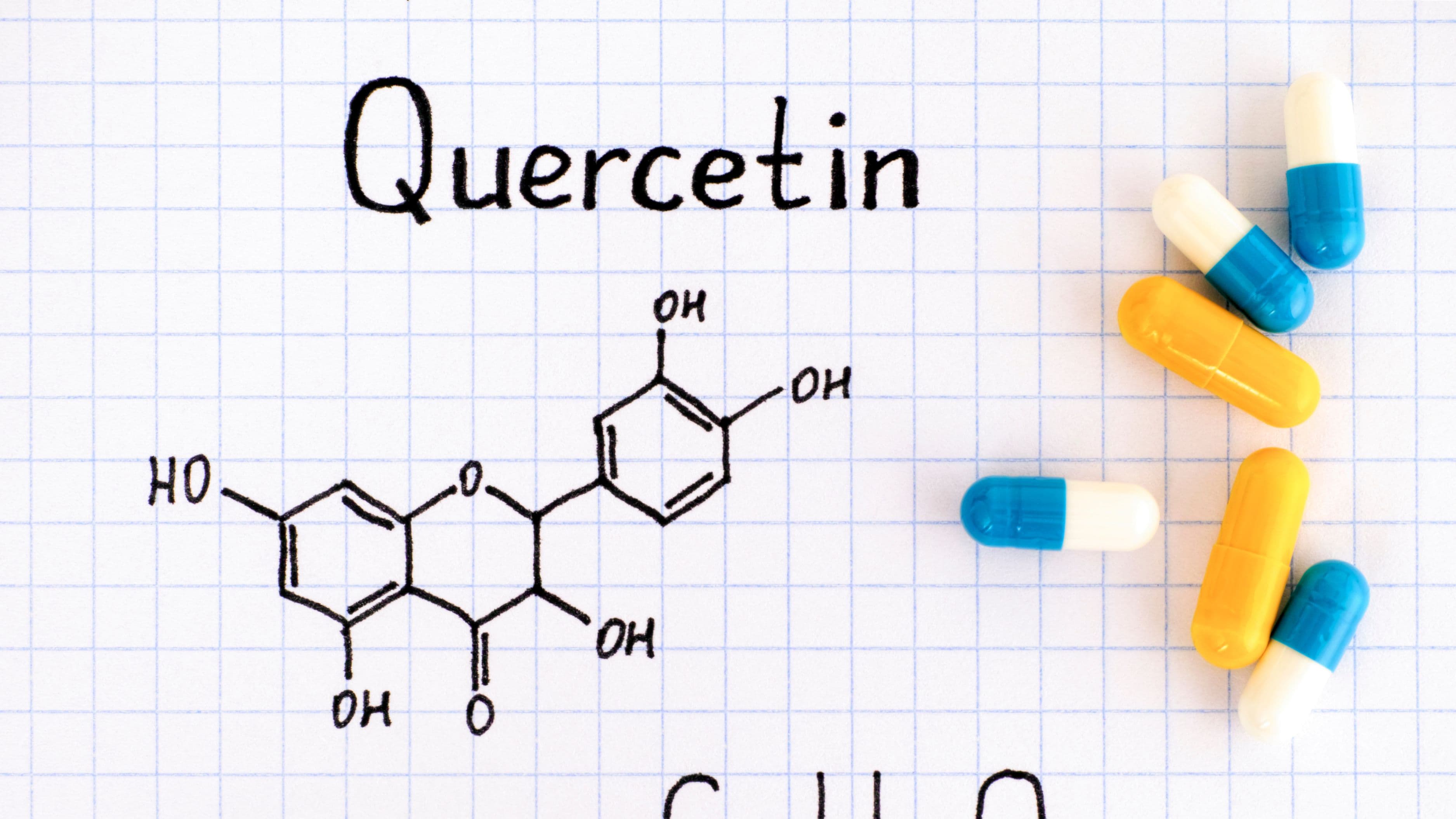
The most studied senolytic strategy to date uses a combination of two compounds: dasatinib and quercetin (D+Q). Dasatinib is a prescription BCR-ABL tyrosine kinase inhibitor originally developed as a chemotherapy agent. Quercetin is a bioflavonoid available over the counter.
The mechanism by which senescent cells resist apoptosis involves upregulation of pro-survival pathways — particularly PI3K/AKT, BCL-2 family proteins, and receptor tyrosine kinase signaling. Dasatinib and quercetin target these survival networks through complementary mechanisms, causing apoptosis in senescent cells while largely sparing normal proliferating cells. They're cleared relatively quickly by the body, which is why the protocol used in research is intermittent (pulse dosing) rather than continuous.
The landmark preclinical work from the Mayo Clinic (Baker et al., 2016, Nature) demonstrated that clearing senescent cells in mice using a genetic model extended median lifespan and healthspan dramatically — delayed multiple age-related pathologies, preserved function, and reduced inflammatory markers. This was the study that moved the field from theoretical to serious.
In human trials, the first clinical senolytic data came from a study in patients with idiopathic pulmonary fibrosis (Kirkland et al., 2019), where D+Q produced measurable reductions in markers of senescent cell burden and improvements in physical function. Subsequent studies have examined D+Q in patients with diabetic kidney disease and Alzheimer's disease risk, consistently demonstrating the ability to reduce senescent cell markers (p16-INK4a, p21, SASP cytokines) in human tissue.
Dasatinib requires a prescription and carries a meaningful side effect profile — pleural effusion, cardiac events, and hepatotoxicity are documented concerns, primarily at the doses and duration used in oncology. The senolytic protocol uses significantly lower doses and intermittent application, which reduces but does not eliminate risk. This is not a compound to self-administer without medical oversight and baseline bloodwork.
Quercetin has a substantially more favorable safety profile. At doses of 500–1000mg, it is well-tolerated, broadly available, and has additional anti-inflammatory and antioxidant activity independent of its senolytic effects. Quercetin's senolytic activity alone — without dasatinib — is considered modest; it is most effective in the combination.
Fisetin: The Over-the-Counter Senolytic With the Most Supporting Data
For men who want to act without navigating prescription pathways, fisetin is the most evidence-supported over-the-counter option.
Fisetin is a polyphenol found in strawberries, apples, and other fruits, though the concentrations in food are far below the doses used therapeutically. In the most widely cited preclinical study (Yousefzadeh et al., 2018, EBioMedicine), fisetin administered to aged mice produced reductions in multiple senescence markers in several tissues, extended median and maximum lifespan, and improved multiple physical function markers — with effects comparable in magnitude to the D+Q studies.
The proposed mechanism overlaps with quercetin: fisetin inhibits pro-survival pathways in senescent cells, particularly via PI3K and MAPK pathway modulation, while having lower toxicity toward normal cells. It also has flavonoid senomorphic properties — meaning it partially suppresses the SASP even in cells it doesn't fully eliminate — which adds a secondary benefit.
Human data on fisetin is limited compared to D+Q, but the preclinical evidence is strong enough and the safety profile is favorable enough that it's become the default OTC senolytic option for performance-focused individuals who can't or don't want to pursue the D+Q protocol.
Working protocol for fisetin: Most practitioners working in the longevity space use a pulse-dosing approach — typically 20mg/kg body weight for 2 consecutive days, repeated every 3–6 months. For an 85kg man, that's approximately 1700mg/day for 2 days, a dose substantially higher than typical quercetin-like supplement use. Bioavailability is a significant consideration: fisetin has poor oral bioavailability in standard capsule form. Taking it with a fat-rich meal substantially improves absorption. Some formulations use liposomal delivery to address this.
Navitoclax and Emerging Compounds
For completeness, navitoclax (ABT-263) is a BCL-2/BCL-XL inhibitor that has shown strong senolytic activity in preclinical models, including hematopoietic stem cell rejuvenation data that is particularly compelling. Its limiting factor is dose-dependent thrombocytopenia — platelet reduction — which has constrained its clinical application. Research into analogs and topical formulations is ongoing.
Piperlongumine, a compound found in long pepper, has shown senolytic activity in several in vitro and animal models. It remains early-stage compared to D+Q and fisetin, but is worth tracking as the field develops.
The broader space of senomorphic compounds — which don't kill senescent cells but suppress SASP activity — includes rapamycin, metformin, and various natural compounds. These are not senolytic in the strict sense but can reduce the inflammatory damage from residual senescent cells.
Biomarkers Worth Tracking
Without measuring senescent cell burden, you're operating blind. Several proxies are available at clinical or consumer lab levels.
p16-INK4a expression in peripheral blood T-cells is the most validated biomarker of senescent cell burden. It's not widely available in standard clinical labs, but several longevity-focused clinics and research protocols include it. SensiPath and similar panels are emerging.
Inflammatory markers: hs-CRP, IL-6, and TNF-α reflect systemic SASP output and are widely available. These aren't specific to senescent cells — multiple drivers elevate them — but persistent low-grade elevation in an otherwise healthy individual warrants investigation.
GDF-15 (growth differentiation factor 15) is an emerging longevity biomarker that reflects cellular stress and is elevated in states of high senescent cell burden. It's increasingly available through advanced panels.
Biological age tests using DNA methylation clocks (Horvath clock, DunedinPACE, TruAge, etc.) capture cumulative cellular aging and are influenced by senescent cell burden, among other factors. These have become more accessible and serve as a useful before/after measurement tool for any longevity intervention.
Protocol Summary
If you're under 50, performance-focused, and want to address senescent cell accumulation, here's the evidence-informed approach.
First: baseline biomarkers. Get hs-CRP, IL-6, GDF-15, and a methylation-based biological age test before starting any senolytic protocol. This gives you a reference point and helps identify whether there's actually a meaningful burden to address.
OTC option (fisetin pulse): 20mg/kg bodyweight for 2 consecutive days, taken with a high-fat meal for absorption. Repeat every 3–6 months. Use a high-quality liposomal formulation or fat-solubilized product. This is the lowest-barrier entry point with meaningful preclinical support.
Prescription option (D+Q): Requires medical supervision, baseline cardiac and liver function labs, and a prescribing physician comfortable with off-label longevity applications. The protocol used in clinical research is typically 100mg dasatinib + 1000mg quercetin for 2 consecutive days, with cycles spaced at 1–6 month intervals depending on context. Not a self-directed protocol.
Stack support: Quercetin (500mg/day ongoing) has independent anti-inflammatory and SASP-suppressing properties that complement intermittent senolytic cycles. Fisetin at lower daily doses (100–200mg) may have senomorphic effects between pulse cycles. Berberine and NMN are often included in longevity stacks for complementary pathway reasons, though their direct senolytic activity is indirect.
Re-test at 3–6 months. Use the same biomarkers from baseline. Changes in hs-CRP, IL-6, and biological age scores will give you the most actionable signal on whether the intervention is moving the relevant variables.
FAQ
Are senolytics safe for men in their 30s and 40s? Fisetin has a favorable safety profile and low-dose quercetin is well-tolerated. The preclinical evidence doesn't suggest harm from clearing senescent cells that are present — the concern would be eliminating beneficial senescent cell activity in wound healing contexts, but the pulse-dosing approach is designed to minimize this risk. Dasatinib requires medical supervision regardless of age.
How do I know if I have a meaningful senescent cell burden before 50? Risk factors include high UV exposure history, chronic sleep disruption, significant metabolic dysfunction, high-volume training without adequate recovery, and chronic psychological stress. Elevated hs-CRP or IL-6 without other obvious cause is a practical signal. A biological age test running significantly ahead of chronological age is another indicator worth acting on.
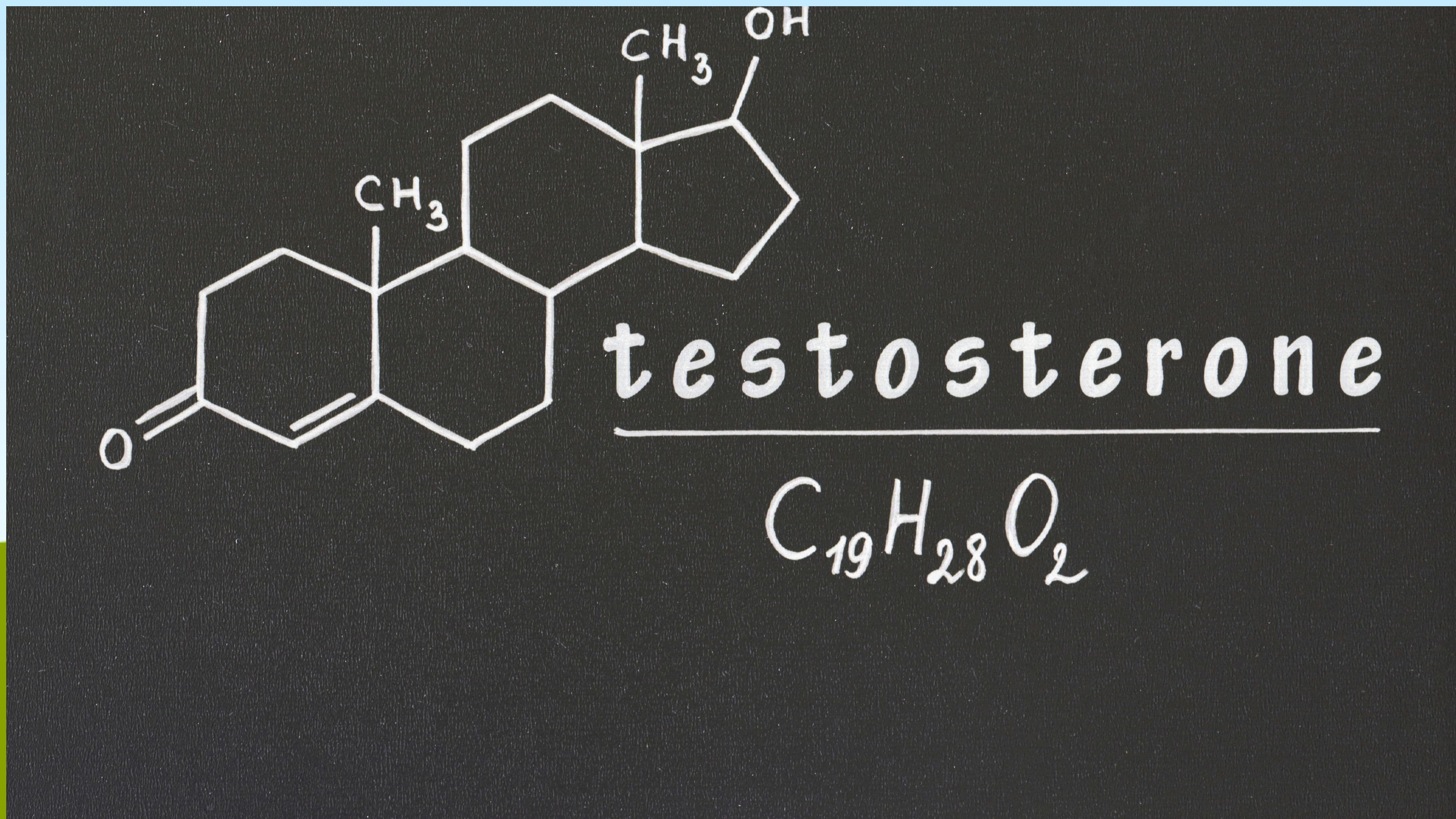
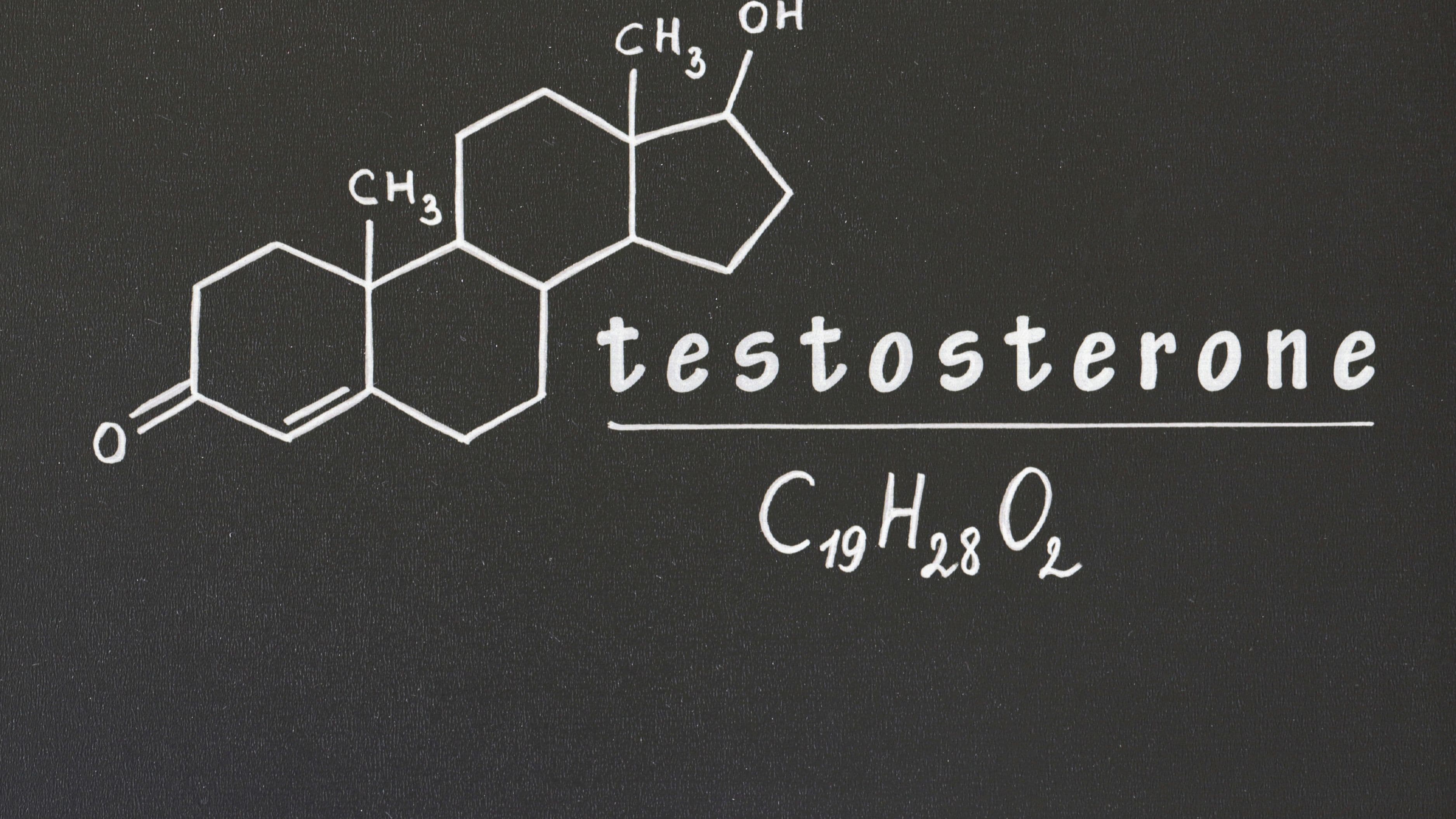
Can senolytics improve testosterone? Indirectly, yes. The Leydig cells in the testes accumulate senescent cells with age and are sensitive to SASP-driven inflammatory damage. Studies in aged animal models have demonstrated testosterone improvements following senescent cell clearance. This hasn't been directly quantified in human testosterone trials, but the mechanistic logic is coherent.
How does this interact with TRT? There's no documented direct interaction. Men on TRT can use fisetin pulse protocols without known concern. If anything, optimizing the cellular environment of the testes and reducing SASP-driven systemic inflammation is complementary to hormonal optimization.
Is this worth prioritizing over fundamentals like sleep, training, and diet? No. Senolytic intervention is a layer on top of optimized fundamentals, not a substitute for them. Sleep deprivation, poor metabolic control, and inadequate training recovery actively accelerate senescent cell accumulation — no pulse-dosing protocol outpaces a chronically degraded lifestyle. Address the inputs first.
📚 Sources
Baker DJ, et al. – Naturally occurring p16(Ink4a)-positive cells shorten healthy lifespan. Nature (2011) – https://www.nature.com/articles/nature10110
Baker DJ, et al. – Clearance of p16Ink4a-positive senescent cells delays ageing-associated disorders. Nature (2016) – https://www.nature.com/articles/nature16932
Yousefzadeh MJ, et al. – Fisetin is a senotherapeutic that extends health and lifespan. EBioMedicine (2018) – https://www.thelancet.com/journals/ebiom/article/PIIS2352-3964(18)30373-6/fulltext
Kirkland JL, Tchkonia T – Senolytic drugs: from discovery to translation. Journal of Internal Medicine (2020) – https://www.ncbi.nlm.nih.gov/pmc/articles/PMC7405395/
Zhu Y, et al. – The Achilles' heel of senescent cells: from transcriptome to senolytic drugs. Aging Cell (2015) – https://www.ncbi.nlm.nih.gov/pmc/articles/PMC4531078/
Justice JN, et al. – Senolytics in idiopathic pulmonary fibrosis: Results from a first-in-human, open-label, pilot study. EBioMedicine (2019) – https://www.ncbi.nlm.nih.gov/pmc/articles/PMC6354061/
Campisi J – Senescent Cells, Tumor Suppression, and Organismal Aging: Good Citizens, Bad Neighbors. Cell (2005) – https://www.cell.com/cell/fulltext/S0092-8674(05)00954-2