
What Seed Cycling Actually Claims
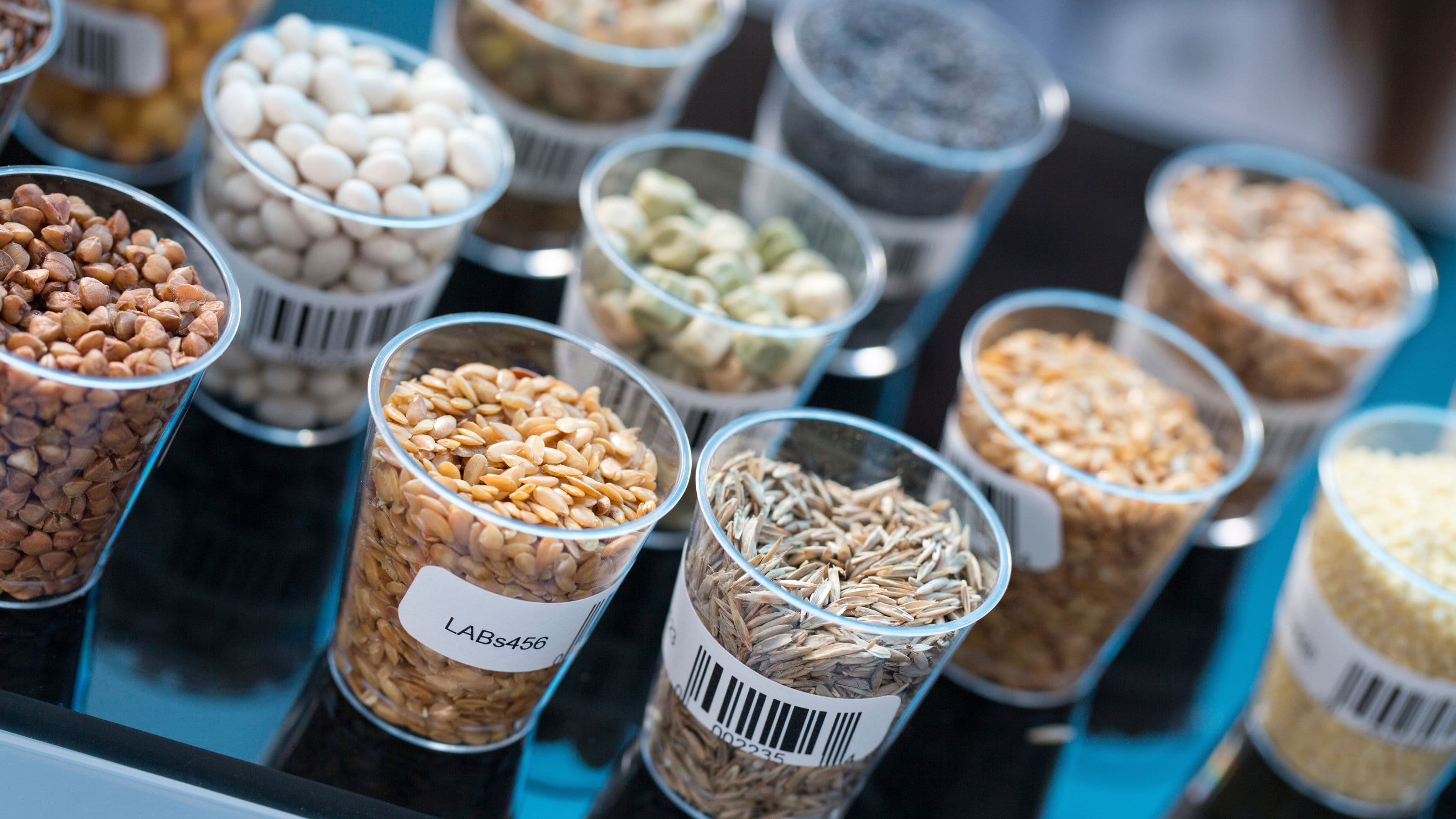
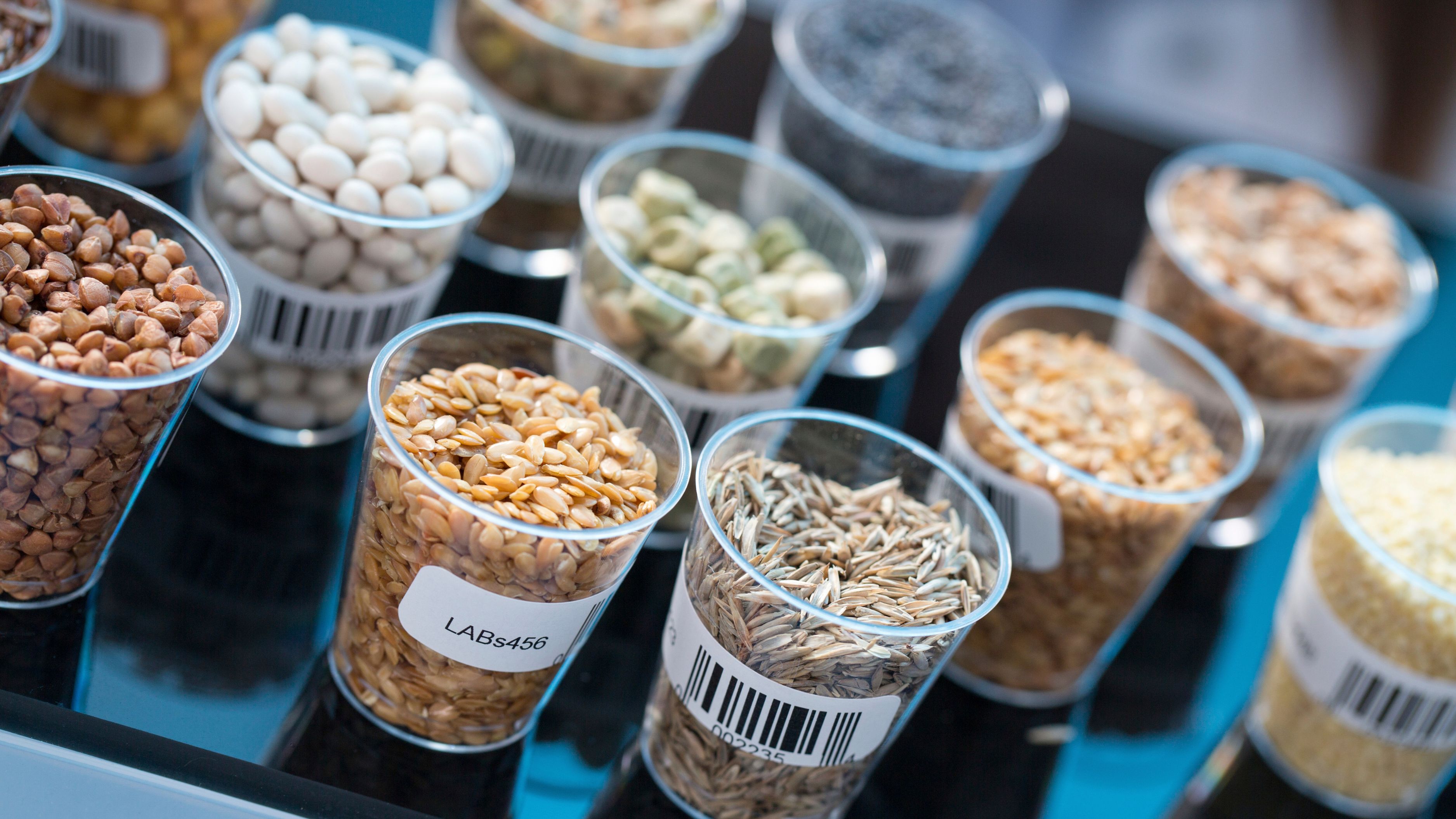
The practice, originally built around syncing seed intake to the phases of a menstrual cycle, involves eating specific seeds like flax, pumpkin, sesame, and sunflower in a rotating pattern, with the claim that different seeds support estrogen or progesterone depending on the phase you're in. As it's been repackaged for a broader wellness audience, including men, the framing shifts slightly, but the core promise stays the same: eating small amounts of specific seeds on a schedule will meaningfully shift hormone output.
For men specifically, the version of this claim usually centers on lignans in flaxseed and zinc in pumpkin seeds being framed as levers for testosterone, estrogen balance, or general "hormone support," often stacked alongside other low-effort wellness trends that promise outsized results from minimal intervention.
Where the Science Actually Stands
The mechanistic seeds of truth here are real, but thin. Flaxseed does contain lignans, plant compounds that have weak phytoestrogenic activity, and pumpkin seeds do contain zinc, a mineral genuinely involved in testosterone synthesis. Neither of those facts is fabricated. The problem is the leap from "contains a compound involved in a hormonal pathway" to "eating this seed on this day will meaningfully shift your hormone levels" is a leap the research does not support.
The doses involved in a typical seed-cycling protocol – one to two tablespoons of a given seed – are far below the levels used in the clinical trials examining lignans or zinc's effects on hormones, and even those trials generally show modest, inconsistent effects rather than the clean hormonal reset implied by wellness content. Zinc deficiency does measurably impair testosterone production, which is a real and well-documented mechanism, but that's a very different claim than saying a specific quantity of pumpkin seeds, eaten on a specific day, will raise testosterone in someone who isn't deficient in the first place.
This is the pattern worth recognizing more broadly: a trend takes a real, narrow finding (zinc deficiency impairs testosterone) and stretches it into a much larger claim (cycling seeds optimizes hormones) that the original research never made. The mechanism exists; the magnitude and specificity of the claim built on top of it doesn't.
What Actually Moves the Needle on Hormones
The levers with real, reproducible effect sizes in the research are less novel than a seed rotation schedule, which is part of why they get less attention, but they're the ones actually worth building a protocol around.
Sleep is the single most consistent lever in the literature. Testosterone follows a circadian rhythm and peaks during REM-heavy sleep phases, and studies restricting sleep to five hours per night in young, healthy men have shown measurable drops in testosterone within a single week. This isn't a subtle effect – it's one of the most reproducible findings in the hormone research space, and it costs nothing beyond prioritizing consistent sleep timing and duration.
Resistance training, particularly compound lifts performed with sufficient intensity, produces acute testosterone and growth hormone responses, and consistent strength training over time is associated with more favorable long-term hormonal profiles compared to sedentary patterns. The acute post-workout spike is often overstated in isolation, but the long-term association between resistance training and healthier hormone markers is well supported.
Body composition plays a larger role than most supplement-focused content acknowledges. Excess adipose tissue, particularly visceral fat, increases aromatase activity, the enzyme that converts testosterone to estrogen, meaning that body fat reduction in individuals carrying excess weight has a more direct, measurable impact on the testosterone-to-estrogen ratio than any single food or supplement is likely to produce.
Micronutrient status matters, but as a deficiency-correction issue rather than an optimization lever for someone already sufficient. Vitamin D and zinc deficiencies are both associated with lower testosterone, and correcting an actual deficiency, confirmed through bloodwork, produces meaningful improvement. Supplementing either one without a confirmed deficiency shows far weaker and less consistent effects in the research.
Chronic alcohol intake and chronic psychological stress both suppress testosterone through distinct, well-characterized mechanisms – alcohol through direct testicular toxicity at higher intake levels, and chronic stress through sustained cortisol elevation, which antagonizes testosterone production through the hypothalamic-pituitary-adrenal axis. Both are frequently ignored in favor of more marketable interventions, despite having a stronger evidence base than most supplement trends currently circulating.
Realistic Expectations
None of these levers work as a dramatic overnight shift in bloodwork. Sleep and training changes tend to show measurable effects over weeks to a few months of consistency, and body composition changes take longer still. Correcting an actual micronutrient deficiency tends to show the fastest measurable change, but only when a real deficiency exists to correct – which is why bloodwork, not a seed rotation calendar, is the actual starting point for anyone serious about this.
Mistakes to Avoid
Do not substitute a seed-cycling protocol, or any single food-based intervention, for the actual levers with a stronger evidence base – sleep, training, body composition, and deficiency correction. Avoid supplementing zinc or vitamin D at high doses without bloodwork confirming a deficiency, since excess zinc intake can interfere with copper absorption and cause other downstream issues. And be skeptical of any hormone-related claim that centers on a single food or narrow ritual rather than the broader, less novel factors that actually carry weight in the research.
FAQ
Is there any benefit to eating flax or pumpkin seeds regularly? Yes, as part of general nutrition – they contain fiber, healthy fats, and micronutrients – but not as a targeted hormone-optimization strategy on the timeline or magnitude seed cycling claims suggest.
Should I get bloodwork before trying to optimize testosterone? Yes. Confirming whether an actual deficiency exists (zinc, vitamin D, or otherwise) is the difference between an intervention that will show a real effect and one that won't, and it should be done with a physician rather than assumed from symptoms alone.
How quickly can sleep changes affect testosterone? Research has shown measurable reductions in testosterone after as little as one week of restricted sleep in young, healthy men, which suggests the reverse – prioritizing sleep – can also produce relatively fast improvement.
Is zinc supplementation worth doing preventively? Only if bloodwork or clear risk factors suggest a deficiency. Supplementing without one shows weak and inconsistent effects, and megadosing carries its own risks, including impaired copper absorption.
This article is for educational purposes and isn't a substitute for personalized medical advice. Anyone considering hormone-related supplementation should get bloodwork done and consult a physician before starting a new regimen.
📚 Sources
JAMA – Effect of Sleep Restriction on Testosterone Levels in Young Healthy Men, https://jamanetwork.com/journals/jama/fullarticle/1029127
National Center for Biotechnology Information – Zinc and Testosterone in Men, https://www.ncbi.nlm.nih.gov/pmc/articles/PMC5852264/
Endocrine Reviews – Obesity and Aromatase Activity in Men, https://academic.oup.com/edrv