What Sciatica Actually Is
Sciatica isn't a diagnosis in itself. It describes pain that follows the path of the sciatic nerve, which forms from nerve roots in the lower spine and runs through the buttock and down the back of each leg. When one of those nerve roots is compressed or irritated, pain can radiate along that path, often accompanied by numbness, tingling, burning, or muscle weakness. Symptoms usually affect one side and are often worse in the leg than in the back itself.
Common Causes
A herniated or bulging lumbar disc is the most common cause. The soft inner material of a spinal disc pushes outward and presses on or inflames a nearby nerve root. Disc-related sciatica is most common in adults between their 30s and 50s.
Lumbar spinal stenosis – a narrowing of the spaces in the spine – becomes a more common cause with age and often produces leg symptoms that worsen with walking or standing and ease when sitting or bending forward. Other causes include spondylolisthesis, where one vertebra slips relative to another, and bony narrowing around the nerve exit points.
Some people develop sciatic-type pain from irritation deep in the buttock, often attributed to the piriformis muscle. This is less common and harder to diagnose than disc-related sciatica. Rarely, tumors, infections, or injuries are responsible.
Risk Factors
Risk factors include age-related disc changes, jobs or training involving heavy or repetitive lifting and twisting, prolonged sitting or driving, excess body weight, smoking, and previous back injuries.
What to Expect
Most cases of sciatica improve substantially within several weeks, and many resolve within about three months with conservative care. Disc herniations often shrink naturally over time. Recovery isn't always linear, and recurrences are common, which is why long-term prevention matters.
Red Flags: When to Get Help Immediately
Seek emergency care if you have new loss of bladder or bowel control, numbness in the groin, inner thighs, or around the anus, or weakness or numbness in both legs. These can signal cauda equina syndrome, a rare but serious condition requiring urgent treatment.
See a doctor promptly if you have progressive leg weakness or foot drop, severe pain that doesn't respond to self-care, back pain with fever, a history of cancer, unexplained weight loss, or symptoms after significant trauma such as a fall or car accident.
Managing an Acute Flare-Up
Stay as Active as Pain Allows
Bed rest feels intuitive, but research consistently shows that staying active leads to better recovery than prolonged rest for most back and leg pain. Short periods of lying down are fine if needed, but get up and move gently throughout the day. Short, frequent walks are often well tolerated.
Modify, Don't Stop
Temporarily avoid the activities that clearly aggravate your symptoms, such as heavy lifting, long sitting, or deep forward bending. Pause or modify your training rather than abandoning it entirely. Upper-body work, walking, or stationary cycling may be tolerable depending on your symptoms.
Use Heat or Cold
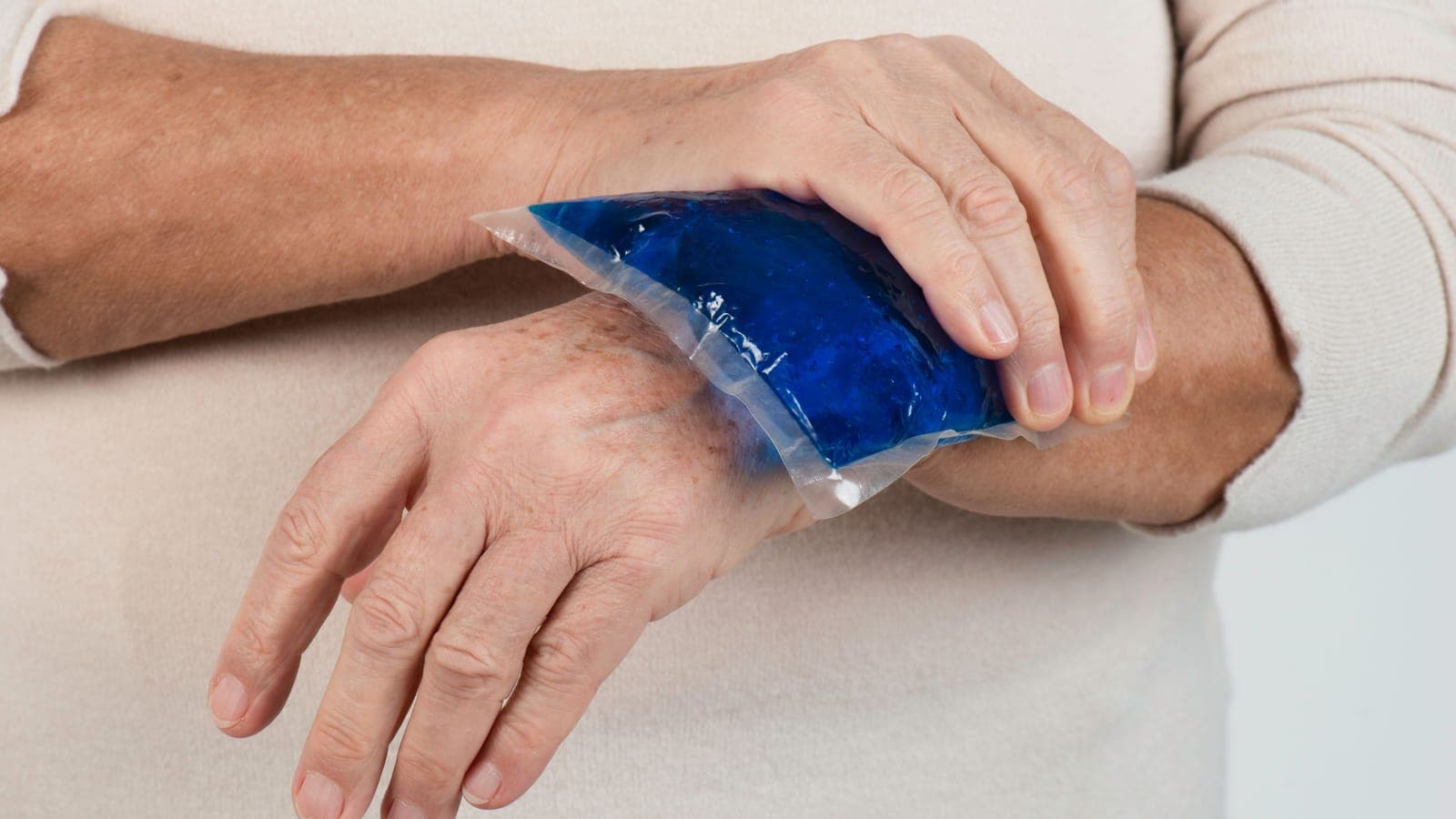
Heat may relax tight muscles and reduce pain for some people. Cold packs may feel better early on or after activity. Use whichever gives relief, for about 15 to 20 minutes at a time, with a layer between your skin and the heat or ice.
Find Positions of Relief
Many people with disc-related sciatica feel better lying on their back with a pillow under their knees or on their side with a pillow between their knees. Others find relief lying face down. Change positions often rather than staying in one position for long periods.
Be Careful With Medications
Over-the-counter pain relievers may help some people manage pain enough to stay active, but evidence for their effectiveness specifically for sciatica is limited. Some prescription medications commonly assumed to help nerve pain have shown little benefit for sciatica in clinical trials. Talk to a doctor or pharmacist before taking any medication regularly, especially if you have stomach, kidney, heart, or liver problems or take other medications.
Exercise: The Core of Long-Term Recovery
Exercise is one of the most effective tools for recovery and prevention. A physical therapist can identify which movements help your specific condition. Start gently, stay within tolerable discomfort, and progress gradually.
Use Your Symptoms as a Guide
Pay attention to where your symptoms are. If an exercise causes pain to move up toward your lower back and away from your leg – a phenomenon called centralization – it's often a good sign. If symptoms spread farther down the leg, or numbness and weakness increase, stop that movement and seek guidance.
Movements That Often Help
For some people with disc-related sciatica, gentle back extension exercises, such as lying face down and pressing up onto the forearms, can reduce leg pain. Others with stenosis may feel better with flexion-based movements, such as gentle knee-to-chest stretches. This difference is one reason professional assessment is valuable.
Nerve gliding exercises can improve the mobility of the sciatic nerve. These involve gently moving the leg and neck to create a sliding motion along the nerve rather than holding a stretch. They should feel mild, not painful.
Avoid aggressive hamstring stretching during a flare-up. Stretches that pull hard on the back of the leg can further irritate an already sensitive nerve.
Build Core Endurance
As pain eases, focus on building endurance in the muscles that stabilize your trunk. Exercises such as bird dogs, side planks, modified curl-ups, and glute bridges train these muscles without placing heavy load on the spine. Prioritize control and consistency over intensity.
Return to Aerobic Activity
Low-impact cardio such as walking, swimming, cycling, or using an elliptical improves circulation and supports recovery. Walking is often the easiest place to start.
Rebuild Strength Gradually
When symptoms have settled, reintroduce strength training progressively. Start with lighter loads and movements that don't provoke symptoms, then gradually increase. Learn to hinge at the hips with a neutral spine for deadlifts and everyday lifting. A coach or physical therapist can help you rebuild safely.
Ergonomics and Daily Mechanics
Sitting and Driving
Prolonged sitting often aggravates sciatica. Use a chair that supports your lower back, keep your feet flat on the floor, and avoid slouching. Stand up and move every 30 to 45 minutes. On long drives, adjust the seat so your knees are roughly level with your hips, use lumbar support, and stop regularly to walk.
The Wallet Problem
Sitting on a thick wallet in your back pocket tilts your pelvis and can put pressure on the buttock. Move your wallet to a front pocket, especially when driving or sitting for long periods.
Lifting
Keep loads close to your body, hinge at the hips, and avoid twisting while lifting. Get help with heavy or awkward objects, and avoid repeated heavy lifting during a flare-up.
Sleep Setup
Choose a mattress that supports your spine in a neutral position. Use pillows under your knees when lying on your back or between your knees when lying on your side to reduce strain.
Lifestyle Changes That Support Recovery
Maintain a Healthy Weight
Excess weight increases the load on your spine and is associated with a higher risk of sciatica. Gradual, sustainable weight loss through diet and activity can reduce strain and support recovery.
Stop Smoking
Smoking is associated with disc degeneration and a higher risk of sciatica, and it can impair healing. Quitting supports both spinal health and overall health.
Manage Stress and Sleep
Stress and poor sleep can amplify how intensely pain is felt and slow recovery. Prioritize consistent sleep, and use stress-management tools such as slow breathing, mindfulness, or time outdoors.
Professional Treatment Options
Physical Therapy
A physical therapist can assess your movement patterns, identify which exercises reduce your symptoms, and create a progressive plan for recovery and prevention.
Imaging
Imaging such as MRI usually isn't needed during the first several weeks of sciatica unless there are red flags or symptoms aren't improving. Many people have disc changes on imaging that don't cause symptoms, so scans are most useful when they'll change treatment decisions.
Injections
Epidural steroid injections may provide short-term relief for some people with persistent nerve pain, helping them participate more fully in rehabilitation. Their benefits are generally modest and short-lived.
Surgery
Surgery, such as a microdiscectomy for a herniated disc, may be considered for severe, persistent symptoms that don't improve with conservative treatment, progressive neurological weakness, or cauda equina syndrome. For many people with persistent disc-related sciatica, surgery provides faster relief, though long-term outcomes are often similar to those achieved with continued conservative care. Discuss the risks and benefits with a spine specialist.
Daily Wellness Habits That Protect Your Back
Eat for Recovery and Body Composition
Build meals around vegetables, fruits, whole grains, legumes, lean proteins, and healthy fats. Adequate protein supports muscle repair and strength, while a mostly whole-food diet supports healthy weight management. Hydration needs vary by body size, activity, and climate; drink regularly throughout the day rather than relying on a fixed number of glasses.
Move Every Day
The World Health Organization recommends that adults get 150 to 300 minutes of moderate-intensity aerobic activity per week, or 75 to 150 minutes of vigorous activity, plus muscle-strengthening activities on at least two days. Regular movement and strength training protect your back as well as your heart and metabolism. Break up long periods of sitting with short movement breaks.
Prioritize Sleep
Most adults need seven to nine hours of sleep per night. Sleep supports tissue repair, pain regulation, and recovery from training. Keep a consistent schedule and create a dark, cool, quiet sleep environment.
Manage Stress
Chronic stress affects blood pressure, mood, and pain perception. Identify your stressors and use strategies that help you recover, such as exercise, breathing practices, journaling, or time with friends and family.
Protect Your Mental Well-Being
Ongoing pain can affect mood and motivation. Stay connected with others, set boundaries around screen time and work, and speak with a professional if low mood or anxiety persists.
Keep Up With Preventive Care
Schedule regular checkups and age-appropriate screenings, and tell your doctor about recurring back or leg pain. Early guidance can help prevent minor problems from becoming chronic.
Expected Timeline
Many people notice meaningful improvement within a few weeks of staying active and using appropriate exercises. Most sciatica improves substantially within about three months. Core endurance and strength gains typically build over six to twelve weeks of consistent training. If pain is severe, worsening, or not improving after several weeks, seek professional evaluation.
Common Mistakes
Common mistakes include staying in bed for days, aggressively stretching the hamstrings during a flare-up, returning to heavy lifting too quickly, ignoring worsening weakness or numbness, sitting for long periods without breaks, and relying on painkillers without addressing movement and strength.
Disclaimer: This article is for educational purposes only and is not medical advice. Consult a physician or qualified healthcare provider for diagnosis and treatment of back or leg pain, before starting a new exercise program, or before taking any medication. Seek emergency care immediately for loss of bladder or bowel control, groin numbness, or weakness in both legs.
FAQ
How long does sciatica usually last?
Many cases improve within a few weeks, and most improve substantially within about three months. Some people experience recurring episodes.
Is walking good for sciatica?
For many people, yes. Gentle, regular walking helps maintain mobility and circulation. Stop or modify if it worsens your leg symptoms significantly.
Should I stretch my hamstrings if I have sciatica?
Avoid aggressive hamstring stretching during a flare-up because it can irritate the nerve. Gentle nerve glides may be more appropriate.
When should I get an MRI for sciatica?
Imaging is usually reserved for red-flag symptoms, worsening neurological problems, or pain that doesn't improve after several weeks of conservative care.
When is sciatica an emergency?
Seek emergency care for loss of bladder or bowel control, numbness in the groin area, or weakness in both legs.
The Bottom Line
Sciatica can be intensely painful, but most cases improve with time, movement, and the right exercises. Stay active, avoid movements that push symptoms down your leg, build core endurance and strength gradually, fix the daily habits that load your spine, and know the warning signs that need urgent care. Combine that with consistent nutrition, activity, sleep, and stress management, and you give your back the best chance of recovering fully and staying resilient.
📚 Sources
Mayo Clinic – Sciatica: https://www.mayoclinic.org/diseases-conditions/sciatica/symptoms-causes/syc-20377435
National Institute of Neurological Disorders and Stroke – Low Back Pain: https://www.ninds.nih.gov/health-information/disorders/back-pain
National Institute for Health and Care Excellence – Low Back Pain and Sciatica in Over 16s: https://www.nice.org.uk/guidance/ng59
American College of Physicians – Noninvasive Treatments for Low Back Pain: https://www.acpjournals.org/doi/10.7326/M16-2367
World Health Organization – Physical Activity: https://www.who.int/news-room/fact-sheets/detail/physical-activity
MedlinePlus – Sciatica: https://medlineplus.gov/ency/article/000686.htm
🔍 Explore Related Topics
Sciatica exercises for relief
Herniated disc recovery timeline
Sciatica vs piriformis syndrome
Best sleeping position for sciatica
Nerve gliding exercises
Core exercises for back pain
Deadlifting after back injury
Cauda equina syndrome symptoms
Sitting posture for lower back pain
Microdiscectomy recovery