


Short-chain fatty acids (SCFAs) – specifically butyrate, propionate, and acetate – are the metabolic byproducts of bacterial fermentation of dietary fiber. They are not optional for gut health. They are the primary energy substrate for colonocytes (the cells lining your colon), the central regulators of intestinal tight junction integrity, and key modulators of mucosal immunity. Without adequate SCFA production, the gut barrier physically degrades. This is not theory – it's been demonstrated directly in germ-free animal models and confirmed in human gut disease research.
This protocol covers the mechanisms, the dietary foundation, the strategic use of supplemental butyrate, and the timeline for measurable results.
The Mechanism: Why SCFAs Are Non-Negotiable for Barrier Integrity
The gut barrier is maintained by tight junction proteins – occludin, claudins, and ZO-1 – that physically seal the spaces between epithelial cells. When these junctions degrade, bacterial endotoxins (primarily lipopolysaccharide, LPS) cross into systemic circulation, triggering low-grade chronic inflammation that affects everything from testosterone production to cognitive function to cardiovascular risk.
Butyrate is the SCFA with the most direct and well-characterized effect on this system. It provides 60–70% of colonocyte energy requirements and upregulates the expression of tight junction proteins at the transcriptional level. It also inhibits histone deacetylase (HDAC) – an epigenetic mechanism that promotes anti-inflammatory gene expression and enhances the differentiation of regulatory T cells in the gut-associated lymphoid tissue. Propionate supports mucus production and has anti-inflammatory effects via free fatty acid receptors. Acetate is the most abundant SCFA and crosses into systemic circulation, influencing peripheral immune responses and appetite regulation.
The practical takeaway: SCFA deficiency is not just a gut problem. It's a systemic performance problem. Low butyrate = leaky gut = elevated LPS = elevated systemic inflammation = suppressed anabolic signaling, impaired recovery, and disrupted hormonal function. Fix the SCFA floor and you remove a significant drag on every other system you're trying to optimize.
Step 1: Establish the Fermentable Fiber Foundation
No supplemental butyrate protocol works optimally without an adequate substrate for bacterial production. Endogenous SCFA production through colonic fermentation is more sustained, more broadly distributed across the colon, and more physiologically calibrated than any supplement can replicate. Supplementation fills gaps and accelerates repair – it doesn't replace the dietary foundation.
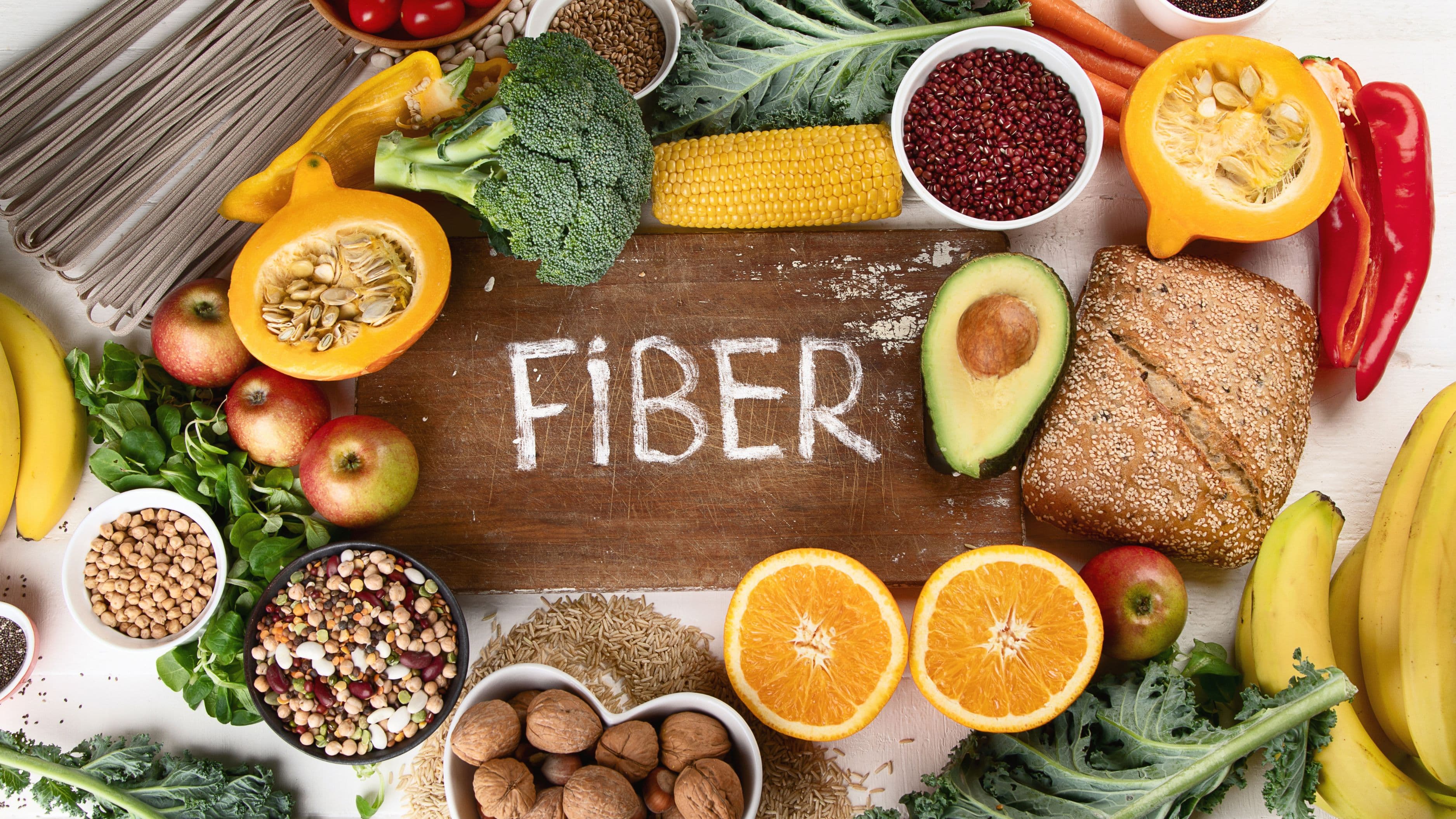
The fermentable fiber types with the strongest evidence for SCFA production are resistant starch (RS), inulin-type fructans, arabinoxylan, and pectin. Each feeds different bacterial populations and produces SCFA at different sites in the colon.
Resistant starch is the highest-leverage addition for most men who aren't already eating it deliberately. RS2 sources include raw potato starch, green bananas, and underripe plantains. RS3 – retrograded resistant starch – is formed when starchy foods like rice, potatoes, or legumes are cooked and then cooled; eating cold rice or reheated potatoes dramatically increases the RS content compared to freshly cooked. Target 15–20g of resistant starch daily from food or raw potato starch supplementation.
Inulin-type fructans are found in chicory root, Jerusalem artichoke, garlic, onion, and leeks. They are among the most selectively fermented fibers, strongly promoting bifidobacteria and Faecalibacterium prausnitzii, both of which are major butyrate producers. Add 5–10g per day from food sources.
Arabinoxylan (found in psyllium husk and wheat bran) and pectin (found in apples, carrots, and citrus peel) round out the fiber profile and help ensure fermentation across the entire colonic transit rather than concentrated in one segment.
Total daily fermentable fiber target: 25–40g. If you're currently eating 10–15g per day, ramp up over two to three weeks to avoid significant gas and bloating during microbiome adjustment.
Step 2: Prioritize the Bacterial Producers
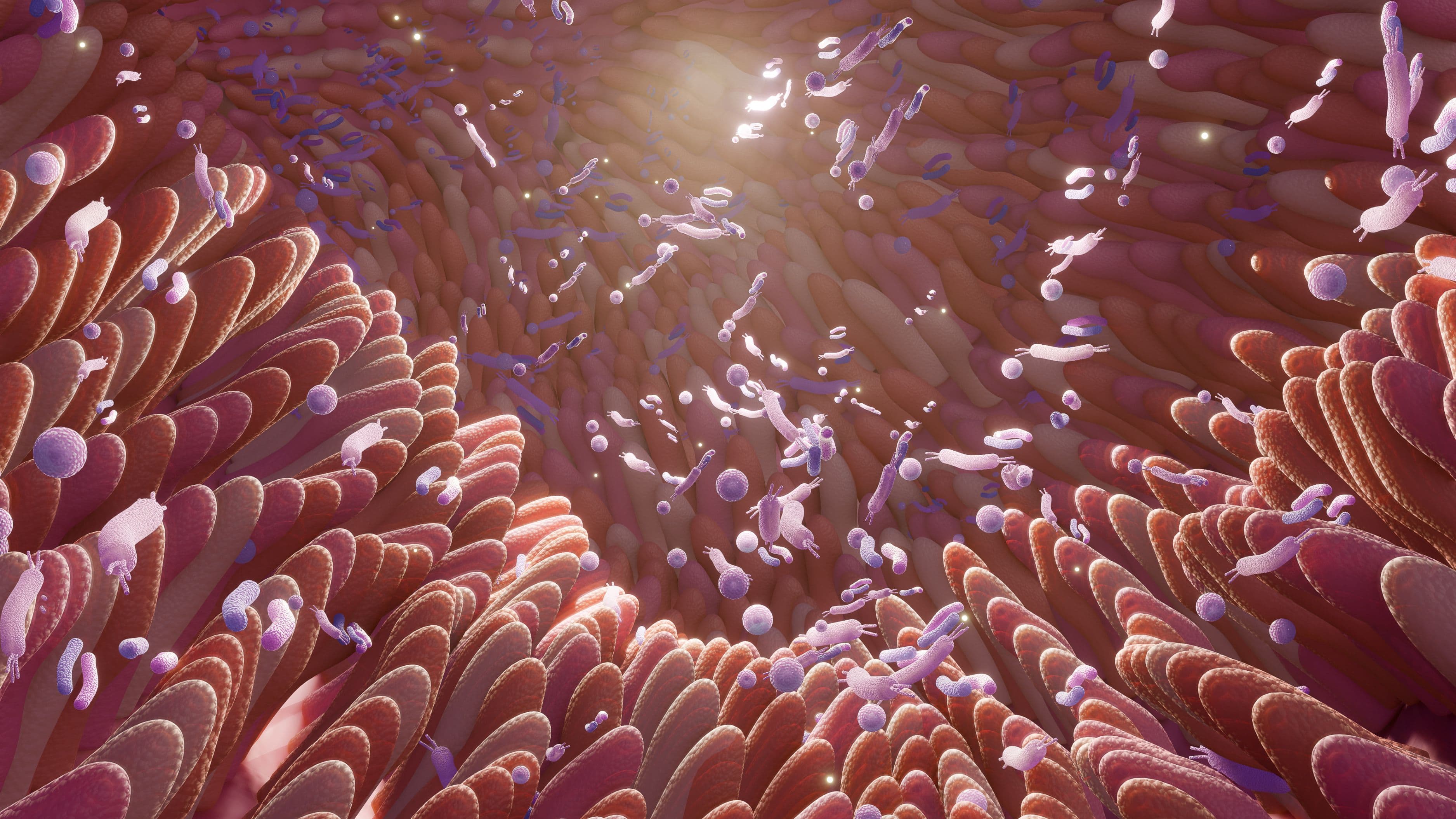
You need the right bacteria to convert fiber into SCFAs. The primary butyrate-producing genera are Faecalibacterium, Roseburia, Eubacterium, and Clostridium clusters IV and XIVa. These are not found in standard probiotic supplements – Lactobacillus and Bifidobacterium are not butyrate producers. This is a critical distinction most protocols miss.
To support butyrate-producing populations, the strategy is prebiotic feeding (covered in Step 1), reduction of factors that suppress them, and – where clinically indicated – targeted supplementation. The suppression factors matter more than most men realize. Chronic low-grade alcohol intake, non-steroidal anti-inflammatory drug use, and particularly repeated or recent antibiotic courses all significantly reduce butyrate-producing bacterial populations and can take months to recover without intervention.
Spore-based probiotics containing Bacillus coagulans, Bacillus subtilis, and Bacillus clausii have demonstrated the ability to survive transit and positively shift the fermentative environment toward SCFA-producing populations. Unlike standard Lactobacillus-based probiotics, spore-formers are adapted for colonic persistence and don't require refrigeration. Use these during and after antibiotic courses, and as part of a gut repair protocol.
Postbiotics are an emerging category worth knowing about. These are heat-inactivated bacteria or bacterial metabolites that retain signaling activity without requiring live colonization. Some postbiotic preparations containing heat-killed Lactobacillus strains or fermented supernatants have shown benefits for tight junction integrity and mucosal immune function. The evidence base is earlier-stage than for butyrate supplementation directly, but the mechanistic logic is sound.
Step 3: Implement Targeted Butyrate Supplementation
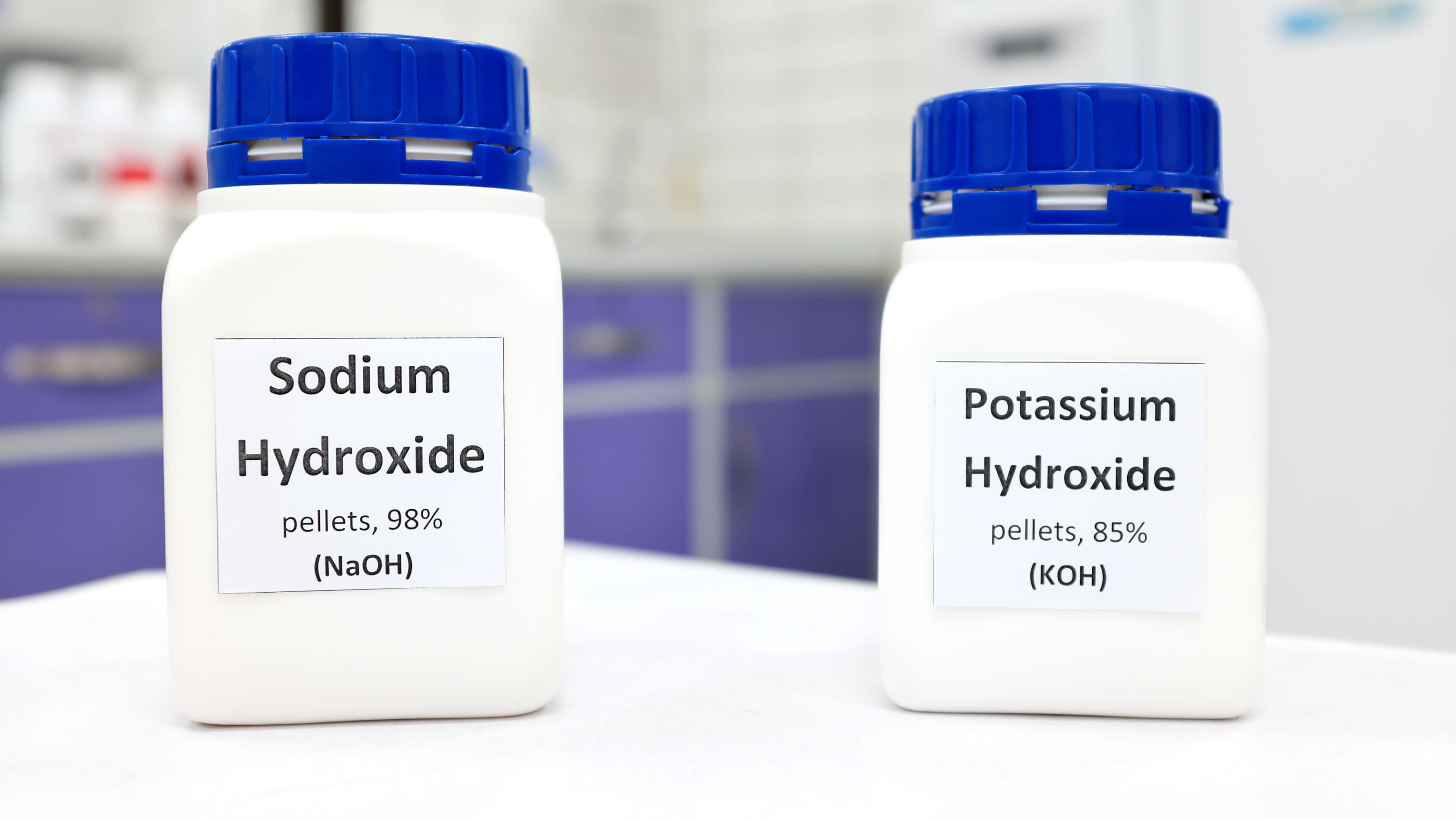
Dietary butyrate (from sources like butter, ghee, and fermented foods) is absorbed in the small intestine and never reaches the colon in meaningful quantities. Supplemental butyrate needs to be delivered to the colon to be useful for barrier repair. Standard butyrate salts – sodium butyrate, calcium butyrate, magnesium butyrate – are largely absorbed in the upper GI tract. For colonic delivery, you need encapsulated or microencapsulated formulations.
The two most evidence-backed delivery formats are enteric-coated sodium butyrate and tributyrin (tributyrin is the triglyceride form of butyric acid found naturally in butter, which releases butyrate more gradually through lipase activity). Tributyrin has superior bioavailability and colonic delivery compared to butyrate salts in most comparative research.
Dosing: Start at 300–600mg of tributyrin or microencapsulated sodium butyrate twice daily with food. Therapeutic doses used in clinical studies for gut barrier repair and inflammatory bowel conditions typically range from 1–4g per day. There is no established toxicity ceiling for butyrate supplementation – it is a naturally produced metabolite – but starting at lower doses and titrating allows you to gauge tolerance and minimize any initial digestive adjustment.
Timing: Take with the largest meals of the day. Butyrate is more efficiently taken up by colonocytes when the gut is active.
Duration for barrier repair: Research on leaky gut models suggests measurable improvements in intestinal permeability markers (zonulin, lactulose:mannitol ratio) can be detected within 4–8 weeks of consistent butyrate intervention alongside dietary fiber optimization. Full barrier remodeling takes longer – plan for a 12-week committed protocol.
Step 4: Address the Cofactors
Gut barrier repair does not operate in isolation. Several cofactors significantly affect the rate and completeness of repair and are frequently overlooked.
Zinc L-carnosine has the most direct evidence for epithelial repair specifically. It stabilizes the gastric and intestinal mucosa, promotes tight junction protein expression, and has been used therapeutically for mucosal protection at doses of 75–150mg per day. This is one of the highest-signal supplements for gut barrier integrity that is still significantly underused in most protocols.
L-glutamine is the primary fuel source for enterocytes (small intestine epithelial cells), as opposed to butyrate which fuels colonocytes. The two cover different segments of the barrier and should be combined for complete coverage. Dose: 5–10g per day in divided doses, ideally in the morning and pre-sleep when gut repair processes are most active.
Collagen peptides provide the hydroxyproline and glycine substrates for mucosal connective tissue regeneration. 10–20g per day from a hydrolyzed collagen supplement or bone broth supports the structural matrix that the epithelial layer sits on.
Omega-3 fatty acids (EPA/DHA) reduce the pro-inflammatory signaling that keeps the gut barrier in a degraded state. Without controlling the inflammatory environment, epithelial repair is working against a constant headwind. Minimum effective dose: 2–3g EPA+DHA per day from a quality fish oil or algal oil.
Cortisol management is also directly relevant here. Chronic elevated cortisol physically disrupts tight junction protein expression – HPA axis dysregulation and gut barrier integrity are mechanistically linked. If your stress load is high and sleep is poor, you are actively working against this protocol every day. That problem needs its own parallel strategy.
Expected Results and Timeline
Weeks 1–2: Dietary adjustment period. Increase in gas and bloating is normal and expected as the microbiome shifts toward fermentative activity. Reduce fiber increase pace if symptoms are disruptive.
Weeks 3–4: Improvement in stool consistency and transit regularity. Early reduction in gut-derived bloating and discomfort.
Weeks 4–8: Measurable reduction in systemic inflammatory markers in men with confirmed gut-driven inflammation. Improvements in energy stability, reduced post-meal brain fog, and better recovery between training sessions often emerge in this window.
Weeks 8–12: Meaningful gut barrier repair, as indicated by reductions in serum zonulin or improvements in intestinal permeability testing if you have baseline data. Continued microbiome compositional shift toward SCFA-producing populations.
Beyond 12 weeks: Maintenance protocol – the dietary foundation becomes habitual, supplemental butyrate can be continued at lower doses or cycled, and the bacterial community sustains SCFA production autonomously.
Common Mistakes
Skipping the dietary fiber foundation and relying on butyrate supplementation alone is the most frequent error. Supplements accelerate and amplify – they don't substitute for substrate. Without adequate fermentable fiber, you're missing 70–80% of the potential benefit.
Using standard Lactobacillus probiotics as the primary microbiome intervention misses the target entirely. Standard probiotics do not produce butyrate and do not colonize the colon long-term. They have other uses, but they are the wrong tool for SCFA optimization.
Expecting rapid results. Gut barrier repair is measured in weeks to months, not days. If you've had a compromised barrier for years – common in men with histories of high alcohol intake, repeated antibiotics, or chronic high stress – it will take a sustained protocol to reverse.
Ignoring systemic inflammation while trying to repair the barrier. If LPS-driven inflammation is already elevated and cortisol is chronically high, epithelial repair is severely impaired. The anti-inflammatory cofactors – omega-3s, sleep optimization, cortisol management – are not optional accessories to this protocol.
FAQ
Can I measure gut barrier function to establish a baseline? Yes. Serum zonulin is the most accessible commercial marker and correlates with tight junction integrity. Lactulose:mannitol urine testing is more precise but less commonly available. Serum LPS-binding protein (LBP) is another indirect marker. Establishing a baseline before the protocol and retesting at 8–12 weeks allows you to quantify actual improvement rather than relying on subjective symptom changes.
Is there a risk of producing too much butyrate? In the context of a normal dietary protocol, no. Butyrate is tightly regulated – colonocytes consume it locally as it's produced, and systemic spillover is minimal at dietary and supplemental levels. Clinical trials using multiple grams per day have not identified toxicity signals.
Does intermittent fasting affect SCFA production? Time-restricted eating does impact colonic transit and fermentation timing. Extended fasting reduces substrate availability for fermentation. For most men doing 16:8, the effect is modest. For extended fasts over 24 hours, SCFA production drops significantly during the fasting window and rebounds upon refeeding. This is not a reason to avoid fasting – it's a reason to prioritize fermentable fiber in your eating window.
How does alcohol affect this protocol? Alcohol is directly toxic to tight junction proteins and suppresses butyrate-producing bacteria at even moderate intake levels. If you're serious about barrier repair, alcohol reduction is not optional. One to two drinks per week is unlikely to significantly impair the protocol. Regular daily drinking will counteract most of the work.
Should I test my microbiome before starting? Useful if accessible, but not required. Consumer microbiome tests (Viome, Biomesight, Thryve) provide directional insight into SCFA-producing bacterial populations. They are not clinical-grade diagnostics, but they can confirm whether your butyrate producers are depleted and help prioritize prebiotic targeting. Don't wait for a test to start the protocol – the interventions described here benefit virtually all men with suboptimal gut health regardless of specific microbiome composition.
📚 Sources
Canani, R.B. et al. – Potential beneficial effects of butyrate in intestinal and extraintestinal diseases (World Journal of Gastroenterology, 2011): https://www.ncbi.nlm.nih.gov/pmc/articles/PMC3070119/
Peng, L. et al. – Butyrate enhances the intestinal barrier by facilitating tight junction assembly via activation of AMP-kinase (American Journal of Physiology, 2009): https://www.ncbi.nlm.nih.gov/pmc/articles/PMC2670133/
Furusawa, Y. et al. – Commensal microbe-derived butyrate induces the differentiation of colonic regulatory T cells (Nature, 2013): https://www.nature.com/articles/nature12721
Baxter, N.T. et al. – Dynamics of Human Gut Microbiota and Short-Chain Fatty Acids in Response to Dietary Interventions with Three Fermentable Fibers (mBio, 2019): https://www.ncbi.nlm.nih.gov/pmc/articles/PMC6299497/
Hamer, H.M. et al. – Review article: the role of butyrate on colonic function (Alimentary Pharmacology & Therapeutics, 2008): https://pubmed.ncbi.nlm.nih.gov/17973645/
NIH – Zinc Carnosine and Gut Mucosal Integrity: https://www.ncbi.nlm.nih.gov/pmc/articles/PMC5788421/
Rao, R. & Samak, G. – Role of Glutamine and Interplay of Glutamine and 2-Deoxyglucose Treatement in Restoring the Intestinal Epithelial Tight Junctions (Annals of the New York Academy of Sciences, 2012): https://www.ncbi.nlm.nih.gov/pmc/articles/PMC3601483/
Tributyrin vs Butyrate Salts – Gastrointestinal Delivery Comparison (Journal of Functional Foods, 2020): https://www.sciencedirect.com/science/article/abs/pii/S1756464620301821