
This breaks down the core heater types, the sizing math that actually matters, and the tradeoffs worth understanding before you commit to an installation.
The Three Main Heater Categories
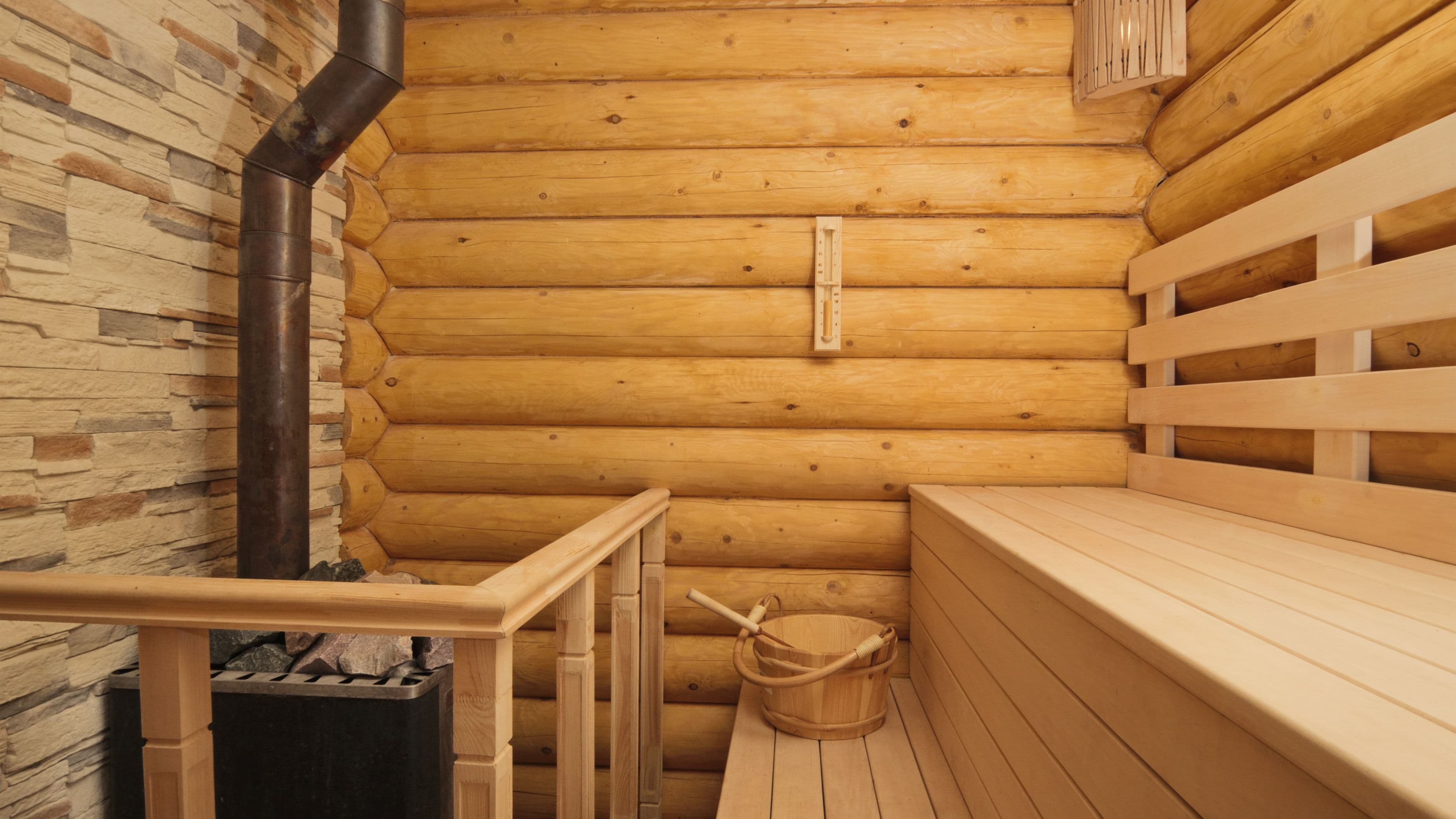
Traditional electric heaters use resistive heating elements to heat rocks, which then radiate heat and allow for löyly – the steam produced when water is poured over hot stones. This is the standard for anyone wanting the full traditional Finnish sauna experience, with heat that feels different from infrared, more enveloping and higher in ambient temperature, typically 170 to 190°F.
Infrared heaters use panels that emit infrared wavelengths directly absorbed by the body rather than heating the surrounding air. Cabin temperatures run lower, usually 120 to 140°F, with the heat felt as direct warmth on the skin rather than ambient air heat. This makes infrared more accessible for people who find high-temperature traditional saunas difficult to tolerate, and it's generally more energy-efficient since it doesn't need to heat the full air volume of the room.
Wood-burning heaters remain the traditional choice for standalone outdoor saunas, offering the most authentic experience and no dependency on electrical infrastructure, but they require ventilation planning, fuel storage, and significantly more maintenance than either electric option. For most home installations, especially indoor ones, wood-burning isn't practical.
Sizing: The Calculation That Actually Determines Performance
Heater sizing is based on cubic footage of the sauna cabin, not floor space alone, since you're heating the full volume of air (for traditional units) or accounting for surface area (for infrared). Manufacturers provide kW ratings matched to cubic footage ranges, and going outside that range in either direction causes real problems.
Undersizing means the heater runs constantly at full power just trying to maintain temperature, leading to poor performance, excessive wear, and higher long-term energy costs relative to the heat actually delivered. Oversizing wastes energy and can create uneven, harsh heat distribution that makes the sauna experience less comfortable rather than more.
As a general reference point, a cabin around 200 cubic feet typically needs a heater in the 6kW range, while larger cabins around 400 cubic feet often require 9 to 12kW, though exact requirements shift based on insulation quality, ceiling height, and whether the room includes windows or a glass door, both of which increase heat loss.
Insulation and Room Construction Change the Math
A heater sized correctly for the cabin's cubic footage can still underperform if the room isn't properly insulated and vapor-barriered. Standard sauna construction uses a foil vapor barrier behind the interior wood paneling specifically to prevent heat and moisture loss into the wall cavity. Skipping or improperly installing this barrier forces the heater to work harder than its rating suggests it should, regardless of correct sizing.
Glass doors and windows, increasingly common in modern sauna design for aesthetic reasons, also increase heat loss significantly compared to solid wood doors, and this needs to be factored into heater selection rather than treated as a purely cosmetic choice.
Power Supply Requirements Matter Before You Buy
Most residential electric sauna heaters above 6kW require a dedicated 240V circuit, and higher-capacity units may require additional amperage that your existing electrical panel may not support without an upgrade. This is worth confirming with a licensed electrician before finalizing a heater choice, since discovering an electrical limitation after purchase is a common and expensive installation mistake.
Infrared heaters generally have lower power requirements and can sometimes run on standard 120V circuits for smaller installations, which is part of why they're often chosen for retrofit installations where running new 240V wiring isn't practical.
Control Systems and Digital Features
Modern heaters increasingly come with digital controllers offering programmable start times, precise temperature control, and safety cutoffs. A programmable start time is a genuinely useful feature for a home sauna, since it lets you set the heater to reach target temperature right as you're ready to use it, rather than waiting 30 to 45 minutes after starting it manually.
Built-in safety shutoffs, including maximum run-time limits, are worth prioritizing regardless of heater type, since sauna heaters running unattended for extended periods represent a real fire risk in a home setting.
Realistic Expectations and Timeline
A properly sized traditional sauna heater typically reaches full operating temperature in 30 to 45 minutes, while infrared units often reach usable temperature faster, sometimes within 15 to 20 minutes, given their lower target temperatures. Expect a professional installation, including any necessary electrical work, to take one to two days depending on whether new wiring is required.
What to Avoid
Don't choose a heater based purely on price without confirming the kW rating matches your cabin's actual cubic footage. An underpowered heater bought to save money upfront typically ends up costing more in energy bills and reduced sauna performance over its lifetime.
Avoid DIY electrical work for anything above the lowest-power infrared units. Sauna heaters draw significant current and operate in high-heat, high-humidity environments, making proper licensed electrical installation a genuine safety requirement, not just a formality.
If you have a cardiovascular condition, are pregnant, or have any condition affecting heat tolerance, talk to a physician before beginning regular sauna use, since high-heat exposure carries real considerations for certain health conditions that a heater choice alone doesn't address.
FAQ
Is infrared or traditional heat better for a home sauna? Neither is objectively better – it depends on preference. Traditional heat with löyly delivers a higher-intensity, more classically "sauna" experience, while infrared offers a gentler, lower-temperature session that many people tolerate more easily for longer durations.
How much does a home sauna heater typically cost? Traditional electric heaters generally range from a few hundred dollars for smaller units to over a thousand for larger, higher-capacity models, while infrared panel systems vary similarly depending on coverage area and features.
Can I install a sauna heater myself? Placement and basic mounting are often DIY-friendly, but the electrical connection, particularly for 240V units, should be handled by a licensed electrician to meet code and ensure safe operation.
📚 Sources
North American Sauna Society – "Sauna Heater Sizing Guidelines" – https://naspa.info/
National Fire Protection Association – "Electrical Safety Standards" – https://www.nfpa.org/