
The Physiological Basis for Contrast Therapy
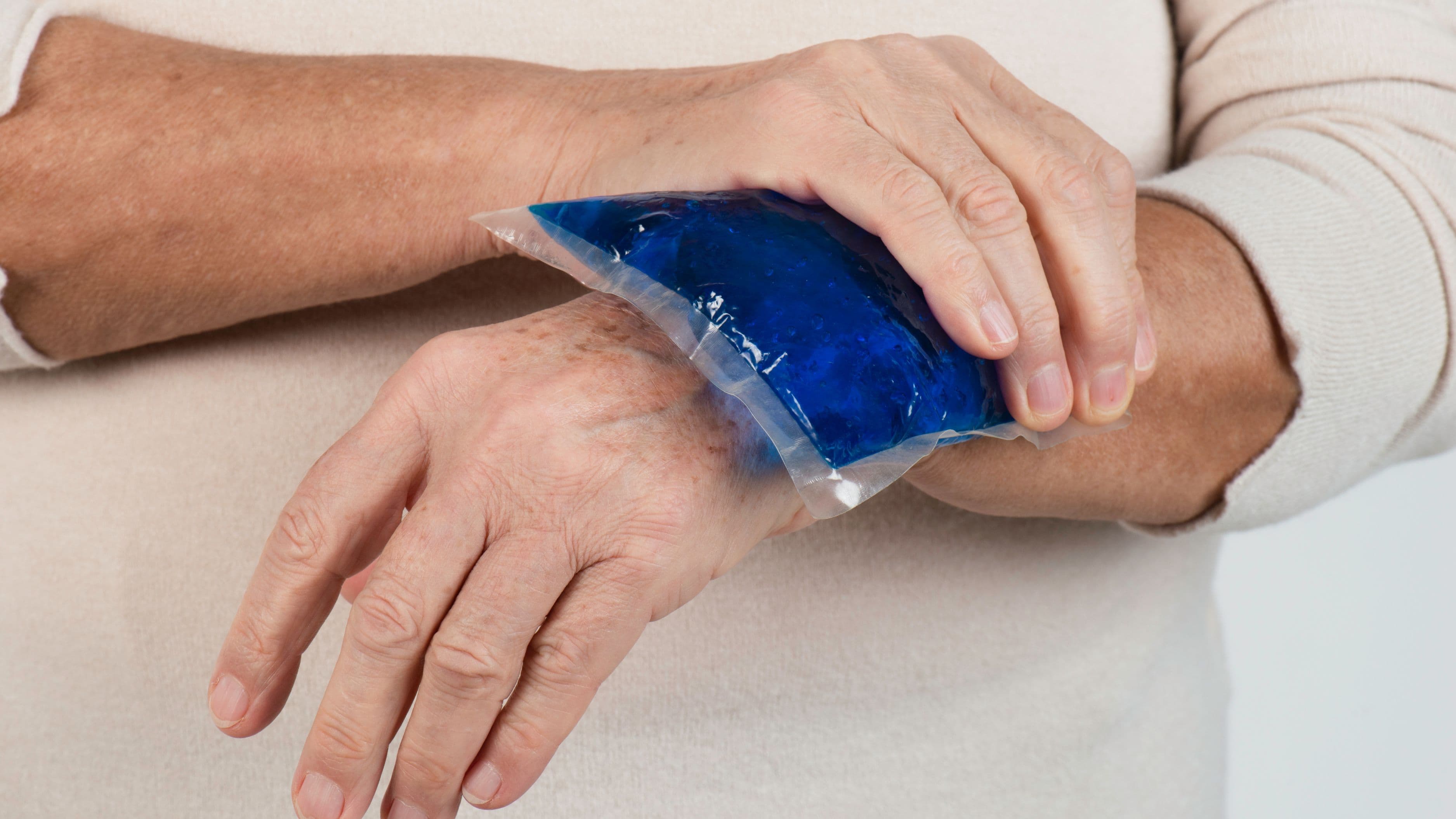
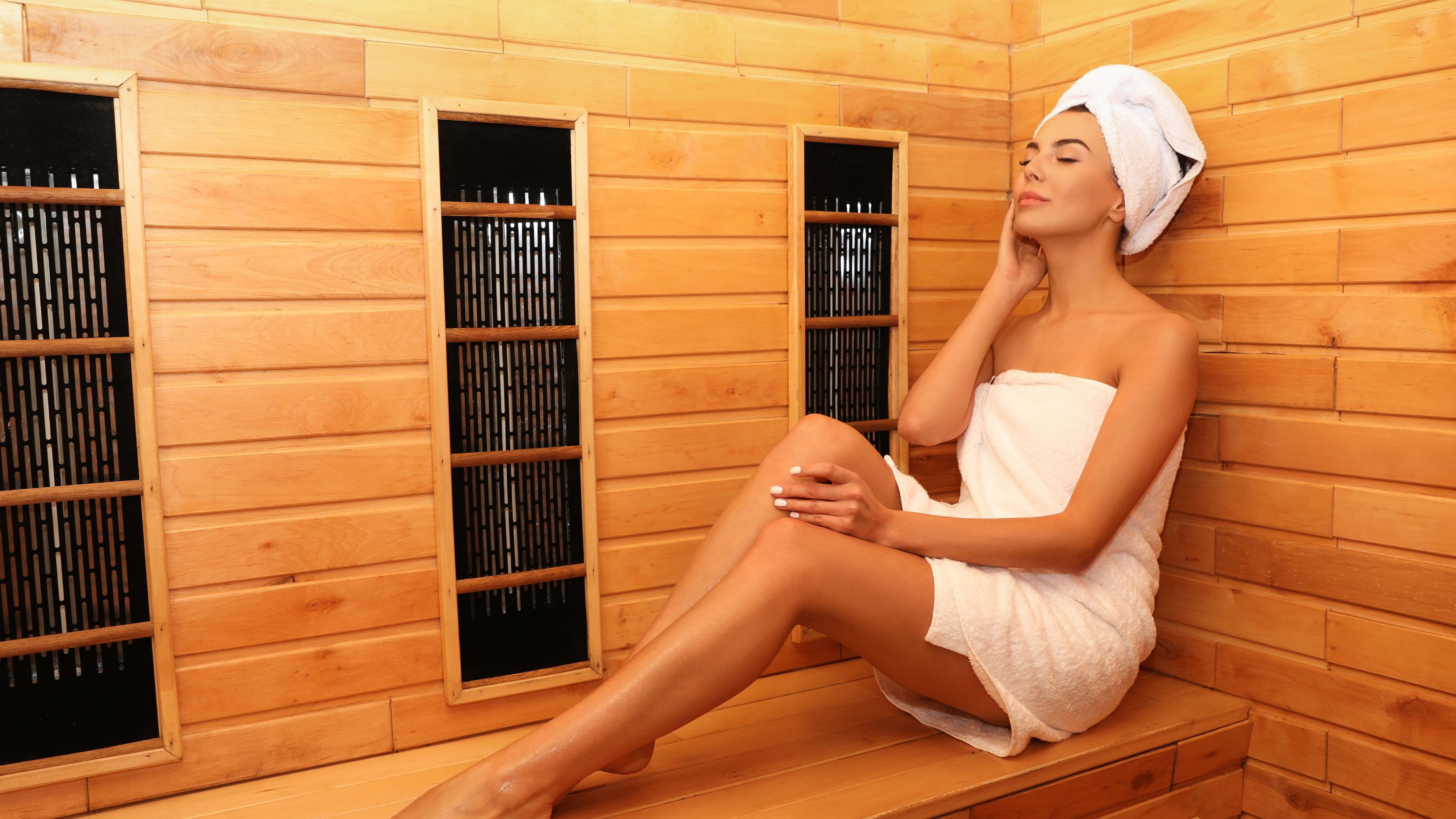
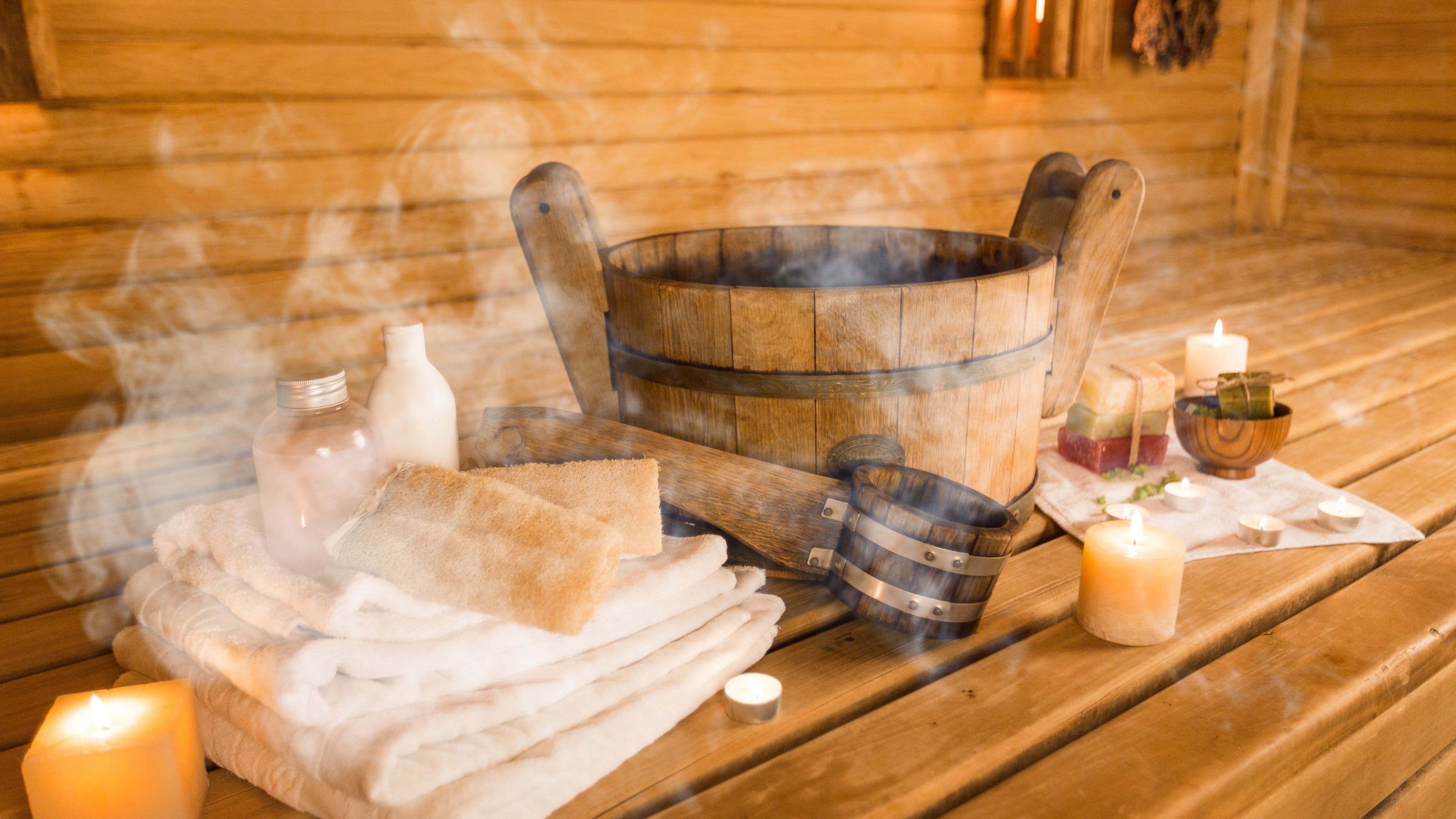
Heat exposure through sauna use triggers vasodilation, increased blood flow, elevated core temperature, and a heat shock protein response that supports cellular repair and has been associated with improved cardiovascular markers over repeated sessions. Cold exposure does the opposite: vasoconstriction, reduced inflammation at the site of muscle damage, and a documented reduction in perceived muscle soreness following intense training.
The interaction between these two responses is where sequencing matters. Alternating heat and cold creates a pumping effect on the vascular system, as blood vessels dilate and constrict in response to each exposure, which some research links to improved circulation and lymphatic drainage beyond what either modality produces alone. This is the mechanism most contrast therapy protocols are built around, though the evidence for the magnitude of benefit is still developing compared to the well-established effects of each modality in isolation.
Sauna First or Cold First: What the Sequence Changes
Sauna-to-cold sequencing (heat first, then cold) is the more commonly recommended order for post-workout recovery. The initial heat exposure increases blood flow to fatigued muscle tissue, and the subsequent cold exposure then constricts vessels and reduces inflammatory markers at a point when circulation is already elevated. This sequence is associated with faster reported reductions in delayed onset muscle soreness in several small trials, though sample sizes remain limited and results aren't uniformly consistent across studies.
Cold-to-sauna sequencing (cold first, then heat) is less commonly used for post-exercise recovery but is sometimes applied for general stress resilience training or cardiovascular conditioning, since starting with cold exposure creates an initial stress response that heat exposure afterward helps the body recover from more gradually. This order is generally not recommended immediately after high-intensity training, since starting with cold before the muscles have had a chance to benefit from increased circulation may blunt some of the intended recovery response.
For most recovery-focused protocols, sauna first, cold second is the sequence supported by the available evidence, particularly when the goal is reducing muscle soreness and supporting recovery between training sessions.
A Practical Protocol
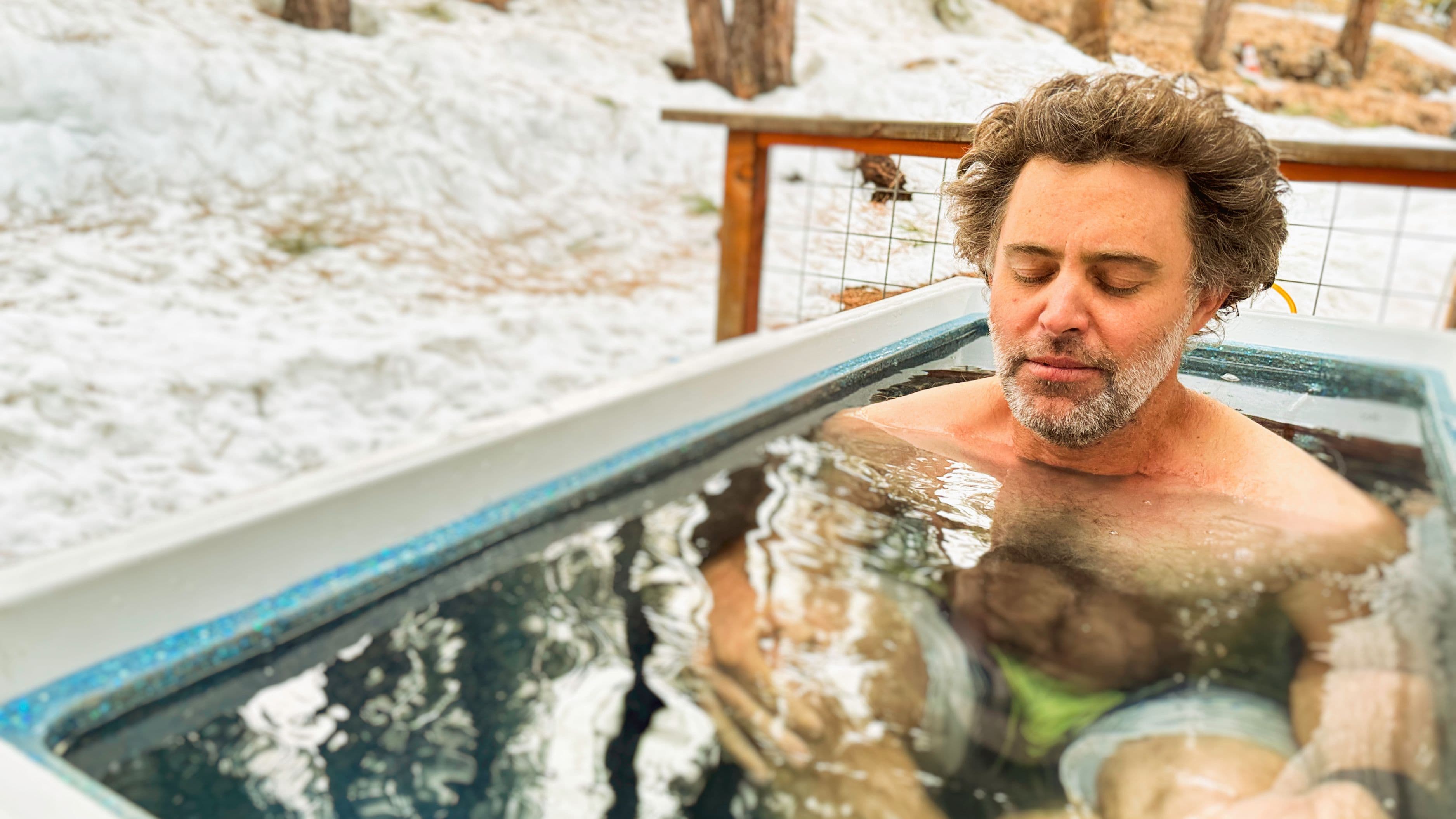
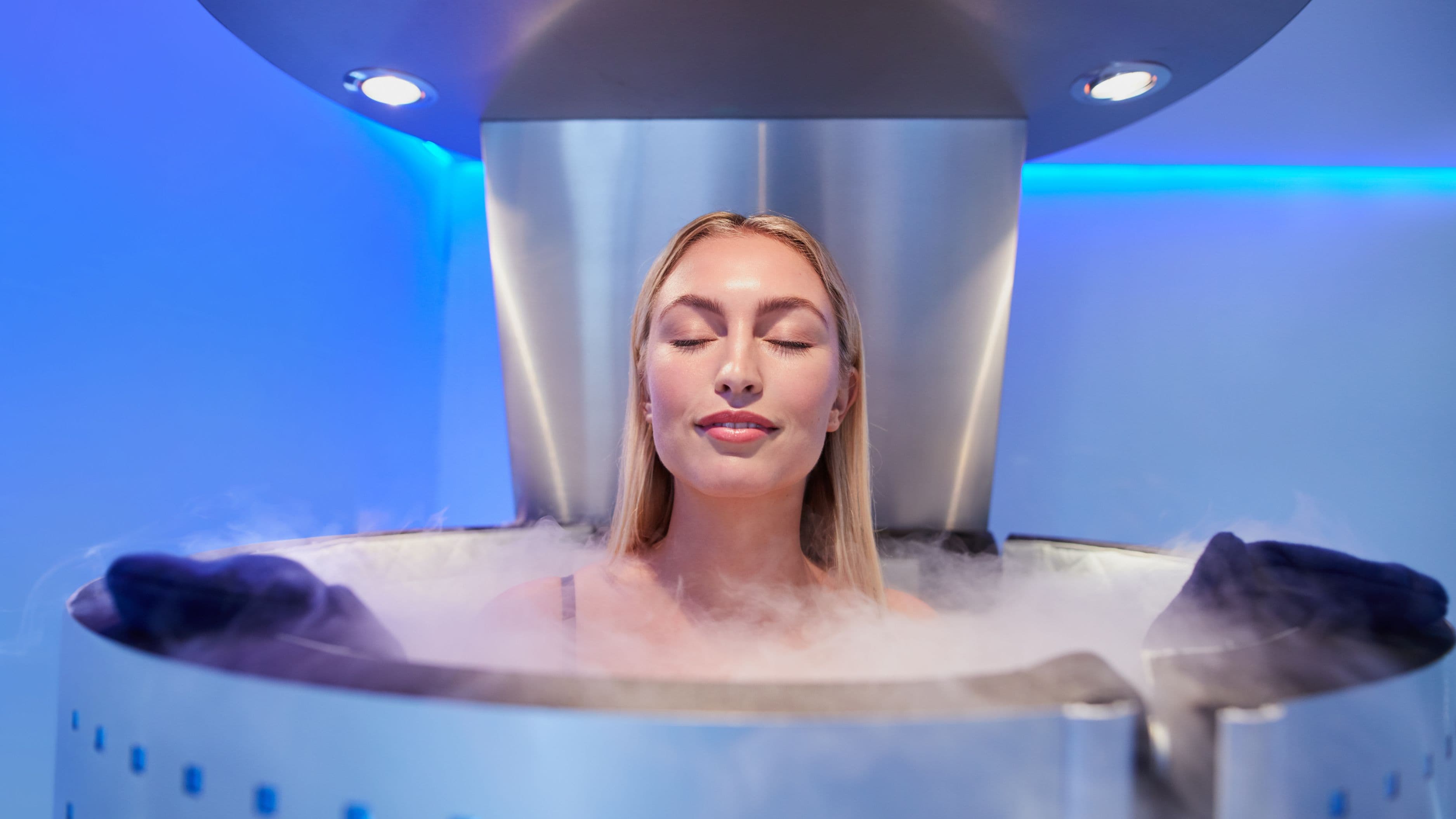
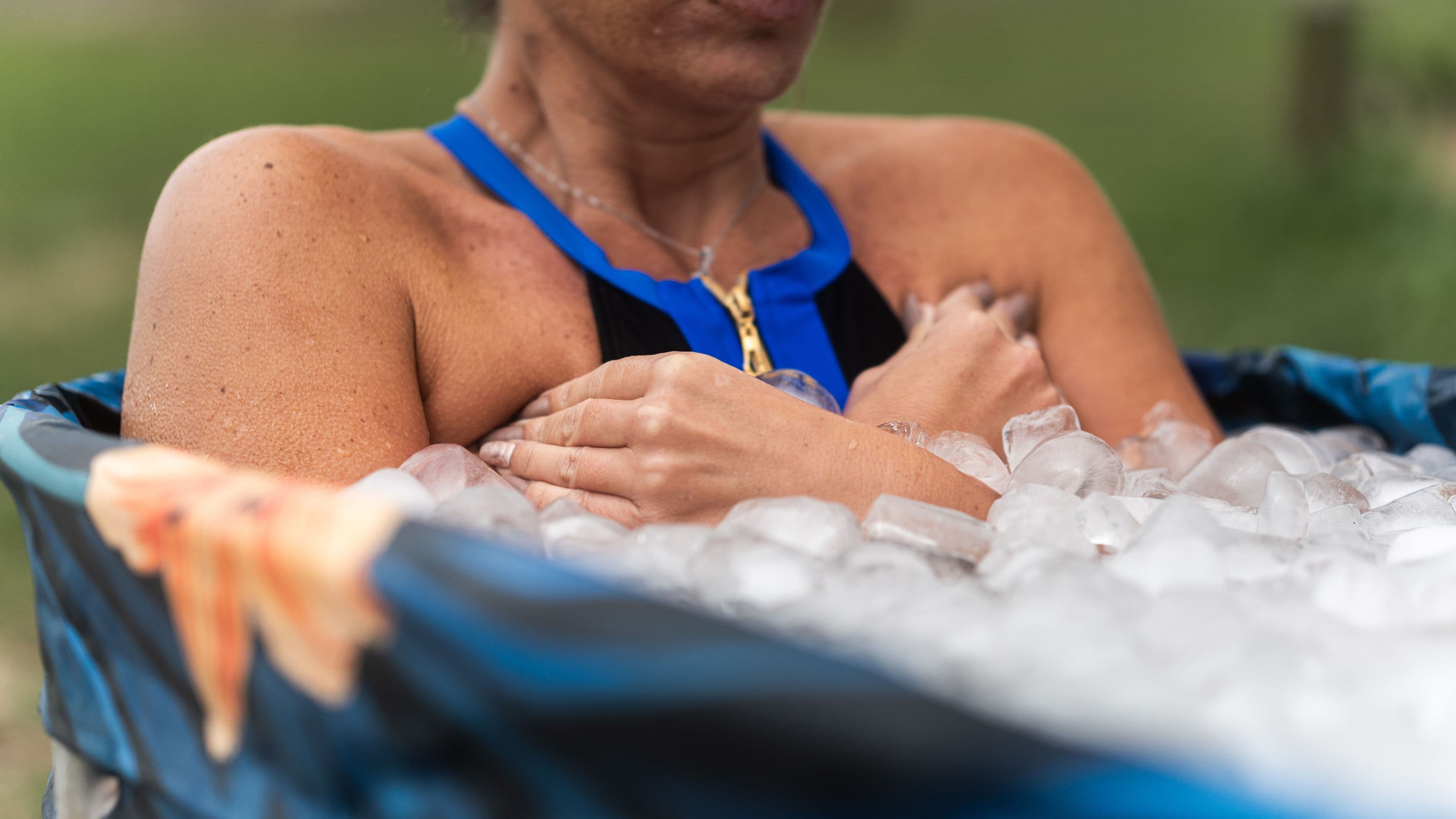
A typical evidence-informed protocol looks like this: 15–20 minutes in a sauna at 160–200°F, followed by 2–5 minutes in a cold plunge at 50–59°F, repeated for 1–3 rounds depending on tolerance and time available. Between rounds, a short rest period of 5–10 minutes at room temperature allows the body to partially normalize before the next cycle, which some practitioners find improves tolerance for subsequent rounds.
Timing relative to training also matters. Contrast therapy performed immediately after strength training, within the first hour, appears most effective for managing acute soreness. However, some research suggests that cold exposure specifically, when used immediately after resistance training aimed at hypertrophy, may blunt some of the muscle-building adaptive response by reducing inflammation that's part of the growth signal. If your primary goal is muscle growth rather than recovery speed, delaying cold exposure by several hours after a hypertrophy-focused session, or reserving contrast therapy for lower-intensity training days, is a more evidence-aligned approach.
Recovery Markers Worth Tracking
If you're serious about optimizing this protocol rather than just doing it because it feels good, track a few objective markers over time. Resting heart rate variability (HRV), measured via a wearable, tends to show improved trends with consistent contrast therapy use in several studies, reflecting better autonomic nervous system recovery. Perceived soreness on a simple 1–10 scale the day after training, tracked consistently, gives you a practical read on whether the protocol is reducing your recovery time. Sleep quality metrics, if you're tracking sleep through a wearable, are also worth monitoring, since some men report improved sleep onset following evening contrast sessions, likely related to the parasympathetic response triggered by the cold exposure phase.
Realistic Expectations and Limitations
Contrast therapy is a genuine recovery tool, not a shortcut around inadequate training recovery fundamentals like sleep, protein intake, and appropriate training volume. The research base, while growing, still consists largely of small studies with limited statistical power, and individual response varies considerably. Some men report significant subjective recovery benefits within a few sessions, while measurable physiological markers like HRV improvements typically take several weeks of consistent practice to show a clear trend.
Don't expect contrast therapy to substantially accelerate muscle growth or override poor training programming. Its primary evidence-backed benefits are in perceived recovery, soreness reduction, and potentially circulatory and autonomic nervous system function, not direct performance or strength gains.
Risks and Who Should Be Cautious
Cold plunge exposure places acute stress on the cardiovascular system, and men with existing heart conditions, uncontrolled blood pressure, or a history of arrhythmia should approach this cautiously. Sauna use similarly raises core body temperature and heart rate substantially, which carries risk for men with cardiovascular conditions or those who are dehydrated. Combining the two in immediate succession compounds the cardiovascular demand rather than simply adding two separate mild stressors.
As with any new recovery or performance protocol involving significant cardiovascular stress, consult a physician before starting, particularly if you have any pre-existing heart, blood pressure, or circulatory conditions, are pregnant, or are taking medications that affect blood pressure or heart rate regulation.
Common Mistakes
A frequent mistake is doing cold exposure too aggressively too soon, spending 10+ minutes in cold water on day one and inducing a stress response that outweighs any recovery benefit. Build tolerance gradually, starting with shorter cold exposures and increasing duration over several weeks. Another common error is skipping adequate hydration before and after sessions, since both heat and cold exposure place real demands on fluid balance, and dehydration blunts the recovery benefits while increasing cardiovascular strain.
FAQ
How often should I do contrast therapy for recovery benefits? Most protocols studied use 2–4 sessions per week, though daily use is common among experienced practitioners. Start with 2 sessions weekly and adjust based on how your body responds.
Is contrast therapy better than sauna or cold plunge alone? The evidence suggests contrast therapy may offer some circulatory benefits beyond either modality alone, but both sauna and cold plunge independently have well-documented benefits. If time or access is limited, using either consistently still provides genuine value.
Can I do contrast therapy every day? Some men do, but there's limited research on optimal frequency, and daily high-intensity cold exposure in particular carries more cumulative cardiovascular demand. Monitor recovery markers and adjust frequency based on how you respond.
📚 Sources
National Library of Medicine – Effects of Cold Water Immersion on Recovery: https://pubmed.ncbi.nlm.nih.gov/28638885/
Journal of Physiology – Heat Shock Proteins and Cardiovascular Adaptation: https://physoc.onlinelibrary.wiley.com/doi/10.1113/JP272456
National Library of Medicine – Sauna Bathing and Cardiovascular Health: https://pubmed.ncbi.nlm.nih.gov/29341302/