

What Each Tool Actually Does
A rotary tool, the kind of tool Dremel made famous, uses a spinning bit to cut, grind, sand, engrave, or polish small, detailed areas. Think of it as a precision tool for fine work: carving, deburring metal edges, engraving, or cutting small openings in materials like plastic, wood, or thin metal. The attachments spin at very high speeds, which makes them excellent for detail work but less suited to larger cutting or demolition tasks.
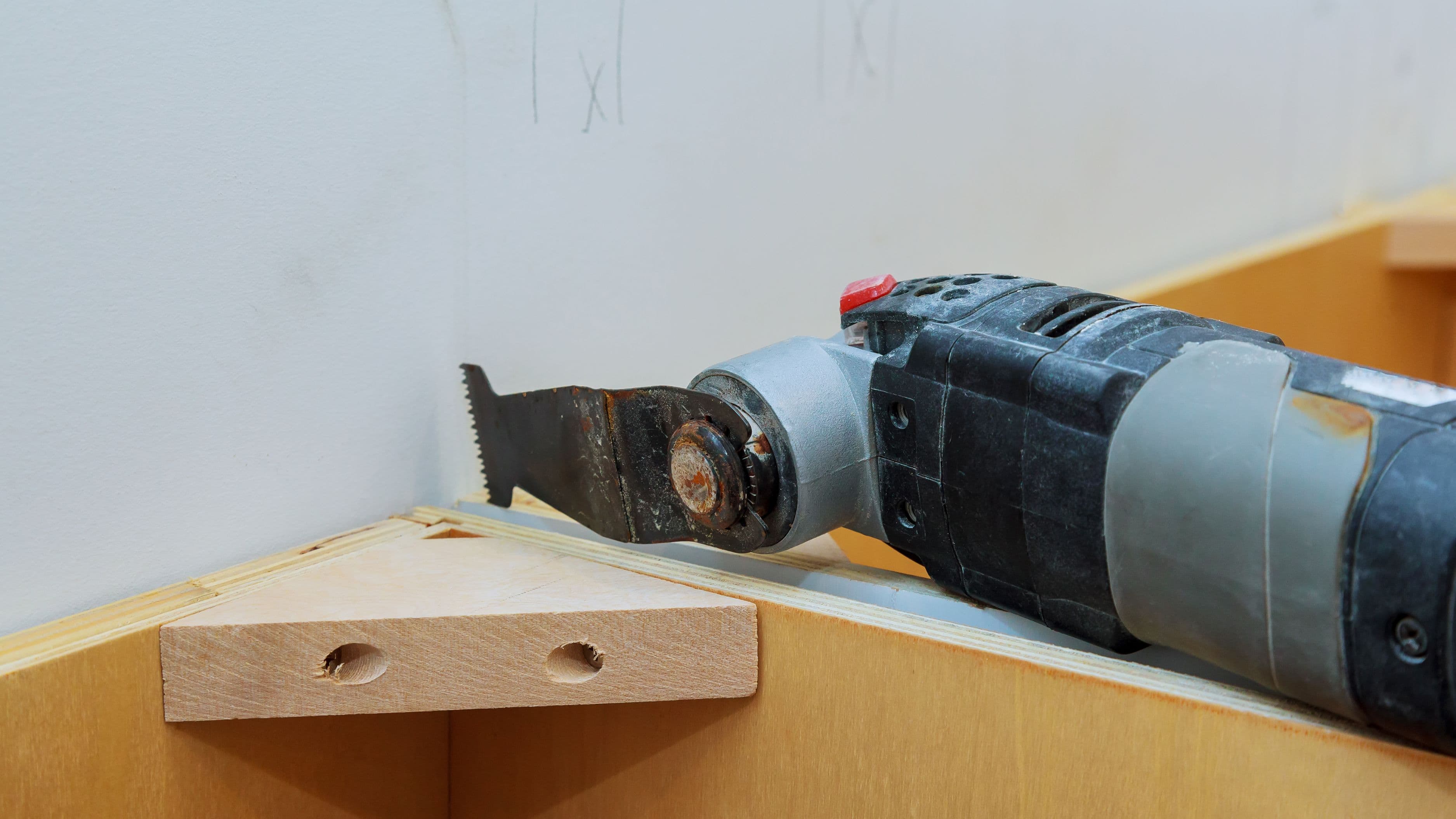
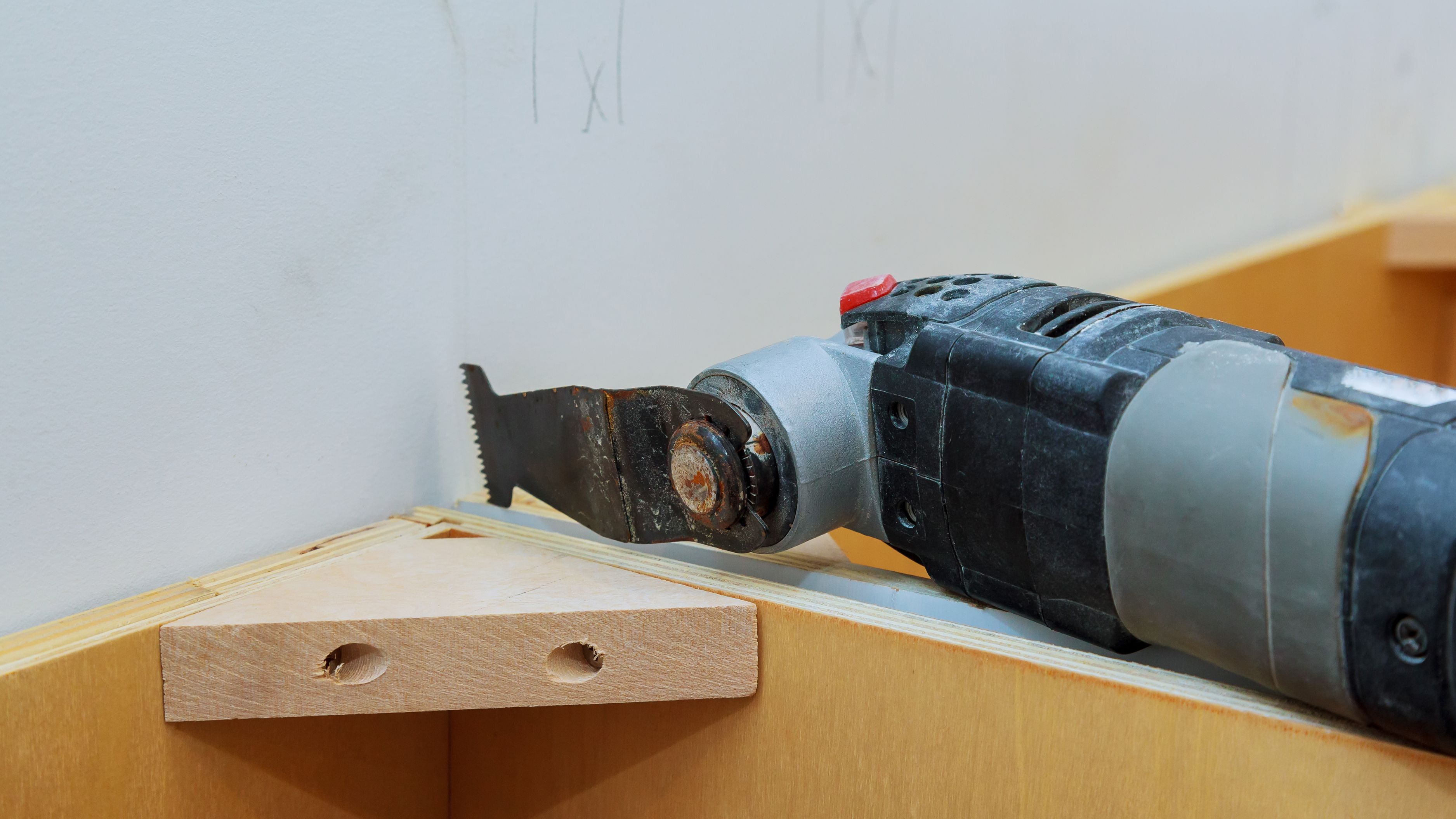
An oscillating tool uses a different mechanism entirely. Instead of spinning, the blade or attachment moves rapidly back and forth in a very small arc, which allows it to cut flush against surfaces, into corners, and through materials without the kickback or wide cutting radius you'd get from a spinning blade. This makes oscillating tools particularly good for flush cuts, like trimming a door jamb to fit new flooring, removing grout, cutting into drywall for an outlet box, or sanding in tight corners a standard sander can't reach.
Where Rotary Tools Win
If your home projects tend toward smaller, detailed work, a rotary tool is going to get more use. Common home tasks that favor a rotary tool include sharpening garden tools and kitchen knives, engraving labels or decorative details, removing rust or paint from small metal parts, cutting small openings in tile or drywall for things like cable routing, and light detail sanding in tight spaces like between banister spindles.
The high-speed spinning action also makes rotary tools genuinely versatile with the right attachment, since a single tool can switch between cutting, grinding, polishing, and engraving functions just by swapping bits. This versatility is a big part of why rotary tools tend to be a common first purchase for homeowners building out a starter toolkit, since one tool covers a wide range of small, detailed tasks.
Where Oscillating Tools Win
Oscillating tools shine on flush cutting and confined-space work that a rotary tool genuinely can't handle well. If you've ever needed to trim door casing to slide new flooring underneath, cut out a section of subfloor without removing surrounding material, remove old caulk or grout from tile lines, or cut a precise opening in drywall for a new electrical box, an oscillating tool is the more appropriate choice. The back-and-forth cutting motion lets you work flush against an existing surface without the wide cutting arc a rotary tool's spinning bit would require.
Oscillating tools are also generally better suited to slightly larger cuts and demolition-adjacent tasks, like removing sections of tile, cutting through nails embedded in wood during a renovation, or scraping adhesive and old flooring material. If your home to-do list leans toward renovation and remodeling tasks rather than fine detail work, an oscillating tool will likely see more use.
Cost and Value Considerations
Rotary tools tend to have a lower entry price point for a basic kit, often costing less than an entry-level oscillating tool, especially if you're comparing corded models. That said, a good rotary tool with a solid attachment set can add up in cost once you account for the various bits and accessories needed for different tasks.
Oscillating tools cost more upfront on average, but they tend to be the tool that gets reached for during actual renovation or repair projects rather than detail or craft work. If you're only planning occasional small maintenance and detail tasks, a rotary tool's lower cost of entry makes sense. If you anticipate flooring, tiling, or drywall projects, the oscillating tool's cost is easier to justify given how much more directly useful it is for those specific jobs.
Do You Actually Need Both?
For homeowners who do a reasonable amount of DIY work across multiple categories, from crafts and small repairs to occasional renovation projects, owning both tools genuinely makes sense, since they serve different enough functions that one doesn't substitute for the other. If you're just starting to build a toolkit and need to choose one first, base the decision on what kind of projects you're actually planning. Renovation, flooring, or drywall work points toward an oscillating tool first. Detail work, small repairs, and craft projects point toward a rotary tool first.
Safety Notes
Both tools use fast-moving blades or bits and require eye protection at minimum. Rotary tools spin at very high RPMs, which means bit fragments or debris can become projectiles if a bit is damaged or improperly secured, so always inspect attachments before use and never exceed the manufacturer's recommended speed for a given bit. Oscillating tools, while generally lower risk due to the smaller cutting motion, can still cause injury if used without care near your hands, particularly during flush cuts where the blade is close to a surface you're also holding steady.
For both tools, unplug or remove the battery before changing attachments, and never attempt to cut through material with embedded nails or screws unless you're using an attachment specifically rated for it, since standard bits and blades can shatter or bind unexpectedly on metal they weren't designed to cut.
What to Avoid
Don't buy the cheapest version of either tool if you plan to use it regularly. Budget rotary tools often struggle with bit wobble and inconsistent speed control, which makes detail work frustrating and less precise. Similarly, budget oscillating tools sometimes have weaker motors that bog down on denser materials like hardwood or tile, leading to slower cuts and more blade wear. A mid-range model from an established brand tends to offer noticeably better performance and durability without needing to buy the most expensive option available.
Also avoid using a rotary tool for tasks that genuinely need an oscillating tool's flush-cutting capability, and vice versa. Forcing a rotary tool into a flush cut, for instance, often produces an uneven result and increases the risk of the bit catching or slipping.
FAQ
Can a rotary tool cut through tile? Yes, with the right cutting wheel attachment, a rotary tool can make small cuts or openings in tile, though for larger tile-cutting projects, a dedicated tile saw or oscillating tool with a tile-rated blade is more efficient.
Is an oscillating tool good for beginners? Yes, the back-and-forth cutting motion is generally more forgiving and predictable than a rotary tool's high-speed spin, making it a reasonably beginner-friendly option for flush cuts and basic renovation tasks.
Do I need a corded or cordless version? Cordless models offer more flexibility for quick tasks and tight spaces, while corded models typically provide more consistent power for longer or more demanding projects. Battery life and charging convenience are worth considering if you plan frequent use.
📚 Sources
Consumer Reports – Power Tool Buying Guide: https://www.consumerreports.org/power-tools/power-tool-buying-guide/
This Old House – Oscillating Tool Uses Explained: https://www.thisoldhouse.com/tools/21015123/oscillating-tool
OSHA – Hand and Power Tool Safety: https://www.osha.gov/hand-power-tools