
What Resistant Starch Actually Is
Resistant starch is a type of carbohydrate that resists digestion in the small intestine and instead reaches the colon largely intact, where it becomes fuel for gut bacteria rather than being broken down into glucose the way most starches are. This distinguishes it functionally from typical dietary fiber and from digestible starches, placing it in its own category with distinct metabolic effects.
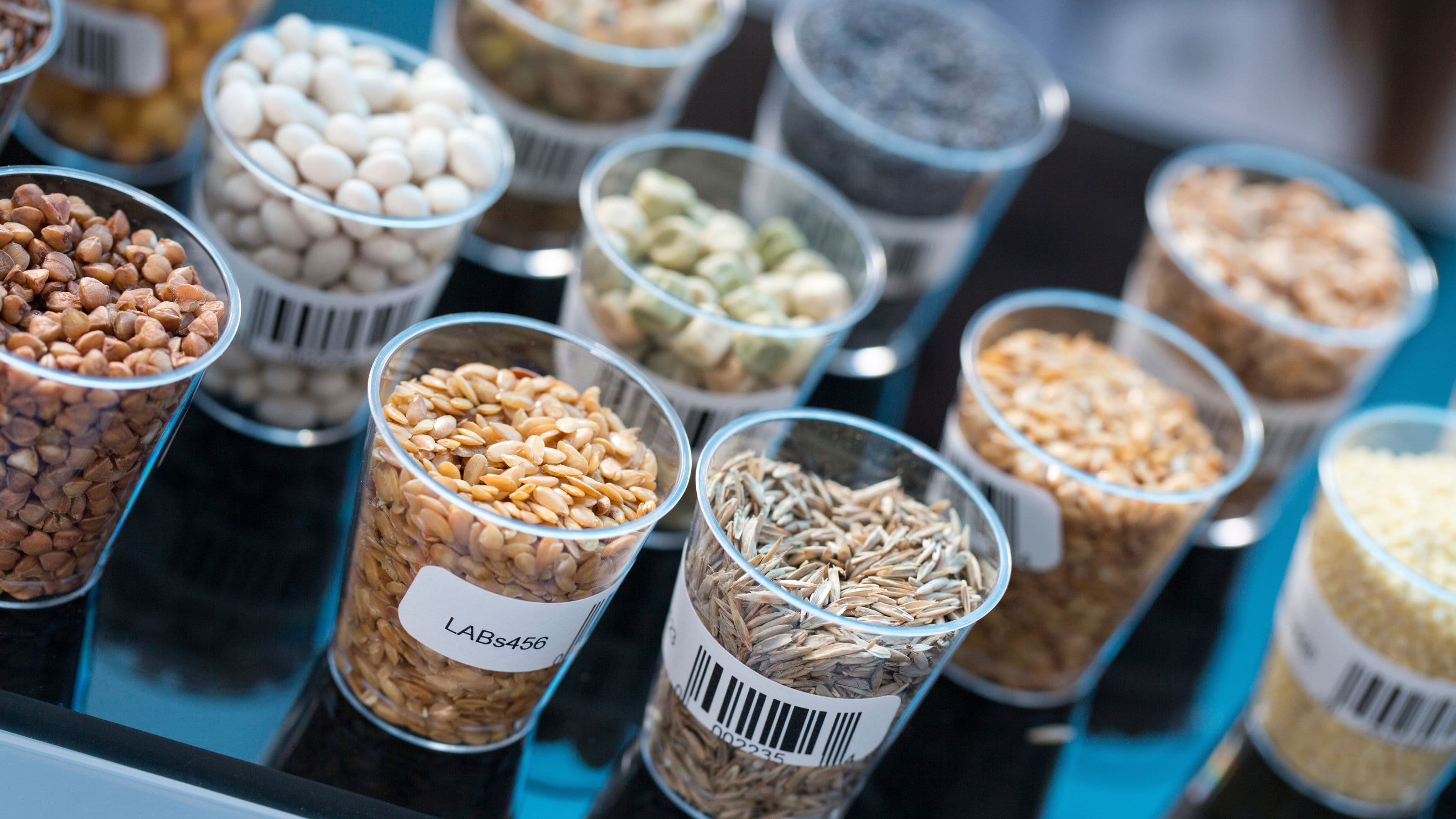
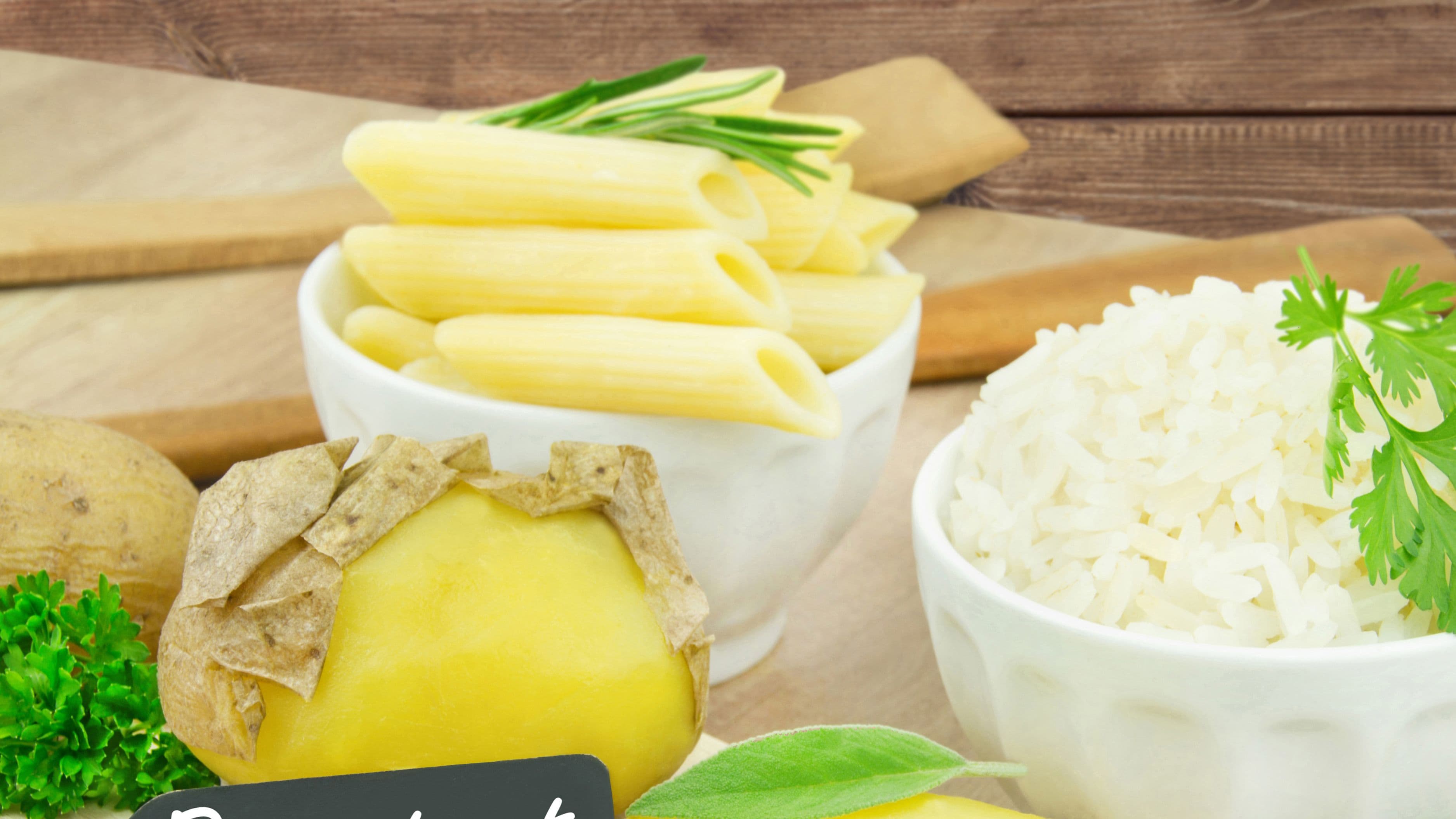
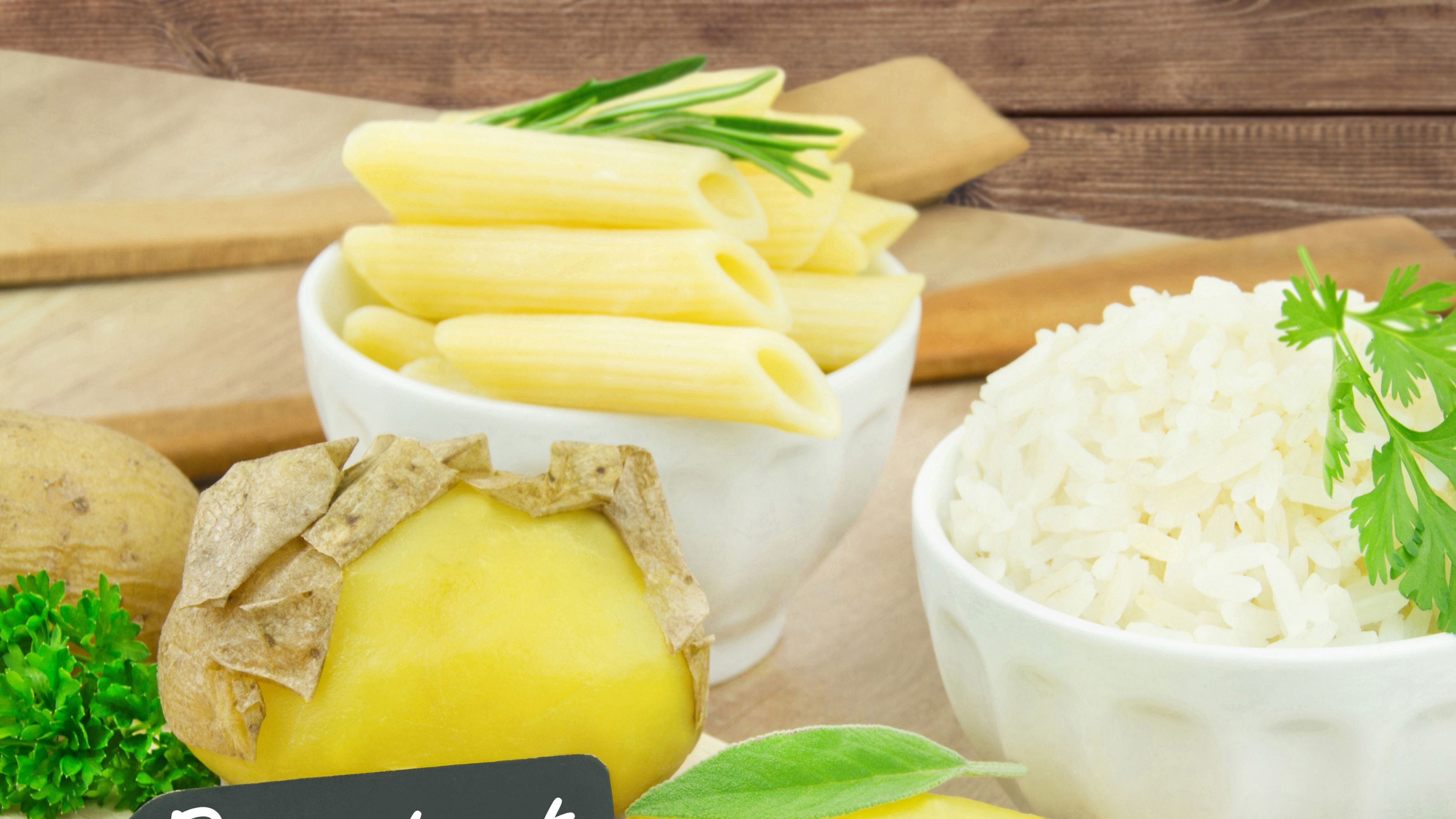
There are four recognized types, ranging from starch trapped within plant cell walls, found in whole grains and legumes, to retrograded starch, which forms when certain starchy foods like potatoes or rice are cooked and then cooled, converting a portion of their digestible starch into a resistant form through a process called retrogradation.
The Mechanism: Why It Matters for Gut Optimization
When resistant starch reaches the colon, gut bacteria ferment it, producing short-chain fatty acids, particularly butyrate, which serves as the primary energy source for colon cells and plays a documented role in maintaining gut barrier integrity. A stronger gut barrier is directly relevant to systemic inflammation, since a compromised intestinal lining allows bacterial byproducts to enter circulation, a process linked to low-grade chronic inflammation that affects metabolic and hormonal function broadly.
Butyrate production from resistant starch fermentation has also been studied for its role in improving insulin sensitivity. Several controlled studies show measurable improvements in insulin response following consistent resistant starch intake, an effect that's particularly relevant for men focused on body composition and metabolic health, since improved insulin sensitivity supports better nutrient partitioning during both training and recovery phases.
Why It's Underused Compared to Other Gut Health Tools
Resistant starch doesn't fit neatly into a sellable supplement format the way probiotics or prebiotic powders do, since its most effective sources are ordinary foods prepared a specific way, cooked and cooled potatoes, rice, and legumes, rather than a capsule with a premium price tag. This makes it commercially less attractive to promote compared to products with higher margins, despite comparable or stronger evidence for several of its effects.
There's also less public awareness of the cooking method that meaningfully increases resistant starch content. Freshly cooked potatoes or rice contain relatively little resistant starch, but cooling them after cooking converts a portion of the digestible starch into the resistant form through retrogradation, a detail most men never learn since it's not part of standard nutrition messaging.
Practical Application
Cooked and cooled potatoes, rice, and legumes are among the most accessible and well-studied sources. Preparing a batch of rice or potatoes, refrigerating it for at least 24 hours, then reheating or eating it cold, meaningfully increases resistant starch content compared to eating it freshly cooked, without requiring any special products.
Green banana flour and raw potato starch, most commonly the specific product labeled as potato starch rather than potato flour, are two of the most concentrated sources available without cooking, since these forms haven't gone through a process that would break down their resistant starch content. Raw potato starch is typically incorporated into cold liquids like a smoothie rather than cooked, since heat can reduce its resistant starch content.
Dosage and Introduction Protocol
Starting with small amounts, roughly 1 to 2 tablespoons of raw potato starch or a modest serving of cooled starchy foods, and gradually increasing over one to two weeks helps minimize the gastrointestinal discomfort, bloating, gas, that commonly occurs when resistant starch intake increases too quickly for gut bacteria to adjust. This adjustment period reflects the fermentation process itself; a rapid increase in fermentable substrate can temporarily overwhelm existing gut bacteria populations before they adapt.
Working up to a target intake of 15 to 20 grams of resistant starch daily aligns with amounts used in several of the controlled studies showing measurable metabolic benefits, though individual tolerance varies significantly and should guide actual intake more than a fixed target number.
Expected Results and Timeline
Digestive comfort and regularity improvements are often reported within the first one to two weeks of consistent intake, as gut bacteria populations shift to better utilize the increased fermentable substrate. Metabolic markers like insulin sensitivity typically require longer consistent intake, generally four to eight weeks in most studies, before measurable changes appear.
Risks and Limitations
Men with existing digestive conditions, particularly IBS or other conditions involving sensitivity to fermentable carbohydrates, may experience worsened symptoms rather than improvement, since resistant starch falls into a category of fermentable fiber that can be poorly tolerated in these conditions. Introducing it gradually and monitoring your individual response matters more than following a generic target intake number. This information doesn't replace an individualized conversation with a physician, particularly for men with diagnosed digestive conditions or metabolic disorders.
FAQ
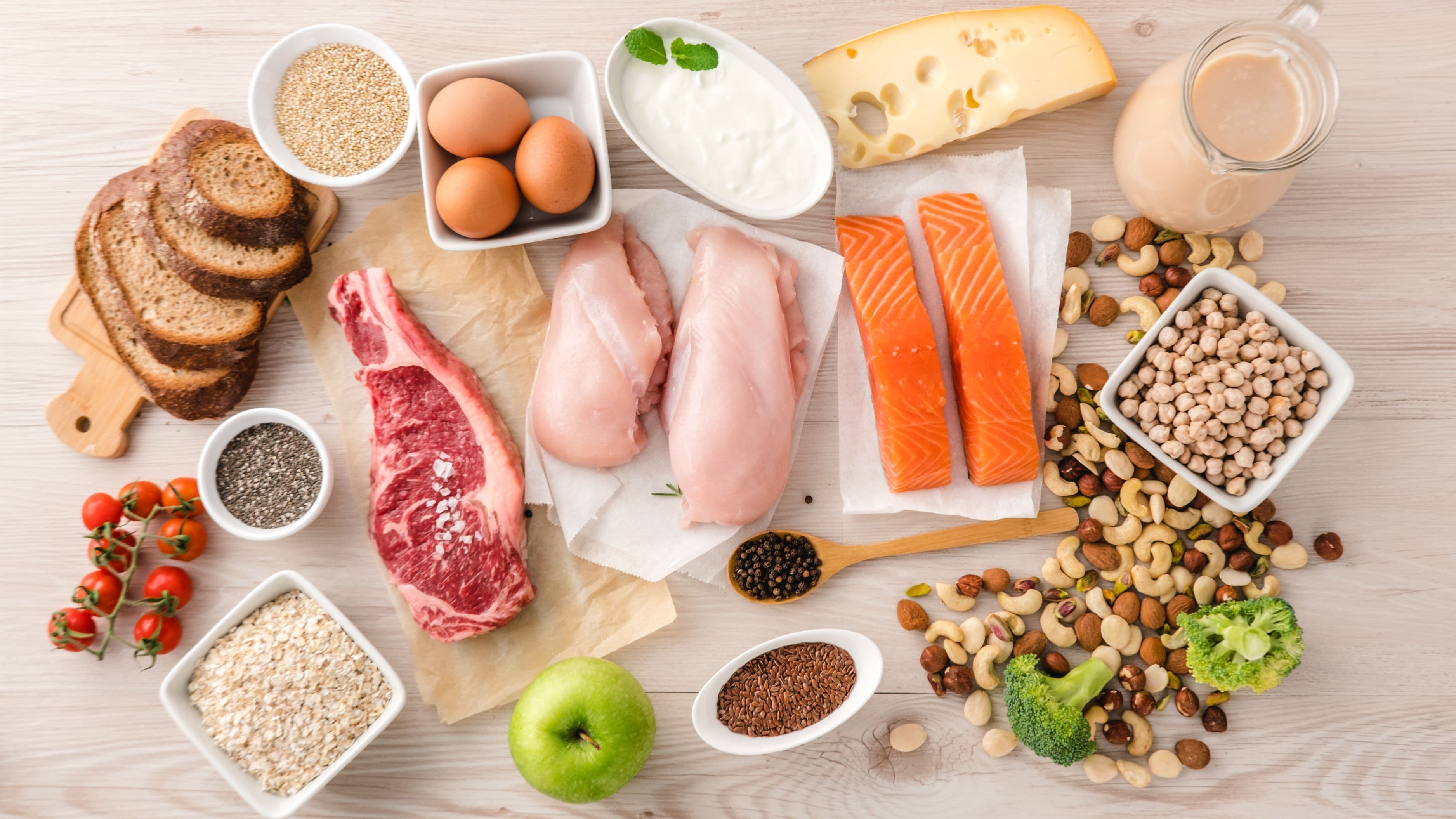
Which foods have the most resistant starch? Cooked and cooled potatoes, rice, and legumes, along with green (unripe) bananas and raw potato starch, are among the most concentrated accessible sources.
Does reheating cooled rice or potatoes reduce the resistant starch content? Reheating reduces it somewhat but doesn't eliminate it entirely; a portion of the resistant starch formed during cooling remains stable even after reheating.
How much resistant starch should I aim for daily? Most supportive research uses intakes in the 15 to 20 gram range, but starting lower and increasing gradually based on your individual digestive tolerance is the more practical approach.
📚 Sources
National Institutes of Health, "Resistant Starch and Gut Health" – nih.gov
American Journal of Clinical Nutrition, "Resistant Starch and Insulin Sensitivity" – ajcn.nutrition.org
🔍 Explore Related Topics
Best food sources of resistant starch
How to increase resistant starch by cooling rice and potatoes