
That's the conversation worth having. And it requires looking at the actual data – not the enthusiast framing and not the reflexive clinical conservatism that dismisses any off-label use outright.
What Rapamycin Is and How It Works
Rapamycin (sirolimus) is a macrolide compound originally isolated from the bacterium Streptomyces hygroscopicus, discovered in soil samples from Easter Island (Rapa Nui, hence the name) in 1972. It was initially developed as an antifungal, then found to have potent immunosuppressive properties, and was FDA-approved in 1999 for preventing organ rejection in transplant patients. The longevity application came later, after the mechanistic biology was better understood.
Its primary target is mTOR – mechanistic target of rapamycin, a serine/threonine kinase that serves as a master regulator of cellular growth, metabolism, and protein synthesis. mTOR exists in two complexes: mTORC1 and mTORC2. Rapamycin preferentially inhibits mTORC1 at standard doses, with mTORC2 inhibition occurring primarily at higher doses or with chronic continuous exposure.
mTORC1 activation drives anabolism – protein synthesis, cellular growth, ribosome biogenesis. It also suppresses autophagy, the cellular recycling process that degrades damaged proteins and organelles. The core longevity hypothesis around rapamycin is that chronic mTORC1 activation accelerates biological aging by promoting cellular growth over cellular maintenance. Rapamycin periodically inhibiting mTORC1 allows autophagy to run, reduces cellular senescence burden, and shifts cells toward a maintenance rather than growth state – effectively mimicking aspects of caloric restriction at the molecular level.
This mechanism connects directly to why IGF-1 elevation and longevity exist in tension (as discussed in the peptide protocol context): both IGF-1 and nutrient signals converge on mTORC1. Rapamycin sits downstream, at the effector level.
The Animal Evidence: Unusually Strong
The mammalian evidence for rapamycin's longevity effects is, by the standards of this field, remarkably consistent. The landmark 2009 ITP (Interventions Testing Program) study – a rigorous, multi-site NIA-funded trial designed specifically to test longevity interventions in genetically heterogeneous mice – showed that rapamycin extended median lifespan by 28% in male mice and 38% in female mice, even when treatment began at the equivalent of 60 human years. That late-life efficacy was surprising and important: it suggested rapamycin wasn't just preventing early disease, but was affecting fundamental aging processes that remained modifiable even in older animals.
Subsequent ITP studies have consistently replicated lifespan extension with rapamycin across multiple dosing regimens and both sexes. No other compound in the ITP program has shown effects of this magnitude and consistency. Metformin, resveratrol, and most other longevity candidates have either failed to replicate or shown far smaller effects in the ITP framework.
Beyond lifespan, rapamycin has demonstrated improvements in healthspan markers in mice: delayed cognitive decline, improved cardiac function, preservation of immune function with aging, reduced cancer incidence, and maintenance of physical performance. These are not artifacts of a single study – they represent a body of converging evidence that is unusual in its breadth for a single pharmacological intervention.
The limitation is species translation. Mice are not men. Interventions that extend mouse lifespan have historically had a poor track record of translating to human benefit. Caloric restriction extends lifespan dramatically in rodents but has much weaker effects in primates. Rapamycin may follow a similar trajectory. Or the mechanism may be conserved enough across mammalian biology to produce meaningful effects. We don't know yet, and that uncertainty is real.
The Human Data: What Actually Exists
There is no randomized controlled trial showing that rapamycin extends human lifespan or healthspan. That trial would take decades and enormous resources, and it doesn't exist. What does exist is a more limited but still informative body of human data.
The most relevant human study is the 2014 Novartis trial by Mannick et al., which tested an mTOR inhibitor (RAD001/everolimus, a rapamycin analog) in elderly adults prior to influenza vaccination. The result was a significant improvement in immune response to vaccination – specifically, an increase in the ratio of naive to effector T cells that characterizes a younger immune profile. This was a direct demonstration of immune rejuvenation in elderly humans through mTOR inhibition, and it was statistically robust. A follow-up 2018 study from the same group showed that low-dose intermittent rapalog treatment reduced the rate of infections in older adults over one year.
Observational data from transplant patients on chronic high-dose rapamycin is a double-edged source. These patients live longer than matched controls who didn't receive transplants (presumably due to the underlying organ disease being resolved), but the immunosuppressive context and high continuous dosing makes it nearly impossible to isolate longevity effects from confounders. What this data does establish is that the adverse effect profile of chronic rapamycin at clinical doses is well-characterized – useful information even if it doesn't prove longevity benefit.
The emerging self-experimentation data from the biohacking community – including surveys and tracking data collected by groups like the Ageist and AgelessRx platforms – provides signal but not evidence. The placebo effect is high in this population, outcomes are self-reported, and confounders are numerous. Treat it as hypothesis-generating, not confirmatory.
Dosing Protocols: How the Serious Longevity Practitioners Are Approaching It
The transplant dosing context – daily rapamycin at 2–5 mg/day targeting trough levels of 5–15 ng/mL – is not the model for longevity applications. That regimen produces significant immunosuppression, metabolic side effects, and long-term risks that are appropriate in the context of preventing organ rejection but not for healthy life extension.
The longevity-oriented dosing approach, advocated by researchers including Matt Kaeberlein (whose Dog Aging Project has produced relevant rapamycin data in companion animals) and Peter Attia in his clinical practice, centers on intermittent low-dose administration. The rationale is that pulse dosing inhibits mTORC1 transiently while minimizing mTORC2 inhibition and allowing immune function to recover between doses.
The most commonly used protocol in this context is 5–6 mg once weekly, taken orally. Some practitioners use a lower dose (2–3 mg) weekly with periodic higher-dose pulses. The grapefruit juice interaction is relevant here – furanocoumarins in grapefruit inhibit CYP3A4, the enzyme that metabolizes rapamycin, and can increase bioavailability by 150% or more. This is either a dangerous interaction to avoid or a deliberate strategy to increase exposure from a lower dose, depending on which practitioners you're reading. The safer approach for those new to rapamycin is to avoid grapefruit entirely and keep dosing consistent.
Rapamycin is fat-soluble. Taking it with a fat-containing meal significantly increases absorption compared to fasted administration – a pharmacokinetic detail that matters at low doses where bioavailability variance is most consequential.
Cycle length is unsettled. Some practitioners use rapamycin year-round at weekly intervals. Others cycle 8–12 weeks on, 4–6 weeks off. The off-cycle rationale includes allowing complete mTOR signal recovery and avoiding any potential long-term mTORC2 inhibition at weekly dosing. There is no clinical trial data defining optimal cycle structure for longevity use.
The Real Risks: What Deserves Serious Weight
The risk profile of rapamycin at longevity doses is meaningfully different from transplant doses, but it's not benign. Honest practitioners in this space acknowledge the following:
Immunosuppression is the primary concern. At weekly 5–6 mg dosing, the immunosuppressive effect is substantially lower than daily transplant dosing, and the Mannick studies actually showed immune improvement in elderly subjects at low intermittent doses. However, in younger adults with healthy immune function, any degree of immunosuppression is a cost without clear benefit. Risk of infections, including opportunistic infections, is real even at low doses.
Metabolic effects. Rapamycin at higher or continuous doses is associated with insulin resistance, dyslipidemia (elevated triglycerides and LDL), and impaired wound healing. At weekly low doses these effects are generally reported to be minor, but monitoring fasting glucose, HbA1c, and lipid panels is non-negotiable for anyone using this compound.
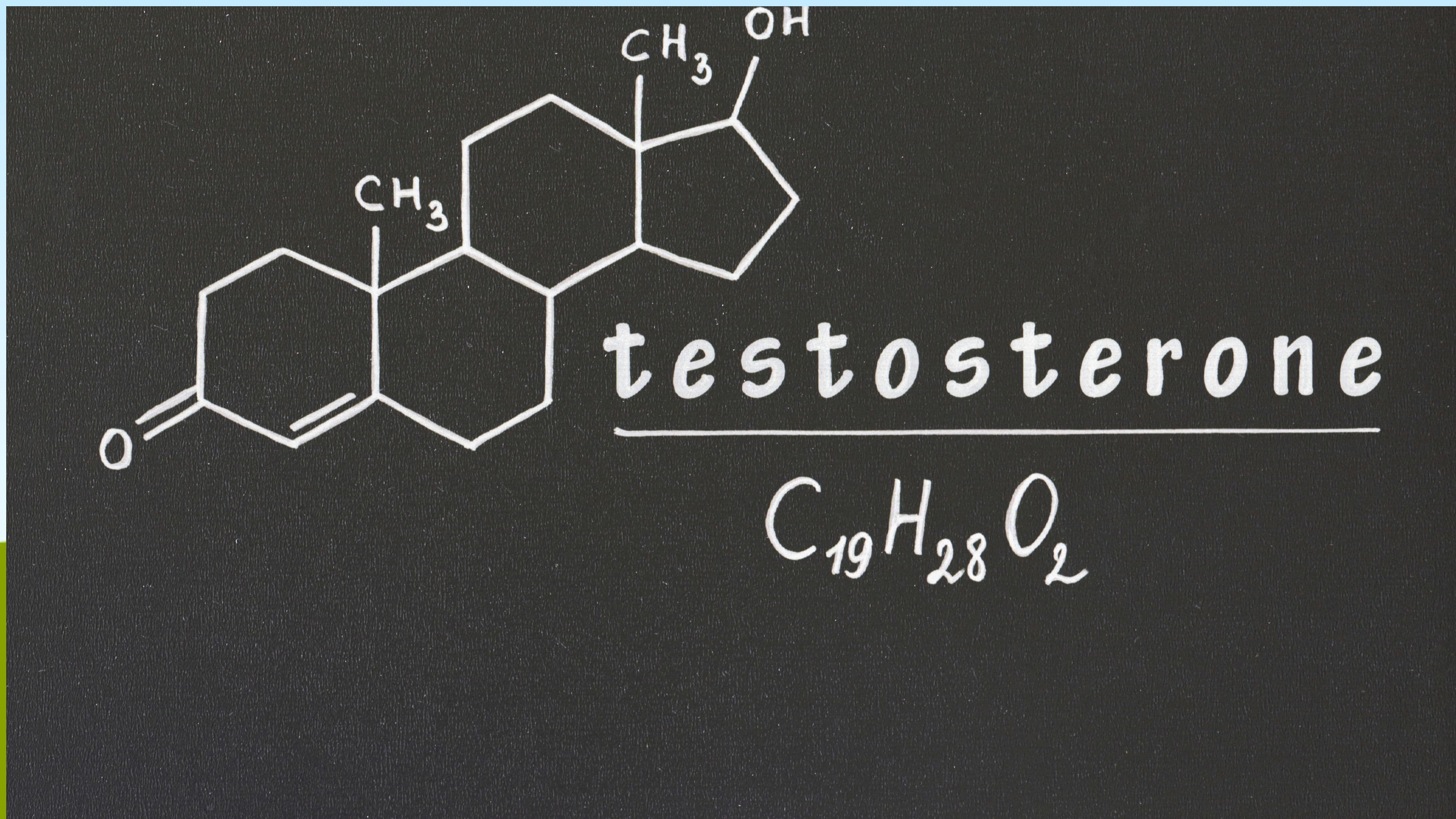
Reproductive effects. Rapamycin has demonstrated effects on testosterone production and spermatogenesis in animal models, and there are case reports of testicular dysfunction in male transplant patients. For younger men, this is a genuine concern that warrants monitoring of total testosterone and FSH/LH if rapamycin is used.
Mouth sores (aphthous ulcers) are the most commonly reported side effect at any dose and are often dose-limiting. They typically resolve with dose reduction or cycle breaks.
Drug interactions. Rapamycin is a CYP3A4 substrate and P-glycoprotein inhibitor. Statins, antifungals, certain antibiotics, and multiple common medications affect rapamycin blood levels. A complete medication review is essential before initiating.
Unknown long-term effects in healthy adults. The honest caveat is that no one has used intermittent low-dose rapamycin for longevity purposes in a well-monitored population for 20+ years. The transplant data tells us about daily high-dose chronic use in sick patients. The extrapolation to healthy intermittent use is reasonable mechanistically but remains, at its core, an extrapolation.
How It Compares to Other Evidence-Backed Longevity Interventions
The field has a short list of interventions with serious mechanistic and empirical support. Rapamycin, metformin, senolytics (navitoclax, dasatinib + quercetin), NAD+ precursors (NMN, NR), and caloric restriction/fasting all have literature behind them. Where does rapamycin sit?
In terms of animal lifespan evidence, rapamycin is the clear leader – nothing else in the ITP program matches its consistency and magnitude. Metformin has shown lifespan extension in some rodent studies but has failed in others and produces more modest effects. The TAME trial (Targeting Aging with Metformin) is running a large human trial that will clarify metformin's human longevity effects, but results are years away.
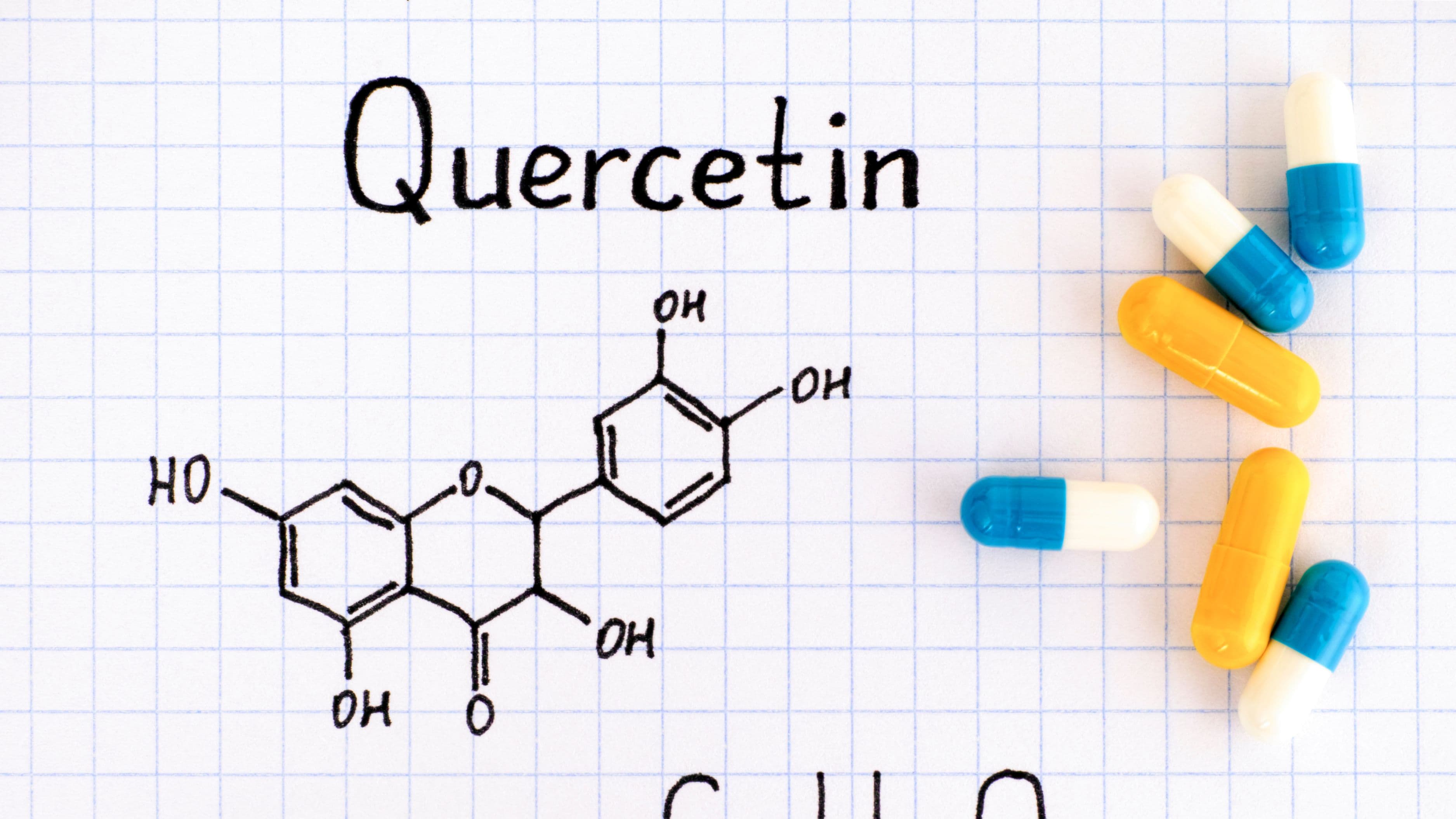
Senolytics – drugs that selectively clear senescent cells – have a compelling mechanistic rationale and early positive data in humans (the Mayo Clinic dasatinib + quercetin work showing reduced senescent cell burden and improved physical function in idiopathic pulmonary fibrosis patients), but the human evidence base is still thin and the protocols are less settled.
NAD+ precursors have extensive mechanistic support through sirtuin and PARP activation but disappointing lifespan extension data in animal models. The human data shows reliable NAD+ elevation but hasn't demonstrated the downstream functional outcomes the mechanism would predict.
Caloric restriction and time-restricted eating have the strongest human evidence for metabolic and inflammatory biomarker improvement, but no direct lifespan data in humans and complex compliance realities.
Rapamycin's position as the most evidence-backed longevity pharmacological intervention is defensible specifically in the animal model context and mechanistically in humans. Whether that translates to the most compelling choice for a healthy individual is a separate question that depends heavily on risk tolerance, age, and health status.
Who This Is (and Isn't) For
Rapamycin for longevity is not a protocol for men in their 20s or early 30s with no significant biological aging concerns. The risk-benefit ratio is least favorable in this population: immunosuppressive exposure, potential reproductive effects, and metabolic risks against a background of already-functional autophagy and low senescent cell burden. The animal data showing late-life efficacy actually suggests the intervention may matter more later.
The most defensible use case is men in their 40s and beyond with documented metabolic aging markers, declining immune function, or specific risk factors that the mTOR inhibition mechanism directly addresses. Medical supervision with regular biomarker monitoring is not optional in this context – it's what separates informed use from recklessness.
Anyone considering rapamycin should get baseline labs including complete metabolic panel, fasting lipids, HbA1c, testosterone panel, and CBC before initiating, and repeat these at 3-month intervals during use. Trough rapamycin blood levels can be tested to establish actual exposure at your dosing protocol and are worth running at least once early in use.
FAQ
Does rapamycin need to be prescribed? In the United States, rapamycin (sirolimus) is a prescription medication. It is available through longevity-focused physicians who will prescribe it off-label for aging indications, and through telehealth platforms like AgelessRx that specialize in this space. It is not legally available over the counter in the US.
What's the difference between rapamycin and rapalogs like everolimus? Rapalogs are rapamycin analogs engineered for modified pharmacokinetics or tissue distribution. Everolimus has a shorter half-life than rapamycin, which some practitioners prefer for pulse dosing. The mechanistic action is essentially the same – mTORC1 inhibition. Rapamycin is generally more available and less expensive; everolimus is used more often in the clinical oncology and transplant context.
Can rapamycin be stacked with other longevity interventions? Yes, and most practitioners in this space use it as part of a broader protocol. The most coherent stacks pair rapamycin with interventions that work through complementary mechanisms: NAD+ precursors (sirtuin/PARP pathway), senolytics (senescent cell clearance), and metformin (AMPK activation/mTOR inhibition via a different node). Avoid stacking with interventions that strongly activate mTOR – high-dose GH secretagogue protocols, for example, work against rapamycin's primary mechanism.
Will rapamycin blunt training adaptations? This is a legitimate concern. mTORC1 is a required signal for muscle protein synthesis and hypertrophic adaptation. Rapamycin administered close to training sessions has been shown to blunt acute anabolic signaling in some studies. The practical mitigation is simple: don't take rapamycin on training days or within 24 hours pre/post-training. Weekly dosing on a rest day minimizes this conflict.
How long before you'd expect to see measurable effects? Immune biomarkers (naive/effector T cell ratio, vaccine response) are the most validated short-term markers and can show change within 3–6 months. Epigenetic age testing (biological age clocks) is the most meaningful longer-term tracking tool – run baseline and 12-month follow-up assessments using a methylation-based test. Standard metabolic and hormonal labs should be monitored every 3 months regardless.
The Bottom Line
Rapamycin has the strongest animal longevity evidence of any drug currently available, a well-characterized and biologically compelling mechanism, and early human data showing meaningful immune rejuvenation effects. It also carries real risks – immunosuppression, metabolic effects, reproductive concerns – that are non-trivial and require genuine medical oversight, not self-experimentation with an internet protocol.
For the right candidate, approached with appropriate rigor, it may be the most pharmacologically meaningful longevity tool currently available. That conclusion requires accepting significant uncertainty about long-term human outcomes that no current study has resolved. If you're not comfortable holding that uncertainty with clear eyes, this isn't the protocol for you.
📚 Sources
Harrison, D.E., et al. (2009). Rapamycin fed late in life extends lifespan in genetically heterogeneous mice. Nature – https://www.nature.com/articles/nature08221
Mannick, J.B., et al. (2014). mTOR inhibition improves immune function in the elderly. Science Translational Medicine – https://pubmed.ncbi.nlm.nih.gov/25336222/
Mannick, J.B., et al. (2018). TORC1 inhibition enhances immune function and reduces infections in the elderly. Science Translational Medicine – https://pubmed.ncbi.nlm.nih.gov/29997249/
Kaeberlein, M. (2021). How healthy is the healthspan concept? GeroScience – https://www.ncbi.nlm.nih.gov/pmc/articles/PMC8380001/
Miller, R.A., et al. (2014). Rapamycin-mediated lifespan increase in mice is dose and sex dependent and metabolically distinct from dietary restriction. Aging Cell – https://pubmed.ncbi.nlm.nih.gov/24341993/
Blagosklonny, M.V. (2019). Rapamycin for longevity: opinion article. Aging (Albany NY) – https://www.ncbi.nlm.nih.gov/pmc/articles/PMC6814615/
Justice, J.N., et al. (2019). Senolytics in idiopathic pulmonary fibrosis: Results from a first-in-human, open-label, pilot study. EBioMedicine – https://www.ncbi.nlm.nih.gov/pmc/articles/PMC6413310/
Laplante, M., & Sabatini, D.M. (2012). mTOR Signaling in Growth Control and Disease. Cell – https://pubmed.ncbi.nlm.nih.gov/22500797/