


This isn't about gadget accumulation. A poorly curated stack produces noise, not insight. The goal is minimum viable measurement – the smallest set of inputs that generates maximum decision-making leverage over the variables that actually matter. Here's how to build it intelligently, what each layer measures, and what the data is actually worth.
Layer 1: Continuous Wearable Monitoring
Continuous wearables are the foundation of the stack. They generate longitudinal data on the variables that fluctuate daily and drive recovery, readiness, and hormonal output – without requiring active input from you once they're on.
Heart Rate Variability
HRV is the most information-dense single metric available from a consumer wearable. It measures the millisecond variation between successive heartbeats, which reflects the balance between sympathetic and parasympathetic nervous system activity. High HRV, relative to your personal baseline, indicates adequate recovery, low systemic stress load, and strong autonomic resilience. Suppressed HRV precedes performance decline, illness onset, and overtraining states by 24 to 72 hours in most users – meaning it's predictive, not just descriptive.
The critical point is that HRV is only meaningful relative to your own rolling baseline. Comparing your HRV absolute number to population averages is largely irrelevant. What matters is trend deviation from your personal 30-day rolling mean. A 10–15% drop from baseline is a meaningful signal. A 20%+ drop warrants genuine protocol adjustment – reduced training load, prioritized sleep, investigation of external stressors.
Oura Ring Gen 3 and Whoop 4.0 are the two most validated consumer options for overnight HRV tracking. Both measure HRV during the stabilized non-REM sleep window (avoiding post-exercise artifact) and output a daily readiness or recovery score derived from HRV, resting heart rate, and sleep stage data. Whoop provides more granular strain tracking for training load management; Oura provides stronger sleep stage analysis. Both are worth running simultaneously for 60 to 90 days if you want to cross-validate the data before choosing one.
Resting Heart Rate
Resting HR trends alongside HRV and provides a simpler, less volatile signal. Elevated resting HR – 5 to 8 bpm above your rolling baseline – typically indicates accumulated fatigue, dehydration, subclinical illness, or excessive alcohol the prior evening. Over months, declining resting HR at a given training volume indicates improving cardiovascular adaptation. Rising resting HR with unchanged lifestyle is worth investigating.
Sleep Stage Distribution
Oura's sleep staging (via accelerometry and photoplethysmography) provides an approximation of N1, N2, N3, and REM distribution across the night. The approximation is imperfect relative to polysomnography but accurate enough to identify meaningful trends and flag architectural disruption. Track slow-wave sleep percentage as a primary metric – anything consistently below 15–18% of total sleep time in a man over 35 warrants protocol investigation.
Layer 2: Continuous Glucose Monitoring
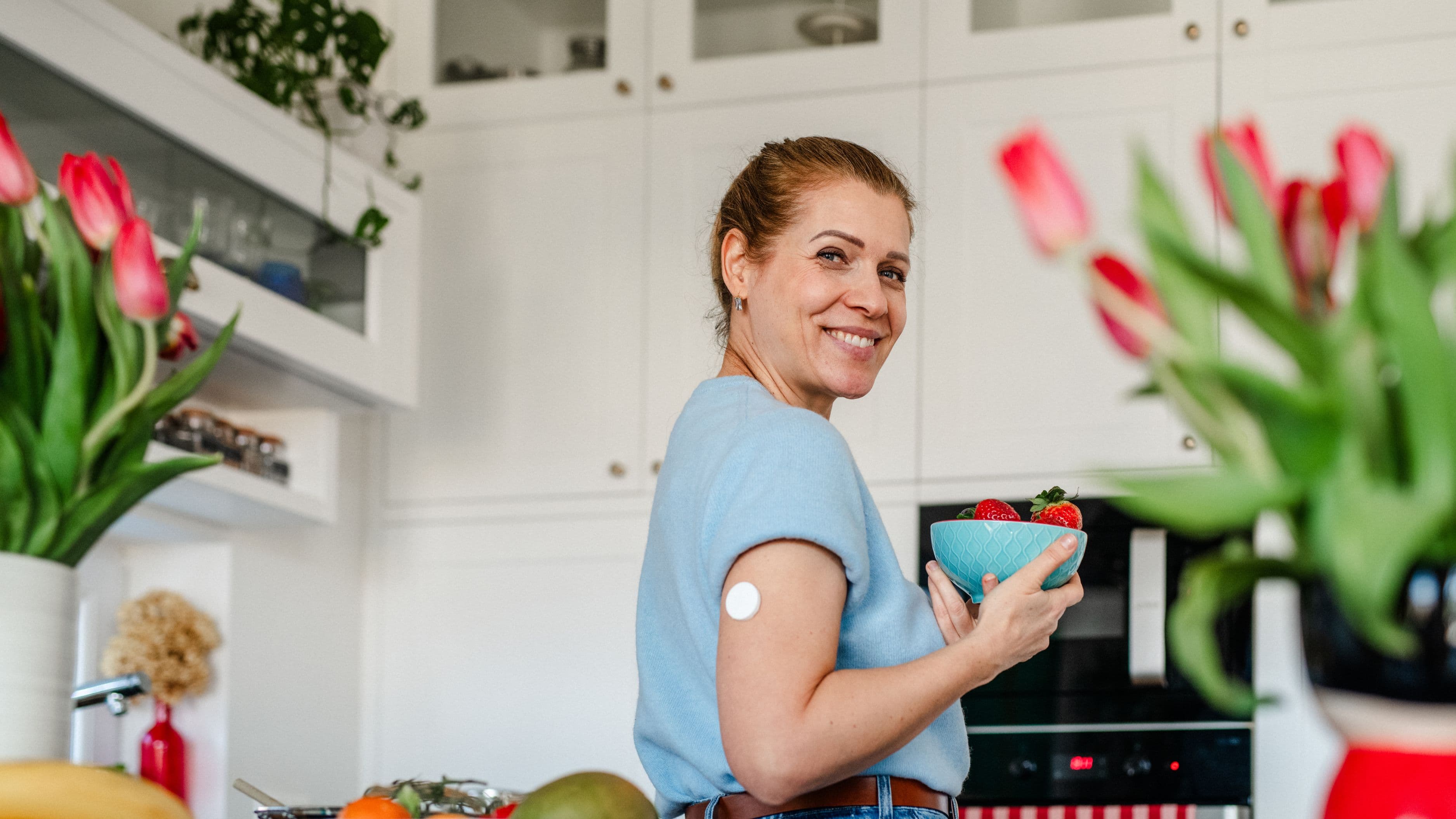
A CGM (continuous glucose monitor) worn for 14 to 30 days is one of the highest-signal interventions available to a high-performing professional who has never run one before. It measures interstitial glucose every 5 minutes, 24 hours a day, generating a data set that reveals your metabolic response to specific foods, meal timing, training, stress, sleep quality, and alcohol with a granularity that no other tool provides.
The primary value is not diagnosing diabetes – it's identifying the foods and behavioral patterns that produce glucose variability in your specific physiology. Population-level nutrition advice becomes largely irrelevant once you've run a CGM. You'll discover which of your "healthy" food choices produce significant glucose spikes, how your sleep quality affects fasting glucose the following morning, how stress-induced cortisol spikes glucose independently of food intake, and how your post-exercise glucose response compares to expectation.
Levels Health is the most complete CGM platform for non-diabetic optimization use – it provides app integration, trend analysis, and food scoring overlaid on your CGM data. Abbott Libre 3 and Dexcom G7 are the underlying sensor options, available through Levels or directly with a physician's prescription in the US.
For a first run, wear the CGM for at least two weeks without changing your baseline behavior. The first run is diagnostic – you want to see what your actual patterns look like, not an optimized version. Intervention runs come after.
Key metrics to track from CGM data: fasting glucose on waking (target under 100 mg/dL consistently), post-meal glucose excursion magnitude (ideally under 30–40 mg/dL spike from pre-meal baseline), time-in-range (80–140 mg/dL, target 90%+), and overnight glucose stability (absence of nocturnal glucose crashes or prolonged elevation).
Layer 3: Blood Biomarker Panel
Wearables measure output signals. Blood biomarkers measure the underlying biological infrastructure. A comprehensive periodic panel – run quarterly or biannually depending on your baseline and any interventions in progress – is non-negotiable for understanding what's actually driving the patterns your wearables surface.
The core panel for men over 35 pursuing optimization should include:
Hormonal: Total testosterone, free testosterone (calculated or equilibrium dialysis), SHBG, LH, FSH, estradiol, DHEA-S, cortisol (morning draw, 7:00–9:00am). These collectively assess both production capacity and the binding/conversion environment. Total testosterone in isolation is insufficient – a man with total T of 650 ng/dL and high SHBG may have less bioavailable testosterone than a man at 500 ng/dL with low SHBG.
Metabolic: Fasting glucose, fasting insulin, HbA1c, HOMA-IR (calculated from glucose and insulin), triglycerides, HDL, LDL particle count (NMR LipoProfile or ApoB is superior to standard LDL-C for cardiovascular risk stratification), hsCRP. HOMA-IR is the most underutilized metric in this panel – it quantifies insulin resistance directly and predicts metabolic dysfunction years before HbA1c becomes abnormal.
Thyroid: TSH, free T3, free T4, reverse T3. Subclinical hypothyroidism is significantly underdiagnosed in men and produces symptoms (fatigue, cognitive fog, impaired body composition response to training) that are frequently misattributed to other causes. Reverse T3 elevation relative to free T3 indicates conversion impairment, often driven by chronic caloric restriction, excessive training load, or significant physiological stress.
Recovery and inflammation: Ferritin, vitamin D (25-OH), zinc, magnesium (RBC magnesium, not serum), omega-3 index. Ferritin and vitamin D deficiency are among the most common and most impactful nutritional gaps in high-performing men – both affect energy, cognitive function, immune competence, and training adaptation, and neither produces obvious acute symptoms until deficit is significant.
Advanced: Homocysteine, Lp(a), ApoE genotype (once, not repeated). These provide cardiovascular and longevity risk stratification beyond standard panels. Lp(a) in particular is genetically determined, not responsive to lifestyle, and substantially elevates cardiovascular risk independent of other lipid markers – it's worth knowing once.
Services like Function Health, InsideTracker, or direct lab ordering through a physician or concierge medicine practice allow you to run comprehensive panels without fighting standard care gatekeeping. Function Health's annual panel is among the most comprehensive single-draw options available to consumers in the US.
Layer 4: Cognitive Performance Tracking
The stack is incomplete without measuring the output variable it's all meant to support: cognitive function. Subjective energy and focus ratings are useful but systematically biased – humans are poor self-raters of cognitive performance, particularly when chronically fatigued (you adapt to the impairment and call it normal).
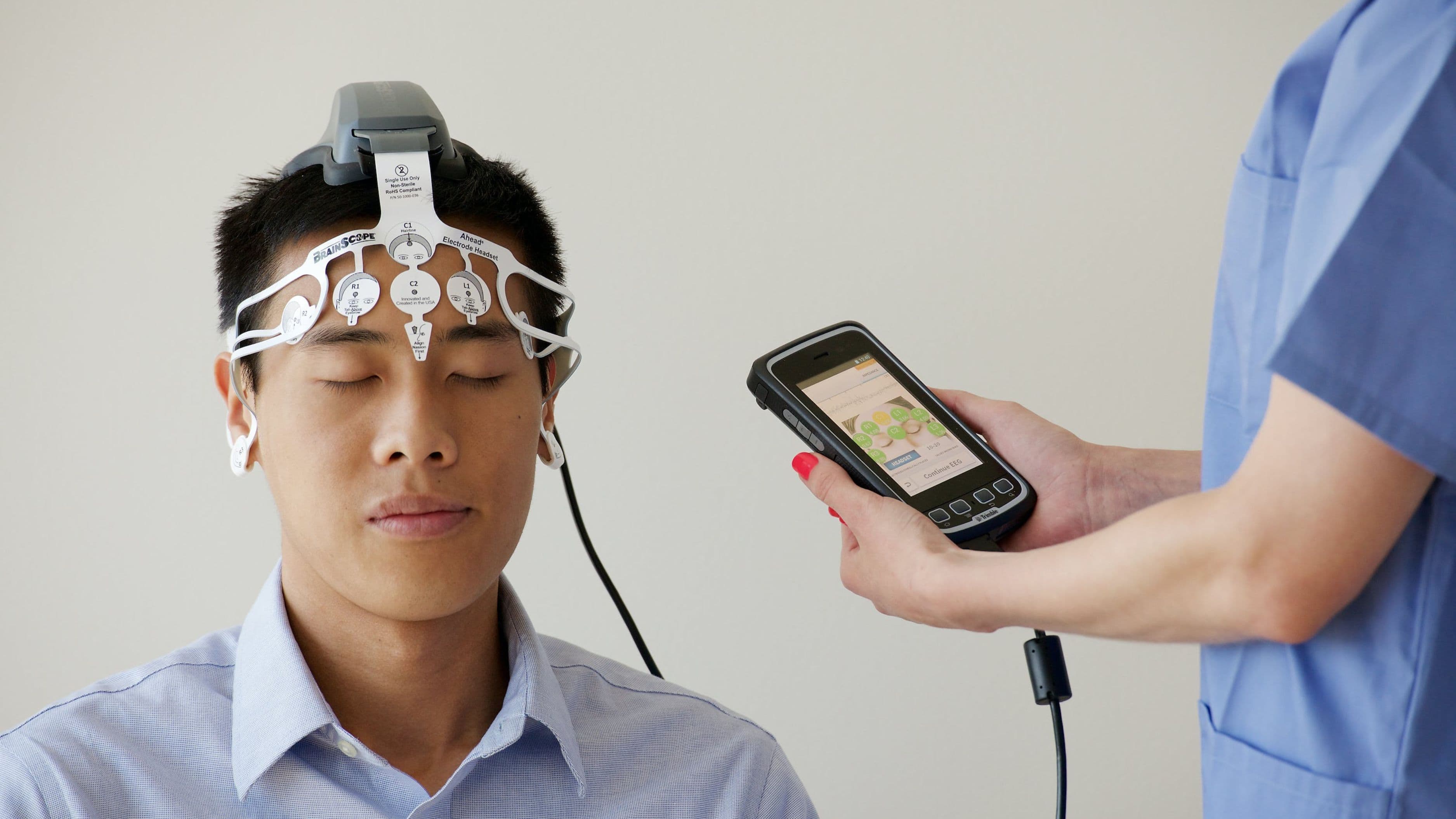
Cambridge Brain Sciences (free tier available) provides validated, clinically-derived cognitive assessments covering working memory, reasoning, concentration, and planning across a 12-minute battery. Running this three to four times per week at a consistent time (ideally 9:00–10:00am) generates a longitudinal cognitive performance track that correlates meaningfully with sleep quality, HRV, glucose patterns, and supplementation protocols. When you intervene on any variable in the stack, this is how you know whether it actually moved the needle on output.
Quantified Mind offers a similar battery with additional customization for tracking specific interventions. Stroop tests and n-back tasks, while less comprehensive, are free, validated, and sufficient for tracking working memory and attentional control as isolated metrics.
The discipline required to track cognitive performance consistently is the limiting factor – not the tools. Set a calendar block and treat it as data collection infrastructure. Three months of consistent testing produces actionable baseline data. Six months produces meaningful intervention comparison data.
Layer 5: Environmental Sensors
Your environment continuously affects your biology in ways that neither wearables nor blood panels directly capture. Two environmental variables produce disproportionate impact on performance and recovery: air quality and light exposure.
CO2 and Air Quality
Indoor CO2 concentration above 1,000 ppm measurably impairs cognitive function – decision-making, response time, and higher-order thinking degrade in a dose-dependent fashion as CO2 rises. Modern office buildings, bedrooms with closed windows, and poorly ventilated home offices routinely hit 1,500–2,500 ppm. Most people don't know this is happening because CO2 elevation produces mild fatigue and cognitive fog that's indistinguishable from ordinary tiredness.
Aranet4 is the validated consumer CO2 monitor of choice – it uses a photoacoustic NDIR sensor (the accurate method) rather than the cheap metal oxide sensors used in most consumer air quality devices, which don't accurately measure CO2. Place it on your primary work surface and your bedroom nightstand. Target under 800 ppm for peak cognitive performance environments. Open a window or door when levels rise above 1,000 ppm. In bedrooms, this means either cracked window ventilation or CO2-aware HVAC management.
Light Exposure Tracking
The circadian signal is set primarily by the timing and intensity of light exposure across the day. Morning bright light (10,000 lux or above, within 30 minutes of waking) anchors circadian phase and produces robust cortisol awakening response amplitude – a key driver of daytime energy and alertness. Evening blue light exposure (460–490nm range, within 2–3 hours of sleep) suppresses melatonin and delays circadian phase.
A lux meter app (Lux Light Meter Pro on iOS) or dedicated sensor (Sper Scientific 840006) allows you to objectively verify whether your indoor morning light environment is actually delivering therapeutic dose. Most indoor environments deliver 100–300 lux – insufficient to robustly anchor the circadian clock. The target is outdoor morning light exposure (10,000+ lux) or a 10,000 lux light therapy panel for 20–30 minutes within the first hour of waking.
Layer 6: Longitudinal Data Integration
Individual data streams are useful. Integrated data is where the high-signal insights emerge. The goal of the stack is to identify the cross-variable patterns that explain your performance variance – not just to have dashboards.
A simple weekly review protocol captures the value: pull your weekly HRV trend, sleep architecture averages, fasting glucose, CGM variability score, and cognitive performance score into a single weekly log. Note any interventions, stressors, or behavioral deviations from baseline. After three to six months, patterns become visible that aren't apparent in daily data: the relationship between your sleep quality and Monday cognitive performance, the lag between elevated hsCRP and HRV suppression, the glucose impact of specific food categories in your physiology specifically.
Notion or a simple spreadsheet works for this. The sophistication is in the discipline of weekly review, not the software.
Building the Stack Progressively
Don't run all six layers simultaneously from day one. The cognitive overhead of managing too many new data inputs degrades the quality of attention you bring to any of them. A sensible build sequence:
Start with Layer 1 – run Oura or Whoop for 60 days and establish baseline HRV, sleep architecture, and resting HR trends before adding anything else. The baseline is the reference point for every subsequent intervention assessment.
Add Layer 3 next – run the core blood panel once you have 60 days of wearable baseline. This gives you the biological infrastructure picture to contextualize what the wearable is showing.
Add Layer 2 – run a 30-day CGM once the blood panel baseline is established. The CGM and blood metabolic markers (fasting glucose, HOMA-IR) should be interpreted together.
Layer 4, 5, and 6 can be integrated incrementally as the core stack becomes routine. Environmental sensors are a one-time setup cost with ongoing passive data generation. Cognitive tracking requires the most behavioral discipline and is highest value once you have baseline data from layers 1–3 to correlate against.
What the Stack Won't Tell You
Data without interpretive framework is just noise with a better user interface. The quantified self stack is a tool for generating hypotheses and testing them – not a diagnostic system that produces conclusions independently. Consistently suppressed HRV could indicate overtraining, sleep deprivation, subclinical illness, life stress, alcohol, or relationship problems. The wearable cannot disambiguate. Elevated cortisol on a blood panel needs clinical context. Cognitive performance variance has dozens of confounders.
Use the stack to narrow the hypothesis space and validate interventions. Use physicians, sports medicine practitioners, and endocrinologists to interpret findings that exceed your interpretive competence. The most common failure mode in quantified self practice isn't insufficient data – it's over-interpreting noisy signals and under-utilizing clinical expertise for genuinely clinical findings.
FAQ
What's the minimum viable version of this stack? Layer 1 (Oura or Whoop) plus a comprehensive blood panel run once or twice a year is the minimum that generates meaningful decision-support data. If you add nothing else, those two inputs – wearable longitudinal data plus periodic biomarker baseline – will identify most of the high-leverage intervention opportunities available to the majority of men in this demographic.
How do I know if the data is accurate enough to act on? Consumer wearables have meaningful measurement error at the individual data-point level. The signal is in trends and patterns, not individual readings. A single night of low HRV is not actionable. Two weeks of suppressed HRV trending downward is. Apply the same principle to all wearable metrics – trend over time, not single-point interpretation.
What does this cost to run annually? A fully built stack (Oura or Whoop subscription, one CGM run, comprehensive blood panel, CO2 monitor, cognitive tracking) runs approximately $1,500 to $3,000 annually depending on which panels you run and whether you use concierge lab services or standard insurance-covered testing. The CGM and blood panel are the highest-cost components. For context, that's less than most professional conference attendance, and the ROI is measurable in preserved cognitive output and early detection of biological drift.
Should I share this data with my primary care physician? Selectively, yes. Data that flags genuinely clinical findings – HOMA-IR above 2.5, low free testosterone, elevated Lp(a), consistently suppressed HRV with no clear behavioral explanation – is worth bringing to a physician or endocrinologist with optimization-oriented practice. Most standard-of-care PCPs are not trained in the optimization framework this stack is designed to support. A concierge medicine physician or sports medicine practitioner with a performance orientation will be a more productive clinical partner for interpreting this data.
High performers manage their most important assets with rigorous measurement. Your biology is the most important asset you have – it's the substrate that every other output runs on. Running it on feel is a choice to operate below your potential indefinitely. The quantified self stack doesn't make you a data scientist; it makes you someone who can see what's actually happening and intervene with precision rather than guesswork. Build it progressively, interpret it honestly, and act on what it shows.
📚 Sources
Shaffer F, Ginsberg JP. An Overview of Heart Rate Variability Metrics and Norms. Frontiers in Public Health. 2017. https://www.frontiersin.org/articles/10.3389/fpubh.2017.00258/full
Allen J. Photoplethysmography and its application in clinical physiological measurement. Physiological Measurement. 2007. https://iopscience.iop.org/article/10.1088/0967-3334/28/3/R01
Sattar N, et al. Insulin resistance is linked to testosterone in men. Journal of Clinical Endocrinology & Metabolism. https://academic.oup.com/jcem/article/93/5/1853/2598765
Allen JG, et al. Associations of Cognitive Function Scores with Carbon Dioxide, Ventilation, and Volatile Organic Compound Exposures in Office Workers. Environmental Health Perspectives. 2016. https://ehp.niehs.nih.gov/doi/10.1289/ehp.1510037
Leproult R, Van Cauter E. Effect of 1 Week of Sleep Restriction on Testosterone Levels in Young Healthy Men. JAMA. 2011. https://jamanetwork.com/journals/jama/fullarticle/1029127