
The Mechanism: How Pulsatile LH Actually Works
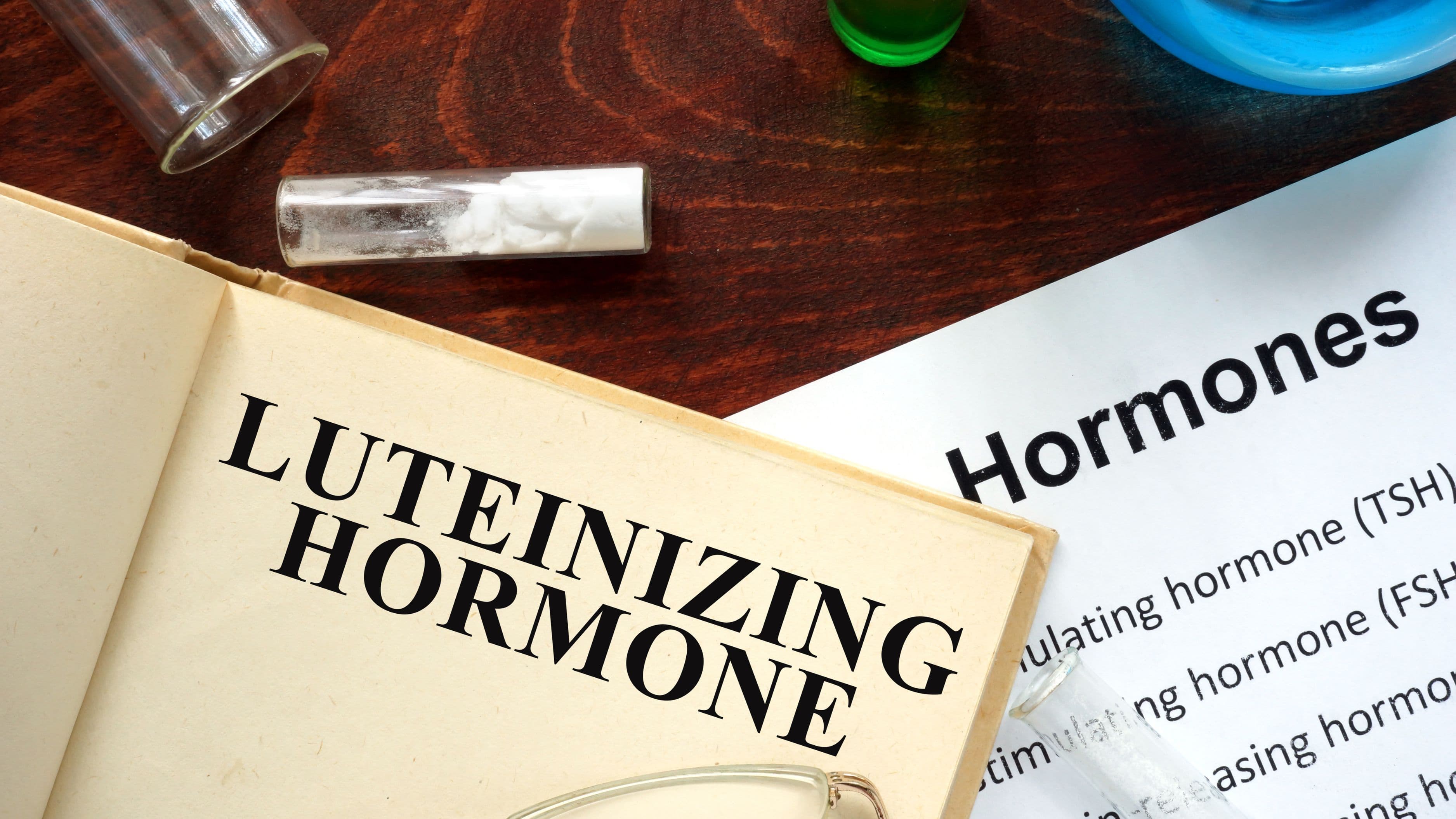
LH is released from the pituitary gland in discrete pulses, not a continuous stream, driven by corresponding pulses of gonadotropin-releasing hormone (GnRH) from the hypothalamus. This pulsatile pattern isn't incidental biology – it's functionally essential. Leydig cells in the testes, which produce testosterone in response to LH, require this pulsatile stimulation to maintain normal receptor sensitivity and sustained testosterone output. Continuous, non-pulsatile LH exposure actually leads to receptor downregulation and reduced testosterone production over time, which is part of why replacement approaches that bypass this natural rhythm behave very differently from a functioning HPG axis.
Pulse frequency and amplitude vary throughout the day, generally with greater pulse frequency overnight and in early morning, which is part of why testosterone levels are typically highest in the morning and decline through the day. This circadian pattern reflects the underlying pulsatile LH rhythm driving it.
Why a Single LH Value Is Nearly Meaningless in Isolation
Because LH release is pulsatile, a single blood draw captures one point in a constantly fluctuating pattern – it might catch a pulse peak, a trough, or anywhere in between. This is fundamentally different from measuring something like fasting glucose, which is relatively stable at a given time of day. A single low LH reading could reflect genuinely suppressed pituitary output, or it could simply reflect the sample being drawn during a natural trough in the pulse cycle.
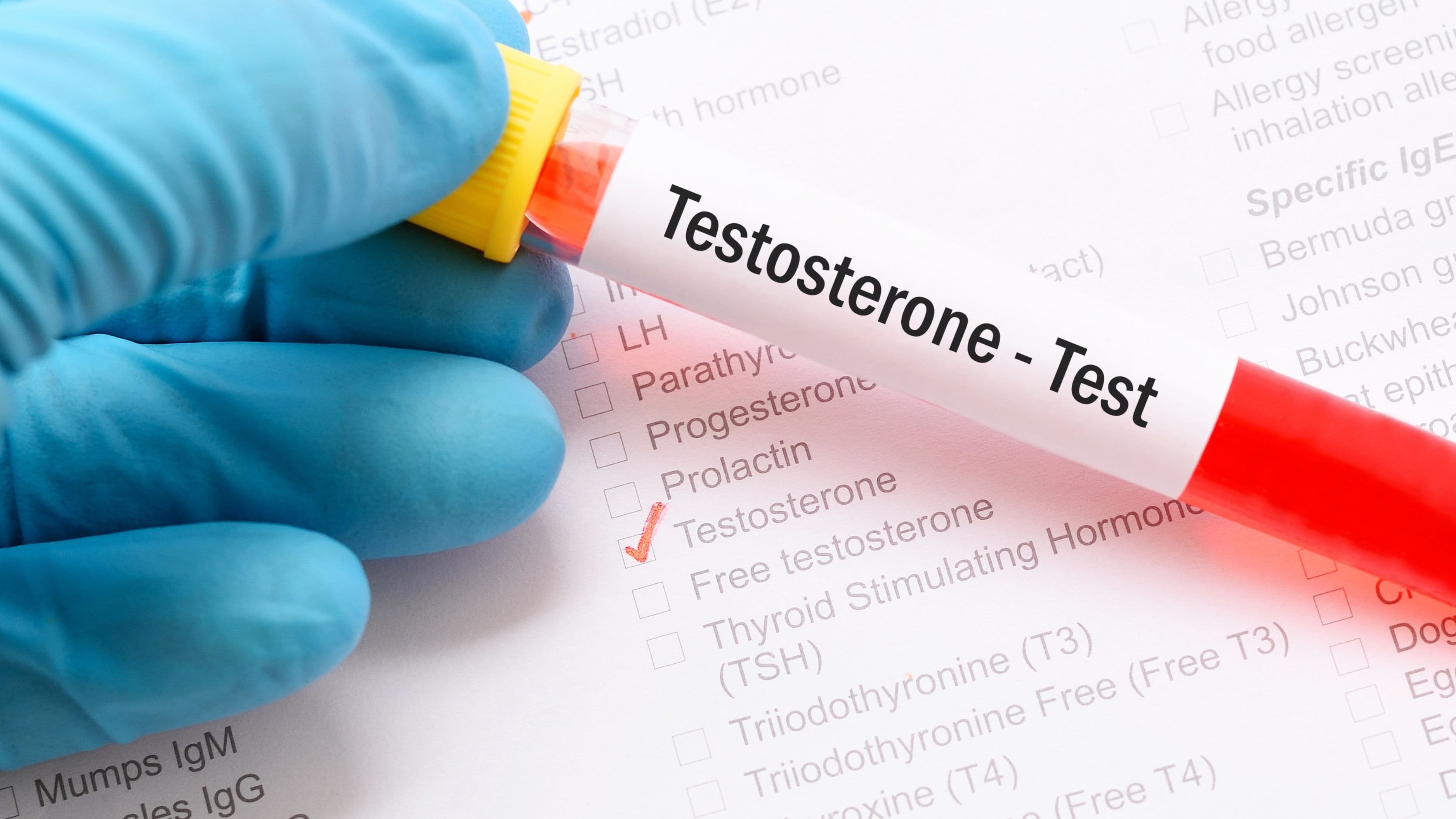
This is a major reason why proper diagnostic workups for suspected hypogonadism typically involve repeat testing, sometimes multiple draws, rather than relying on a single data point, and why context (total testosterone, free testosterone, symptoms, and repeat LH measurements) matters far more than any single number.
What Disrupted Pulsatile LH Patterns Indicate
Primary Hypogonadism (Testicular Origin)
In primary hypogonadism, the testes themselves fail to respond adequately to LH stimulation. In this scenario, LH is often elevated as the pituitary attempts to compensate by increasing output, while testosterone remains low. The pulsatile pattern itself may remain relatively intact; the problem lies downstream at the testicular level.
Secondary Hypogonadism (Hypothalamic-Pituitary Origin)
Here, the issue lies in disrupted GnRH or LH pulsatility itself – the signal from the brain to the testes is impaired. This is where chronic stress, significant caloric restriction, excessive training volume without adequate recovery, poor sleep, and certain medications can suppress the natural pulsatile rhythm, leading to low LH and consequently low testosterone, even though the testes themselves remain fully capable of normal function if properly stimulated.
This distinction matters enormously for treatment approach, since secondary hypogonadism driven by lifestyle factors may respond to addressing those underlying factors directly, while primary hypogonadism generally does not.
Why This Matters Specifically for TRT Candidates
Standard TRT Suppresses Your Natural Pulsatile Signal Entirely
Exogenous testosterone, delivered via injection, gel, or other standard TRT methods, provides a steady, non-pulsatile testosterone level to the body. The hypothalamus and pituitary detect this elevated testosterone through negative feedback and respond by shutting down their own GnRH and LH pulsatile output almost entirely. This is why standard TRT typically leads to testicular atrophy and suppressed natural production, since the testes no longer receive the pulsatile LH stimulation required to maintain their own function.
This Is a Permanent Trade-Off for Most Men on Standard TRT
Once natural pulsatile LH signaling is suppressed through exogenous testosterone use, recovery of natural function after stopping isn't guaranteed and can take an extended period, particularly for men who've been on TRT for years. This is a critical piece of context often missing from casual conversations about starting TRT – it's not simply "adding testosterone" to a system that continues functioning normally underneath, since it fundamentally changes the pulsatile signaling that drove the entire system before treatment started.
Why Some Protocols Include HCG or Alternatives
Because of this trade-off, some TRT protocols incorporate human chorionic gonadotropin (HCG), which mimics LH's action directly at the testicular level, specifically to maintain testicular size and some degree of function despite the suppressed natural pulsatile signal. This isn't a universal component of every protocol, and its inclusion depends heavily on individual goals, particularly around fertility preservation.
What This Means for Candidacy Decisions
Men with genuinely primary hypogonadism, where the testes themselves can't respond adequately regardless of LH stimulation, are typically the clearest candidates for standard TRT, since their pulsatile signaling wasn't going to solve the underlying problem regardless. Men with secondary hypogonadism driven by identifiable lifestyle factors – chronic under-eating, overtraining, severe sleep deprivation, significant unmanaged stress – may see their pulsatile LH pattern and testosterone normalize by addressing those specific factors first, without needing to permanently suppress their natural axis through exogenous testosterone.
This distinction is exactly why a proper diagnostic workup, including repeat LH measurements, free testosterone, and a thorough review of lifestyle factors, matters enormously before pursuing TRT, rather than starting treatment based on a single low testosterone reading in isolation.
Risks and Limitations
Restoring pulsatile LH function in secondary hypogonadism through lifestyle changes doesn't happen quickly and isn't guaranteed in every case, particularly if underlying factors have been present for a long time. TRT itself, while effective for men with genuine primary hypogonadism, carries its own set of risks and long-term considerations, including fertility implications and the potential difficulty of restoring natural function later. This is a decision that should be made in close consultation with a physician who specializes in hormone therapy, based on a complete diagnostic picture rather than a single lab value.
FAQ
How many LH measurements are actually needed for an accurate diagnosis? Practice varies, but many endocrinologists recommend at least two separate morning draws given LH's pulsatile nature, alongside free testosterone and clinical symptoms, rather than relying on one isolated reading.
Can lifestyle changes alone reverse secondary hypogonadism? In many cases tied to identifiable causes like severe caloric restriction, overtraining, or chronic sleep deprivation, addressing those factors directly can restore normal pulsatile LH function over time, though this isn't guaranteed for every individual and depends on how long the disruption has been present.
Does starting TRT mean I'll never produce natural testosterone again? Not necessarily, but restoring natural function after stopping TRT isn't guaranteed and can take considerable time, particularly after extended use. This is a key factor to discuss thoroughly with a physician before starting treatment.
📚 Sources
Endocrine Reviews – Pulsatile Gonadotropin Secretion in Men – https://academic.oup.com/edrv
The Journal of Urology – Testosterone Therapy and the HPG Axis – https://www.auajournals.org/journal/juro
This article is for informational purposes only and does not replace professional medical advice. Consult a physician before pursuing any hormone-related diagnosis or treatment, including TRT.