
What the "Anabolic Window" Actually Claims
The traditional version of this concept states that muscle protein synthesis, the process by which your body repairs and builds muscle tissue after resistance training, spikes sharply after a workout and then closes within roughly 30 to 60 minutes. Miss that window, the theory goes, and your training session's muscle-building potential is largely wasted.
This idea originated from early research on nutrient timing that showed measurable increases in muscle protein synthesis when protein was consumed shortly after training compared to no protein at all. The problem is that this research got oversimplified into a rigid, narrow window that the broader body of evidence doesn't actually support.
The Mechanism: What's Really Happening Physiologically
Resistance training creates micro-damage in muscle fibers and triggers a signaling cascade, primarily through the mTOR pathway, that upregulates muscle protein synthesis for an extended period after training, not just a narrow spike. Research using muscle biopsies has shown that this elevated synthesis rate can remain active for 24 to 48 hours after a training session, depending on training intensity and the muscle groups involved.
This matters because it reframes the entire premise. Muscle building isn't a narrow race against a closing window; it's a longer physiological process where total daily protein intake and its distribution across the day matter more than hitting a specific post-workout minute mark.
What the Research Actually Shows
A widely cited meta-analysis examining protein timing relative to resistance training found that when total daily protein intake was controlled for, the timing of protein consumption relative to the workout had a minimal, statistically small effect on muscle growth and strength outcomes. The researchers concluded that total daily protein intake is a far stronger predictor of results than precise post-workout timing.
Follow-up research has generally supported this conclusion, with the caveat that timing can matter more in specific contexts, such as training in a fasted state or during periods of significant caloric restriction, where the body's amino acid availability is already compromised going into the session.
When Timing Actually Does Matter More
There are a few legitimate scenarios where paying closer attention to protein timing has real value. Training fasted, such as an early morning workout with no food beforehand, means your body has gone longer without amino acid availability, so getting protein in reasonably soon afterward, within a few hours rather than a strict 30-minute window, does support recovery more directly than in a fed state.
Athletes training multiple times per day also benefit from more deliberate protein timing between sessions, since the recovery window between two workouts in the same day is genuinely compressed compared to a single daily session with 24 hours to recover.
For most people training once a day and eating protein at multiple points throughout that day, the precise timing relative to their workout has a negligible practical effect compared to their total daily intake.
What Actually Predicts Muscle Growth
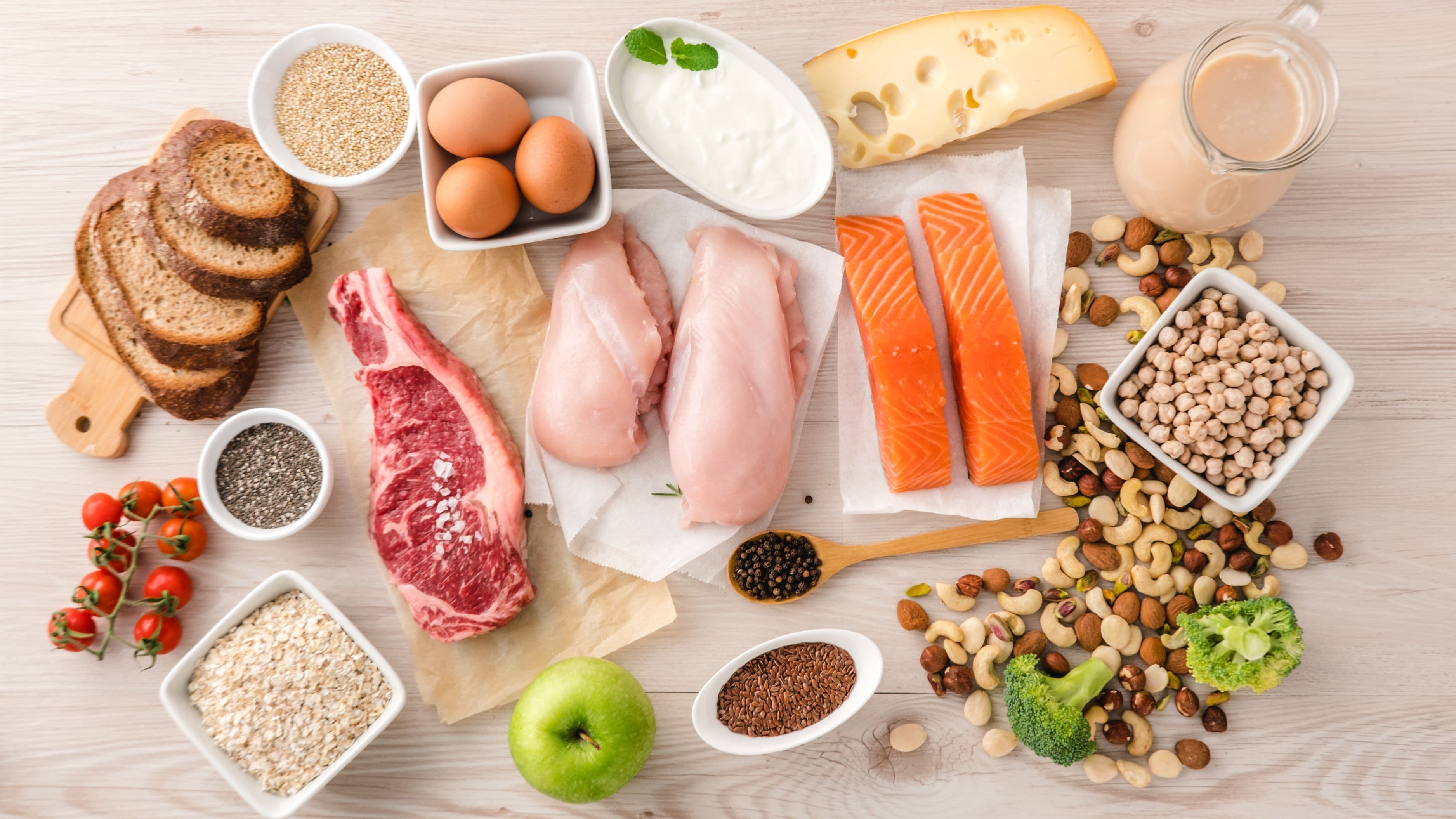
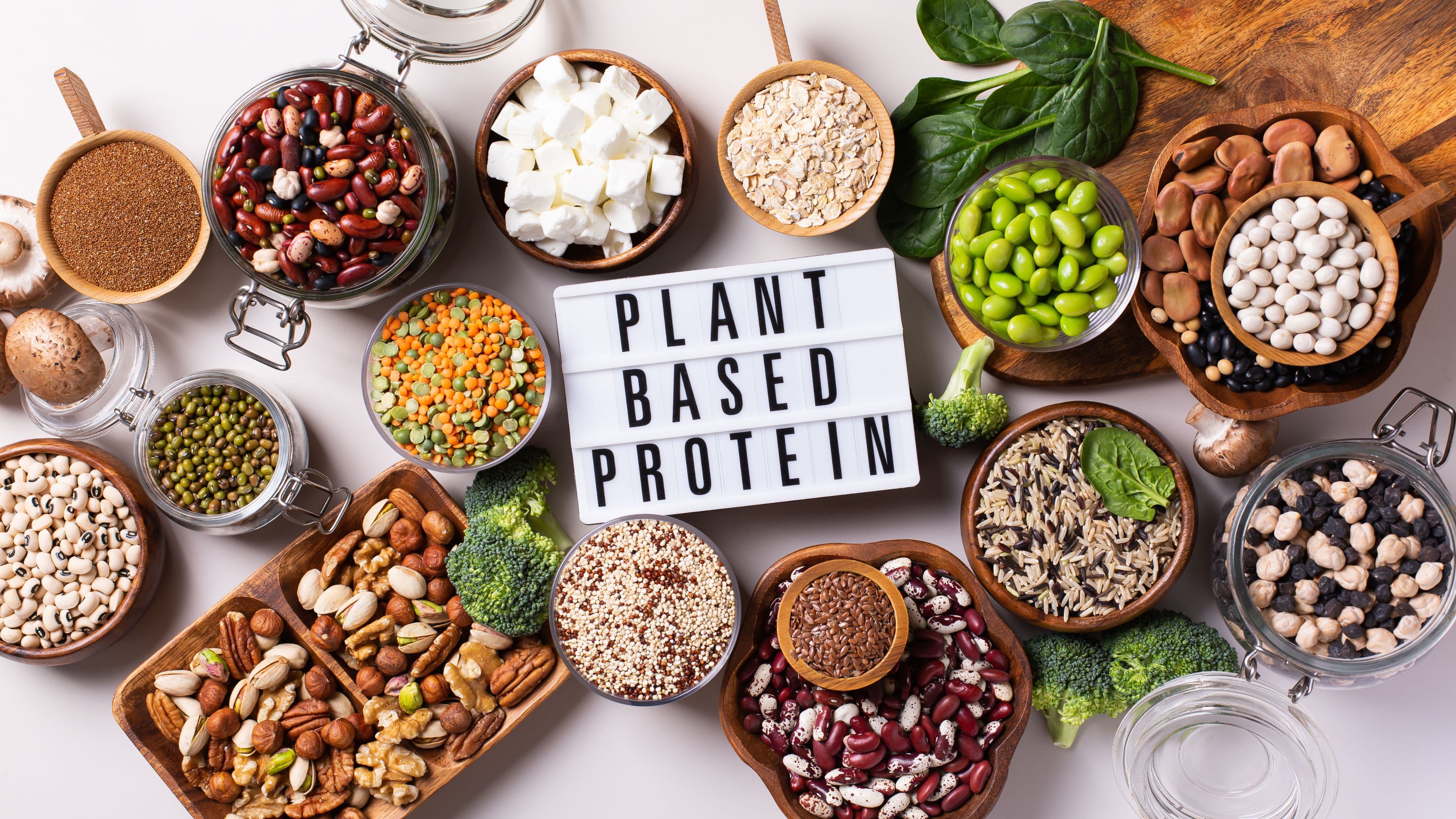
Total daily protein intake remains the single strongest nutritional predictor of muscle protein synthesis and long-term muscle growth, generally in the range of 0.7 to 1 gram per pound of body weight per day for people actively training for muscle gain, spread across three to five meals. Protein distribution across the day, rather than a single post-workout dose, appears to more effectively sustain elevated muscle protein synthesis across a 24-hour period.
Training volume and progressive overload remain the primary drivers of muscle growth overall, with nutrition, including protein intake, functioning as a supporting factor rather than the primary driver. No amount of perfect protein timing will substitute for inadequate training stimulus.
Practical Protocol
Rather than obsessing over a 30-minute window, focus on hitting your total daily protein target consistently, distributed across three to five meals or snacks throughout the day. If you train fasted, aim to eat a protein-containing meal within a couple of hours after training rather than immediately. If you train once daily with food earlier in the day, don't stress about eating immediately post-workout; a meal within a few hours works just as well based on the current evidence.
Prioritize total training volume and progressive overload as your primary levers for muscle growth, treating protein timing as a minor optimization rather than a critical variable that will make or break your results.
Expected Results and Timeline
Shifting your focus from rigid post-workout timing to consistent total daily protein intake won't produce a dramatic, immediate change, since the underlying mechanism was never as fragile as the old anabolic window theory suggested. What it will do is reduce unnecessary stress around meal timing and let you build a more sustainable, flexible nutrition approach around your actual schedule, which over months tends to improve consistency and therefore results.
Risks and Limitations
Chasing precise protein timing at the expense of total daily intake or training quality is the main risk of overemphasizing this concept. Some individuals may also use "the window doesn't exist" as a justification to be inconsistent with protein intake altogether, which misses the point; total daily intake still matters significantly, just not the specific minute-by-minute timing around training.
Common Mistakes
A common mistake is treating this information as permission to ignore protein intake entirely around training, when the actual takeaway is that flexibility in timing doesn't mean flexibility in total amount. Another common mistake is applying fasted-training timing rules to fed training sessions, when the evidence suggests the urgency is meaningfully different between those two contexts.
FAQ
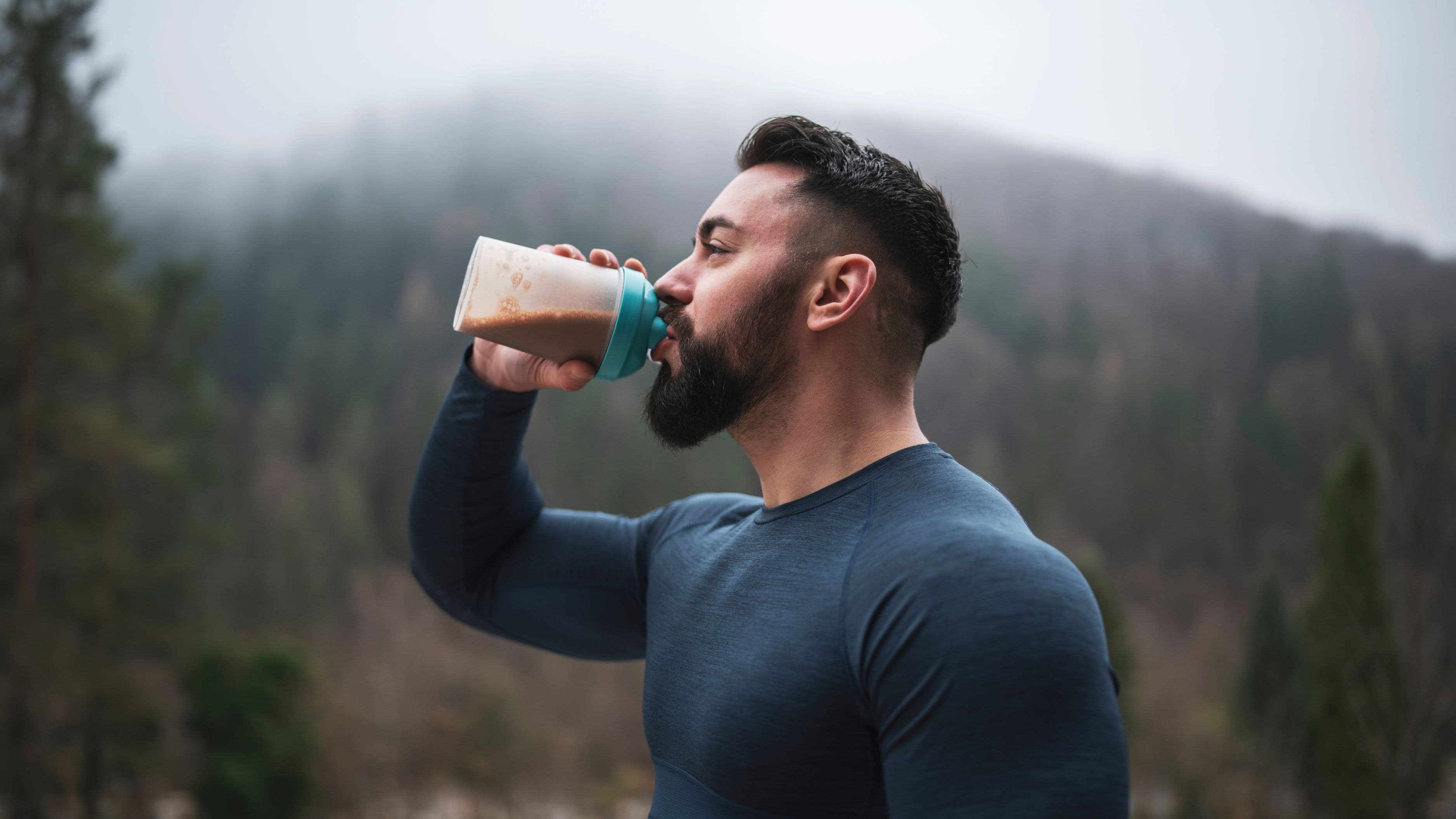
Do I need a protein shake immediately after my workout? No, unless you trained fasted or are training multiple times in the same day. For most people, a protein-containing meal within a few hours of training is sufficient.
How much protein do I actually need per day to build muscle? Most research supports a range of roughly 0.7 to 1 gram per pound of body weight per day for people actively training for muscle gain, though individual needs can vary.
Does this mean nutrient timing doesn't matter at all? It means the rigid 30-minute window doesn't hold up under closer scrutiny, but reasonable timing practices, like eating protein within a few hours of fasted training, still have some evidence-based value in specific contexts.
Bottom Line
The strict 30-minute anabolic window is largely a myth built on an oversimplified reading of early research. Muscle protein synthesis stays elevated for far longer than 30 minutes after training, and total daily protein intake, distributed reasonably across the day, matters far more than precise post-workout timing for the vast majority of people training once a day.
This article is for general educational purposes and isn't a substitute for personalized medical or nutritional advice. Speak with a physician or registered dietitian before making significant changes to your diet or training regimen, particularly if you have underlying health conditions.
📚 Sources
Schoenfeld BJ, Aragon AA, Krieger JW, "The Effect of Protein Timing on Muscle Strength and Hypertrophy: A Meta-Analysis," Journal of the International Society of Sports Nutrition – https://jissn.biomedcentral.com/
National Institutes of Health, Office of Dietary Supplements, "Protein" – https://ods.od.nih.gov/factsheets/Protein-HealthProfessional/