

Why Prolactin Matters on a TRT Protocol
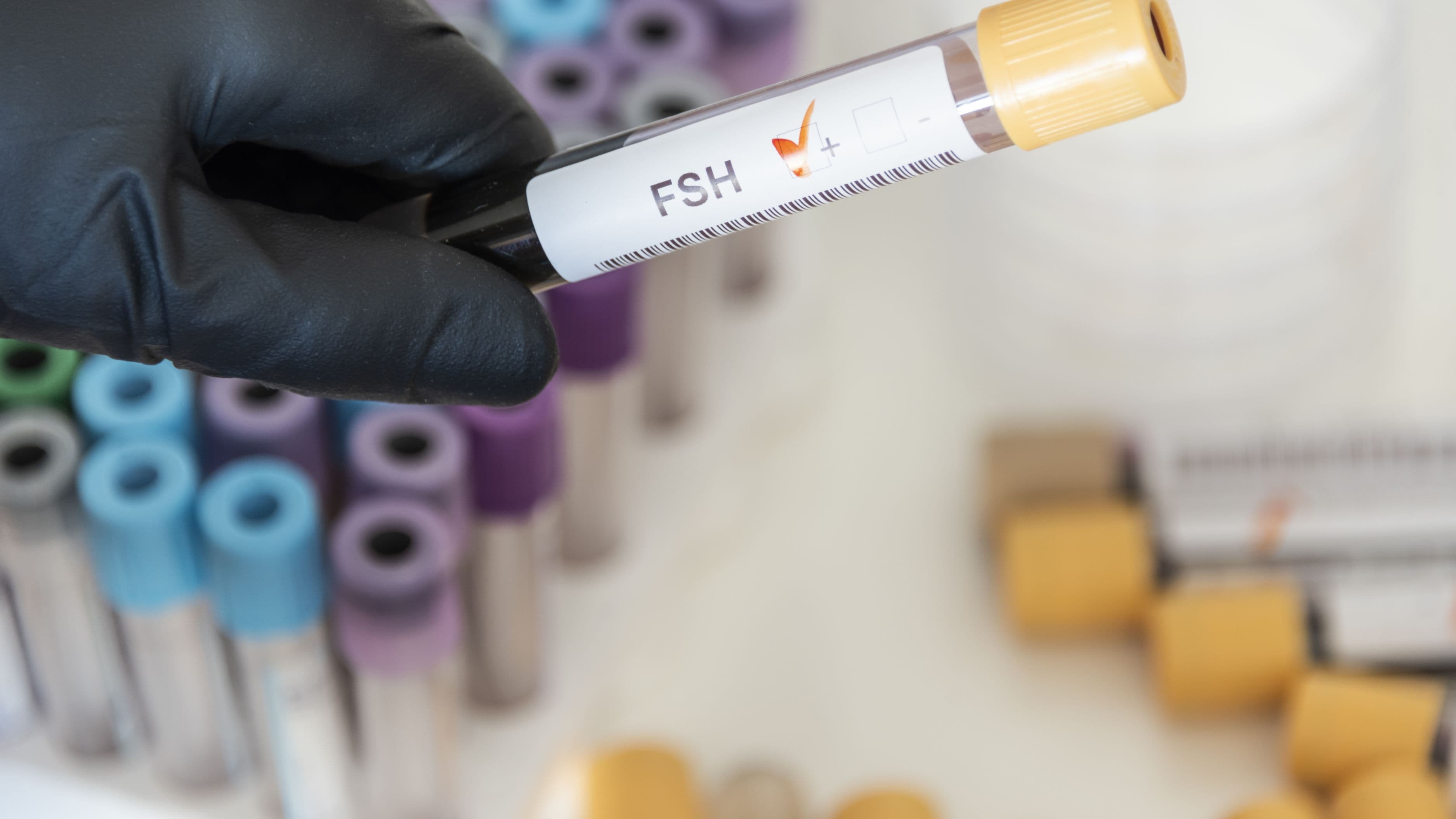
Prolactin is a pituitary hormone best known for its role in lactation, but it plays a direct role in male sexual function as well. Elevated prolactin, a condition called hyperprolactinemia, suppresses the hypothalamic-pituitary-gonadal axis by reducing GnRH pulsatility, which in turn can blunt LH and FSH output. The practical result is a compounding problem: elevated prolactin can suppress libido and erectile function independently of testosterone, while simultaneously working against the natural signaling TRT is already replacing.
This is why a man on TRT with elevated prolactin can end up with a frustrating mismatch: testosterone and estradiol numbers that look reasonable, but persistent low libido or ED that doesn't track with either hormone. Prolactin is the variable being missed.
What Actually Raises Prolactin on TRT
Prolactin elevation on TRT protocols traces back to a few identifiable mechanisms rather than testosterone itself directly raising it in most cases.
Injection-related stress response. Frequent intramuscular injections, particularly at higher doses or with thicker needles, can trigger a mild, transient stress-related prolactin spike. This is usually short-lived but can register on bloodwork if timed close to an injection.
Elevated estradiol. Estrogen has a well-documented stimulatory effect on lactotroph cells in the pituitary. Men who run higher testosterone doses without adequate estradiol management often see prolactin creep upward as a downstream effect of the estrogen elevation itself, not the testosterone.
hCG use. Human chorionic gonadotropin, commonly added to TRT protocols to maintain testicular size and endogenous function, has been associated with modest prolactin increases in some men, likely tied to its effect on intratesticular estrogen production.
Underlying pituitary issues. Less commonly, a prolactin elevation is unrelated to the TRT protocol itself and instead reflects a prolactin-secreting pituitary adenoma (prolactinoma) or another structural pituitary issue. This is uncommon but important to rule out, particularly when prolactin is significantly elevated rather than mildly so.
Medication interactions. Certain medications, including some antidepressants, antipsychotics, and antiemetics, elevate prolactin independent of TRT. A full medication review matters before assuming the testosterone protocol is the cause.
How to Actually Address It
Get an accurate baseline first. Prolactin should be drawn fasted, in the morning, and ideally without recent sexual activity, vigorous exercise, or breast stimulation beforehand, all of which can transiently raise levels. If a single reading comes back high, a repeat test under proper conditions is worth doing before reacting to the number.
Rule out a prolactinoma if the elevation is significant. Levels moderately above the reference range are usually explainable by the mechanisms above. Levels substantially elevated, particularly above roughly 100 ng/mL, or accompanied by symptoms like visual field changes or persistent headaches, warrant an MRI of the pituitary and a conversation with an endocrinologist. This isn't a step to skip based on self-diagnosis.
Address estradiol management. If estradiol is running high relative to testosterone, bringing it into a more typical ratio, through dose adjustment rather than aggressive aromatase inhibitor use, often brings prolactin down as a secondary effect. Overcorrecting estradiol with an AI carries its own well-documented downsides, including joint pain and lipid changes, so this is a balance, not a blunt instrument.
Reconsider hCG dosing. For men whose prolactin rose after adding or increasing hCG, a dose reduction is a reasonable first move, done in conversation with the prescribing physician, with a recheck of prolactin four to six weeks later.
Cabergoline, used carefully and only when indicated. Cabergoline, a dopamine agonist, is the standard pharmacological treatment for clinically significant hyperprolactinemia and is highly effective at lowering prolactin. It is not a routine TRT add-on and should be reserved for cases with a clear indication, prescribed and monitored by a physician, given its own side effect profile, which can include nausea, dizziness, and, in rare cases with long-term high-dose use, cardiac valve changes.
Expected Timeline and Realistic Results
Prolactin elevations tied to protocol adjustments, like estradiol management or hCG dose changes, typically shift within four to eight weeks of the change, tracked with a follow-up blood draw rather than symptom guessing. Symptom improvement, particularly libido, can lag behind the bloodwork by a few additional weeks. If prolactin normalizes but symptoms persist, that's a signal to look at other variables, including free testosterone, thyroid function, and sleep quality, rather than assuming prolactin was the sole cause.
What to Avoid
Don't start cabergoline or any dopamine agonist without a physician's involvement and a confirmed indication. Don't assume every case of low libido on TRT is a prolactin issue before checking the full panel. Don't chase estradiol to near-zero in an attempt to fix prolactin, since overcorrection introduces its own problems. And don't ignore a significantly elevated prolactin reading as "just a TRT thing" without imaging to rule out a pituitary adenoma.
This article is for informational purposes only and does not replace individualized medical advice. Any changes to a TRT protocol, including hormone dosing, ancillary medications, or new prescriptions like cabergoline, should be made under the supervision of a qualified physician, ideally one experienced in hormone therapy.
📚 Sources
Endocrine Society, "Hyperprolactinemia Clinical Practice Guideline" – https://www.endocrine.org/clinical-practice-guidelines/hyperprolactinemia
National Library of Medicine, StatPearls, "Physiology, Prolactin" – https://www.ncbi.nlm.nih.gov/books/NBK507829/
Mayo Clinic, "Prolactinoma" – https://www.mayoclinic.org/diseases-conditions/prolactinoma/symptoms-causes/syc-20376958