
Why Men Have Estrogen and Progesterone at All
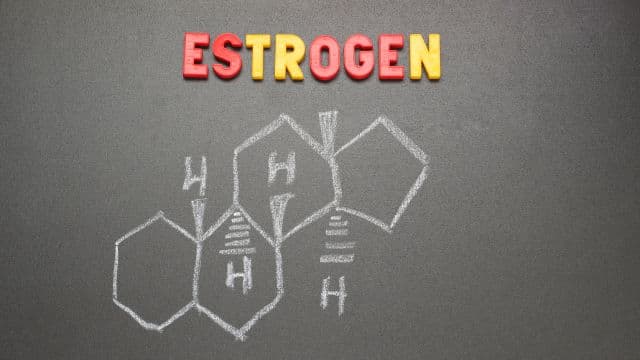
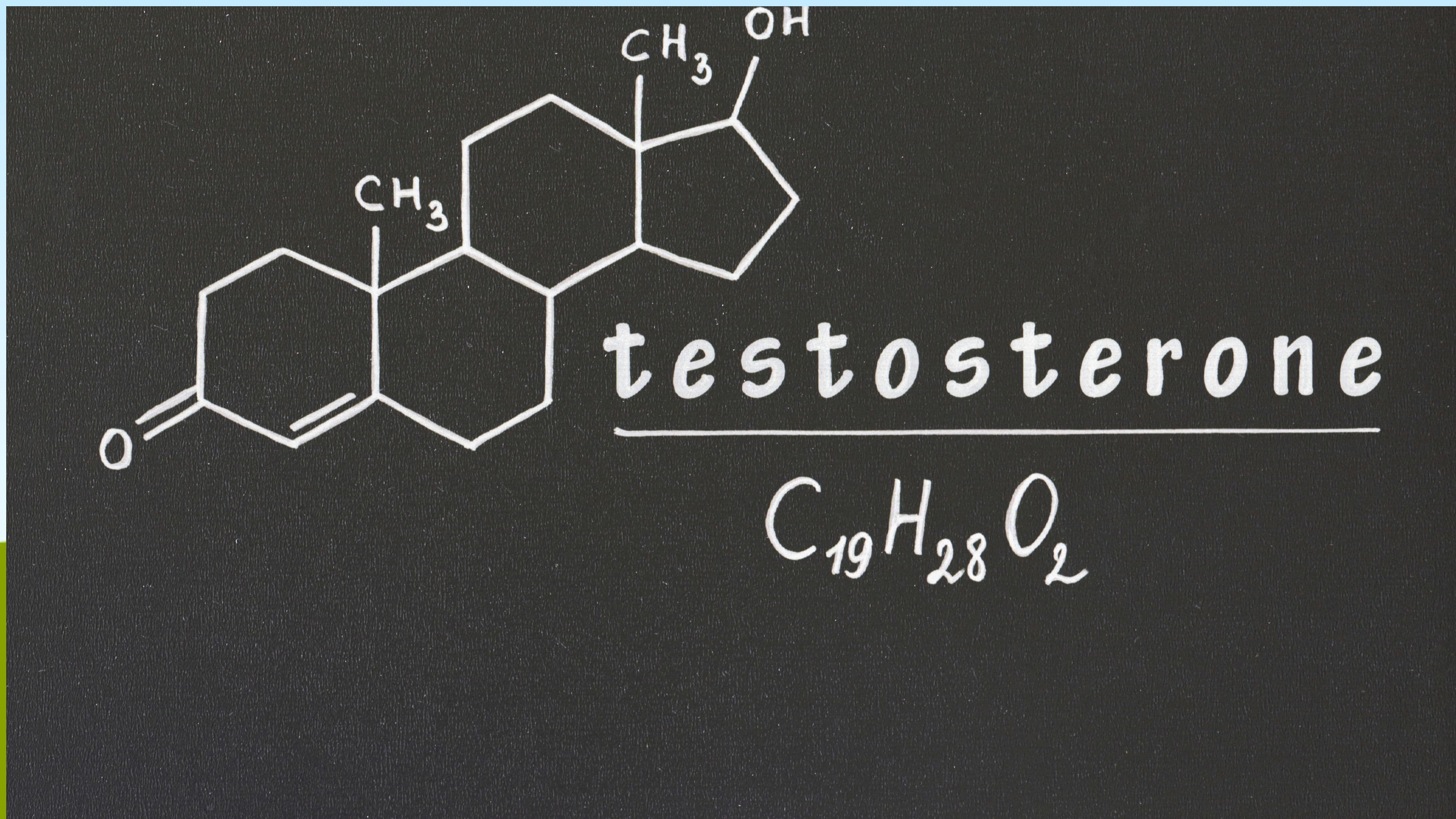
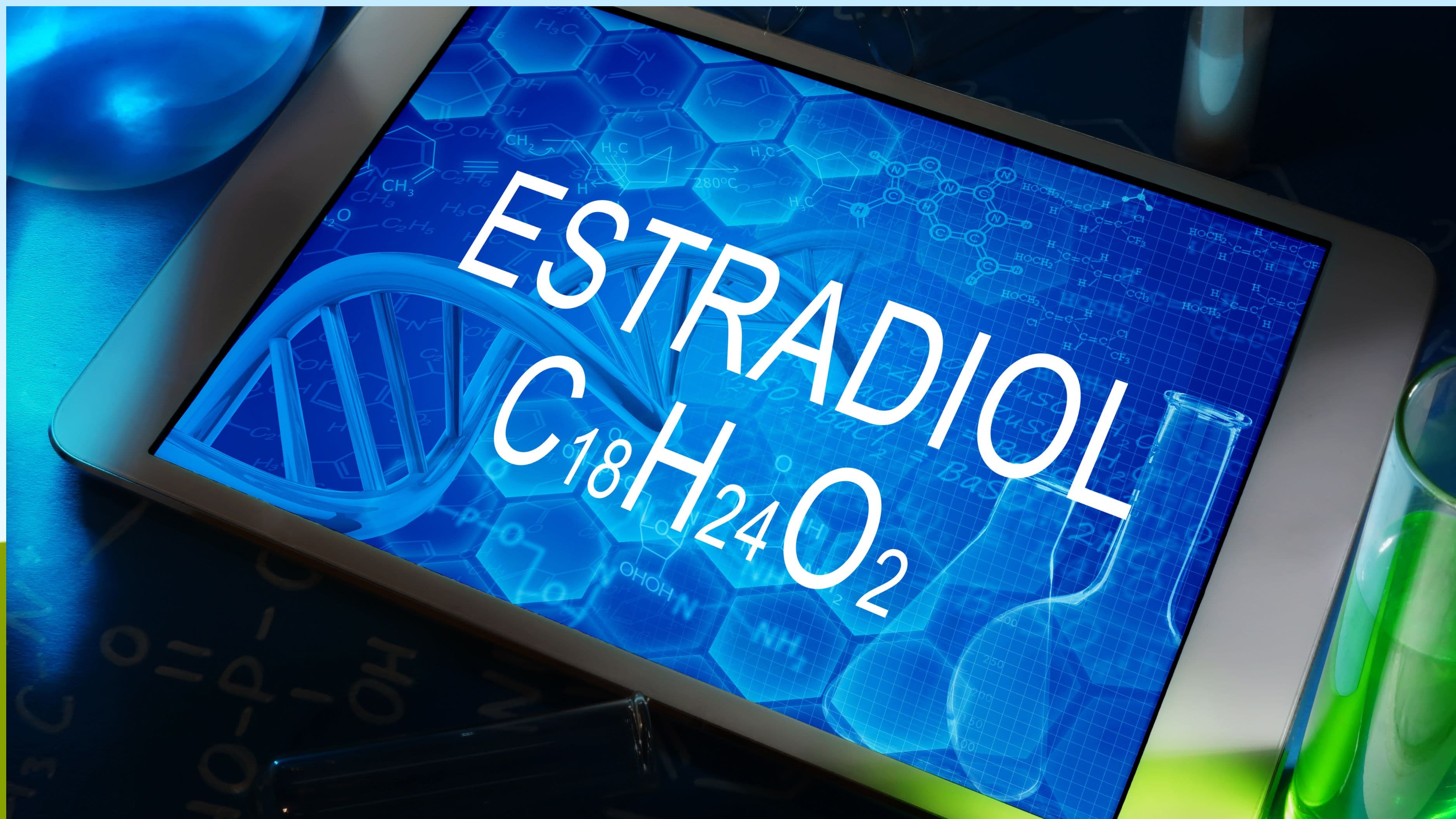
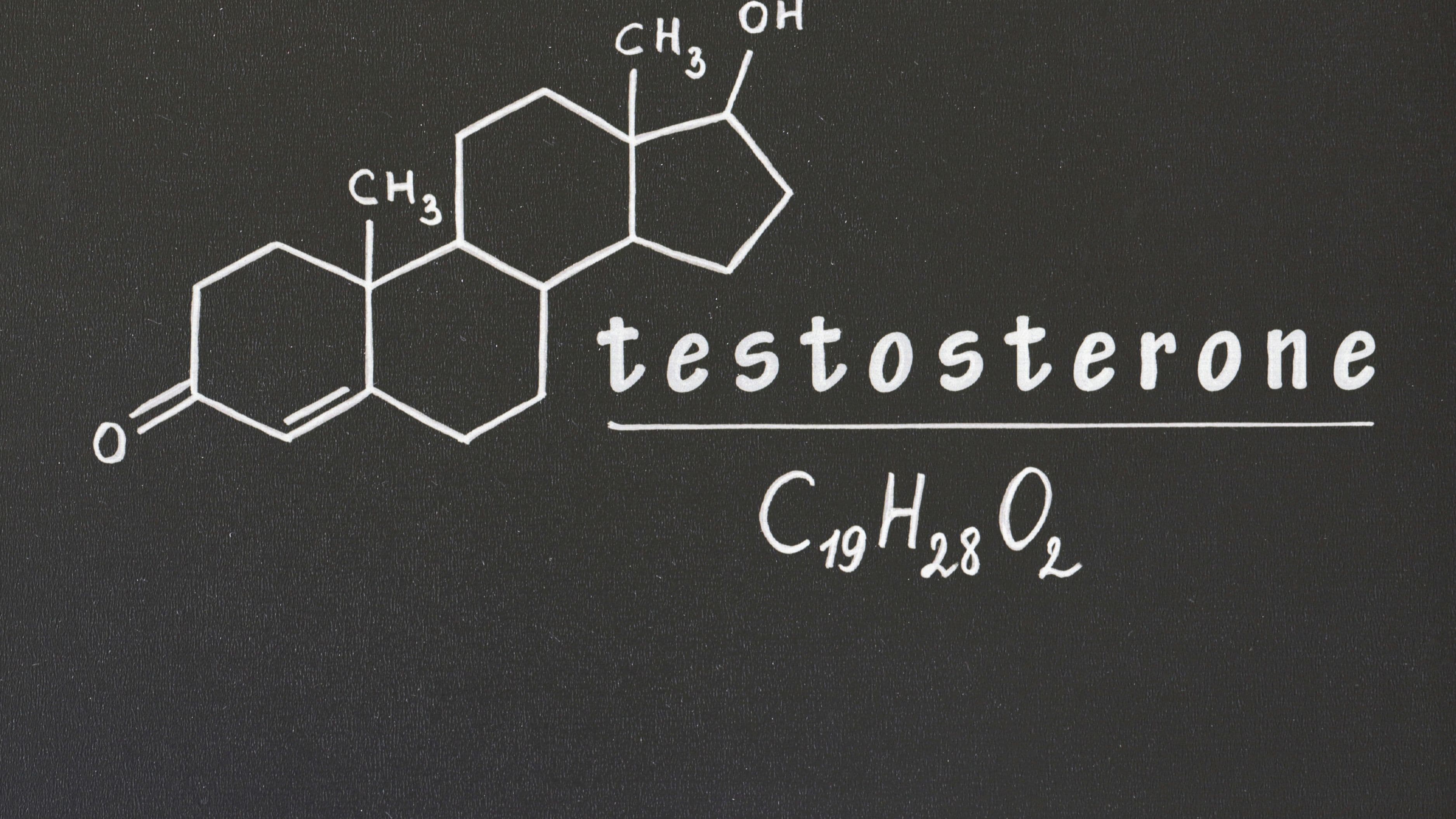
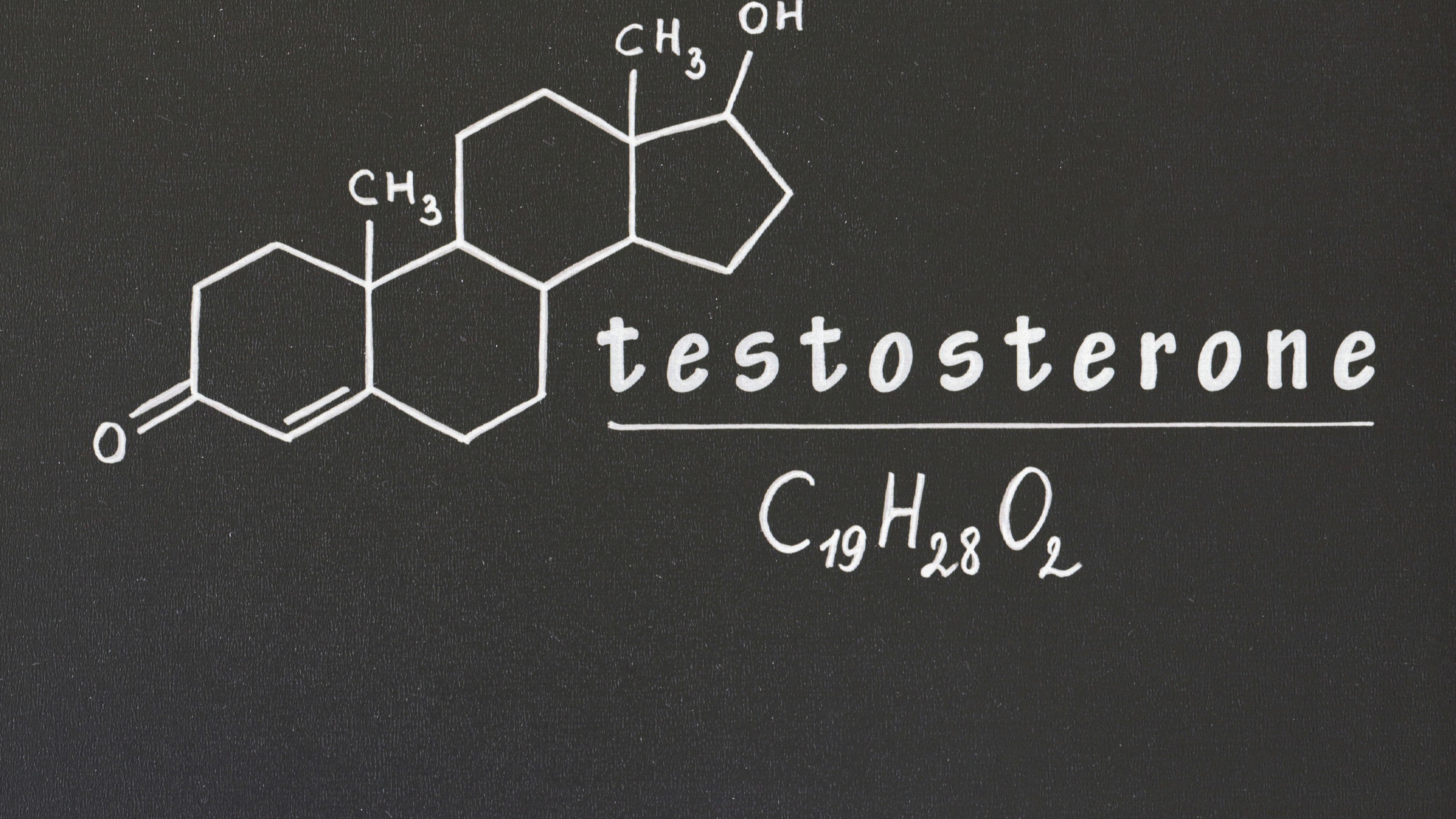
Men produce estrogen primarily through a process called aromatization, where an enzyme called aromatase converts a portion of testosterone into estradiol, the primary form of estrogen. This isn't a malfunction or abnormality – it's a normal, necessary physiological process, since estrogen plays legitimate roles in male bone density, cognitive function, and cardiovascular health, despite the common cultural framing of estrogen as an exclusively "female" hormone.
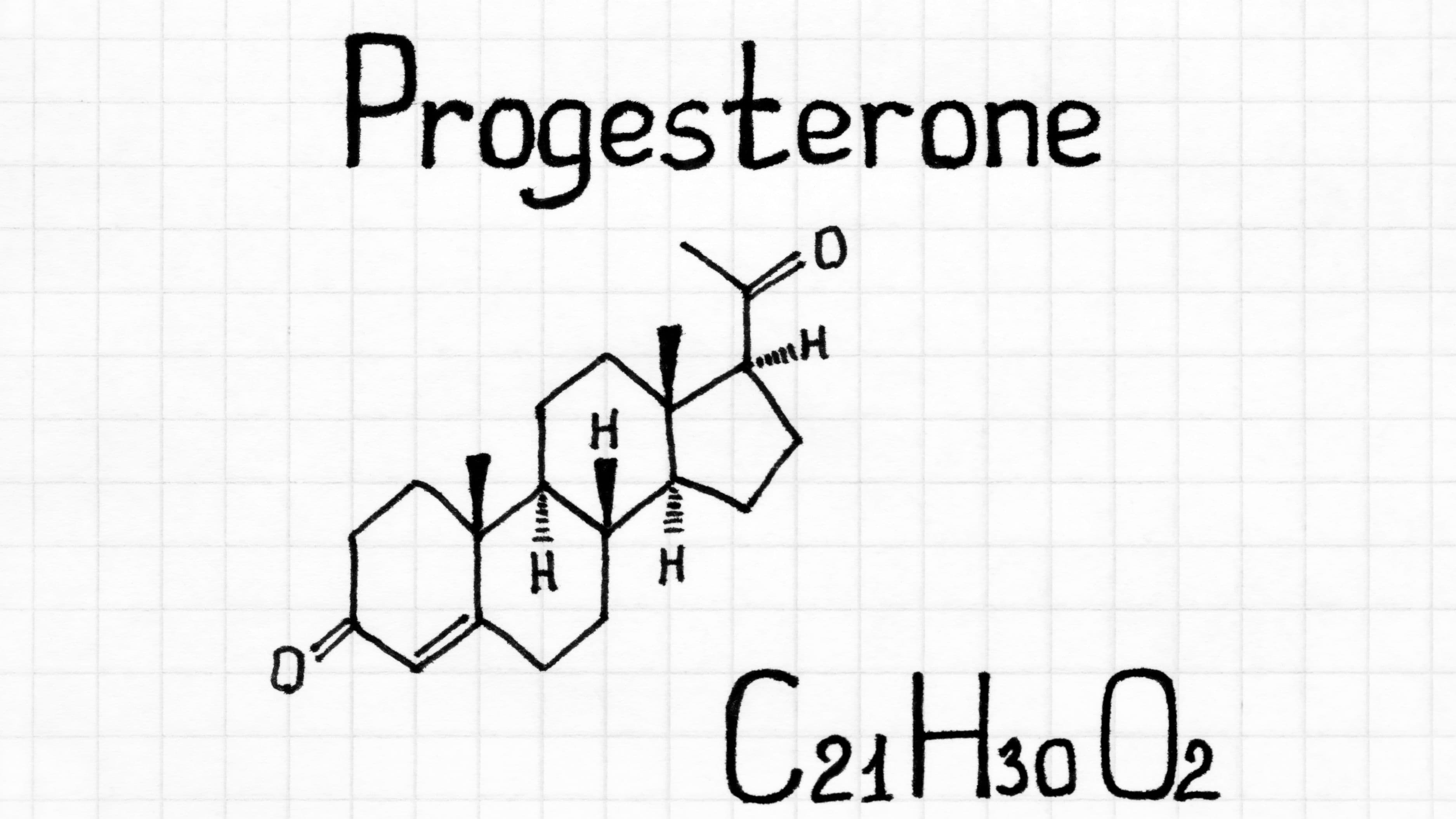
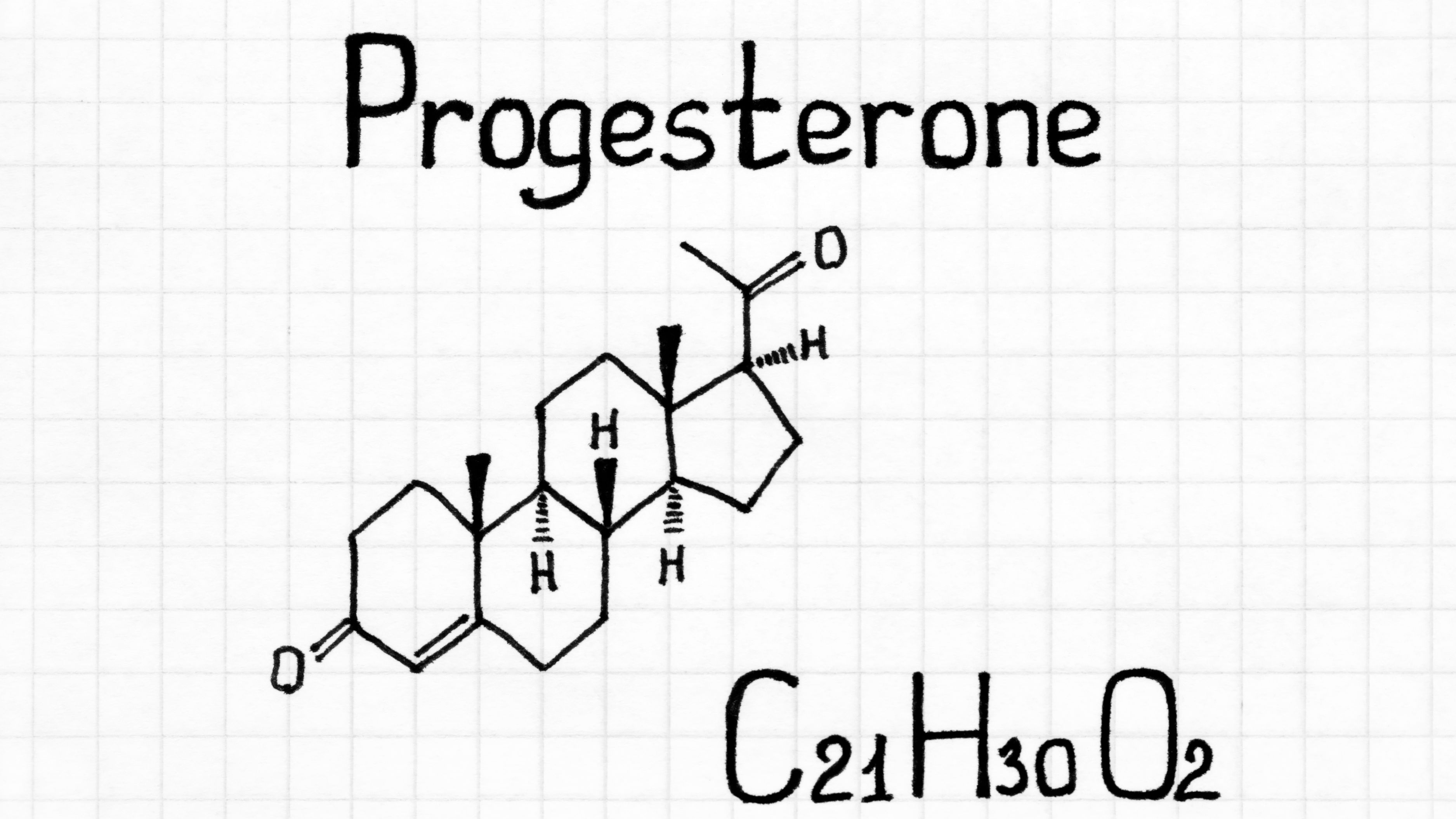
Progesterone in men is produced primarily by the adrenal glands and testes in smaller amounts, serving as a precursor hormone in steroid hormone synthesis pathways, including the production of testosterone itself. While progesterone's specific functions in male physiology are less extensively studied compared to its well-documented roles in female reproductive health, it's understood to play a role in this broader hormonal synthesis chain rather than being simply irrelevant to male hormonal health.
Why the Estrogen-Testosterone Balance Matters Specifically
The ratio between testosterone and estradiol matters more for how you actually feel and function than testosterone levels viewed in isolation. Estradiol levels that are too low relative to testosterone have been associated in research with reduced bone density and joint discomfort, while estradiol levels too high relative to testosterone have been associated with symptoms including reduced libido, increased body fat accumulation, and mood changes, sometimes described anecdotally as feeling "off" despite testosterone levels appearing normal on a standard panel.
This is precisely why looking at testosterone alone, without checking estradiol as part of the same panel, provides an incomplete picture. Men on testosterone replacement therapy specifically need this ratio monitored carefully, since increasing testosterone through supplementation also increases the raw material available for aromatization into estrogen, meaning estradiol levels can rise as a direct consequence of testosterone therapy if not monitored and managed appropriately.
What Can Throw This Balance Off
Body fat percentage significantly affects aromatization rates, since fat tissue contains meaningful aromatase enzyme activity, meaning higher body fat percentages are generally associated with higher conversion of testosterone into estrogen. This creates a documented pattern where excess body fat can create a cycle affecting hormonal balance, making body composition management a genuinely relevant factor in this conversation beyond just general fitness goals.
Certain medications, chronic alcohol use, and some underlying health conditions can also affect this hormonal balance, which is part of why unexplained symptoms suggestive of hormonal imbalance genuinely warrant a comprehensive hormone panel and medical evaluation rather than assuming testosterone alone tells the full story.
Getting a Genuinely Useful Hormone Panel
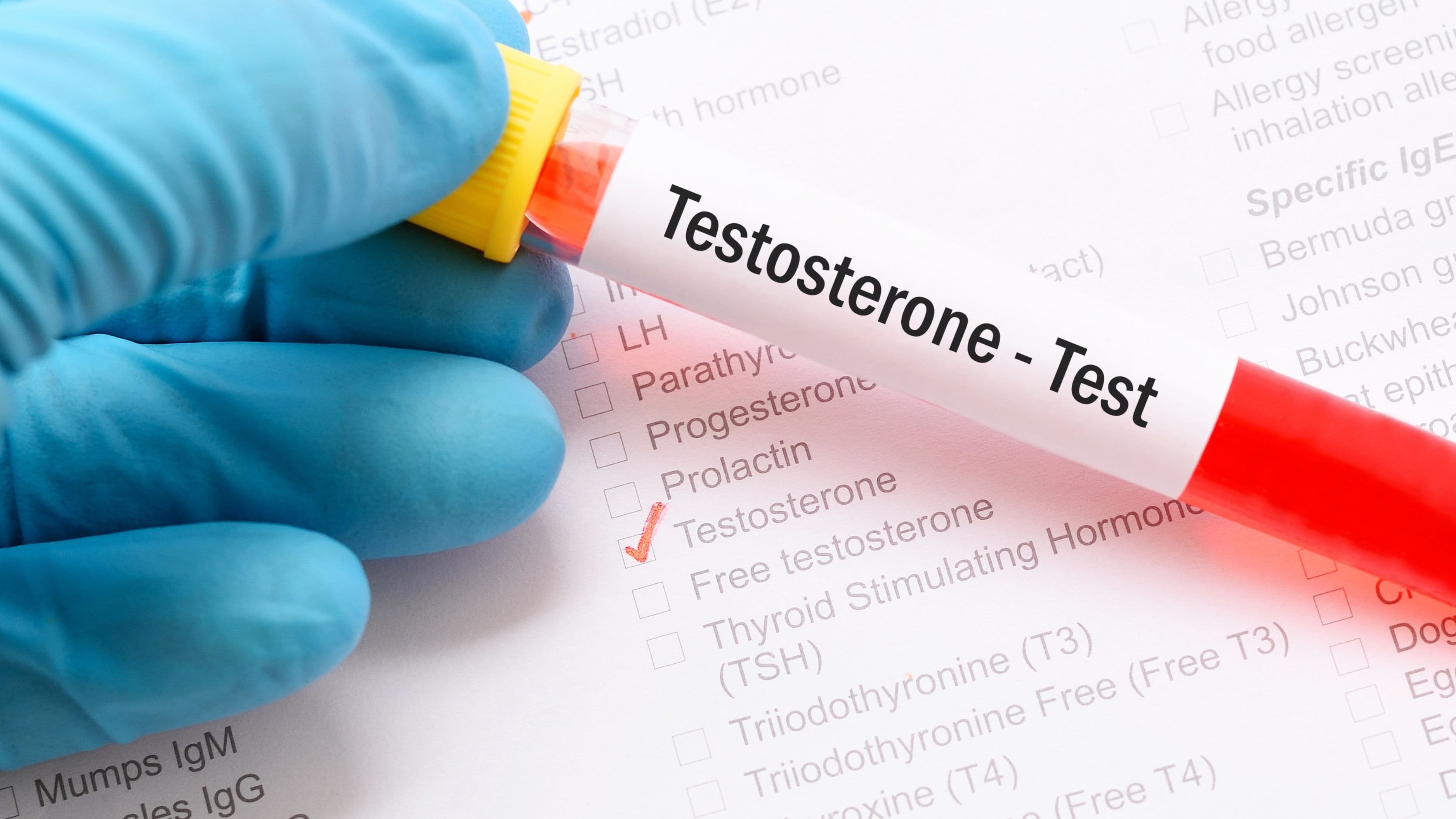
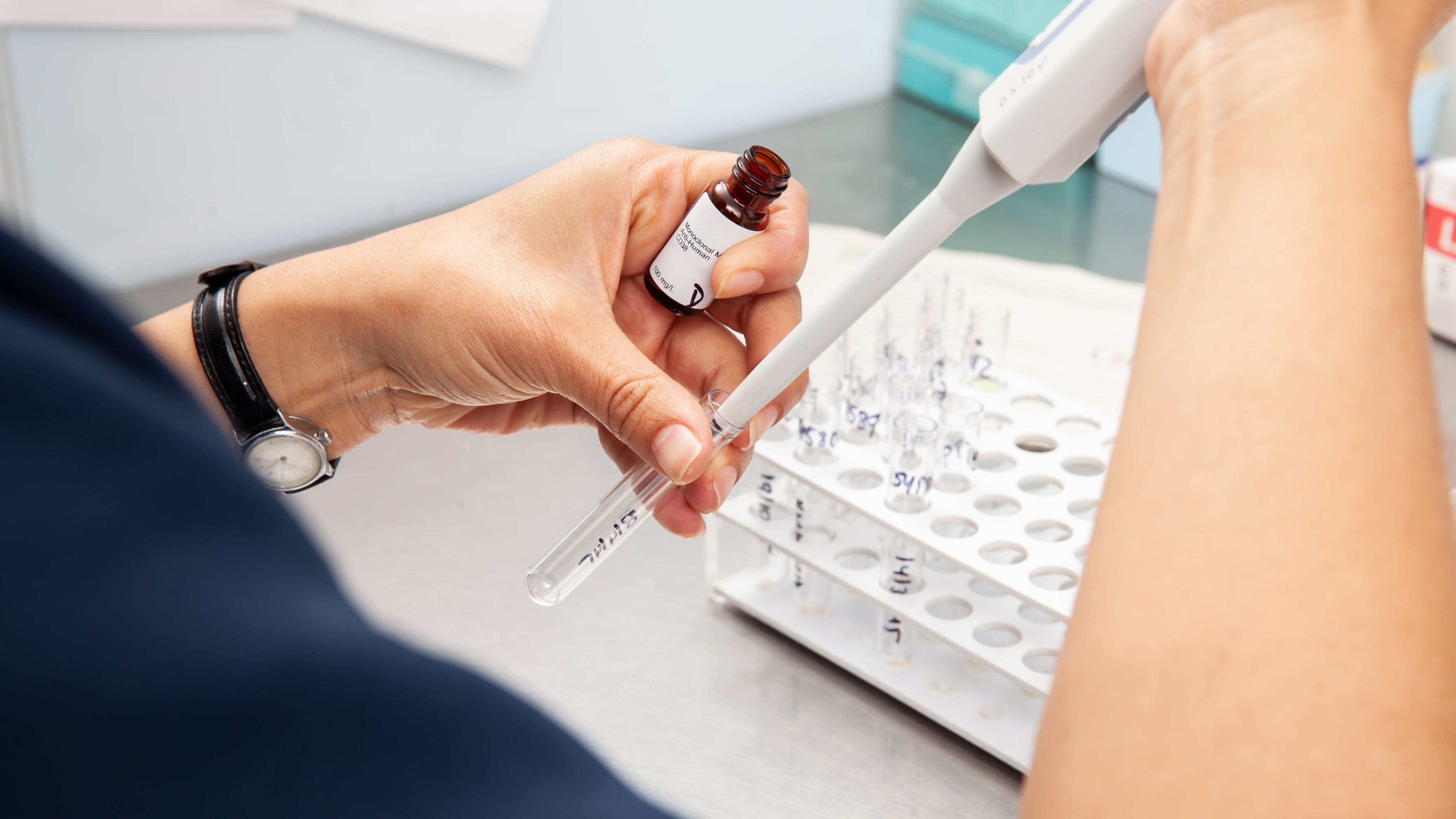
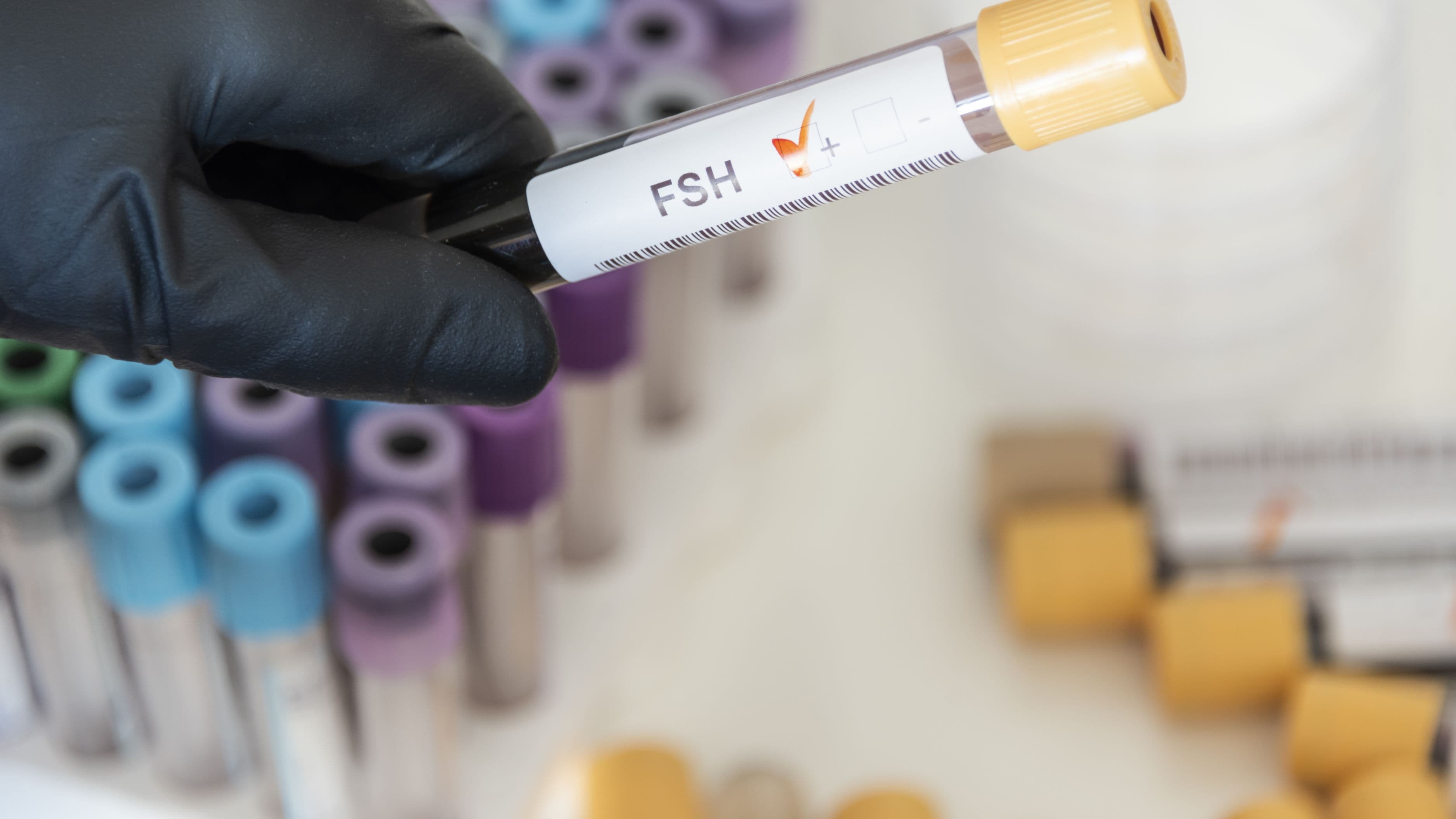
A comprehensive panel checking testosterone (both total and free testosterone), estradiol specifically (using a sensitive assay method appropriate for the lower concentrations found in men, since standard assays designed for female-range estradiol levels can be less accurate at male-typical concentrations), and ideally additional markers like SHBG (sex hormone-binding globulin, which affects how much of your testosterone is actually biologically available) provides a considerably more complete picture than testosterone alone.
This is worth discussing specifically with a physician, ideally one experienced in men's hormonal health, since interpreting these results in context, rather than looking at any single number in isolation, is where genuine clinical value comes from. Self-diagnosing or self-treating based on isolated hormone panel numbers without professional guidance carries real risk, given how interconnected these systems are and how individual optimal ranges can vary.
What This Means Practically
If you're already getting testosterone checked, whether due to symptoms or as part of routine health monitoring, asking specifically for estradiol to be included using an appropriately sensitive assay gives you meaningfully more complete information than testosterone alone. This is particularly relevant if you're on testosterone replacement therapy, where estradiol monitoring is a standard, medically appropriate part of ongoing treatment management, not an optional add-on.
For men not on hormone therapy but experiencing symptoms like reduced libido, unexplained mood changes, or other concerns sometimes associated with hormonal imbalance, bringing up this broader hormonal picture with your physician, rather than assuming testosterone alone will explain everything, is a reasonable, informed way to approach that conversation.
What to Avoid
Avoid attempting to self-treat estrogen levels using over-the-counter aromatase inhibitor supplements without medical guidance, since inappropriately suppressing estrogen too aggressively carries its own documented risks, including negative effects on bone density and cardiovascular health, making this a genuinely medical decision requiring professional oversight rather than a supplement store purchase.
It's also worth avoiding panic based on a single isolated hormone number without proper context and professional interpretation, since normal ranges vary by lab, assay method, and individual factors, making a qualified physician's interpretation considerably more valuable than self-diagnosing from a lab result alone.
FAQ
Should every man get estradiol checked as part of routine bloodwork? This is worth discussing with your physician based on your specific symptoms and health history, though it's a reasonable addition if you're already getting comprehensive hormone panels done for other reasons, particularly if experiencing relevant symptoms.
Can diet and exercise meaningfully affect this hormonal balance? Yes, particularly through body composition changes, since reducing excess body fat can help address elevated aromatization, though this should be part of a broader health approach rather than the sole strategy for addressing a confirmed hormonal imbalance.
Is it normal for estrogen levels to increase with age in men? Some age-related changes in hormonal balance are documented in research, though significant symptomatic changes are worth evaluating with a physician rather than assuming they're an inevitable, unaddressable part of aging.
Does testosterone replacement therapy always raise estrogen levels? It commonly does to some degree, given the aromatization process, which is exactly why estradiol monitoring is a standard part of properly managed testosterone replacement therapy protocols.
📚 Sources
Endocrine Society – Testosterone and Estrogen Balance in Men
National Institutes of Health – Male Hormone Physiology Research