


What Postbiotics Actually Are
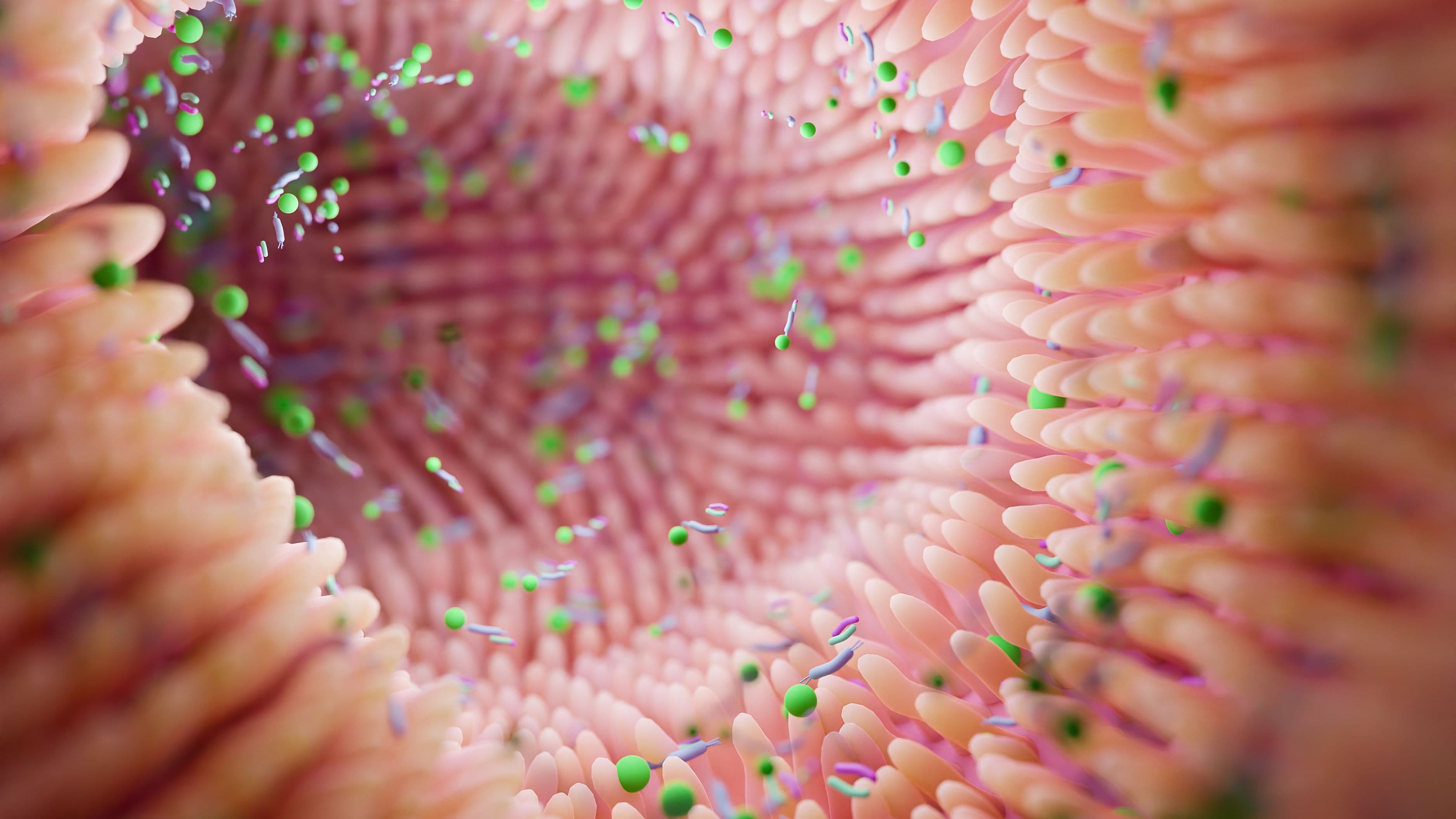
Postbiotics are the metabolic byproducts, cell fragments, and bioactive compounds produced when beneficial gut bacteria ferment fiber and other substrates in your digestive tract. This includes short-chain fatty acids like butyrate, along with certain peptides, enzymes, and cell wall components that have measurable effects on gut lining integrity and immune signaling.
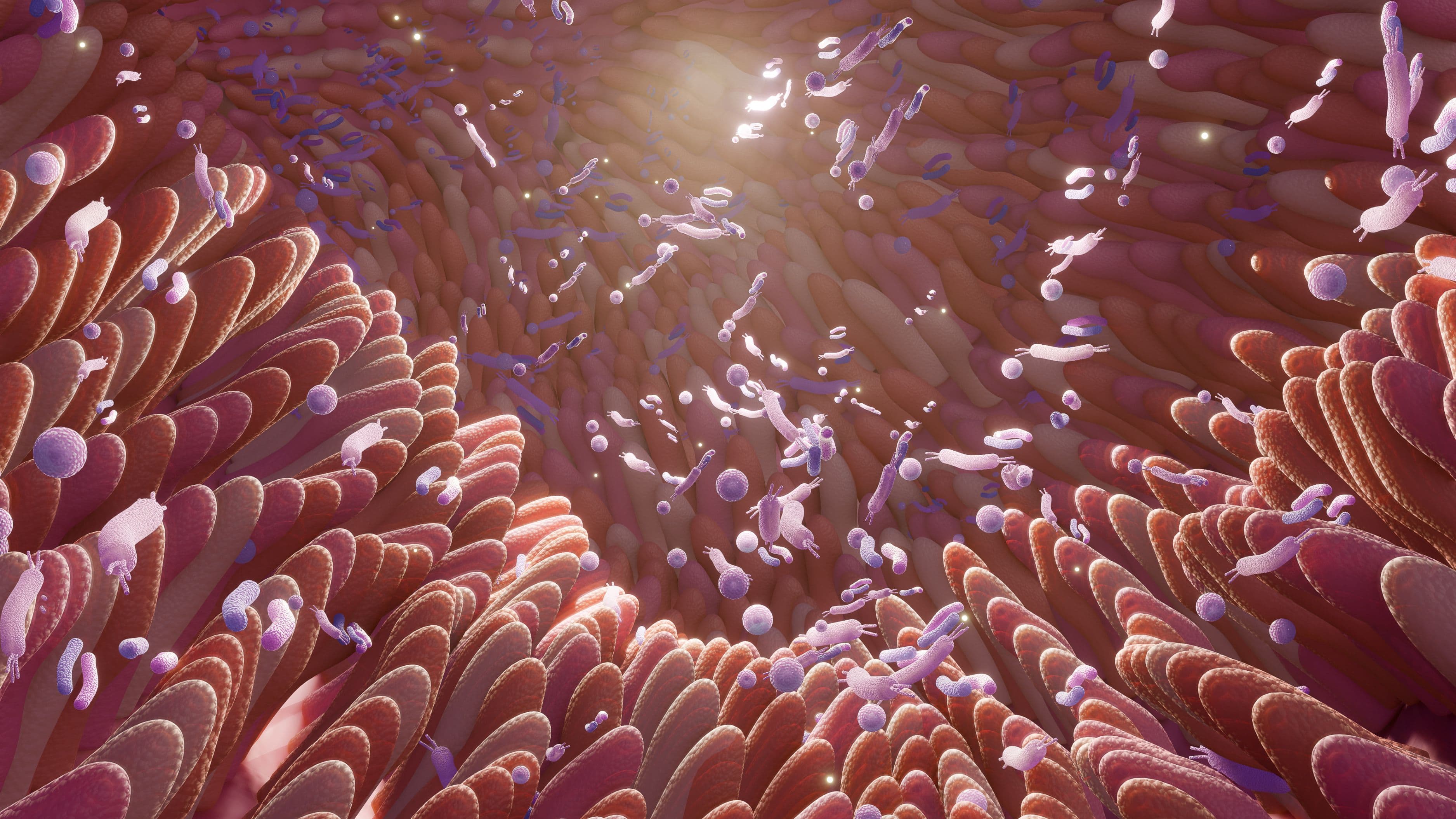
The key distinction from probiotics is that postbiotics are not live organisms. You're not introducing bacteria and hoping they survive stomach acid, bile, and competition with your existing microbiome to establish themselves. You're delivering the beneficial end products directly, which removes several variables that determine whether a probiotic actually works in a given person.
The Mechanism: Why This Matters for Gut Repair Specifically
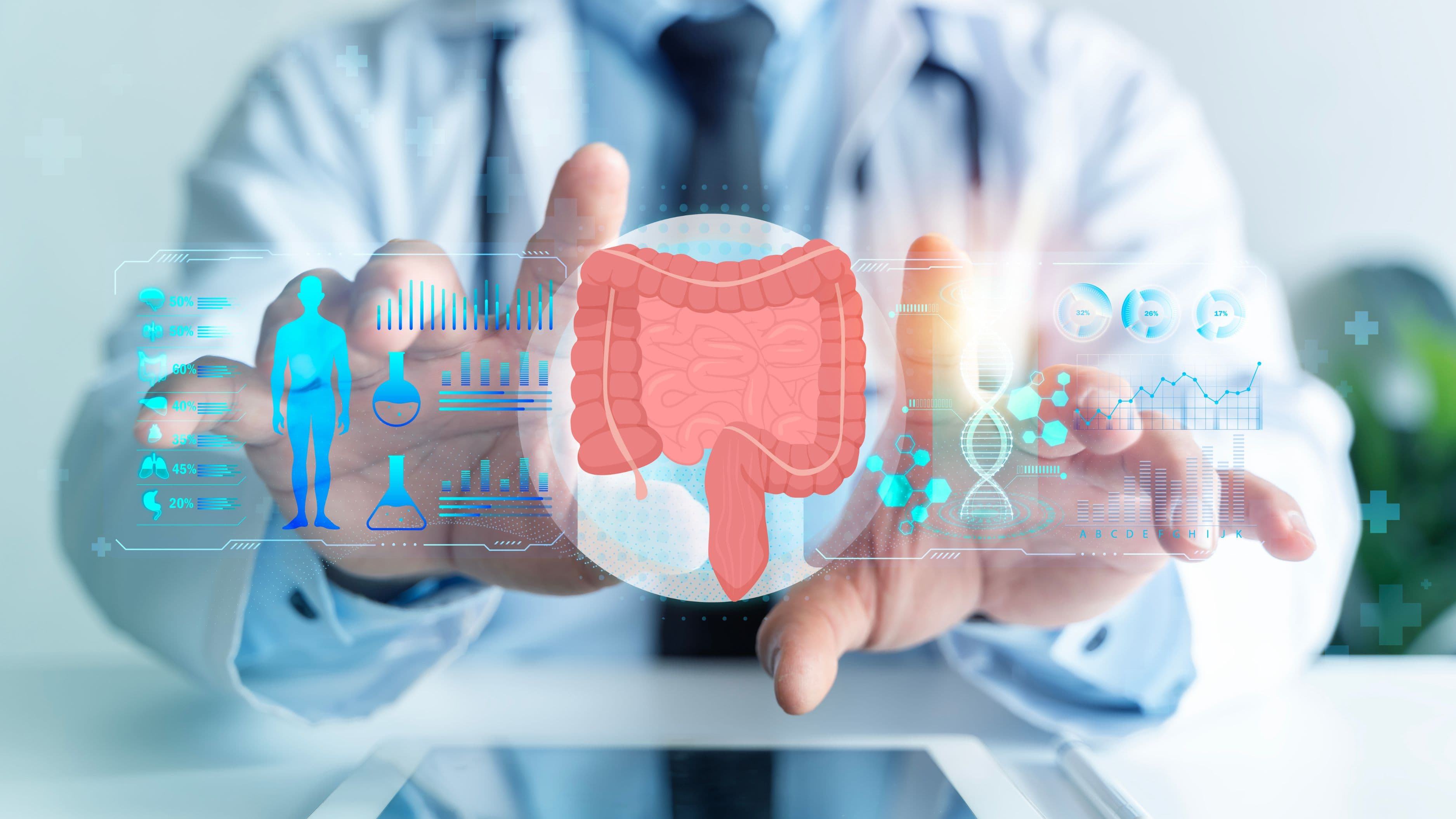
The intestinal lining is maintained by a single layer of epithelial cells held together by tight junctions, and the integrity of that barrier depends heavily on adequate energy supply to those cells. Short-chain fatty acids, particularly butyrate, serve as the primary fuel source for colonocytes, the cells lining your colon, and adequate butyrate availability is directly linked to tight junction integrity and reduced intestinal permeability.
This is the core mechanism behind postbiotic gut repair claims. Rather than relying on introduced bacteria to eventually produce these compounds in sufficient quantity, once they survive transit and successfully colonize, postbiotic supplementation delivers the repair-supporting compounds directly to the gut lining, bypassing the colonization step entirely.
Where Probiotics Fall Short
Probiotic effectiveness depends on several variables that are difficult to control for: strain survival through stomach acid, successful colonization against existing gut flora, and the specific strain's ability to produce beneficial compounds once established. Research has consistently shown wide variability in colonization success between individuals, meaning a probiotic that works well for one person may do very little for another, depending on their existing microbiome composition.
There's also a practical timing issue. Even when probiotic colonization succeeds, it takes time for those bacteria to establish themselves and begin producing meaningful quantities of beneficial metabolites. For someone dealing with an already compromised gut lining, whether from illness, antibiotic use, or chronic stress, that lag time delays meaningful repair.
What the Research Shows
Clinical research on butyrate supplementation, one of the primary postbiotic compounds, has shown measurable improvements in markers of intestinal permeability and inflammation in several controlled studies, including populations with inflammatory bowel conditions.
Because butyrate acts directly on colonocyte metabolism rather than depending on bacterial colonization, its effects tend to be more consistent and predictable across different individuals compared to probiotic strain-dependent outcomes.
Research directly comparing postbiotic and probiotic supplementation for gut barrier function is still a developing area, and it would be inaccurate to claim the evidence base is as extensive as decades of probiotic research. What existing evidence does suggest is that postbiotics offer a more direct, mechanistically clear path to specific gut repair outcomes, while probiotics offer broader, longer-term microbiome support that includes but isn't limited to barrier repair.
When Probiotics Still Make Sense
This isn't an argument that probiotics are obsolete. Probiotics play a broader role in microbiome diversity and can support digestive and immune function in ways that go beyond direct gut barrier repair. For general microbiome maintenance, especially after antibiotic use has reduced bacterial diversity, reintroducing live beneficial bacteria still has a legitimate evidence-backed role.
The distinction worth understanding is that probiotics and postbiotics serve somewhat different primary purposes. Probiotics support broader microbiome ecology over time. Postbiotics deliver a more targeted, direct mechanism specifically relevant to gut lining integrity and inflammation markers, which is why they've drawn particular attention for gut repair specifically rather than general digestive health.
Practical Protocol
If gut barrier repair is your specific goal, look for postbiotic supplements standardized for butyrate content, typically in the form of sodium butyrate or tributyrin, which is a more stable delivery form that survives upper digestive transit better than sodium butyrate alone. Dosing in existing research has generally ranged from 300 to 600 milligrams per day, though individual protocols should be discussed with a healthcare provider given the developing nature of dosing research.
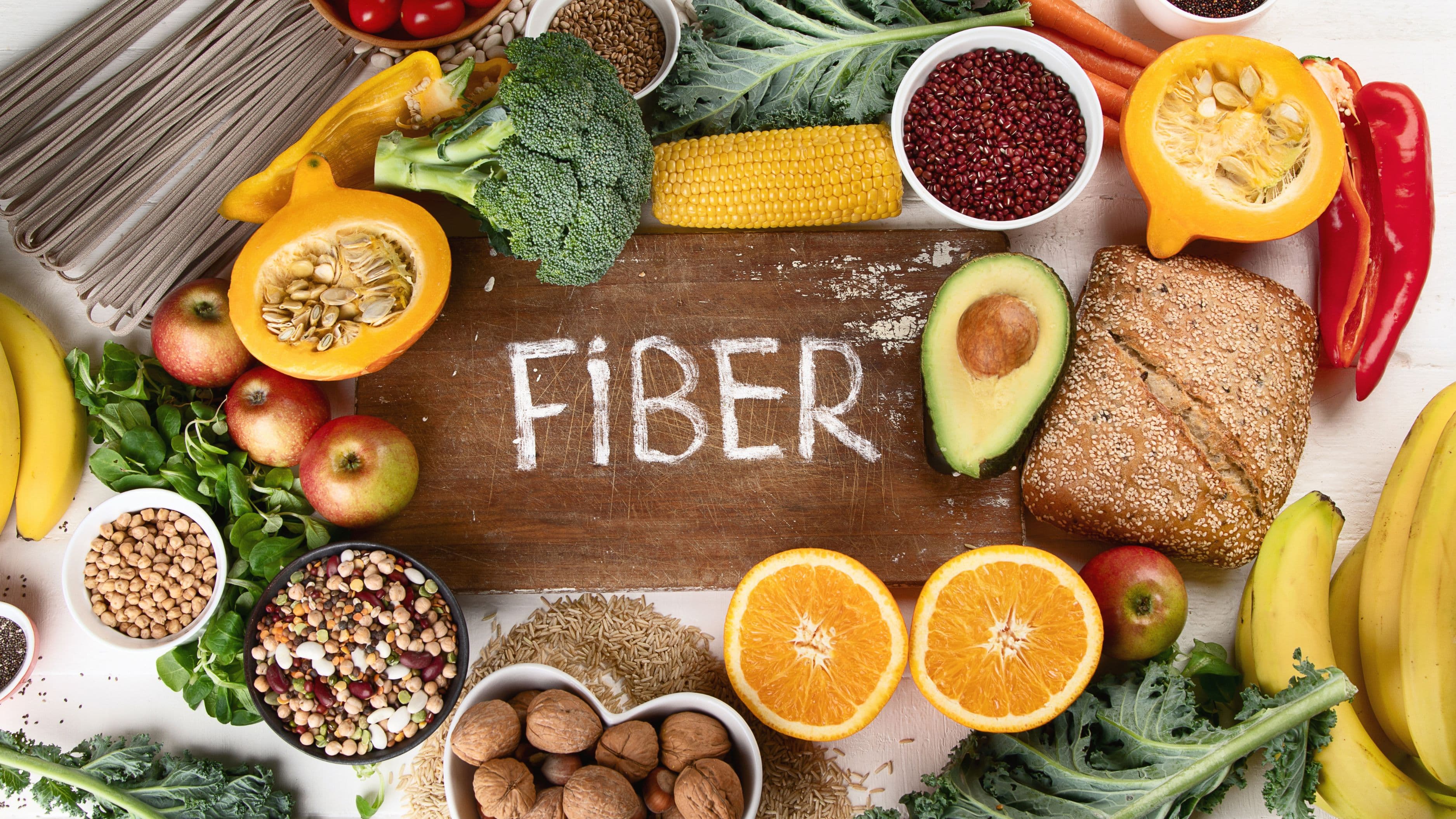
Combining a postbiotic approach with adequate dietary fiber intake supports the process further, since fiber fermentation by your existing gut bacteria naturally produces additional short-chain fatty acids alongside any supplemental postbiotic intake. This combination approach, rather than choosing one over the other, reflects how these systems work together in the actual gut environment.
Expected Results and Timeline
Based on available research, measurable improvements in gut permeability markers with butyrate-based postbiotic supplementation have generally appeared within four to eight weeks of consistent use in clinical studies, though individual results vary based on the underlying cause of gut lining compromise and consistency of use. This isn't an overnight fix, and expecting rapid results sets up unrealistic expectations that don't match the timeline seen in the actual research.
Risks and Limitations
Postbiotic supplementation is generally well tolerated, though some individuals report mild digestive discomfort when first introducing butyrate supplements, which typically resolves with continued use or a lower starting dose. The research base, while promising, is still smaller than the decades of probiotic research, meaning some claims in the broader wellness space outpace what's been rigorously established in controlled trials.
Postbiotics are not a substitute for addressing underlying causes of gut lining damage, including chronic stress, poor dietary patterns, or unmanaged conditions that may require direct medical treatment. Treating gut repair supplements as a standalone fix while ignoring these underlying factors is a common and costly mistake.
Common Mistakes
A common mistake is assuming more postbiotic supplementation automatically means faster or better repair, when consistency at an appropriate dose matters more than aggressive dosing. Another common mistake is neglecting dietary fiber intake while relying entirely on supplementation, since fiber fermentation remains a foundational source of these same beneficial compounds produced naturally within your gut.
FAQ
Should I take postbiotics instead of probiotics, or both? For most people focused on general gut health, combining adequate fiber intake, a quality probiotic, and a targeted postbiotic like butyrate offers a more comprehensive approach than relying on any single category alone.
How is a postbiotic supplement different from just eating more fiber? Dietary fiber fermentation by your existing gut bacteria naturally produces short-chain fatty acids, but a postbiotic supplement delivers a standardized, concentrated dose directly, which can be useful when gut bacterial diversity or fermentation capacity is already compromised.
Are postbiotics safe to take long term? Available research suggests good tolerability for compounds like butyrate, but long-term data is more limited than for probiotics, so ongoing use should ideally be discussed with a healthcare provider, especially for anyone with underlying digestive conditions.
Bottom Line
Postbiotics offer a more direct, mechanistically predictable path to gut barrier repair specifically, bypassing the colonization uncertainty that limits probiotic effectiveness for this particular goal. That doesn't make probiotics obsolete, but for someone specifically targeting gut lining repair, the current evidence gives postbiotics a real mechanistic edge worth understanding.
This article is for general educational purposes and isn't a substitute for personalized medical advice. Speak with a physician before starting any new supplement regimen, particularly if you have an existing digestive or autoimmune condition.
📚 Sources
Vinolo MA, et al., "Regulation of Inflammation by Short Chain Fatty Acids," Nutrients – https://www.mdpi.com/journal/nutrients
National Center for Complementary and Integrative Health, "Probiotics: What You Need to Know" – https://www.nccih.nih.gov/health/probiotics-what-you-need-to-know