
The Core Trade-Off
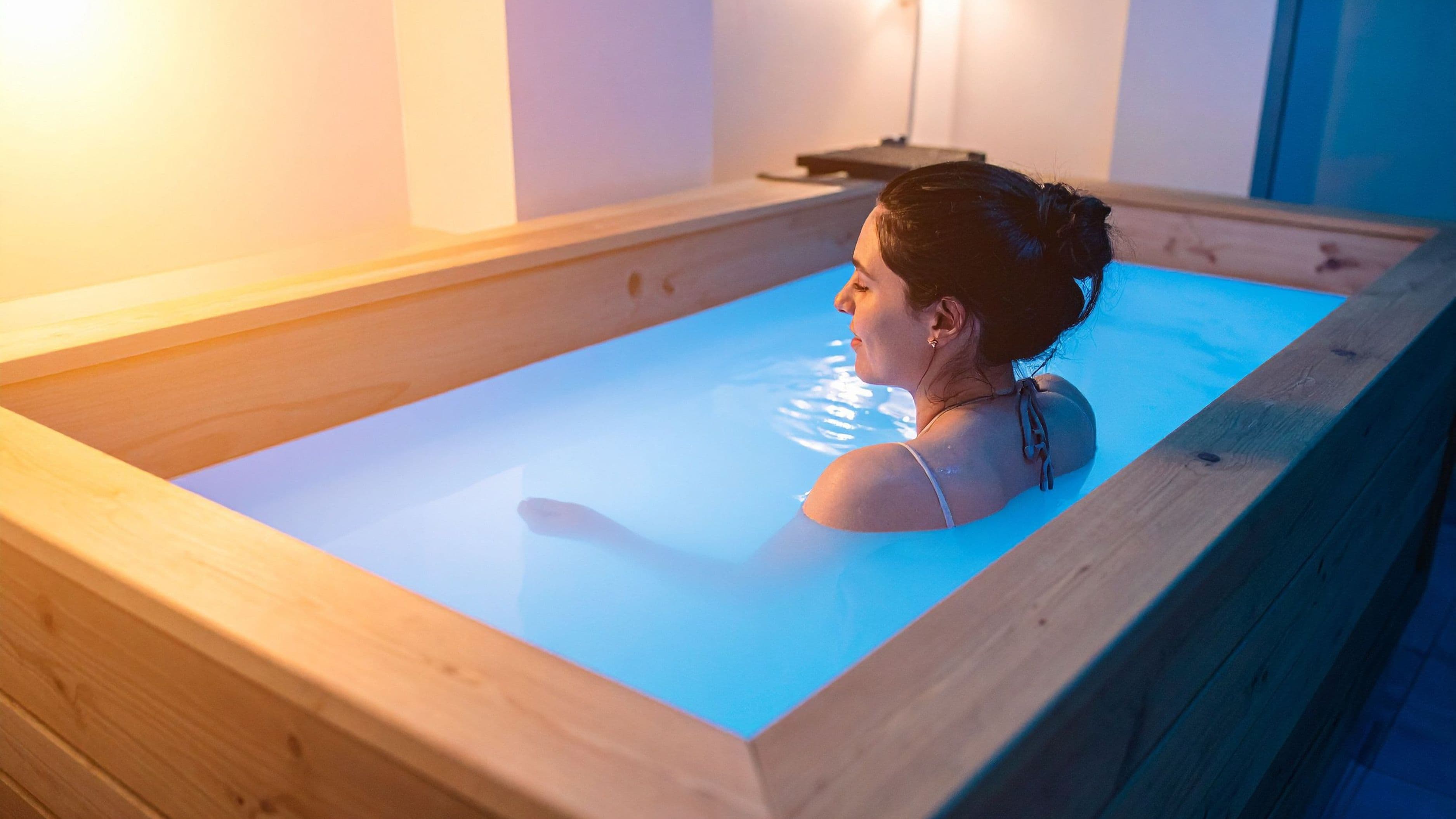
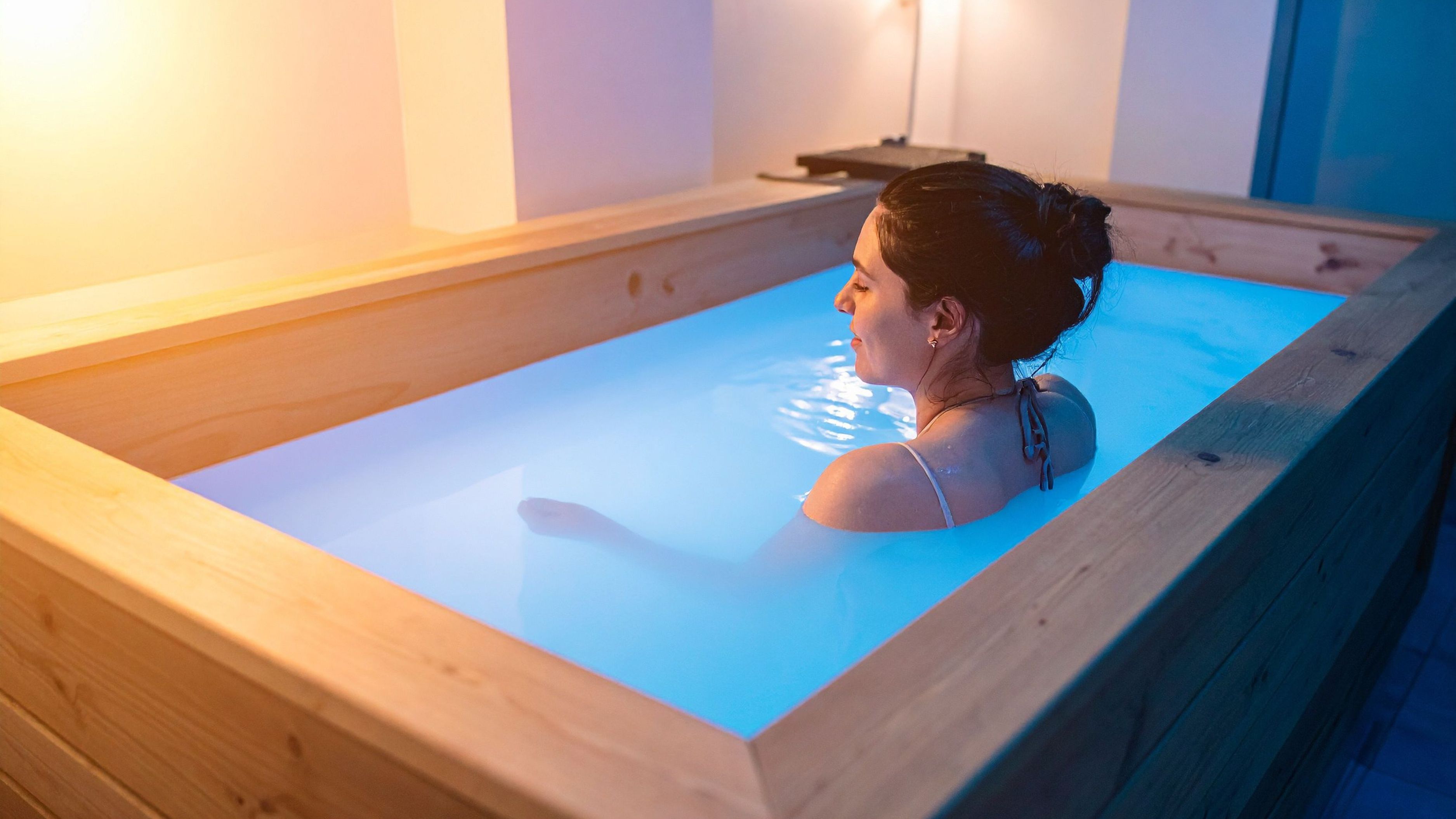
A pool chiller is a mechanical refrigeration unit plumbed into a plunge tub or small pool that actively cools and maintains water at a set temperature indefinitely, without your involvement beyond flipping it on. A DIY setup relies on manually adding ice, using frozen water bottles, or running a standalone chest freezer conversion to bring water temperature down before each session, then repeating that process every time you want to plunge.
The chiller trades upfront cost for automation and consistency. The DIY route trades a lower barrier to entry for ongoing manual labor and less precise temperature control. Neither is objectively wrong, but the right answer depends heavily on how often you're actually going to use this thing and how much friction you're willing to tolerate before your "3x a week" plunge habit quietly becomes "whenever I feel like hauling ice."
Comparison Overview
Pool Chiller Systems
Upfront cost: $1,500–$4,000+ depending on tub size and chiller capacity
Temperature control: Precise, typically maintains within 1–2°F of target
Maintenance: Requires filtration and periodic water treatment, similar to a small pool
Time investment per session: Near zero once installed
Water quality: Consistent, can be sanitized and reused for weeks between changes
DIY Ice-Based Setup
Upfront cost: $100–$400 for a stock tank or tub, plus recurring ice cost
Temperature control: Inconsistent, drifts upward over the session as ice melts
Maintenance: Minimal equipment, but water needs frequent full changes
Time investment per session: 15–30 minutes of ice prep and cleanup per use
Water quality: Degrades faster without filtration, higher bacterial growth risk if reused
DIY Chest Freezer Conversion
Upfront cost: $400–$900 including a chest freezer, temperature controller, and conversion kit
Temperature control: Good once dialed in, comparable to a lower-end chiller
Maintenance: More DIY troubleshooting required, no professional support if something fails
Time investment per session: Low once running, higher setup complexity upfront
Water quality: Better than ice-based, still requires manual filtration or regular changes
Breakdown by Option
Pool Chiller: Built for Consistency at a Cost
A dedicated chiller unit does one job extremely well: it holds your water at a precise, repeatable temperature every single time, which matters more than most people expect. Cold exposure protocols in the research are typically studied at specific temperature ranges, generally 50–59°F for meaningful physiological response, and a chiller is the only method that reliably hits and holds that range without you doing math on ice ratios every morning.
The downside is straightforward: cost and installation complexity. A quality chiller sized appropriately for a plunge tub runs $1,500 to $4,000 depending on horsepower and brand, before accounting for the tub itself, electrical work, and plumbing. It also draws continuous power to maintain temperature, adding a modest but real line item to your electricity bill. For someone fully committed to a long-term daily or near-daily practice, this is infrastructure, not a gadget, and it should be evaluated the same way you'd evaluate a home gym build.
DIY Ice-Based Setup: Low Barrier, High Friction
Filling a stock tank with cold tap water and dumping in bagged ice is the fastest way to test whether cold plunging is actually something you'll stick with, and that's a legitimate reason to start here. The upfront cost is a fraction of a chiller system, and there's no installation, plumbing, or electrical work involved.
The problem shows up after week three. Ice costs add up fast if you're plunging regularly, often $5 to $15 per session depending on your local pricing and how deep your tub is, and the temperature isn't stable. Water starts cold and drifts upward as ice melts throughout the session, which means the back half of a longer plunge delivers a meaningfully weaker stimulus than the front half. Water quality is also a real concern here: standing water without filtration or sanitization becomes a bacterial growth environment within days, especially if you're not fully draining and cleaning the tub between uses.
Chest Freezer Conversion: The Middle Ground
This is the option most disciplined DIY-minded users actually land on. A chest freezer paired with a temperature controller and a submersible pump can hold water at a consistent, programmable temperature for a fraction of a commercial chiller's cost, and it's a well-documented approach with an established community of people who've solved most of the common failure points already.
The trade-off is troubleshooting responsibility. If your temperature controller fails or your pump clogs, you're diagnosing and fixing it yourself, with no manufacturer support line to call. It also requires more upfront research and setup time than either of the other two options, and results vary more based on your own execution than with a purpose-built product.
Best Use Cases
If you're plunging four or more times a week long-term and want zero friction between deciding to plunge and actually being in cold water, a chiller is worth the investment. The consistency alone removes the single biggest reason people abandon a cold exposure habit: the setup becoming more annoying than the benefit is worth.
If you're still testing whether cold exposure fits into your routine at all, start with the ice-based approach for four to six weeks before spending real money on infrastructure. It's the lowest-risk way to find out if this is a habit you'll actually keep.
If you're comfortable with basic DIY troubleshooting and want chiller-level consistency without chiller-level cost, the chest freezer conversion is the most efficient use of money for someone already committed to the practice but not ready for a four-figure investment.
Realistic Expectations
A chiller system pays for itself in convenience within the first two to three months for anyone plunging regularly, once you account for ice costs and the time spent on prep with the DIY method. It won't make cold exposure more effective per session, the physiological benefit comes from the temperature and duration, not the delivery method, but it removes the friction that causes most people to quit.
Expect any DIY method to require more hands-on maintenance than advertised. Water quality issues, ice budget creep, and inconsistent temperatures are the most common reasons people underestimate the real cost of the "cheap" option over a full year of use.
Risks and Mistakes to Avoid
Cold water immersion carries real cardiovascular stress, particularly the initial shock response, which spikes heart rate and blood pressure briefly upon entry. This is a legitimate consideration for anyone with a known heart condition, uncontrolled blood pressure, or a history of cardiac events, and a physician should be consulted before starting any regular cold immersion protocol if that applies to you.
Regardless of which setup you choose, never plunge alone during your first several sessions until you know how your body responds. The cold shock response is unpredictable the first few times, and having someone nearby during the adjustment period is a reasonable precaution, not an overreaction.
Don't neglect water sanitation on any setup, including chiller-based systems. Standing water, even when cold, supports bacterial growth without proper filtration or periodic treatment, and skin exposure to poorly maintained water can cause more problems than the cold exposure solves.
FAQ
What temperature should I actually be targeting? Most research on cold water immersion for recovery and inflammation uses ranges between 50–59°F. Colder isn't automatically better, and extreme cold significantly shortens safe exposure time without added benefit.
Do I need a chiller to get real benefits from cold plunging? No. The physiological response comes from temperature and duration, not the equipment. A well-managed ice-based setup delivers the same stimulus, just with more manual effort to maintain it consistently.
How often should I actually be plunging to see results? Most studied protocols use 2–4 sessions per week at 2–5 minutes per session. Daily plunging isn't necessary for the majority of documented benefits and adds more maintenance burden without clear additional upside.
Is a chest freezer conversion actually safe? Yes, when built correctly with a proper temperature controller and GFCI-protected electrical setup. The main risks come from improper electrical work, which is worth having a professional review if you're not confident doing it yourself.
📚 Sources
National Library of Medicine – Cold Water Immersion: Kill or Cure?
American Heart Association – Cold Weather and Cardiovascular Risk