


What Polyphenols Are and Why the Gut Is Where They Do Their Work
Polyphenols are a broad class of plant-derived bioactive compounds characterized by multiple phenol rings in their molecular structure. The major subclasses include flavonoids (quercetin, kaempferol, EGCG, resveratrol's structural relatives), phenolic acids (chlorogenic acid, caffeic acid), stilbenes (resveratrol itself), and lignans. The dietary sources are high-pigment plants: berries, dark chocolate, green tea, coffee, red wine, olive oil, cruciferous vegetables, and legumes.
The mechanism most people assume – that polyphenols are absorbed in the small intestine and then act systemically as antioxidants – is largely incorrect for the majority of dietary polyphenols. Absorption in the upper GI tract is estimated at 5–10% for most polyphenol classes. The remaining 90–95% reaches the colon intact, where it becomes substrate for gut bacteria. This is not a metabolic failure. It is the primary route of bioactivity. The colon is where polyphenols matter most.
In the colon, specific bacterial strains metabolize polyphenols into bioactive short-chain metabolites – urolithins from ellagitannins (found in pomegranate and walnuts), equol from soy isoflavones, and various hydroxyphenylacetic and hydroxyphenylpropionic acid derivatives from flavonoids. These metabolites have biological activities that parent polyphenols do not. Urolithin A, for example, has been shown to induce mitophagy and improve mitochondrial efficiency in a way that ellagitannins themselves cannot. The microbiome is not incidentally involved in polyphenol metabolism – it is the primary determinant of polyphenol bioactivity.
How Polyphenol Loading Reshapes Bacterial Composition
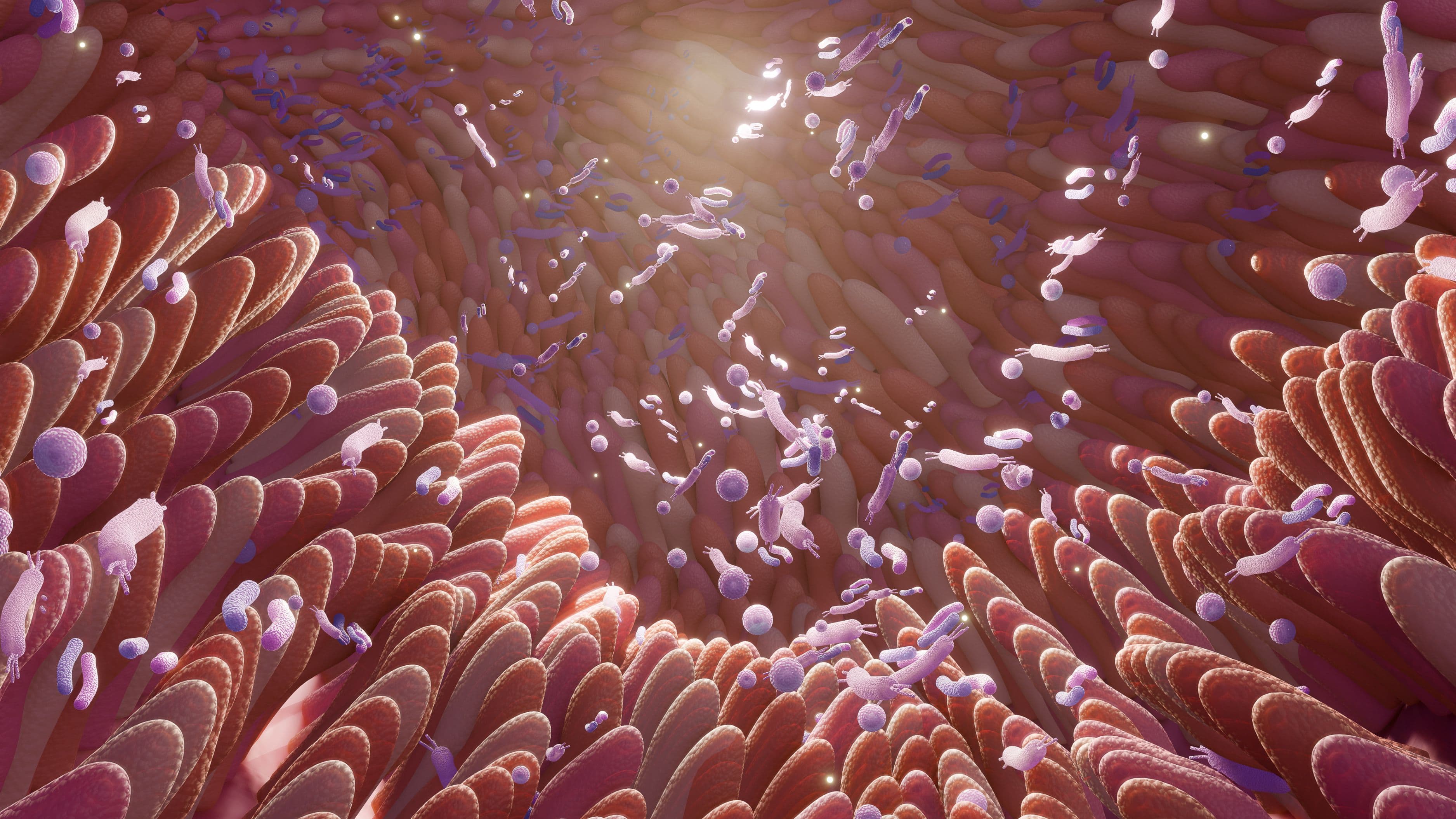
The bidirectional relationship between polyphenols and the microbiome is well established. Polyphenols selectively modulate bacterial populations – inhibiting pathogens and Gram-negative dysbiotic species while supporting growth of beneficial Firmicutes and specific Lactobacillus and Bifidobacterium strains. This selectivity operates through multiple mechanisms: direct antimicrobial activity against specific species, prebiotic-like effects on beneficial bacteria, and modulation of the gut environment through pH and short-chain fatty acid production.
Bifidobacterium and Lactobacillus proliferation is one of the most consistently replicated findings in polyphenol microbiome research. Both genera are associated with reduced intestinal permeability, competitive exclusion of pathogens, and production of short-chain fatty acids including butyrate. A 2020 meta-analysis in Advances in Nutrition found that dietary polyphenol interventions consistently increased Bifidobacterium abundance across multiple study populations and polyphenol subclasses.
Akkermansia muciniphila expansion is the finding that has drawn the most attention in precision gut health. Akkermansia is a mucin-degrading bacterium associated with gut barrier integrity, improved insulin sensitivity, and reduced systemic inflammation. It is enriched in the guts of lean, metabolically healthy individuals and depleted in obesity, type 2 diabetes, and inflammatory conditions. Polyphenol intervention – particularly from grape-derived proanthocyanidins, cranberry polyphenols, and resveratrol – consistently and significantly increases Akkermansia abundance in both animal and human studies. A clinical trial published in Gut Microbes found that cranberry polyphenol extract significantly expanded Akkermansia relative abundance within four weeks in healthy men.
Suppression of Firmicutes:Bacteroidetes imbalance is another well-documented effect. The Firmicutes to Bacteroidetes ratio is an imperfect but commonly used index of gut dysbiosis. Elevated Firmicutes relative to Bacteroidetes is associated with increased energy extraction from the diet, higher systemic inflammation, and poorer metabolic outcomes. High polyphenol intake from diverse plant sources has been shown to normalize this ratio toward a more favorable Bacteroidetes-dominant profile.
Reduction of Clostridium and Fusobacterium species is the antimicrobial dimension of polyphenol loading. Several pathobiont species – including Clostridium perfringens and certain Fusobacterium strains associated with colorectal inflammation – are sensitive to polyphenol-derived metabolites. Green tea catechins (EGCG in particular) have demonstrated direct bacteriostatic activity against a range of Gram-positive pathogens. This selective pressure does not require pharmaceutical-level dosing – it accumulates with consistent dietary polyphenol load over weeks to months.
The Urolithin Pathway: Why Gut Profile Determines Polyphenol Outcomes
Urolithin A has become the most studied example of microbiome-dependent polyphenol bioactivity. It is produced from ellagitannins (pomegranate, walnuts, oak-aged foods) by specific bacterial strains – primarily Gordonibacter urolithinfaciens and Ellagibacter isourolithinifaciens. The problem: not all men harbor these strains. Population studies have identified three distinct urolithin metabotypes – those who efficiently produce urolithin A (metabotype A, approximately 40% of Western populations), those who produce a mixture of urolithins including B (metabotype AB, approximately 45%), and non-producers who convert ellagitannins to urolithin B but not A (metabotype 0, approximately 15%).
The implications for supplementation and dietary strategy are direct. A man in metabotype 0 consuming pomegranate juice, walnuts, or ellagitannin-rich foods is not producing urolithin A regardless of intake. The mitophagy induction, mitochondrial biogenesis enhancement, and anti-inflammatory effects associated with urolithin A are not available to him through dietary sources alone. For this subpopulation, direct urolithin A supplementation (as Mitopure, the clinically studied form) bypasses the microbial conversion step and delivers the active metabolite.
This is not a marginal consideration. Urolithin A has been shown in a placebo-controlled trial published in Nature Metabolism to improve mitochondrial biogenesis markers and muscle endurance in older men, with effects detectable at 500mg daily over four months. For performance-oriented men, particularly those over 35 where mitochondrial efficiency naturally declines, the question of urolithin metabotype is clinically relevant. Testing is not yet mainstream, but metabotype can be inferred from a comprehensive gut microbiome analysis that identifies the relevant producer strains.
EGCG, Resveratrol, and the Bioavailability Problem
Green tea catechins – especially EGCG – are among the most studied polyphenols for gut and systemic effects. EGCG reaches the colon at high concentrations and directly modulates bacterial community structure, with consistent inhibitory effects on Clostridiales and stimulatory effects on Lactobacillales. It also undergoes microbial conversion to smaller phenolic acids that circulate systemically and modulate inflammatory gene expression. The dose matters: studies producing measurable microbiome shifts typically used green tea extracts standardized to 400–800mg EGCG daily, substantially above what a few cups of tea delivers.
Resveratrol presents a different challenge. Its oral bioavailability from dietary sources is extremely low – extensive first-pass metabolism in the liver converts most of it to sulfated and glucuronidated conjugates before it reaches systemic circulation. However, in the colon, intact resveratrol and its conjugates are substrates for microbial metabolism, and the resulting metabolites (dihydroresveratrol and lunularin) have demonstrated biological activity. High-dose resveratrol supplementation (500mg–1g daily) has been shown to increase Akkermansia and Bifidobacterium while reducing inflammatory markers in metabolic syndrome patients. The dose-response here is steep – the polyphenol amounts achievable through red wine consumption alone are pharmacologically irrelevant.
The practical implication across EGCG, resveratrol, and most other studied polyphenols is that food sources alone, while beneficial, are unlikely to produce the magnitude of microbiome shifts seen in clinical trials. Dietary polyphenol loading from diverse high-pigment plant sources establishes a favorable baseline. Targeted supplementation with standardized extracts is required for optimization-level effects.
Polyphenol Diversity vs. High-Dose Single Compounds
A relevant debate in the literature concerns whether diversity of polyphenol input produces better microbiome outcomes than high-dose single-compound interventions. The evidence leans toward diversity for general microbiome health and toward targeted high-dose compounds for specific mechanistic outcomes.
Dietary diversity in polyphenol sources – a wide variety of plant foods across the flavonoid, phenolic acid, and stilbene classes – consistently produces greater alpha diversity (richness and evenness of bacterial species) than single-compound supplementation alone. Alpha diversity is a robust predictor of gut resilience, inflammatory tone, and metabolic health. The Mediterranean diet, which is essentially a high-polyphenol diverse dietary pattern, produces measurable microbiome shifts toward reduced inflammatory species and increased butyrate producers within 12 weeks.
For specific outcomes – urolithin A production, Akkermansia expansion, EGCG-mediated pathobiont suppression – targeted high-dose supplementation of the relevant compound produces effects that dietary diversity alone cannot reliably achieve. The evidence-based protocol integrates both: a diverse plant-heavy dietary foundation providing the full spectrum of polyphenol classes, with strategic supplementation of specific compounds at clinically relevant doses.
Practical Protocol for Polyphenol Loading
Dietary foundation: Target 8–10 distinct plant-polyphenol sources daily. High-value sources per gram of polyphenol content include ground cloves, dark cocoa powder, dried berries, black elderberry, artichoke, dark plums, coffee (two to three cups), black and green tea, red onion, and spinach. The goal is color and variety, not volume of any single food.
Targeted supplementation stack:
EGCG (green tea extract, standardized): 400–600mg daily with food, morning
Resveratrol: 500mg daily with a fat-containing meal to improve absorption
Pomegranate extract or ellagic acid: 500–1000mg daily (for urolithin pathway support in producer metabotypes, or as direct urolithin A supplement at 500mg if non-producer status is suspected)
Quercetin: 500mg daily – broad flavonoid with Akkermansia-supporting and anti-inflammatory activity
Cycling consideration: There is theoretical concern that sustained high-dose polyphenol supplementation may eventually alter microbial populations in ways that reduce metabolic flexibility. Practical evidence for this in humans at the doses described is limited, but a reasonable approach is to cycle off targeted polyphenol supplements for two to four weeks every three to four months while maintaining dietary polyphenol diversity.
Assessment: A gut microbiome analysis (Viome, Biomesight, or similar) at baseline and after 12 weeks of consistent loading provides objective data on bacterial profile shifts. Look specifically at Akkermansia, Bifidobacterium, Lactobacillus, and Firmicutes:Bacteroidetes ratio as primary outcome markers. Correlate with subjective markers: bowel regularity, bloating, post-meal inflammation, and recovery quality, which often shift perceptibly within four to six weeks of dietary polyphenol optimization.
Expected Timeline and Realistic Limitations
Microbiome composition is more plastic than previously believed. Measurable shifts in dominant bacterial populations occur within two to four weeks of significant dietary changes. Full community restructuring toward a stable new baseline typically takes eight to twelve weeks of consistent intervention. Reverting to a low-polyphenol diet can return the microbiome toward baseline within one to two weeks – the shifts are real but require maintenance.
Individual response variation is high. Men with severely dysbiotic baseline microbiomes – characterized by low diversity, depleted Akkermansia, or elevated pathobiont load – tend to show the most dramatic and rapid response to polyphenol loading. Men with already-favorable microbiome profiles will see more modest changes and may need to focus on maintenance rather than dramatic restructuring. Baseline testing is worth the $100–$200 cost before designing a supplementation protocol.
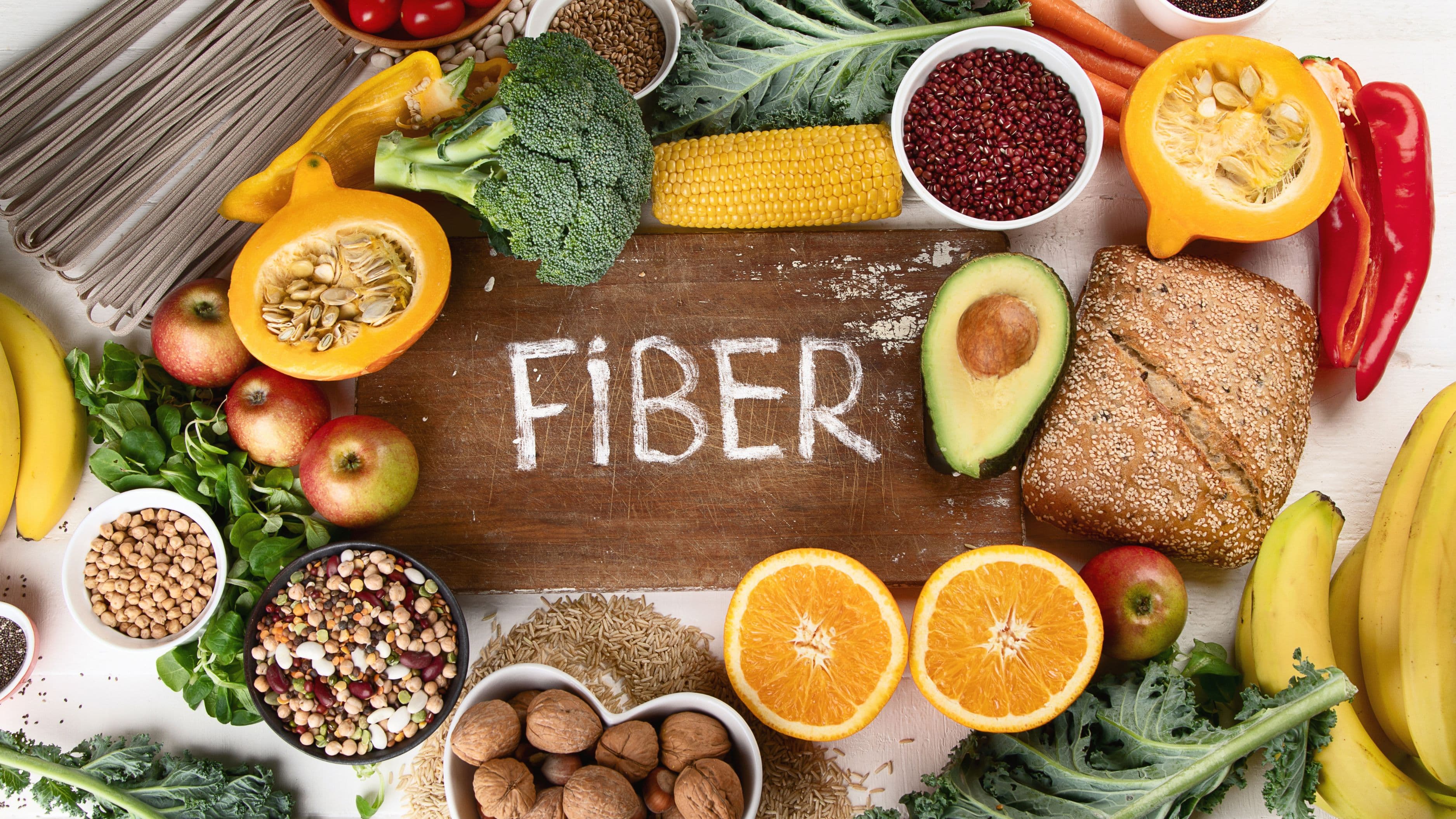
Polyphenol loading does not substitute for fiber. Short-chain fatty acid production – particularly butyrate – requires fermentable prebiotic fiber (inulin, pectin, resistant starch) in addition to polyphenol substrate. An optimized gut protocol addresses both. Polyphenol-only intervention without adequate fiber typically produces suboptimal butyrate production even with favorable bacterial profile changes.
FAQ
Can I get sufficient polyphenol loading from diet alone without supplements? For general microbiome health and reduced inflammatory baseline, yes – a diverse, plant-heavy diet is the foundation. For specific optimization targets like Akkermansia expansion or urolithin A production at clinically studied levels, supplementation at standardized doses is required. Diet and supplementation are additive, not interchangeable.
Does cooking destroy polyphenols? Partially, depending on the compound and method. EGCG is heat-sensitive; green tea should be brewed at 70–80°C rather than boiling. Quercetin in onions is relatively heat-stable. Many phenolic acids in coffee and chocolate are either stable to heat or enhanced by mild processing. Raw consumption is not categorically superior – bioavailability is the relevant variable, and some polyphenols become more bioavailable after mild cooking due to cell wall disruption.
Is there a risk of polyphenol-induced dysbiosis from high-dose supplementation? At the doses described, direct dysbiosis from polyphenol supplementation is not documented in the human literature. Polyphenols are selective in their antimicrobial effects, primarily affecting pathogens and Gram-negative dysbiotic species at concentrations achievable with supplementation. That said, any intervention strong enough to shift microbiome composition warrants periodic assessment rather than indefinite unsupervised loading.
How does alcohol interact with polyphenol loading? Alcohol disrupts gut barrier integrity, increases intestinal permeability, and directly alters microbiome composition toward dysbiotic profiles – particularly elevating Proteobacteria and reducing Akkermansia. Regular alcohol consumption significantly attenuates the microbiome benefits of polyphenol loading. Red wine's resveratrol content does not compensate for the microbiome damage of ethanol at typical consumption levels.
Does the Omega-3 Index interact with polyphenol loading outcomes? Indirectly. EPA and DHA reduce the intestinal inflammatory environment that drives dysbiosis, and anti-inflammatory gut conditions improve the survival and activity of beneficial polyphenol-metabolizing bacteria. The two interventions are mechanistically complementary – adequate omega-3 membrane incorporation creates a more favorable substrate environment for polyphenol-driven microbiome optimization.
📚 Sources
Kemperman RA et al – Impact of polyphenols from black tea and red wine on the intestinal microbiota. Food Research International, 2013 – https://pubmed.ncbi.nlm.nih.gov/23399716/
Anhê FF et al – A polyphenol-rich cranberry extract protects from diet-induced obesity, insulin resistance and intestinal inflammation in association with increased Akkermansia spp. population in the gut microbiota. Gut, 2015 – https://pubmed.ncbi.nlm.nih.gov/25431457/
Singh A et al – Urolithin A improves muscle strength, exercise performance and biomarkers of mitochondrial health. Nature Metabolism, 2022 – https://www.nature.com/articles/s42255-022-00530-2
Manach C et al – Polyphenols: food sources and bioavailability. American Journal of Clinical Nutrition, 2004 – https://pubmed.ncbi.nlm.nih.gov/15113710/
Barroso E et al – Urolithin metabotypes in the human population. European Journal of Nutrition, 2021 – https://pubmed.ncbi.nlm.nih.gov/32617640/
Zhao Z et al – Resveratrol modulates the gut microbiota and inflammation to prevent deterioration of cardiometabolic function. Food & Function, 2021 – https://pubmed.ncbi.nlm.nih.gov/34250514/
Selma MV et al – Interaction between phenolics and gut microbiota. Journal of Agricultural and Food Chemistry, 2009 – https://pubmed.ncbi.nlm.nih.gov/19580283/
🔍 Explore Related Topics
How gut health affects testosterone and hormones