
This isn't an argument against plant-based eating. It's a breakdown of exactly where the gap tends to show up, why it matters for male physiology specifically, and what a disciplined approach to closing it actually looks like.
Why Protein Quality Matters More Than Total Grams
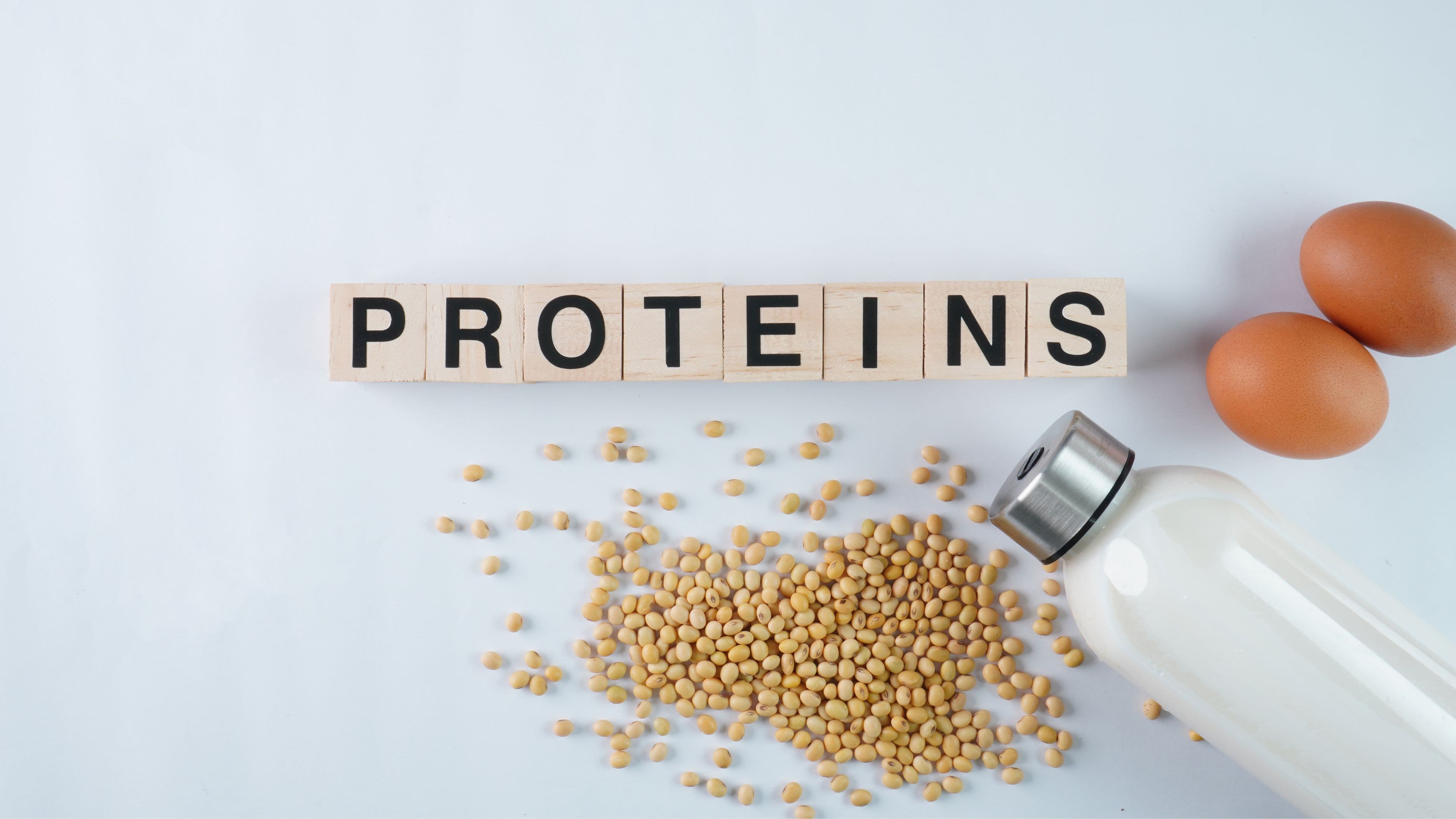
Total protein intake gets most of the attention, but protein quality (specifically, amino acid completeness and digestibility) is where plant-based diets most often fall short for men with real training demands. Animal proteins are generally complete, containing all nine essential amino acids in ratios the body uses efficiently. Most individual plant proteins are incomplete, meaning they're lower in one or more essential amino acids, most commonly lysine or methionine depending on the source.
This doesn't make plant protein useless, but it does mean hitting your target grams isn't the same as hitting your target amino acid profile. A man eating 150 grams of protein daily from a narrow range of plant sources may still be under-delivering on leucine specifically, the amino acid most directly tied to triggering muscle protein synthesis.
Leucine Threshold Is the Real Bottleneck
Muscle protein synthesis requires hitting a leucine threshold, generally estimated around 2.5-3 grams per meal, to meaningfully trigger the process. Animal proteins hit this threshold relatively easily in normal serving sizes. Plant proteins are typically lower in leucine density, meaning you often need a significantly larger serving of a plant source to hit the same leucine trigger you'd get from a smaller serving of animal protein.
In practical terms, this means plant-based men often need to eat more total protein per meal, and be more deliberate about combining sources (like rice and beans, or soy with grains) to approximate a more complete amino acid profile, rather than relying on a single plant protein source at each meal.
Testosterone and Micronutrient Interactions
Several micronutrients tied to testosterone production, specifically zinc, vitamin D, and to a lesser degree saturated fat intake, are more concentrated and more bioavailable in animal-based foods. Plant sources of zinc exist (pumpkin seeds, legumes) but contain phytates that reduce absorption, meaning the effective amount your body actually uses is lower than the label suggests.
This doesn't mean plant-based men are guaranteed low testosterone, since diet is one factor among many including sleep, training, body composition, and stress. But it does mean zinc and vitamin D status deserve specific attention and, in many cases, testing and targeted supplementation rather than assuming a varied plant diet automatically covers these bases.
Creatine Is a Genuine Blind Spot
Creatine is naturally found almost exclusively in animal products, meaning vegan and vegetarian men typically have meaningfully lower baseline creatine stores than omnivores, even before considering training demands. Creatine plays a direct role in strength output, power performance, and some cognitive functions, making this one of the clearest, most measurable gaps in a plant-based diet for physically active men.
This is also one of the easiest gaps to close. Creatine monohydrate is well-studied, inexpensive, and effectively vegan-compatible when produced synthetically rather than derived from animal sources, making daily supplementation (typically 3-5 grams) one of the highest-leverage interventions for plant-based men specifically.
Vitamin B12 Deficiency Risk Is Real and Well-Documented
Vitamin B12 is found almost exclusively in animal products, and plant-based diets without supplementation carry a well-established risk of deficiency over time, since the body's B12 stores can take months or years to deplete, meaning symptoms often show up long after the dietary gap began. B12 deficiency affects energy levels, cognitive function, and in more severe cases, nerve function.
This is not a debatable point in the research and isn't something to try to work around through diet alone. Reliable B12 supplementation, or B12-fortified foods verified to contain adequate amounts, is considered essential for anyone following a strict plant-based diet long-term.
Building a Plant-Based Approach That Actually Works
Closing the protein gap on a plant-based diet requires more precision than an omnivorous diet typically demands. Aim for a higher total protein target, generally in the range of 1.6-2.2 grams per kilogram of bodyweight for men actively training, and deliberately combine protein sources across the day rather than relying on one primary source.
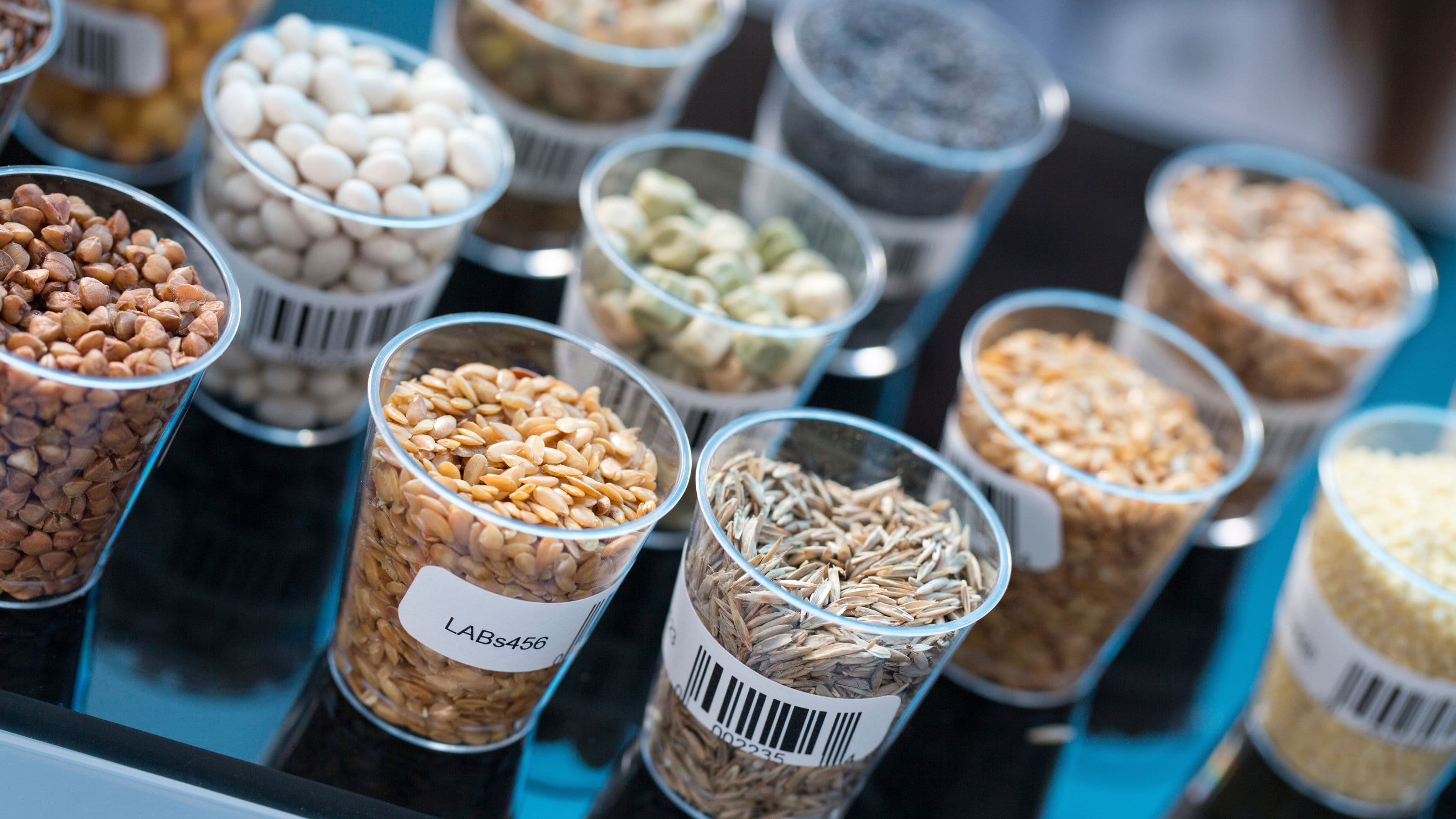
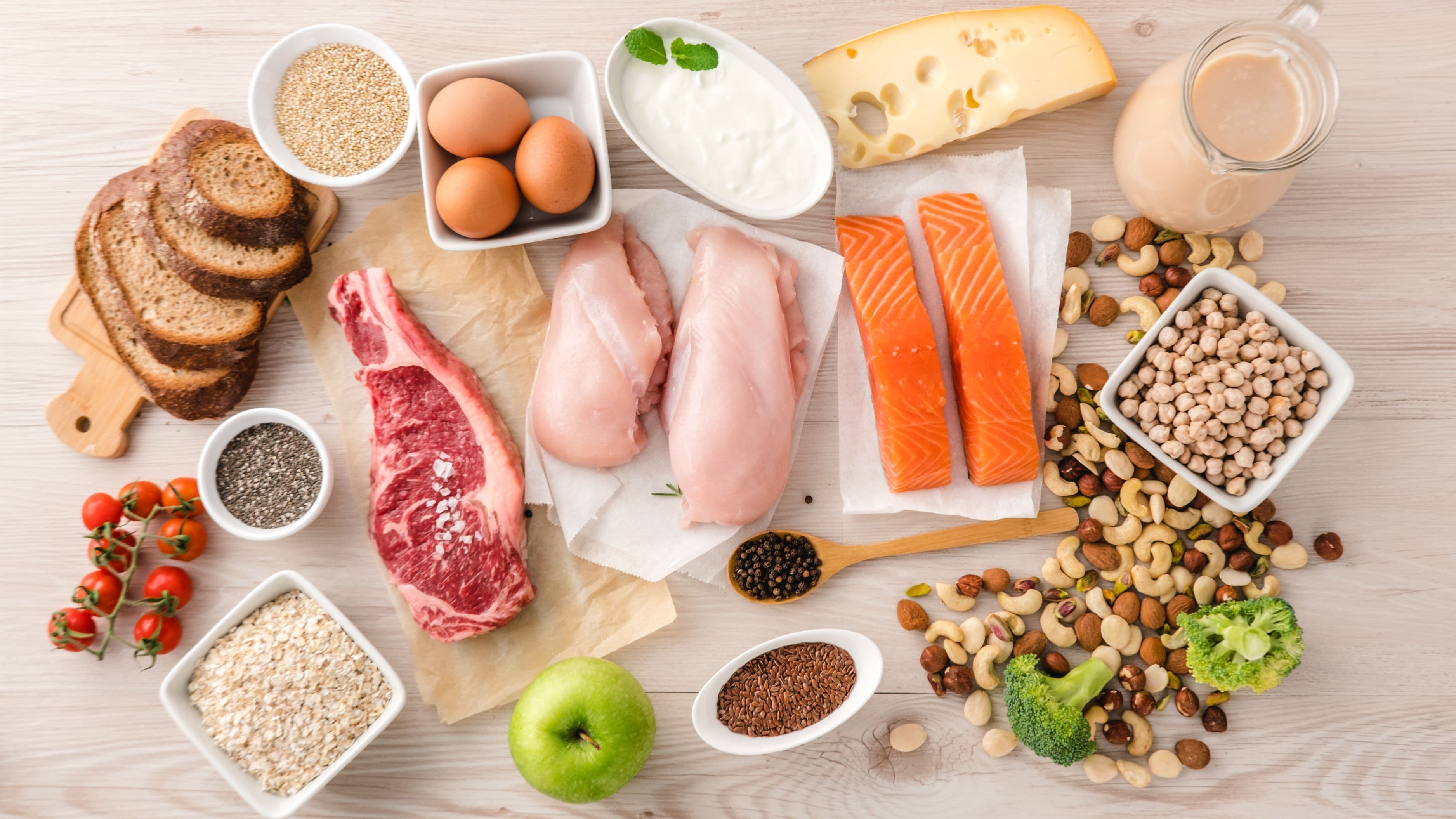
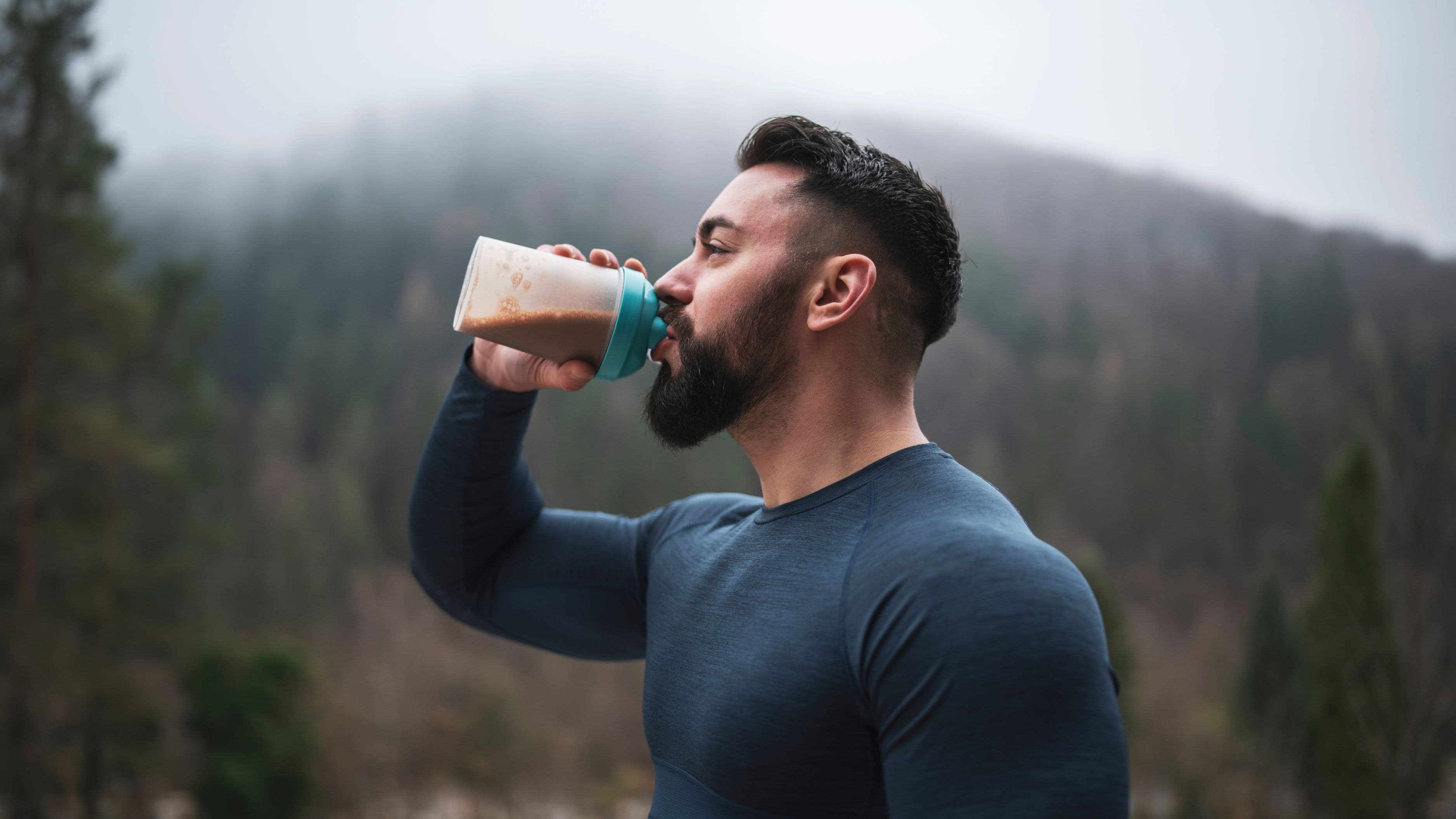
Prioritize protein-dense plant sources like tofu, tempeh, seitan, lentils, and pea protein isolate, which offer higher protein density per calorie than many other plant options. Consider a high-quality plant protein powder blend (pea and rice combined tend to offer a more complete amino acid profile than either alone) to make hitting your leucine threshold at each meal more practical.
Supplement Strategically, Not Reflexively
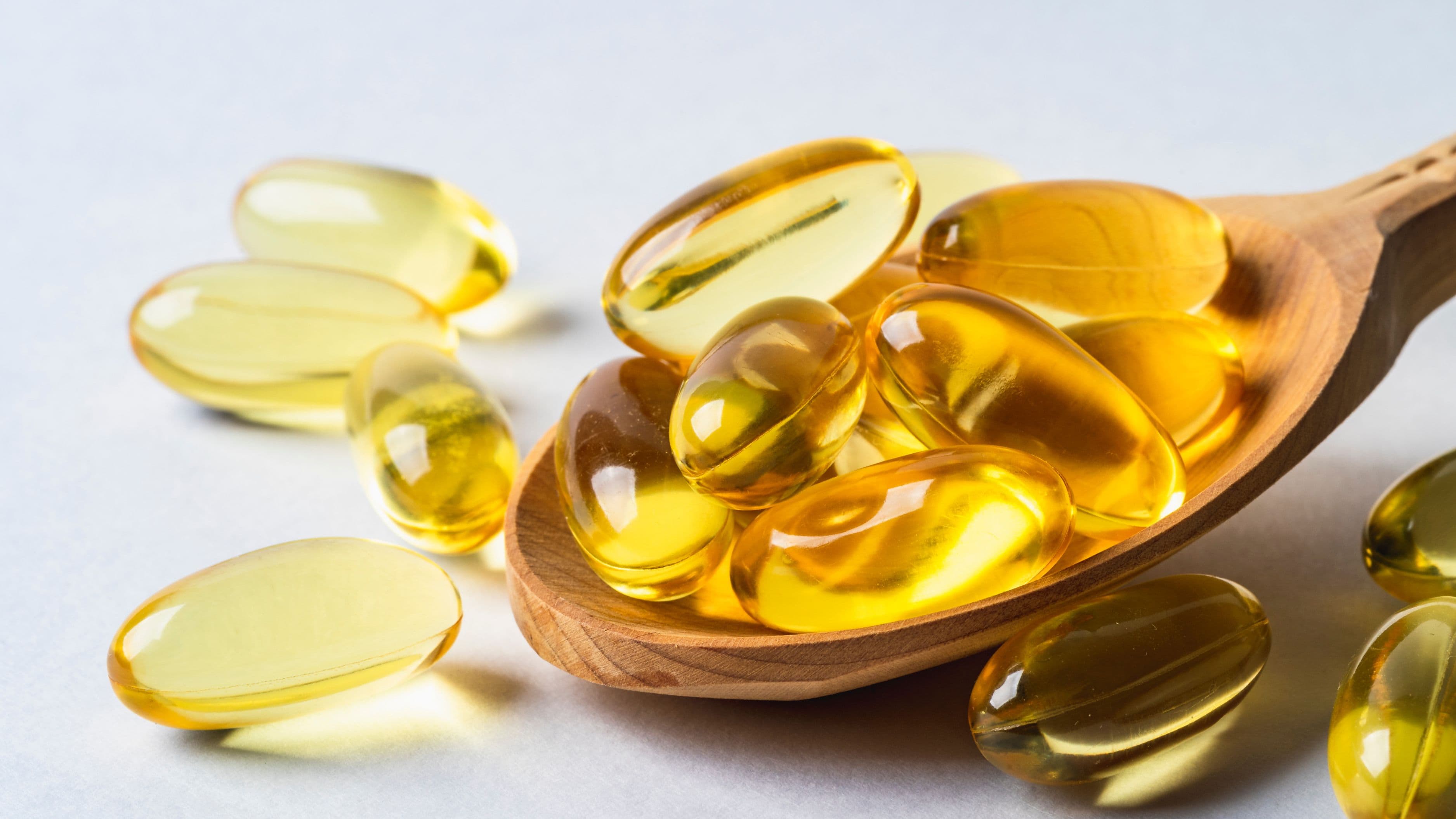
Beyond creatine and B12, plant-based men should pay close attention to zinc, vitamin D, iodine, and omega-3s (specifically EPA and DHA, which are far more bioavailable from algae-based supplements than from plant ALA sources like flaxseed). These aren't optional extras for a plant-based approach, they're closing genuine, measurable gaps that a varied diet alone often doesn't fully cover.
Get bloodwork done periodically rather than guessing. Testosterone, vitamin D, B12, ferritin, and zinc levels are all reasonable to check if you're maintaining a strict plant-based diet long-term, since this gives you actual data rather than assumptions about whether your current approach is working.
What to Avoid
Don't assume that "high protein" plant-based processed foods automatically solve the gap. Many plant-based meat alternatives are formulated for taste and texture, not optimized amino acid profiles, and some rely heavily on a single incomplete protein source. Read labels carefully rather than assuming a product marketed as high-protein covers your actual needs.
Also avoid ignoring creatine and B12 supplementation out of a belief that "food first" always applies. These are two of the clearest, best-supported cases where supplementation isn't a shortcut, it's addressing a structural gap in what a plant-based diet can realistically provide without them.
Frequently Asked Questions
Can you build significant muscle on a plant-based diet? Yes, with sufficient total protein, deliberate amino acid planning, and adequate training, muscle growth is achievable on a plant-based diet, though it typically requires more precision than an omnivorous approach.
Is soy protein safe for men in terms of hormone impact? Current research does not support meaningful negative effects on testosterone from moderate soy consumption in men; concerns about soy and estrogen effects are largely not supported by controlled studies at typical dietary intake levels.
How much creatine should a plant-based man take? A standard maintenance dose of 3-5 grams of creatine monohydrate daily is well-supported by research and doesn't require a loading phase for most people.
If you have specific concerns about testosterone, deficiency symptoms, or are considering hormone-related bloodwork, talk to a physician or endocrinologist before making significant changes based on general guidance like this.
📚 Sources
National Institutes of Health, Office of Dietary Supplements – Vitamin B12 Fact Sheet, https://ods.od.nih.gov/factsheets/VitaminB12-HealthProfessional/
National Institutes of Health, Office of Dietary Supplements – Creatine Fact Sheet, https://ods.od.nih.gov/factsheets/Creatine-HealthProfessional/
National Institutes of Health, Office of Dietary Supplements – Zinc Fact Sheet, https://ods.od.nih.gov/factsheets/Zinc-HealthProfessional/