
What Photobiomodulation Actually Is
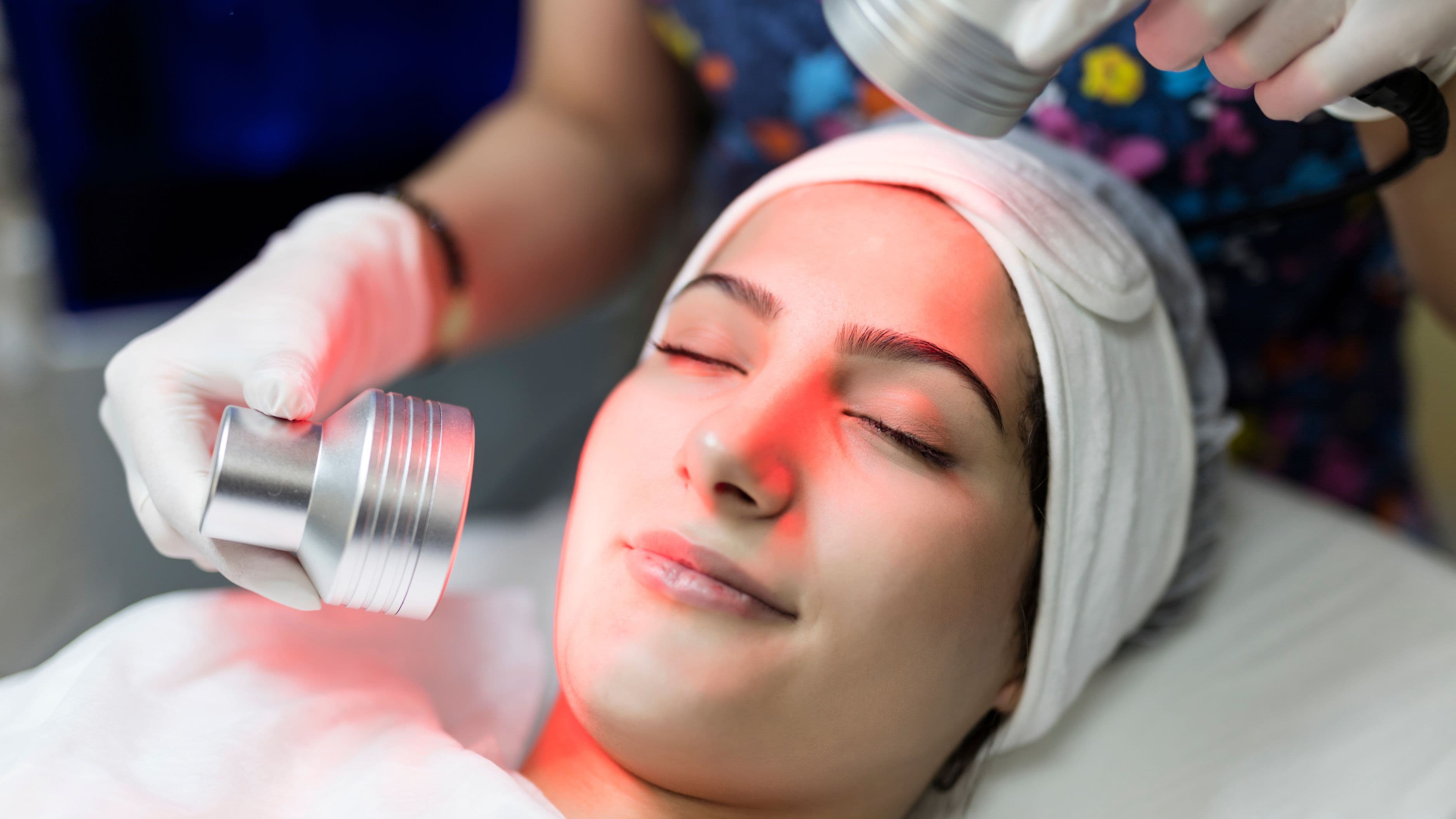
Photobiomodulation (PBM) refers to the use of specific wavelengths of red and near-infrared light, typically in the 600-950nm range, to stimulate cellular activity in tissue. Devices range from full-body red light panels to smaller, targeted laser or LED units designed specifically for localized treatment of joints and tendons.
The core mechanism involves light penetrating tissue and being absorbed by cytochrome c oxidase, an enzyme complex within mitochondria. This absorption is thought to enhance mitochondrial ATP production, which in turn may support cellular energy availability for the repair processes tendon tissue needs to rebuild collagen and manage local inflammation.
What the Evidence Actually Shows
Research specifically on tendon injuries, rather than general soft tissue recovery, shows a genuinely promising but still developing picture. Several controlled studies on tendinopathy (chronic tendon irritation, as opposed to acute tears) have found that low-level laser therapy applied at specific dosages and wavelengths produced measurable reductions in pain and improvements in function compared to placebo or sham treatment groups.
A meta-analysis reviewing multiple randomized controlled trials on laser therapy for tendinopathy found generally favorable outcomes for pain reduction, though the researchers noted significant variability in dosage, wavelength, and treatment protocols across studies, which makes it harder to establish one single "optimal" protocol with full confidence. This inconsistency in study design is a genuinely important limitation, not researchers making excuses – it means the strength of evidence, while real, isn't as airtight as it would be with more standardized protocols across the literature.
For acute tendon tears specifically, the evidence base is considerably thinner than for chronic tendinopathy. Most of the higher-quality research clusters around overuse-type tendon conditions (Achilles tendinopathy, patellar tendinopathy, and similar), rather than acute ruptures or severe structural tears, where surgical repair and traditional rehab protocols remain the primary evidence-based approach.
Dosage and Parameters That Matter
The research suggests dosage (measured in joules per square centimeter) matters considerably for actually seeing an effect. Studies showing positive results for tendon-specific conditions have generally used dosages in the range of 3-6 J/cm² per treatment site, applied several times per week for a period of weeks, rather than a single treatment. Wavelengths in the 800-905nm range appear more frequently in positive trials targeting deeper tendon tissue, since near-infrared light penetrates further than the shorter red wavelengths used for more superficial applications.
This dosage sensitivity is exactly why a lot of consumer-grade red light devices, particularly lower-powered panels marketed for general wellness rather than targeted therapeutic use, may not deliver an effective dose to a tendon at any meaningful depth, especially for larger or deeper structures like the Achilles or patellar tendon.
Realistic Expectations
Photobiomodulation is not presented in the research as a replacement for the core pillars of tendon rehab – progressive loading protocols (eccentric and isometric exercise specifically have the strongest evidence base for tendinopathy), addressing training load errors, and adequate recovery time. It's more accurately described in the literature as a supportive adjunct that may accelerate pain reduction and support the broader rehab process, not a standalone fix.
Timeline expectations should stay realistic: tendon tissue remodels slowly regardless of adjunct therapies, often over a period of weeks to months even with an aggressive, well-structured rehab approach. Marketing claims suggesting rapid, dramatic tendon healing purely from light therapy alone should be treated with real skepticism.
What to Avoid
Avoid relying on photobiomodulation as a substitute for addressing the underlying cause of a tendinopathy, such as sudden training load spikes, poor movement mechanics, or inadequate recovery between sessions. Light therapy without addressing these root drivers tends to produce only temporary symptom relief.
Also be cautious of devices and protocols making claims well beyond what the current evidence supports, particularly anything suggesting it can substitute entirely for structured rehab exercise in significant tendon injuries.
Common Mistakes
Using underpowered consumer devices and expecting therapeutic-grade tendon-specific results
Treating PBM as a complete solution instead of an adjunct to loading-based rehab
Inconsistent treatment frequency, undermining the cumulative dosage effect studies rely on
Ignoring the underlying training or movement issue that caused the tendinopathy in the first place
FAQ
How does photobiomodulation compare to other tendon recovery tools like ultrasound therapy? Both have research support for tendinopathy specifically, with some studies suggesting PBM may have a slight edge for pain reduction, though direct comparative research between the two is more limited than research on either treatment individually.
Can I use a red light panel at home for a tendon injury, or do I need a clinical device? Home panels can offer some benefit for very superficial issues, but for deeper tendons like the Achilles or patellar tendon, clinical-grade devices with higher irradiance and appropriate wavelengths are more likely to deliver an effective therapeutic dose based on current dosing research.
How long before I'd expect to see results? Studies generally show measurable pain and function improvements over 4-8 weeks of consistent treatment combined with appropriate loading exercise, not from isolated sessions.
Bottom Line
Photobiomodulation has real, evidence-backed support as an adjunct tool for chronic tendinopathy, particularly for pain reduction alongside a proper loading-based rehab program, though the evidence for acute tears is considerably weaker and dosage consistency across studies remains an issue. It's not a standalone miracle fix, and it works best layered into a broader, well-structured recovery plan rather than used in isolation. As with any injury, especially one involving persistent pain or suspected structural damage, talk to a physician or sports medicine professional before starting a specific treatment protocol.
📚 Sources
British Journal of Sports Medicine – Low-Level Laser Therapy in Tendinopathy: A Systematic Review. bjsm.bmj.com
Journal of Orthopaedic & Sports Physical Therapy – Photobiomodulation and Tendon Healing. jospt.org
Lasers in Medical Science – Dosage Parameters in Photobiomodulation Therapy. link.springer.com
🔍 Explore Related Topics
How red light therapy affects mitochondrial function