


That said, ozone therapy sits in an uncomfortable middle ground: real mechanisms, real clinical applications, real regulatory ambiguity, and a market full of practitioners ranging from rigorously trained to dangerously underqualified. Understanding what's actually happening in recovery clinics right now – the protocols, the applications, the evidence, and the risks – requires cutting through both the overclaiming of advocates and the reflexive dismissal from those who haven't engaged with the current literature.
What Ozone Therapy Is and How It Works
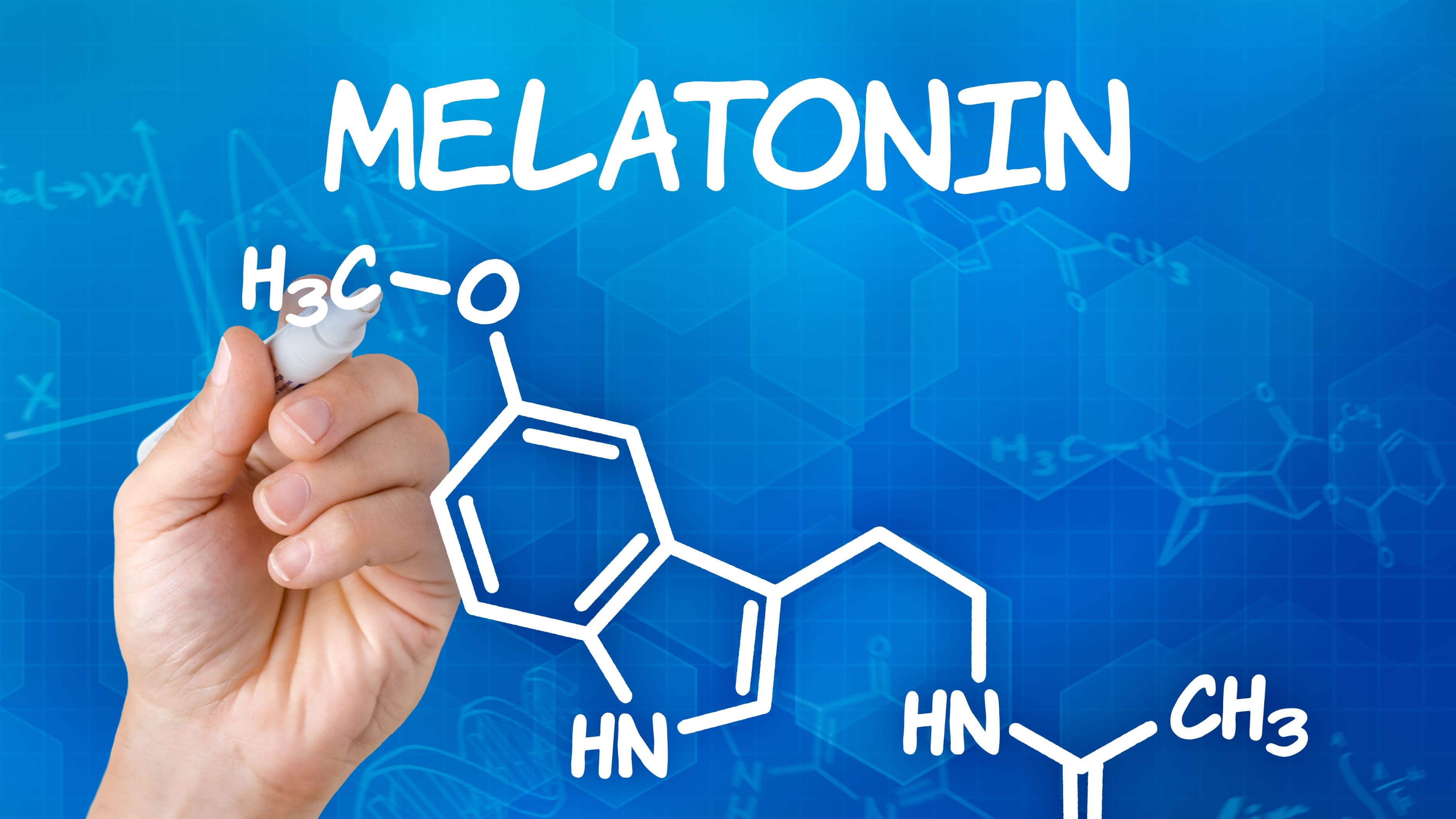
Ozone (O₃) is a molecule composed of three oxygen atoms. It is unstable relative to atmospheric oxygen (O₂), and that instability is the basis of its biological activity. When introduced into biological tissue or fluids, ozone rapidly decomposes and reacts with biomolecules – primarily lipids and proteins – generating reactive oxygen species (ROS) and lipid ozonation products (LOPs) including lipid peroxides and ozonides. These signaling molecules trigger a cascade of adaptive responses in the body.
The core mechanism is hormesis: a controlled, low-level oxidative stress that stimulates the body's endogenous antioxidant and repair systems. Ozone exposure activates the Nrf2 pathway – the master regulator of antioxidant response elements – upregulating enzymes including superoxide dismutase, catalase, and glutathione peroxidase. It also modulates the release of cytokines, stimulates 2,3-diphosphoglycerate (2,3-DPG) production in red blood cells (which improves oxygen delivery to tissues), and has dose-dependent antimicrobial properties against bacteria, viruses, and fungi.
The therapeutic signal is not the ozone itself – it clears the body within minutes. The therapeutic signal is the downstream hormetic response that ozone exposure provokes. This distinction matters because it explains why route of administration, concentration, and dosing precision are critical. Too little ozone produces no meaningful response. Too much produces excessive oxidative stress that is counterproductive and potentially harmful.
Current Clinical Applications in Recovery Settings
Recovery clinics using ozone therapy have coalesced around several specific protocols based on clinical evidence and practical outcomes. The applications below represent what is currently being used in established clinical settings, not experimental or unvalidated approaches.
Major Autohemotherapy (MAH)
Major autohemotherapy is the most widely used and most extensively studied ozone administration method in clinical recovery settings. The protocol involves drawing 100 to 200 mL of the patient's blood into an IV bag, mixing it with a precise volume of ozone-oxygen gas at a controlled concentration (typically 20 to 40 μg/mL), and reinfusing the ozonated blood intravenously. The entire procedure takes 30 to 45 minutes and is performed in a clinical setting under medical supervision.
MAH is used in recovery clinics primarily for systemic anti-inflammatory effects, immune modulation, and improvement in cellular oxygen utilization. Research published in journals including Mediators of Inflammation and European Journal of Pharmacology has documented reductions in inflammatory cytokines (TNF-α, IL-6) and oxidative stress markers following MAH protocols. In athletic recovery contexts, the application targets the systemic inflammatory burden that accumulates with high training loads and impairs recovery between sessions.
Clinics running MAH for performance clients typically use it in conjunction with other IV therapies – glutathione, NAD+, high-dose vitamin C – as part of a broader recovery optimization protocol rather than as a standalone intervention.
10-Pass Ozone (Hyperbaric Ozone Therapy)
Ten-pass ozone is an intensified variant of MAH using a pressurized system that cycles blood through the ozone-oxygen mixture ten times in a single session, treating a total of roughly one liter of blood. The Zotzmann 2000 system, developed in Germany, is the most established device used for this protocol. A single ten-pass session takes approximately 60 to 90 minutes.
The ten-pass protocol is used for more aggressive systemic applications: chronic inflammation, immune dysregulation, post-viral fatigue states, and in some performance medicine contexts, as a high-intensity recovery intervention between heavy training phases. It generates a substantially larger oxidative signaling load than standard MAH, which means both a potentially greater therapeutic response and a greater risk of adverse effects if dosing is imprecise or patient selection is inappropriate.
Ten-pass ozone is currently among the more expensive ozone interventions, running $400 to $800 per session at established clinics, and is typically used episodically rather than on a routine weekly schedule.
Ozone Injection (Prolozone)
Prolozone therapy combines ozone with procaine (a local anesthetic) and nutritional co-factors and injects the mixture directly into joints, tendons, ligaments, or muscles. It is used primarily for musculoskeletal pain and regenerative purposes – accelerating tissue repair in joints with chronic inflammation or degenerative changes, reducing pain, and improving function in structures that respond poorly to conventional treatment.
The application is particularly relevant for athletes managing chronic joint issues: knees, shoulders, hips, ankles, and the lumbar spine. The proposed mechanism involves ozone-stimulated fibroblast proliferation and collagen synthesis in the injected tissue, combined with the anti-inflammatory effects of the oxidative signaling. Clinical evidence for prolozone is less extensive than for MAH, but several studies and a substantial body of clinical case documentation support its use in specific musculoskeletal applications, particularly for conditions like osteoarthritis and tendinopathy where conventional options are limited.
Rectal Insufflation
Rectal insufflation involves administering ozone-oxygen gas via the rectum, where it is absorbed through the intestinal mucosa into the portal circulation. It is less invasive than MAH, can be self-administered with appropriate training and equipment, and is used in clinical settings as a maintenance protocol between IV ozone sessions. Bioavailability through this route is lower than MAH, but the systemic effects – anti-inflammatory signaling, improvement in gut mucosal health, microbiome modulation – are meaningful and documented.
In recovery clinic contexts, rectal insufflation is sometimes offered as a take-home protocol for clients between clinic sessions, with appropriate practitioner oversight for dosing and safety.
The Regulatory Landscape in the United States
Ozone therapy occupies an unusual regulatory position in the United States. The FDA has not approved ozone as a medical treatment for any specific indication, and the agency has issued warnings about ozone-generating devices marketed with medical claims for air purification and direct inhalation use. Inhalation of ozone is clearly harmful – the respiratory tract is highly sensitive to ozone oxidation, and the EPA sets outdoor air quality standards specifically to limit ozone exposure.
However, ozone therapy as practiced in clinical settings does not involve inhalation. MAH, prolozone, and rectal insufflation all administer ozone in forms where direct pulmonary exposure does not occur. These procedures are performed by licensed physicians and practitioners under the purview of the respective state medical boards, and several states have enacted explicit protections for the practice of ozone therapy within the licensed physician-patient relationship.
The American Academy of Ozonotherapy (AAO) and the International Scientific Committee of Ozonotherapy (ISCO3) have published guidelines and consensus statements providing a framework for clinical practice standards, dosing protocols, and practitioner training. Clinics affiliated with these organizations represent the higher end of the quality spectrum in this space.
Outside the US, ozone therapy has a longer and more formally recognized clinical history – particularly in Germany, Italy, Spain, and Cuba, where it is integrated into mainstream medical practice with established regulatory frameworks.
What the Evidence Actually Shows
The honest assessment of ozone therapy evidence is that it is more robust than its critics typically acknowledge and less definitive than its advocates often claim.
On the positive side: systematic reviews published in peer-reviewed journals have documented meaningful effects of ozone therapy on inflammatory markers, oxidative stress parameters, and clinical outcomes in specific applications including chronic low back pain, knee osteoarthritis, and diabetic wound healing. The mechanisms are well-characterized and biologically plausible. The safety profile of properly administered ozone therapy – at appropriate concentrations, via safe routes, by trained practitioners – is favorable, with serious adverse events being rare when protocols are followed correctly.
The limitations are real: many studies have small sample sizes, inconsistent dosing protocols, limited blinding, and heterogeneous populations that make meta-analytic synthesis difficult. The highest-quality evidence exists for musculoskeletal applications (prolozone for osteoarthritis) and for specific infectious and wound-healing applications. The evidence base for performance recovery, systemic anti-aging effects, and the broader claims made in marketing-forward clinics is considerably thinner and should be treated with appropriate skepticism.
The practical implication for the performance-focused individual: ozone therapy has a legitimate evidence base in specific applications. It is not a panacea. It is best used as one component of a structured recovery protocol in a clinical setting where practitioners can assess appropriateness, calibrate dosing, and monitor response – not self-administered based on online protocols or sought from practitioners who cannot clearly articulate mechanism and risk.
Risks and Contraindications
Properly administered ozone therapy has a strong safety profile in appropriate patients. The risks are real but manageable when protocols are followed.
Gas embolism is the most serious potential adverse event associated with IV ozone administration and occurs when ozone-oxygen gas is inadvertently introduced directly into a vein rather than first mixed with blood. This is a risk of improper technique, not an inherent risk of the therapy itself, and it is why MAH must be performed by trained practitioners using closed-system equipment – not improvised setups.
Excessive oxidative stress can occur when ozone concentration or volume is too high for the patient's antioxidant capacity. This is why patient baseline assessment – including glutathione status, G6PD deficiency screening (patients with G6PD deficiency should not receive ozone therapy due to risk of hemolysis), and overall oxidative stress load – matters before initiating treatment.
Contraindications include G6PD deficiency, hyperthyroidism, favism, pregnancy, active hemorrhage or bleeding disorders, severe anemia, and ozone hypersensitivity. Patients on blood thinners require clinical assessment before proceeding with IV protocols.
The highest risk scenarios involve poorly trained practitioners, inadequate patient screening, improvised equipment, and clinics operating outside established dosing protocols. Due diligence in practitioner selection is not optional in this space.
Selecting a Clinic and Practitioner
The quality variance in ozone therapy practice is substantial. Markers of a credible clinical operation:
The practitioner should hold a medical or naturopathic license in their jurisdiction and be able to clearly explain the mechanism of action, the specific protocol being used, the concentration and volume of ozone involved, the rationale for that dosing in your specific case, and the contraindications they assessed before recommending treatment. Affiliation with AAO or ISCO3 and completion of their training programs provides a baseline quality signal. The clinic should use medical-grade ozone generators – not consumer devices – and closed-system IV equipment for MAH protocols.
A credible practitioner will discuss what ozone therapy is and is not appropriate for, recommend against it if you have contraindications, and integrate the intervention within a broader clinical assessment rather than upselling it as a universal solution. The absence of any of these indicators is a reliable signal to look elsewhere.
FAQ
Is ozone therapy the same as hyperbaric oxygen therapy? No. Hyperbaric oxygen therapy (HBOT) increases atmospheric pressure to drive dissolved oxygen into plasma and tissue. Ozone therapy introduces ozone as a reactive signaling molecule that stimulates endogenous antioxidant and repair responses. Both involve oxygen-related mechanisms but are completely distinct interventions with different protocols, applications, and evidence bases.
How many sessions are typically needed before seeing results? For acute recovery applications (post-training, post-competition), effects may be noticeable within one to three sessions. For chronic inflammatory or musculoskeletal applications, clinical protocols typically run six to ten sessions over several weeks before outcome assessment. Response is individual and depends on baseline inflammatory burden, dosing precision, and concurrent lifestyle factors.
Can ozone therapy raise testosterone or improve hormonal markers? There is limited direct research on ozone therapy and testosterone specifically. The indirect pathway – reduced systemic inflammation, improved cellular oxygen utilization, and Nrf2 activation – theoretically supports a hormonal environment more conducive to testosterone production. Clinical claims in this area exceed the current evidence, and this should not be a primary rationale for pursuing ozone therapy.
What does a session cost? MAH typically runs $150 to $300 per session at established US clinics. Ten-pass ozone runs $400 to $800. Prolozone injection costs vary significantly by the number of joints treated and the specific formulation used. Pricing varies meaningfully by region and clinic positioning.
Is ozone therapy legal in all US states? The legality varies. Several states have enacted health freedom laws that explicitly protect the physician-patient relationship for non-FDA-approved therapies including ozone. Other states have less defined frameworks. The AAO maintains resources on the regulatory status by state. Practicing due diligence on the legal and regulatory status in your jurisdiction before pursuing treatment is advisable.
📚 Sources
Bocci, V. et al. (2011). The case for oxygen-ozone therapy. British Journal of Pharmacology. https://www.ncbi.nlm.nih.gov/pmc/articles/PMC3058455/
Elvis, A.M. & Ekta, J.S. (2011). Ozone therapy: A clinical review. Journal of Natural Science, Biology and Medicine. https://www.ncbi.nlm.nih.gov/pmc/articles/PMC3312702/
Seyam, O. et al. (2018). Clinical utility of ozone therapy for musculoskeletal disorders. Medical Gas Research. https://www.ncbi.nlm.nih.gov/pmc/articles/PMC6178642/
Hidalgo-Tallón, J. et al. (2013). Ozone therapy as combined treatment for fibromyalgia management. Journal of Alternative and Complementary Medicine. https://pubmed.ncbi.nlm.nih.gov/23738700/
Baeza-Noci, J. & Cabo-Soler, J.R. (2012). Re-evaluation of systemic ozone applications in dentistry and medicine. ISCO3 Consensus Conference. https://www.isco3.org
Velio Bocci. (2010). Ozone: A New Medical Drug. Second Edition. Springer. Referenced in mechanism discussion.
Tirelli, U. et al. (2020). Ozone therapy in 65 patients with fibromyalgia. European Review for Medical and Pharmacological Sciences. https://pubmed.ncbi.nlm.nih.gov/32767019/
American Academy of Ozonotherapy. Clinical Guidelines and Training Standards. https://www.aaot.us
Clavo, B. et al. (2004). Ozone therapy for tumor oxygenation. Evidence-Based Complementary and Alternative Medicine. https://www.ncbi.nlm.nih.gov/pmc/articles/PMC442120/
Izadi, M. et al. (2019). Ozone therapy and herniated nucleus pulposus. Journal of Pain Research. https://www.ncbi.nlm.nih.gov/pmc/articles/PMC6398404/